OEM/ODM Ready
Engineered for global brand distributors, pharmacy retail chains, and specialty cosmetic importers needing verified biological safety, consistent optical powers, and stable bulk supply chains.
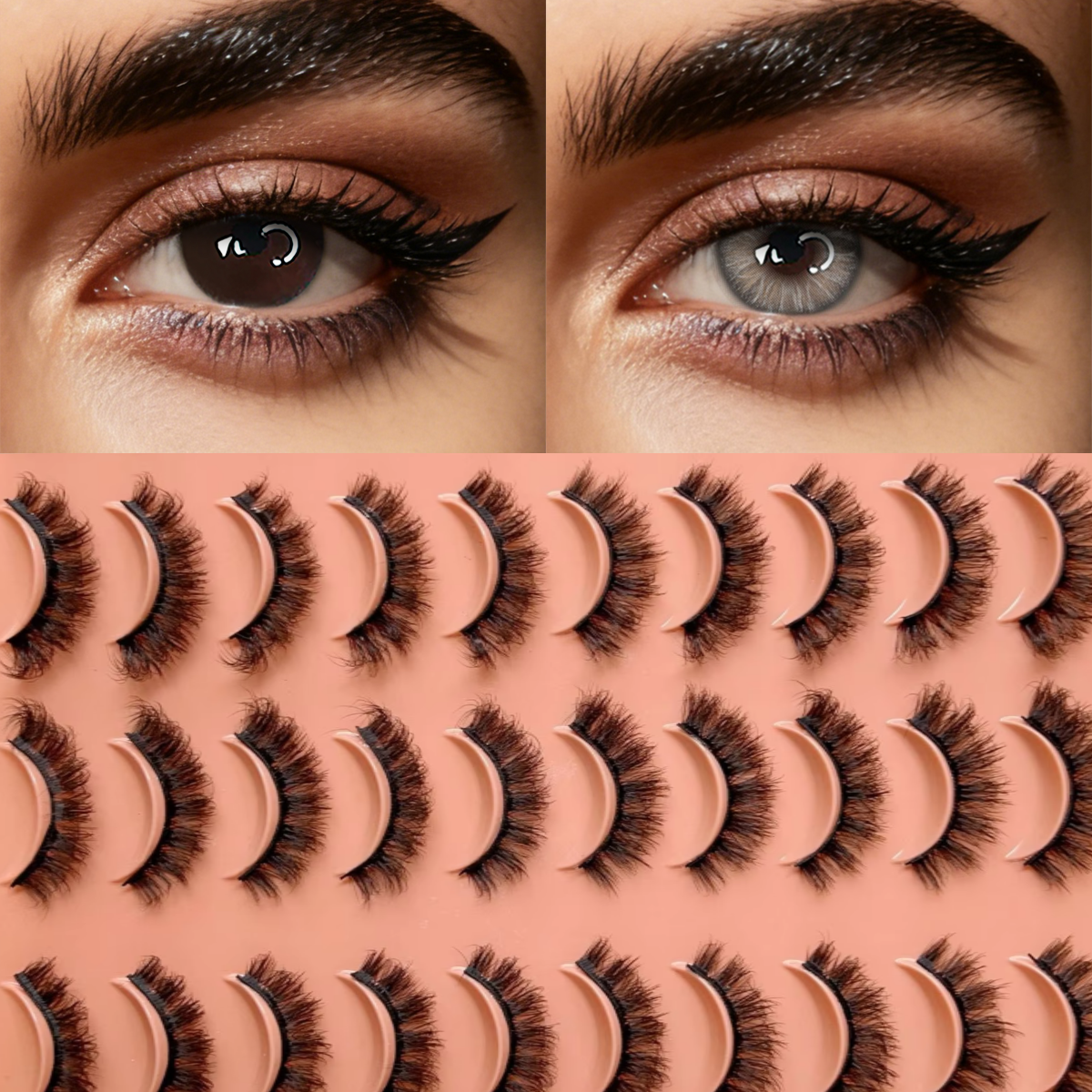
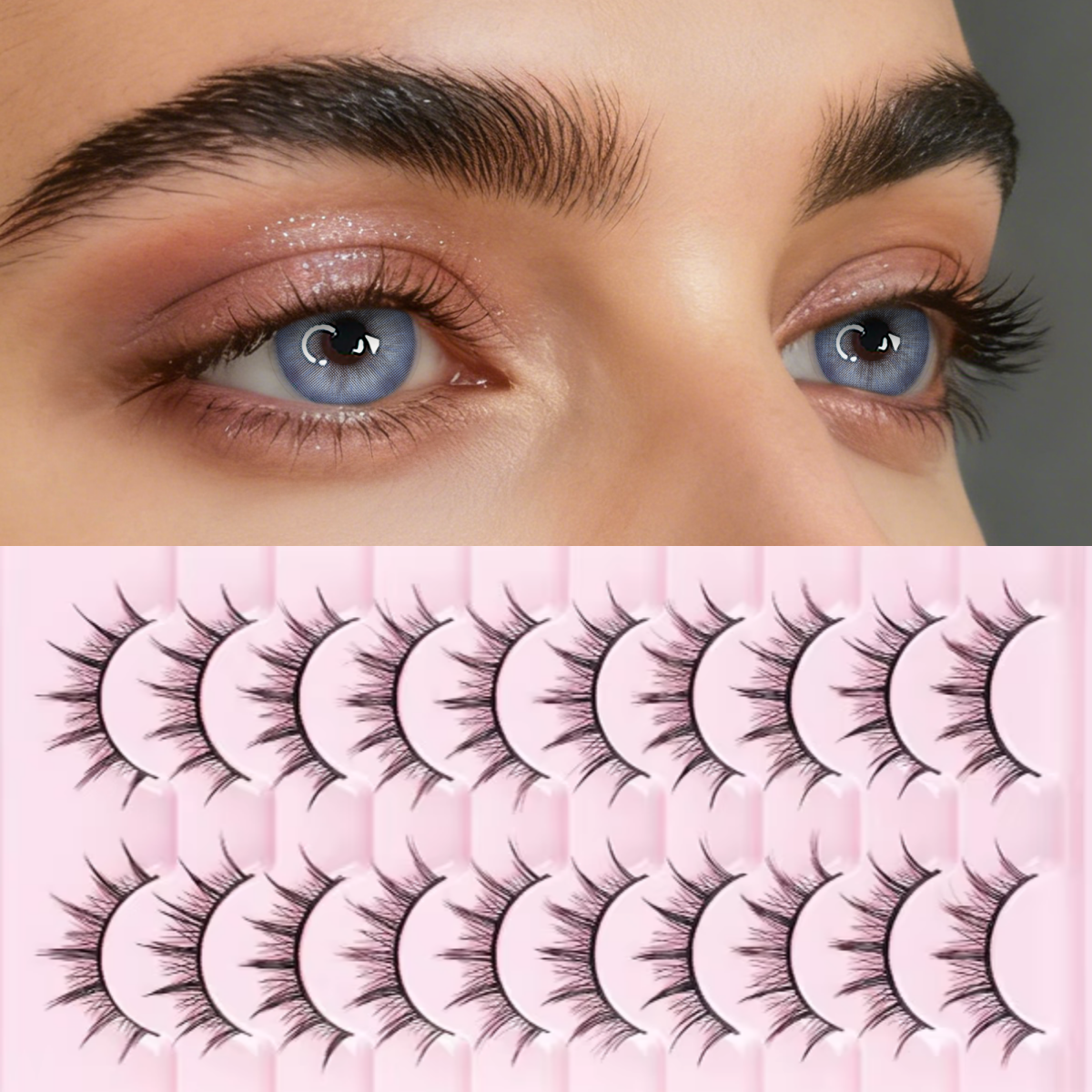
A rigorous industrial perspective on bio-tolerability, color pigment entrapment protocols, and microbiological sterility validation for international medical border clearances.
In international optical trade, circle lenses are strictly classified as Class IIa / Class II medical devices under the European Medical Device Regulation (MDR 2017/745) and the United States Food and Drug Administration (FDA 21 CFR Part 886). The sourcing risks encountered by enterprise distributors do not stem merely from cosmetic aesthetics, but fundamentally from micro-surface biocompatibility, residual monomer toxicity, oxygen transmissibility (Dk/t), and physiological pigment leaching. As an established export-oriented cleanroom manufacturing plant, Shenzhen Lalens Co., Ltd maintains end-to-end operational ownership over casting polymerization, cast-molding precision tooling, ultrasonic hydration, and pressurized steam sterilization.
Unlike non-regulated dip-dyeing methodologies where toxic inorganic pigments directly contact the sensitive corneal epithelium, our proprietary 3-layer cast encapsulation polymerizes the pigment matrix safely between two bio-inert layers of 2-HEMA hydrogel, ensuring zero physical dye abrasion or bio-toxicity risks.
Optimized molecular matrix formulations incorporating Poly-HEMA combined with N-Vinylpyrrolidone (NVP) achieve an equilibrium water content of 38% to 55%. This maintains an oxygen permeability index exceeding 18×10⁻¹¹ (cm²/s)·[mLO₂/(mL·mmHg)], effectively preventing corneal edema and vascularization during extended cosmetic wear.
Each individual production batch undergoes 100% optical wavefront interferometry to verify focal consistency from plano (0.00) down to -10.00 Diopters. Optical center decentration is restricted within strict tolerances (<0.05mm), ensuring crisp visual acuity free from prism distortion or visual aberration.
| Evaluation Parameter | Certified Medical Circle Lens (Lalens OEM) | Generic Non-Certified Cosmetic Lens | Impact on Importer Compliance & Health |
|---|---|---|---|
| Color Embedding Method | Sandwich Micro-Layer Internal Entrapment | Surface Coating / Direct Substrate Printing | Zero Leaching Risk Prevents corneal ulceration & legal recalls |
| Quality Architecture | ISO 13485:2016 & CE Marking (EU Directive/MDR) | Unregulated Industrial Workshop / Cosmetic Only | Complete technical file support for customs clearance |
| Sterilization Assurance | Terminal Wet-Autoclave 121°C @ 20 mins (SAL 10⁻⁶) | Ambient Chemical / Discontinuous Boiling | Eliminates Acanthamoeba & Pseudomonas Aeruginosa infection |
| Edge Profile Design | Multi-Curve Rounded Profile via CNC Metal Molds | Sharp Knife-Edge / Single Radial Cut | Unobstructed tear circulation; minimizes conjunctival irritation |
| Traceability System | Laser-Etched Individual Lot UDI & Global GS1 | Arbitrary or Mixed Batch Packaging | Complies with FDA UDI & EU MDR vigilance mandates |
Data-driven projections for optical purchasers, brand incubators, and cosmetics merchandising executives looking to capitalize on evolving consumer and regulatory landscapes.
Wholesale orders are rapidly shifting from conventional 1-year vials to 1-Day daily disposable blister packs. Driven by ophthalmic hygiene concerns, daily disposable circle lenses now command the highest market margin growth among high-tier North American and European beauty chains.
Next-generation circle lenses are actively transitioning from pure HEMA hydrogels to fluoro-silicone hydrogel composite substrates. This achieves oxygen transmissibility levels exceeding 80 Dk/t, allowing wearers to maintain all-day comfort without ocular redness or hypoxemic fatigue.
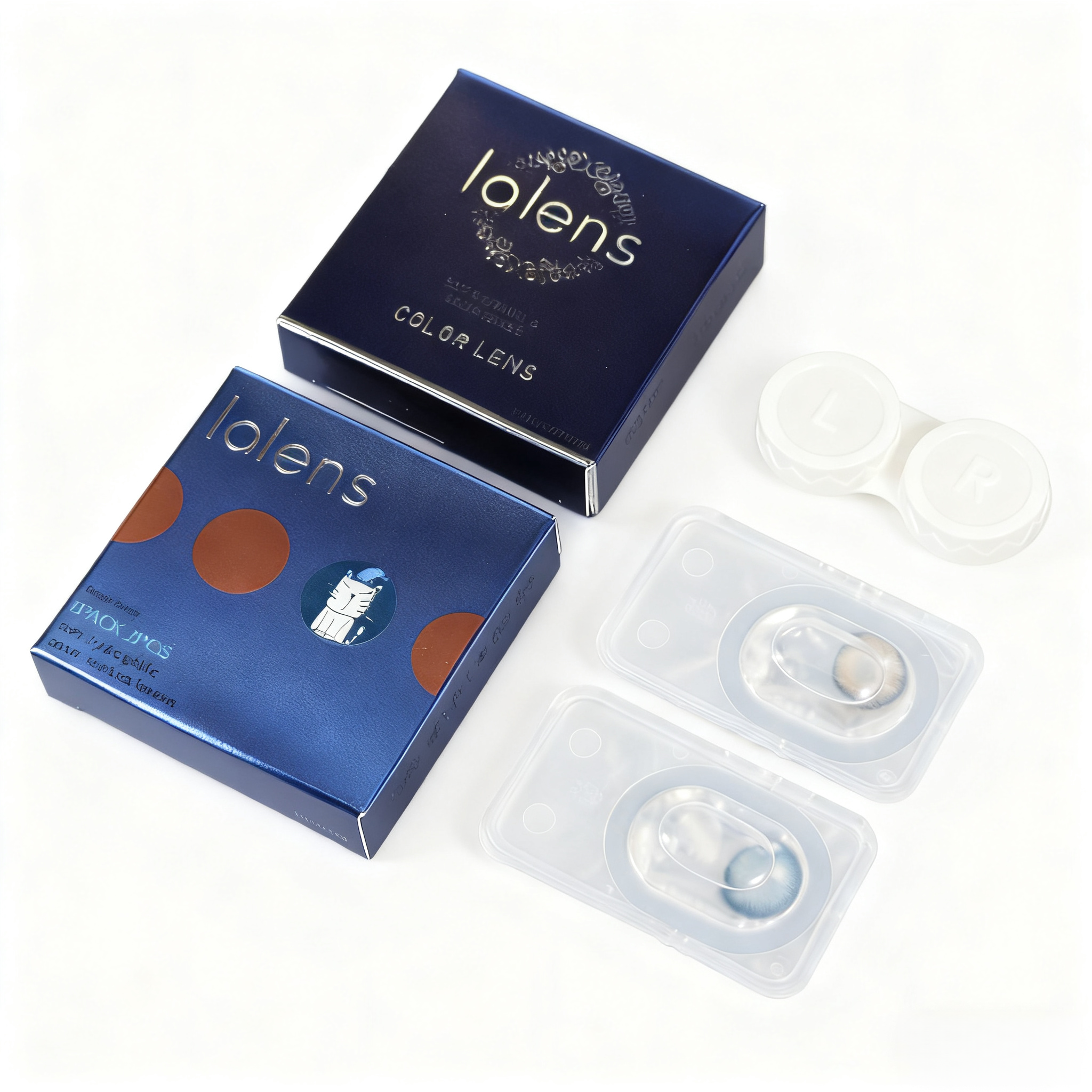
Modern cosmetic contact lens brands demand rapid-turnaround custom carton packaging and sterilized foil-backed blisters with fully serialized barcoding. Turnkey packaging integrations reduce procurement lead times from months down to a matter of weeks.
Consumer demand is moving away from artificial flat rings toward multi-tone 3D printed micro-dot gradients. These subtly blend with natural brown, green, and blue irises, creating enlarged, dimensional eyes without visible geometric pattern margins under direct lighting.
Direct manufacturer execution eliminating middleman commissions, mitigating international trade friction, and guaranteeing rigorous batch-to-batch repeatability.
Founded with dedicated Class 100,000 cleanroom workshops, automated cast-molding lines, and complete in-house tooling capabilities. We do not source from fragmented third parties; every lens is poured, cast, hydrated, and sealed under one verified roof.
Maintain immediate access to over 500 cataloged iris patterns—including natural enhancers, vivid tri-tone series, anime cosplay designs, and seasonal Halloween FX lenses. Fast stock availability enables flexible, low-risk test orders.
Extensive export documentation sets prepared: ISO 13485:2016 certifications, CE conformity declarations, complete material safety data sheets (MSDS), microbiological test certificates, and English-compliant labeling for seamless customs clearance.
Clear, direct answers regarding regulatory compliance, manufacturing minimums, diopter coverage, and international shipping protocols.
Both the US FDA and the European Medical Device Regulation (MDR) categorize all contact lenses—including zero-power cosmetic circle lenses and theatrical FX lenses—strictly as medical devices. In regulated markets, they are subject to mandatory device listing, quality management protocols, and prescription verification laws (such as the FTC Contact Lens Rule). We provide verified packaging with standardized English warnings and medical batch identifiers to help your brand remain fully compliant.
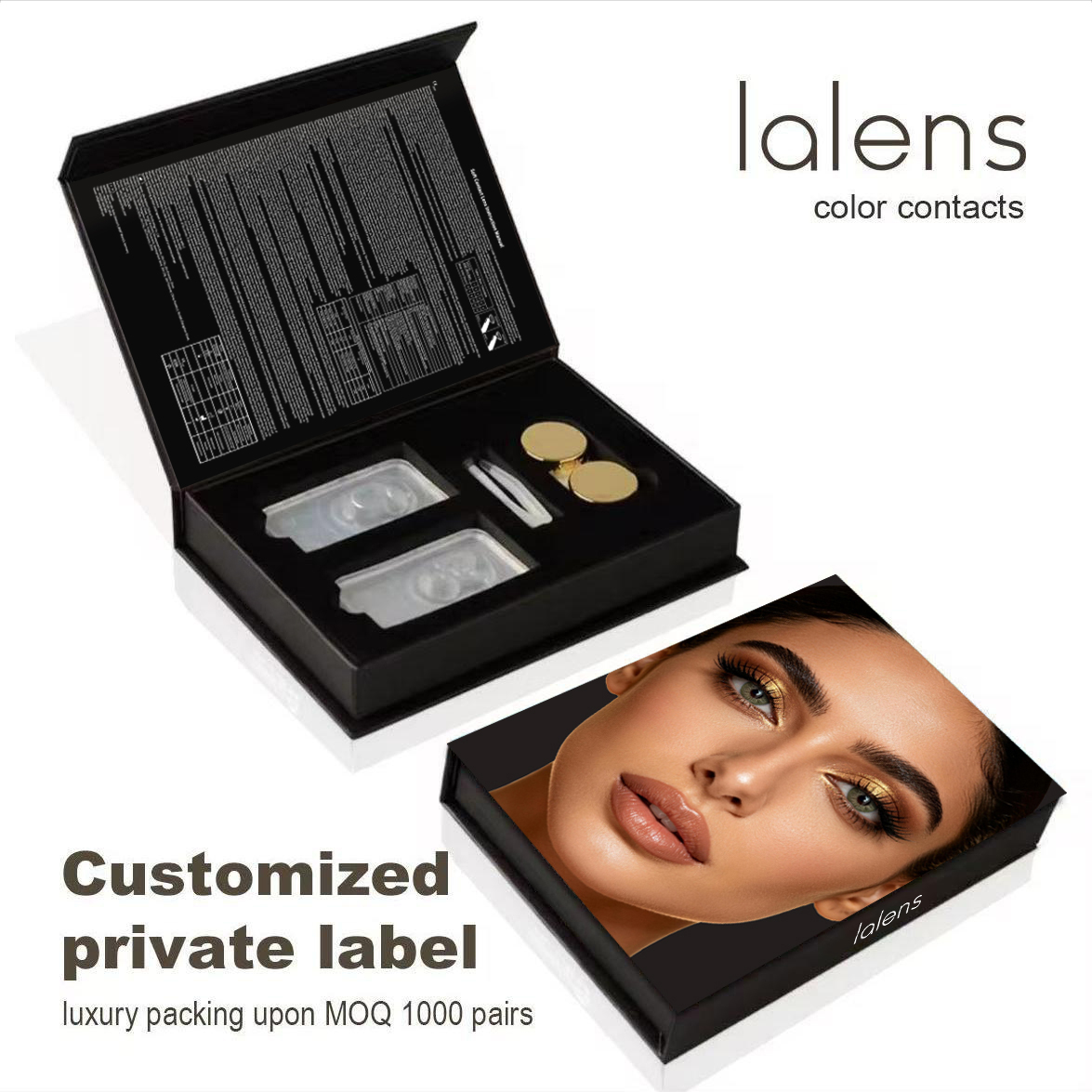
For existing warehouse stock designs with standard packaging, our minimum order quantity starts at just 100 pairs per SKU, enabling seamless market testing. For customized private label programs—including bespoke blister foils, custom-printed retail folding cartons, tailored base curves, and proprietary brand graphics—the standard MOQ is typically 1,000 pairs per design, with volume tier discounting applied automatically for container orders.
Our cast-molding lines accommodate standard diameters ranging from 14.0 mm to 14.5 mm, base curves of 8.5 mm or 8.6 mm, and center thicknesses from 0.06 mm to 0.08 mm. Water content configurations are available in 38%, 42%, and 55% Poly-HEMA matrices. We provide both plano (0.00) cosmetic lenses and refractive powers from -0.50 to -6.00 (in 0.25 D increments) and -6.50 to -10.00 (in 0.50 D increments).
Ready-to-ship stock collections are dispatched within 3 to 7 working days. OEM production involving customized packaging, blister foil printing, and secondary cartoning requires 25 to 35 production days following artwork confirmation. Sample express shipments arrive via DHL, FedEx, or UPS within 5 to 8 business days, while volume commercial freight can be arranged via air cargo or sea freight under clear DDP/FOB terms.
Request our comprehensive medical contact lens catalog, OEM packaging die-lines, and physical wear-test samples. Our regulatory and export engineering team is on standby 24/7 to support your procurement needs.