Blog

How to Choose a Contact Lens Factory in 2026?
How should buyers compare a contact lens factory in 2026? The answer reaches beyond unit price, polished product photos, or a fast sample. A dependable partner should explain how it controls materials, production steps, inspection, packaging, and product changes. Ask for current quality-system documents, relevant product certifications, and records that match the lens and market you plan to serve. Verify details with qualified auditors or regulatory specialists; a certificate alone cannot prove every claim.
Look closely at the evidence. Can the factory trace a lens lot back to its materials? Are inspection criteria documented, and are sterilization processes validated where applicable? Request sample reports, defect-handling procedures, and realistic lead-time data. Compare these against your own specifications, not only a sales presentation. Small details matter: a label revision, a missing test result, or an unexplained packaging change can create costly delays. Looks reassuring. Still, ask again.
This guide outlines practical questions for factory visits, remote reviews, sampling, and long-term supplier checks. It also considers communication, capacity, customization, and after-sales support. No checklist removes all risk, and a large facility is not automatically the right fit. Buyers should record their assumptions, confirm critical facts independently, and revisit them as products or markets change. Choosing well takes patience. Sometimes the uncomfortable answer is that a supplier has not shown enough yet.
Read more »
 By:Amelia
- November 16, 2026

What Is a Contact Lens Manufacturer and How to Choose One?
A contact lens manufacturer does more than turn raw polymer into a finished lens. It may develop lens designs, select materials, produce lenses through controlled processes, and package them for distribution. Behind the clear surface are precise curves, measured dimensions, and quality checks. That matters. Small differences can affect fit, comfort, and optical performance. Manufacturing also involves sterilization, labeling, and traceability, though the exact requirements depend on the product and market.
Choosing a manufacturer means looking beyond a polished website or a low quoted price. Consider its experience with the lens type you need, its production capacity, and how clearly it explains quality controls. Ask what testing and documentation it can provide, how product batches are tracked, and how it handles changes or defects. Details count. If possible, review samples and discuss specifications with qualified eye-care or technical professionals. A supplier’s answers should be specific, consistent, and supported by relevant records—not just confident promises.
There is no universal checklist that guarantees a perfect partnership. A large factory may suit high-volume orders, while a smaller operation may offer closer communication; neither is automatically better. Be candid about your own needs, including timelines, target markets, and support after production. Also verify applicable requirements independently, since standards can vary by location. This guide explores what manufacturers do and which practical questions can help you assess their capabilities. The goal is not to find the cheapest option, but a reliable partner whose processes fit the product and the people who will use it.
Read more »
 By:Ethan
- November 10, 2026

Top 10 Contact Lens Suppliers for Global Buyers
Choosing a contact lens supplier involves more than comparing prices or browsing a polished catalogue. Buyers need to examine product consistency, material specifications, packaging, documentation, and the supplier’s ability to support repeat orders. Small details matter: a clear lot number, a sealed blister pack, and responsive answers can say more than a broad sales promise.
The market is substantial. Grand View Research estimated the global contact lens market at USD 19.2 billion in 2023, with projected growth through 2030. The U.S. Centers for Disease Control and Prevention reports that about 45 million Americans wear contact lenses. These figures show demand, but they do not prove that every supplier is dependable. Market estimates also vary by research method and product scope. A useful warning comes from ophthalmologist and contact-lens safety specialist Dr. Thomas Steinemann: “Contact lenses are medical devices, not fashion accessories.” Buyers should treat that distinction seriously.
This Top 10 guide compares suppliers by product range, manufacturing reach, quality practices, and suitability for global buyers. It is designed to help readers ask sharper questions before requesting samples or negotiating terms. A ranking still has limits. Supplier capabilities can change, and a strong catalogue does not guarantee a smooth shipment. Check the details yourself. The right contact lens supplier should provide verifiable product information, practical communication, and clear answers when something goes wrong.
Read more »
By:Ethan
- November 10, 2026
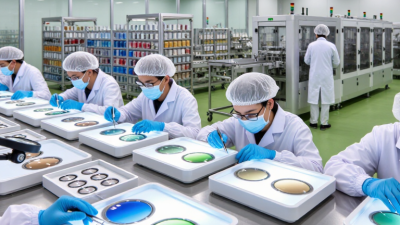
Top Colored Contact Lens Manufacturers in China
Colored contact lenses combine vision care with personal style, so choosing a supplier requires more than comparing colors. China has a large manufacturing base, but capabilities and consistency vary between companies. A reliable colored contact lens manufacturer should clearly explain its lens materials, production controls, packaging options, and quality checks. Request current product specifications and sample lenses. Inspect the printed box, lens tint, and edge finish. Small details matter.
This guide introduces notable Chinese manufacturers and practical factors buyers can use to assess them. It considers product range, manufacturing experience, quality-management practices, customization, and communication. Company claims should be checked against current documents, facility information, and sample performance. A polished website is not proof of dependable production. Neither is a long catalog. Confidence comes from clear answers and repeatable results. Still, no supplier is perfect; lead times, minimum order quantities, and available designs may change. Buyers should confirm applicable product requirements in their own markets before placing orders. The goal is not to promise a flawless partner. It is to make comparison more informed, grounded, and useful.
Read more »
By:Ethan
- November 10, 2026