Featured OEM/ODM Solutions & Premium Packaging Lines
Explore our top-tier cosmetic color formulations, medical-grade blister packaging, and full-spectrum lash enhancements engineered for seamless cross-border distribution.
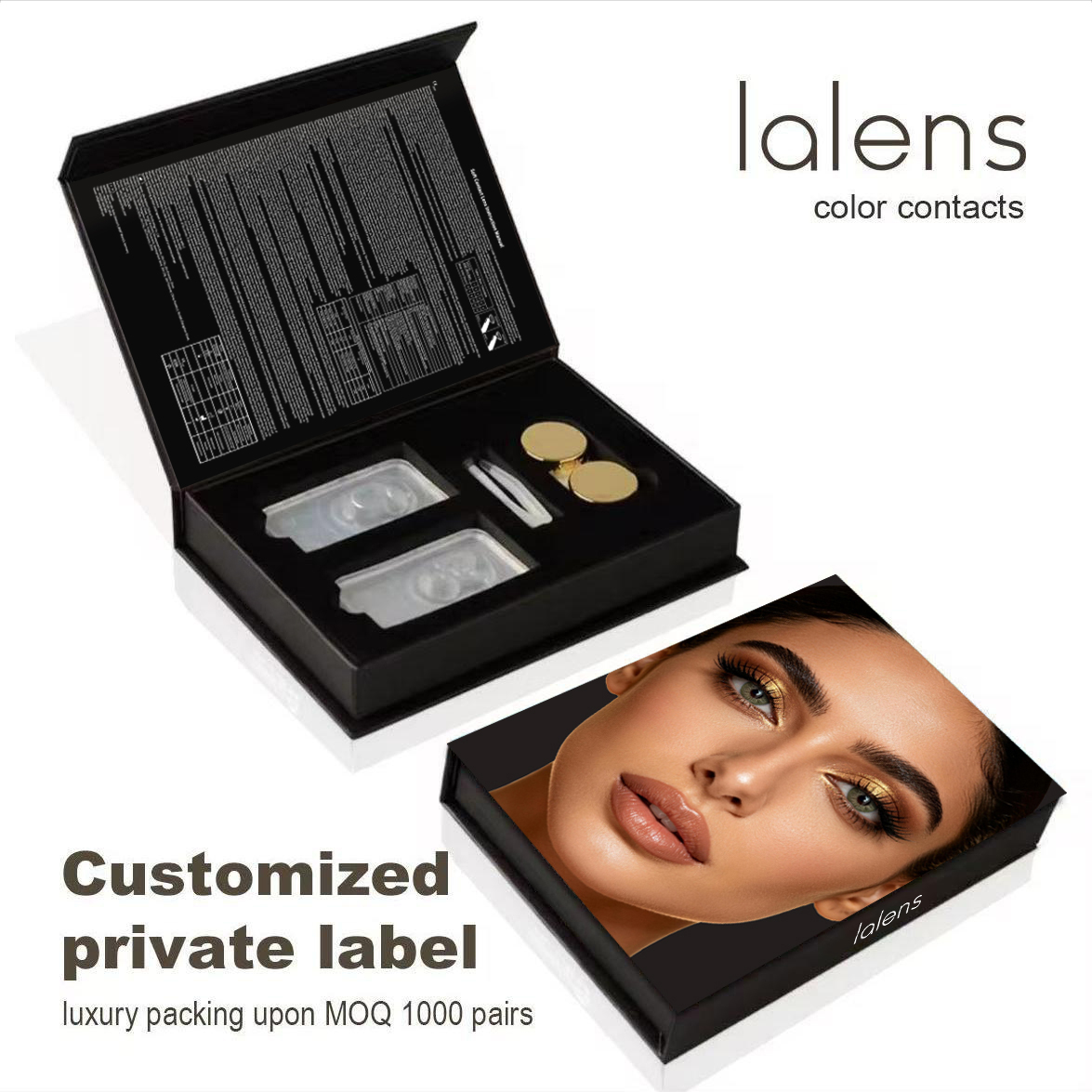
Custom Logo Contact Lens Packaging Rigid Paperboard Square Box Private Label Cosmetic Packing
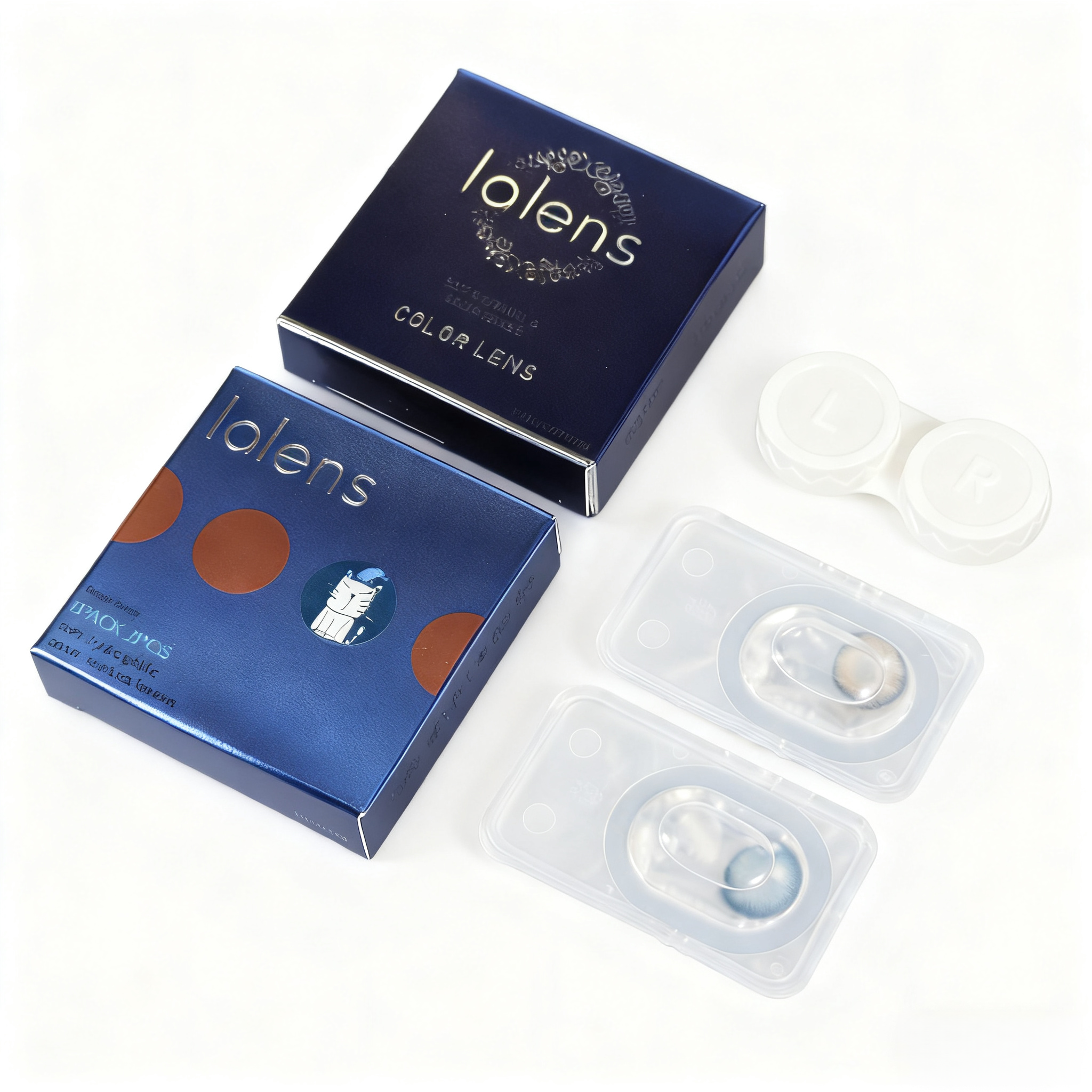
Custom Design Cardboard Soft Contact Lenses Private Label Contact Lenses Packaging Paper Box for Cosmetic Contact Lens
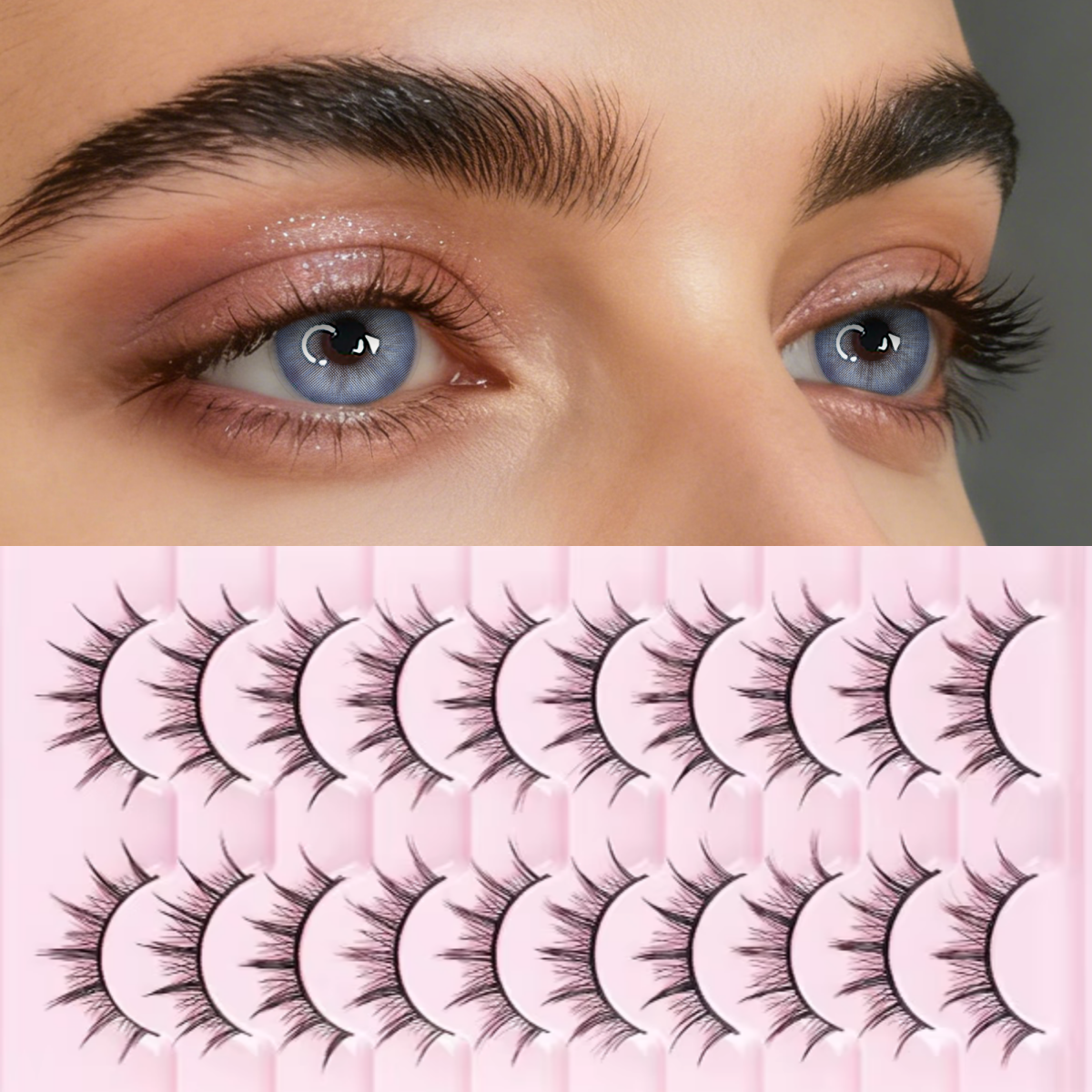
10 Pairs Hard-stem Synthetic Hair False Eyelashes Natural Look Cartoon Little Devil Design Can Hold False Eyelashes
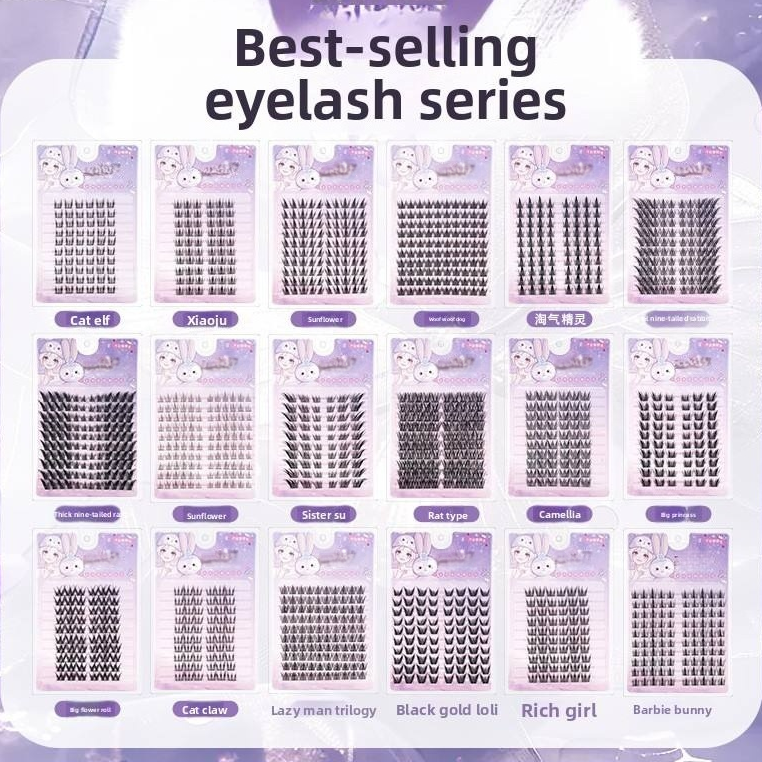
False Eyelashes Family Photo Inevitable Glue-Free Large Capacity Synthetic Hair Lower Upper Eyelashes Sunflower Fox Style Cat
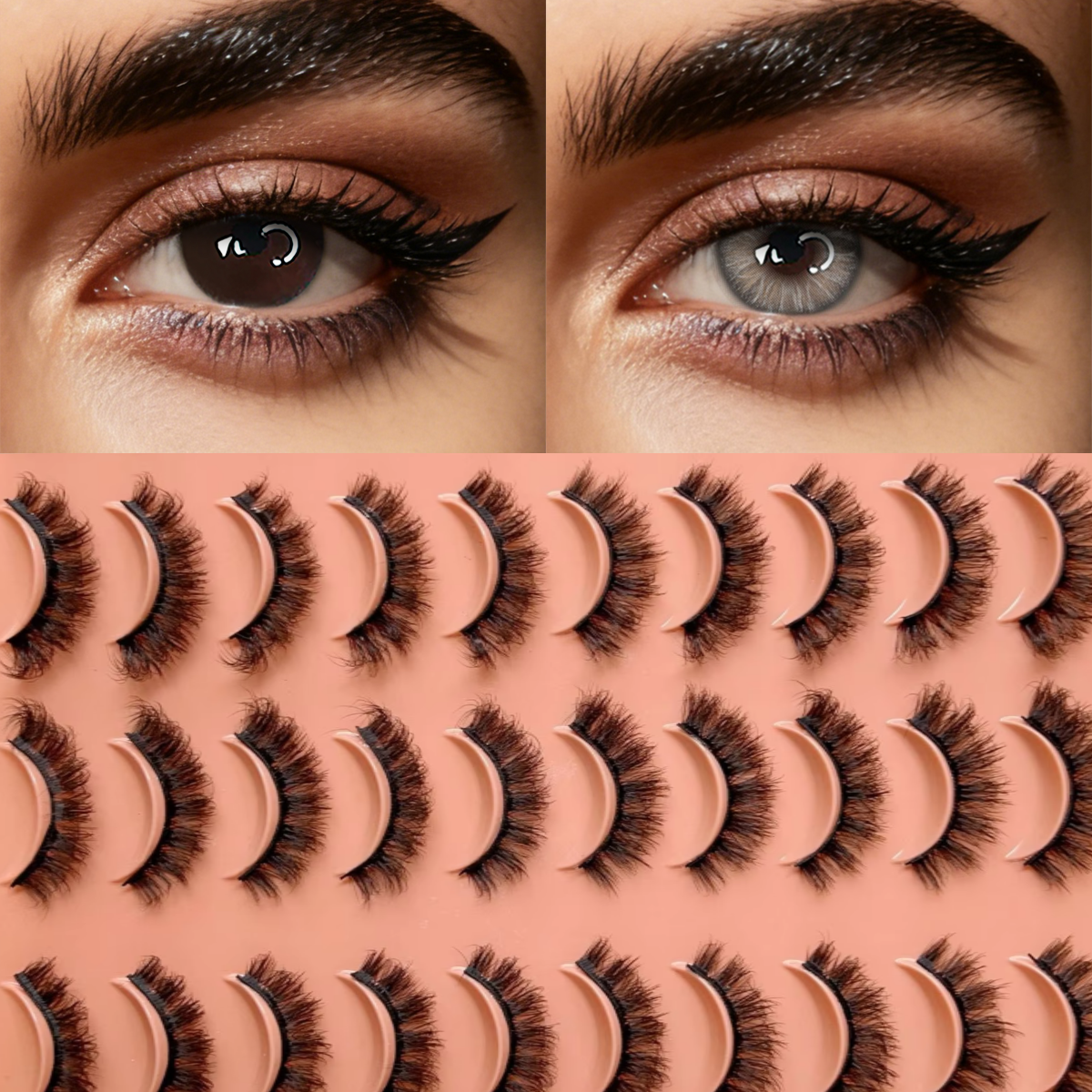
Cross-border Explosions 20 Pairs Mixed 6D Mink Hair False Eyelashes Natural Curling Thick Europe & US Wholesale
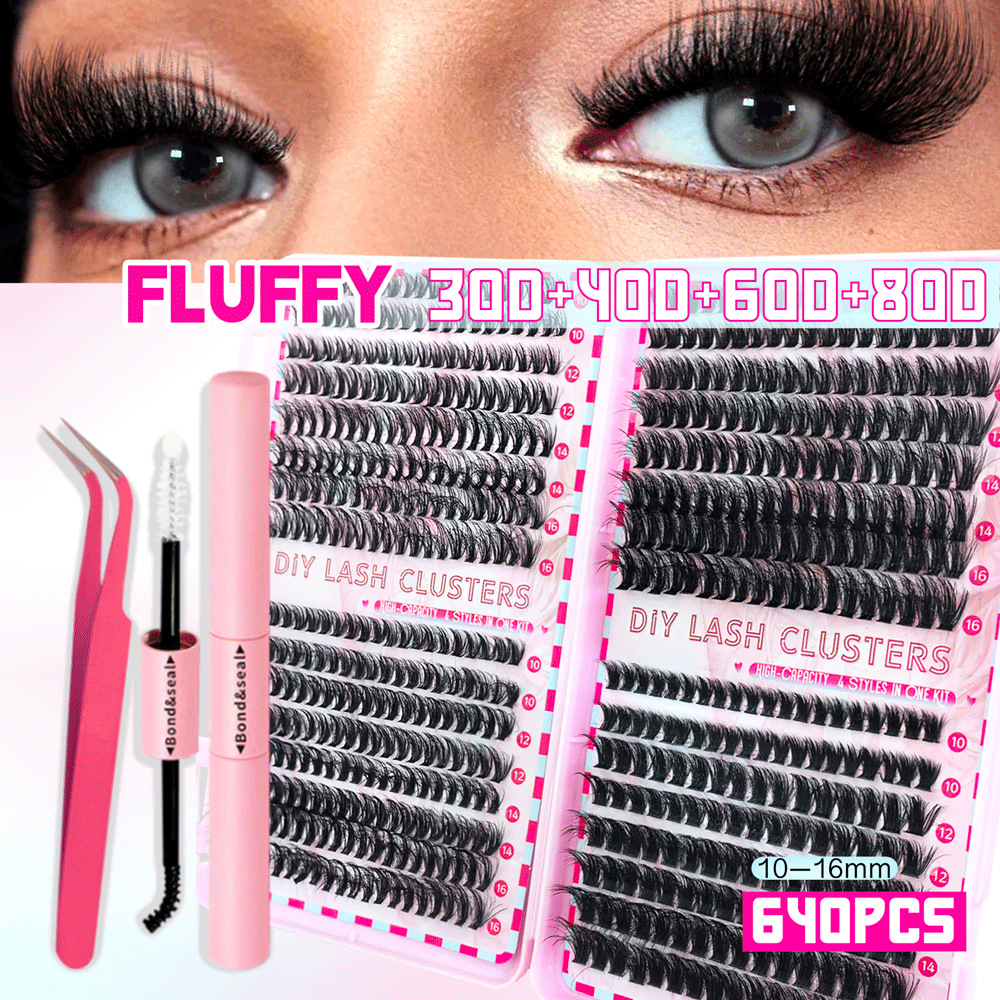
For 30P 40P 32 Row Plastic Black Stem Semi-Hand Made False Eyelash Glue Foreign Trade 60P 80P Blooms Hair European American
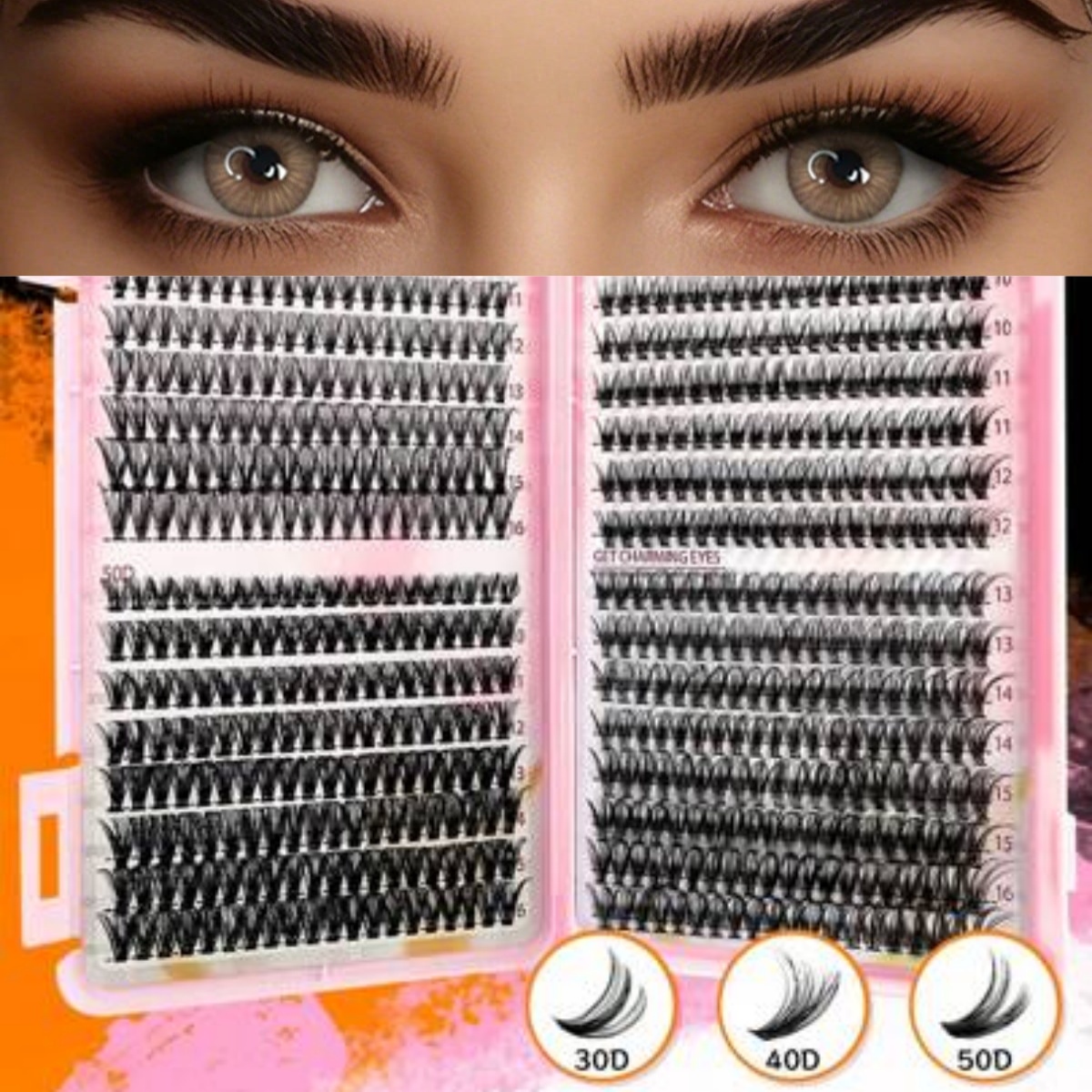
False Eyelashes Box Clear Band Natural Wispy Faux Mink Fluffy Soft Half Lashes for Daily Party Valentine's Day Makeup Wholesale
CE Certified 3-Tone Hydrogel Color Contact Lenses (Plano & Corrective Prescription OEM Program)
The Core Competitive Advantages of Lalens Factory
Shenzhen Lalens Co., Ltd operates advanced class-100,000 cleanrooms and multi-axis cast molding automation, closing the gap between artistic cosmetic design and strict international medical device compliance.
Full-Stack Medical Device Traceability
As a CE and ISO 13485 certified exporter, every batch of soft hydrogel lenses produced at our facilities undergoes strict lot tracking. From monomer raw materials and water content stability testing to optical aberration calibration and final autoclave sterilization cycles at 121°C, we maintain an uncompromised regulatory audit trail.
Advanced Sandwich Printing Technology
Inferior decorative lenses apply pigment directly onto external hydrogel surfaces, risking severe ocular abrasion and dye migration. Lalens Factory employs an advanced automated cast-molding sandwich matrix. Ophthalmic-grade bio-inert micro-pigments are completely embedded between polymer layers, guaranteeing zero pigment-to-cornea contact and superior physiological biocompatibility.
Turnkey Private Label Formulation & Packaging
We offer complete end-to-end OEM and ODM support. Brands can tap into our in-house industrial printing infrastructure for bespoke rigid gift boxes, retail folding cartons, sterile PP blister foils, glass vials, and multilingual regulatory inserts compliant with US FTC Contact Lens Rules and EU Medical Device Regulation (MDR 2017/745).
Future Procurement Trends in the Global Contact Lens Industry
Strategic volume buyers are shifting from transactional purchasing toward integrated clinical compliance and ecological packaging standards.
Silicone Hydrogel Penetration
B2B procurement is transitioning rapidly toward third-generation silicone hydrogel substrates (Dk/t > 100). Buyers are demanding extended wear capability with enhanced oxygen transmissibility, particularly for daily disposable cosmetic lines.
Sustainable & Reduced-Plastic Packaging
European and North American regulatory bodies are incentivizing eco-conscious medical packaging. Leading importers now prioritize ultra-compact polypropylene blisters, recyclable aluminum lidding, and FSC-certified biodegradable outer cartons.
Strict Regulatory Verification
Importers are replacing spot checks with comprehensive manufacturer audits. Procurement teams demand direct access to biological evaluation files (ISO 10993 cytotoxicity, ocular irritation) and MDR conformity certificates before signing supply agreements.
Hybrid Cosmetic-Corrective Demands
Plano (0.00 diopter) cosmetic demand is converging with prescription vision correction. Tier-1 brands increasingly source split-power inventories ranging from -0.50D to -10.00D with asymmetric astigmatism (Toric) capabilities to capture dual-use demographics.
Key Developments Shaping the Next Decade of Ocular Devices
From micro-encapsulated active ingredients to digital optics, the boundaries between medical vision care, beauty aesthetics, and wearable technology are disappearing.
UV & High-Energy Blue Light Shielding
Next-generation contact lenses incorporate molecular-level ultraviolet inhibitors (Class 1 UV-blocking absorbing >90% UVA and >99% UVB) combined with selective blue light filters (380–450 nm). This provides essential retinal protection against screen fatigue and outdoor radiation without altering the true-to-life cosmetic rendering of the iris pattern.
Sustained Biomimetic Moisture Locks
Dry eye syndrome remains the primary reason for contact lens discontinuation. Advanced lens engineering now embeds internal wetting agents such as Polyvinylpyrrolidone (PVP) and Hyaluronic Acid (HA) directly into the polymer network. These hydrophilic agents mimic natural mucin layers, dramatically reducing surface protein adsorption and maintaining high tear breakup time (TBUT) throughout 16-hour wearing cycles.
Therapeutic Ocular Drug Delivery
The vanguard of medical lens research involves molecular imprinting for targeted, sustained release of anti-glaucoma, anti-allergy, or anti-inflammatory pharmaceutical agents. Lalens Factory tracks these clinical developments closely, architecting cleanroom infrastructure and biocompatible polymer matrices that can transition seamlessly into smart ocular wellness applications.
Critical Sourcing Questions & Industry Standards
Clear answers to regulatory, manufacturing, and operational questions commonly raised by optical procurement directors, brand owners, and cross-border customs agents.
What specific medical certifications must an OEM contact lens exporter possess?
Reputable exporters must maintain ISO 13485 (Medical Devices — Quality Management Systems), along with CE Mark certification under the European MDR (EU) 2017/745. For shipments destined for the US, manufacturing facilities must hold FDA Establishment Registration, Device Listings, and compliant 510(k) clearances. At Lalens Factory, we supply full technical dossiers, sterilization validation reports (ISO 11137 / ISO 17665), and biocompatibility assessments (ISO 10993) to satisfy border clearance and clinical compliance.
What is the standard Minimum Order Quantity (MOQ) for custom private label projects?
For existing catalog patterns in our standard sterile blister packaging, MOQs start as low as 100 to 500 pairs per color variant. For fully customized OEM programs—involving bespoke iris pattern design, custom diopter parameter curves, tailored blister foil printing, and branded rigid paperboard box manufacturing—MOQs typically begin at 1,000 to 3,000 pairs per SKU to optimize high-speed printing and cast mold tooling efficiencies.
How does Lalens Factory prevent color variation and batch-to-batch discrepancies?
Color consistency is the definitive benchmark of high-end cosmetic lens manufacturing. We utilize high-resolution digital spectrophotometers and multi-point chromatic optical analyzers to calibrate ink formulations against master standard chips. Automated pad printing and double-sided cast molding eliminate manual variability, ensuring every production run matches approved pre-production samples within strict delta-E tolerances.
What are the standard lead times for custom sampling versus mass production?
Wear-test samples from our inventory of 500+ stock patterns dispatch within 24 to 48 hours, reaching overseas destinations via international express (DHL/FedEx/UPS) in 5 to 8 business days. Custom pattern prototyping and mechanical tooling require approximately 10 to 14 days. Full-scale commercial manufacturing runs, including final sterilizer validation, packaging fabrication, and secondary quarantine clearance, take 25 to 35 calendar days after artwork approval.
Can you manufacture toric and multifocal cosmetic contact lenses for OEM clients?
Yes. In addition to standard spherical plano and corrective lenses (from 0.00 to -10.00D), our computerized cast-molding lines are equipped with dynamic stabilization zones to produce customized Toric cosmetic lenses for astigmatic patients, as well as center-near multifocal geometries, fulfilling complex optical retail requirements.
How do you handle custom retail packaging, barcoding, and regulatory labeling?
We provide full engineering support for retail secondary packaging. This covers UDI (Unique Device Identification) implementation, GS1 compliant Datamatrix barcodes, anti-counterfeit QR codes, batch coding, sterile lot numbering, expiry dates, and tamper-evident shrink sealing to meet destination country health authority specifications.
Partner with a Certified Contact Lens OEM Manufacturer
Elevate your brand with stable cosmetic formulations, verified medical cleanroom standards, and complete private label packaging services. Connect directly with our clinical engineering and export team today.