Recommended Color Contact Lens Lines & Comprehensive Beauty Solutions
Engineered to international biocompatibility protocols, our portfolio encompasses natural cosmetic designs, costume special effects, integrated false eyelash sets, and specialized rigid barrier packaging.
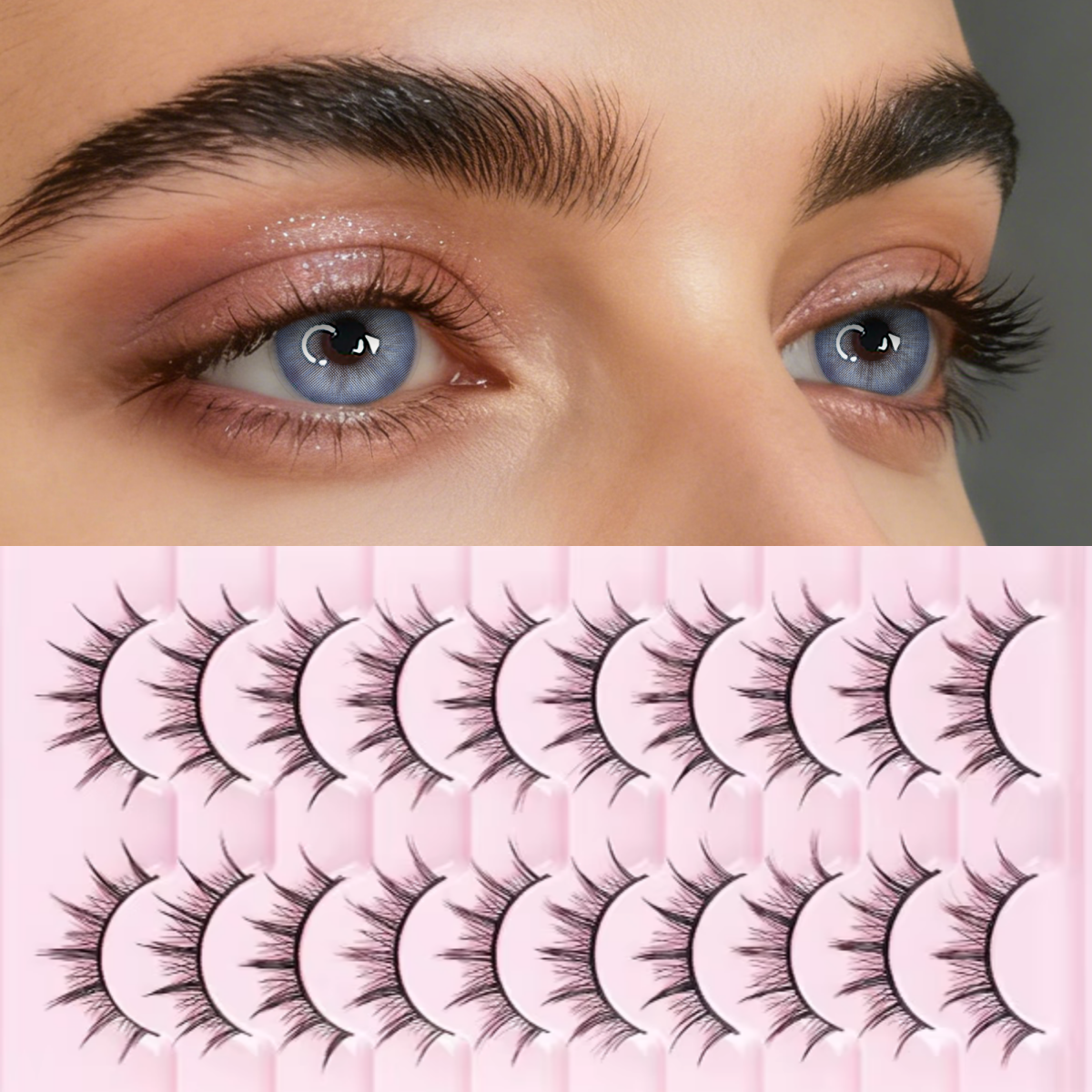
Band: Structural Hard-Stem Hold
Application: Aesthetic Eye Framing
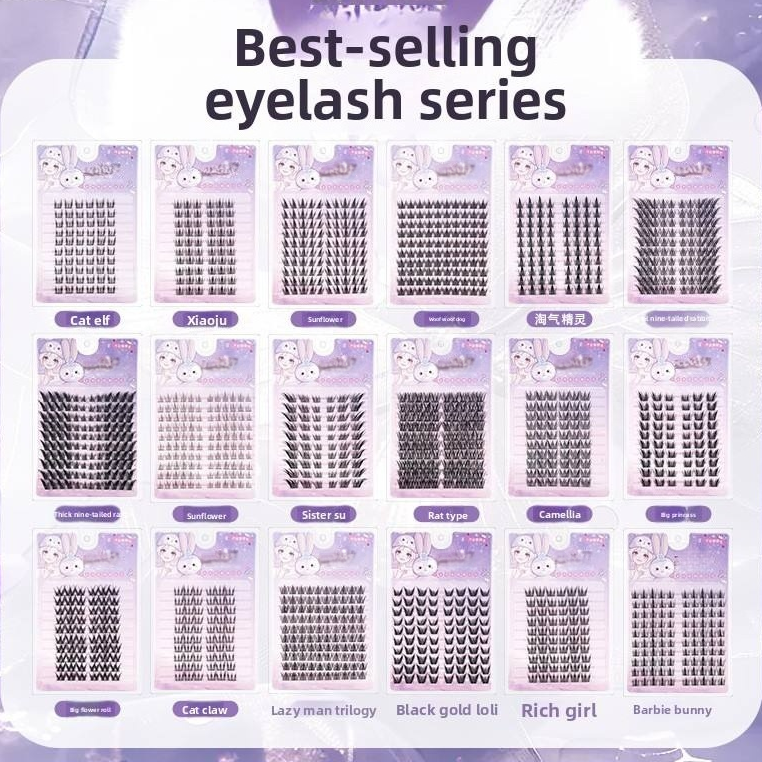
Configuration: Dual Segment (Upper/Lower)
Design: Fox/Sunflower Cluster
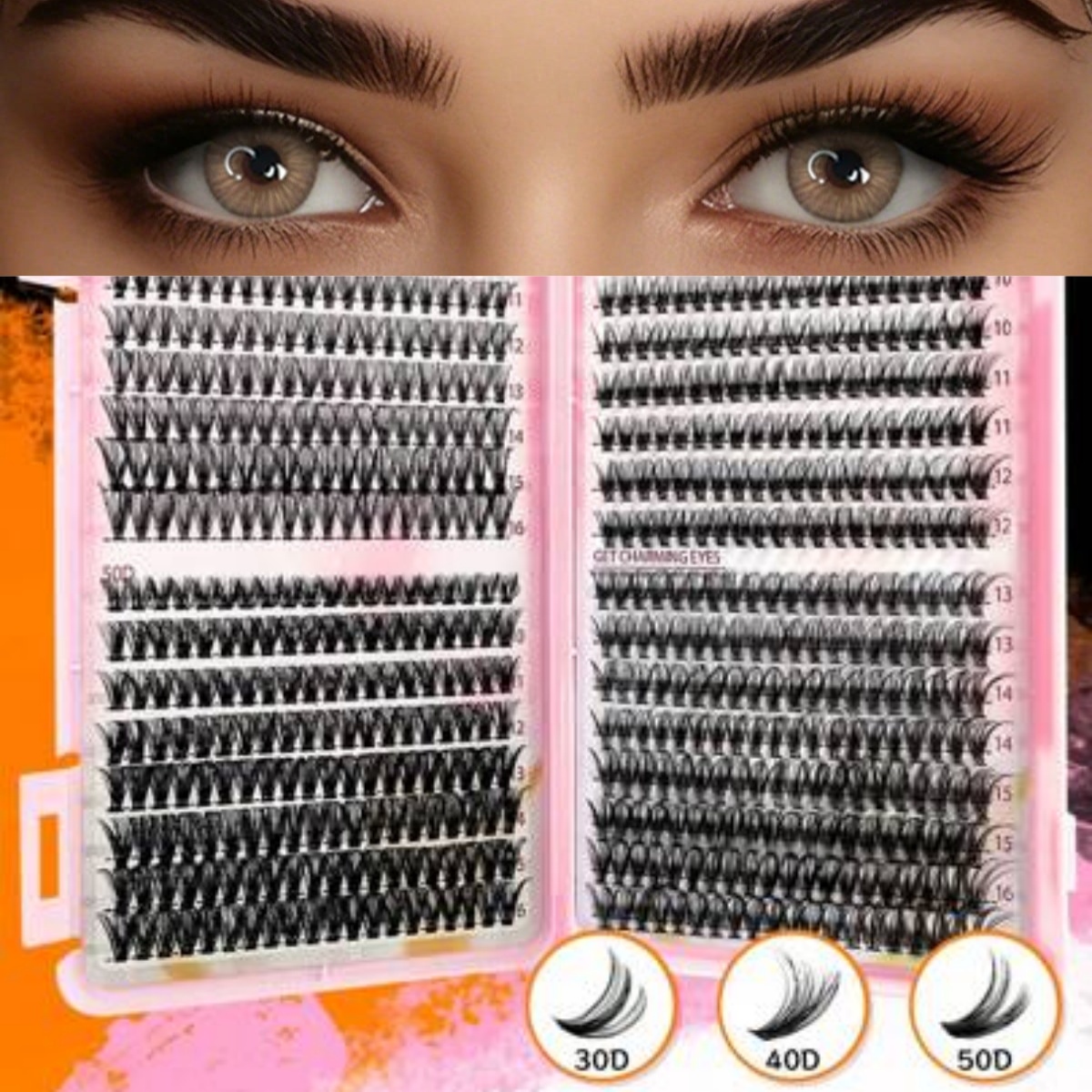
Texture: Wispy Dimensional Faux Mink
Use Case: Daily Cosmetic Synergy
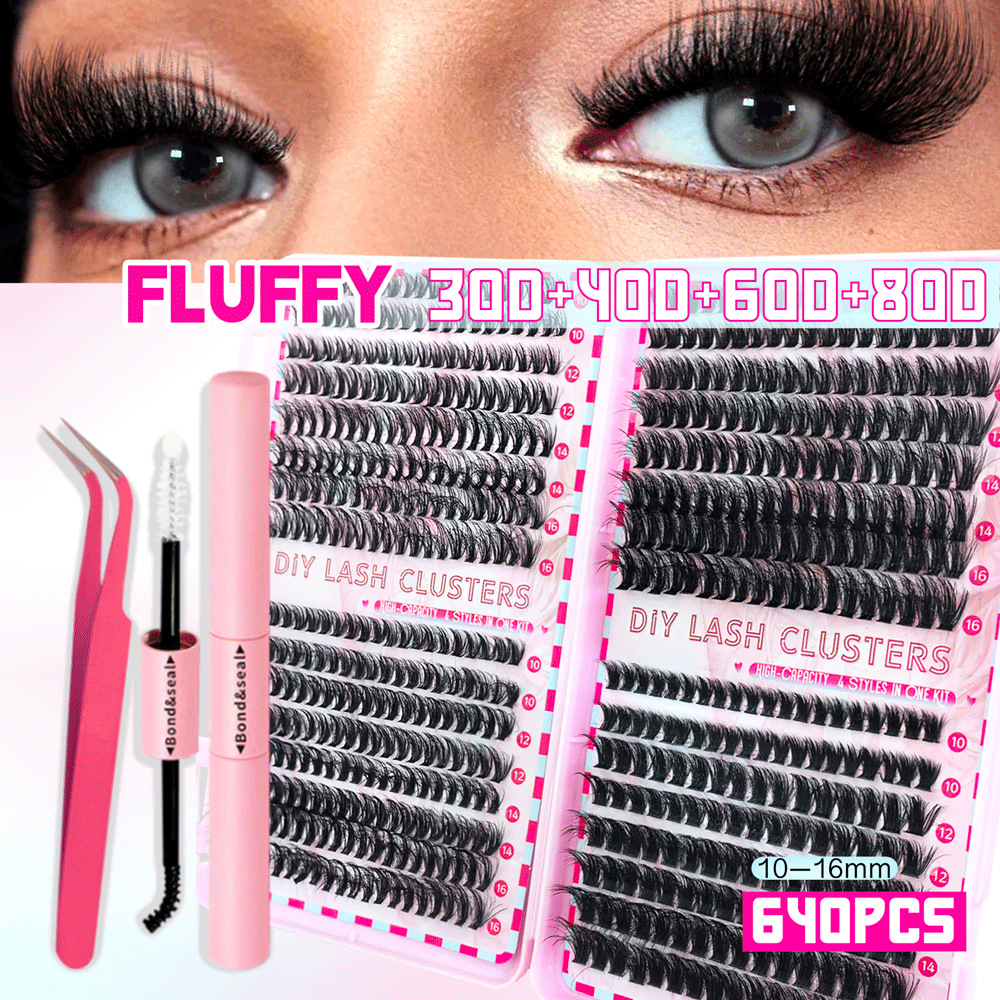
Rows: 32 High-Density Rows
Export Standard: EU/US Compliance
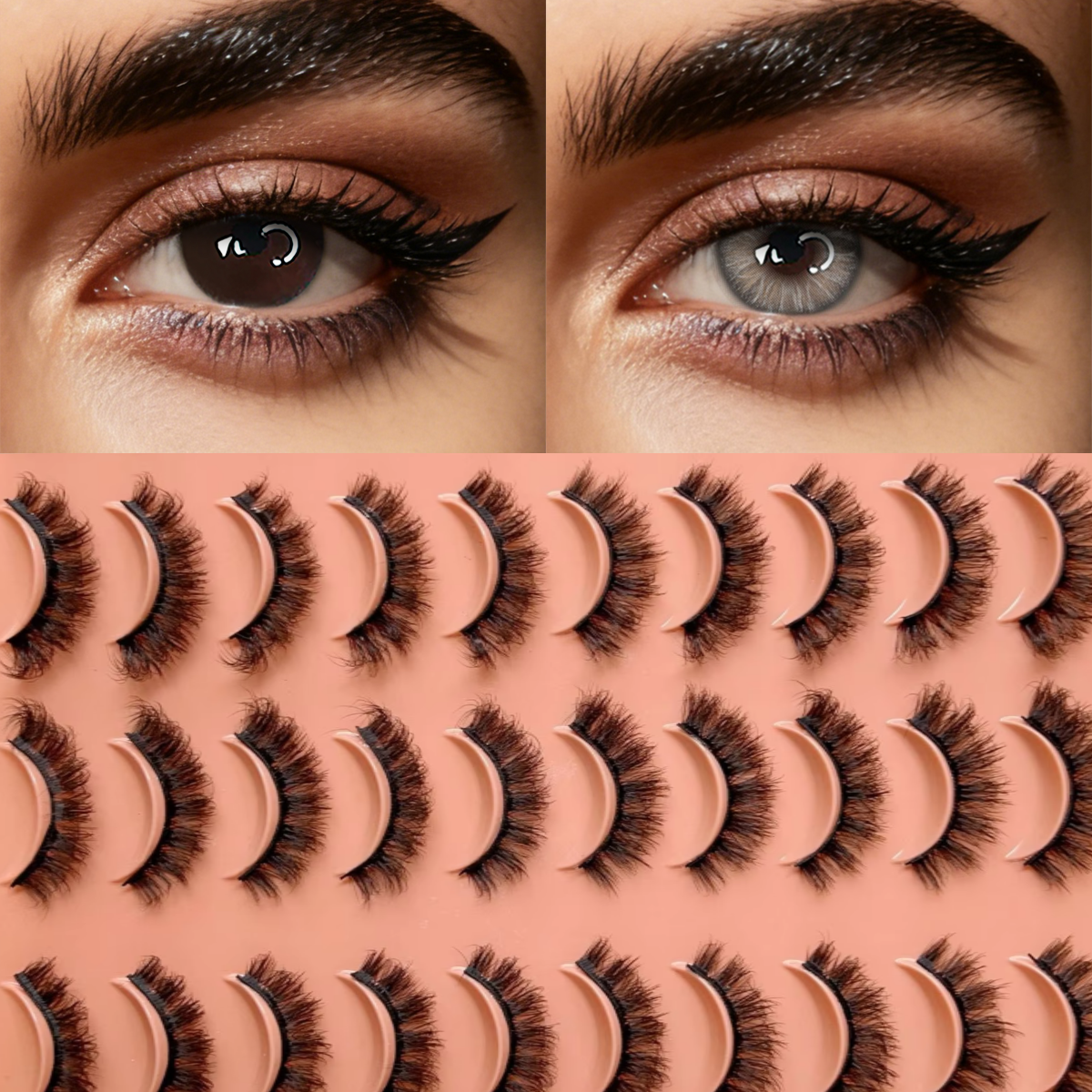
Quantity: 20 Pair Multipack
Target Market: International Retail
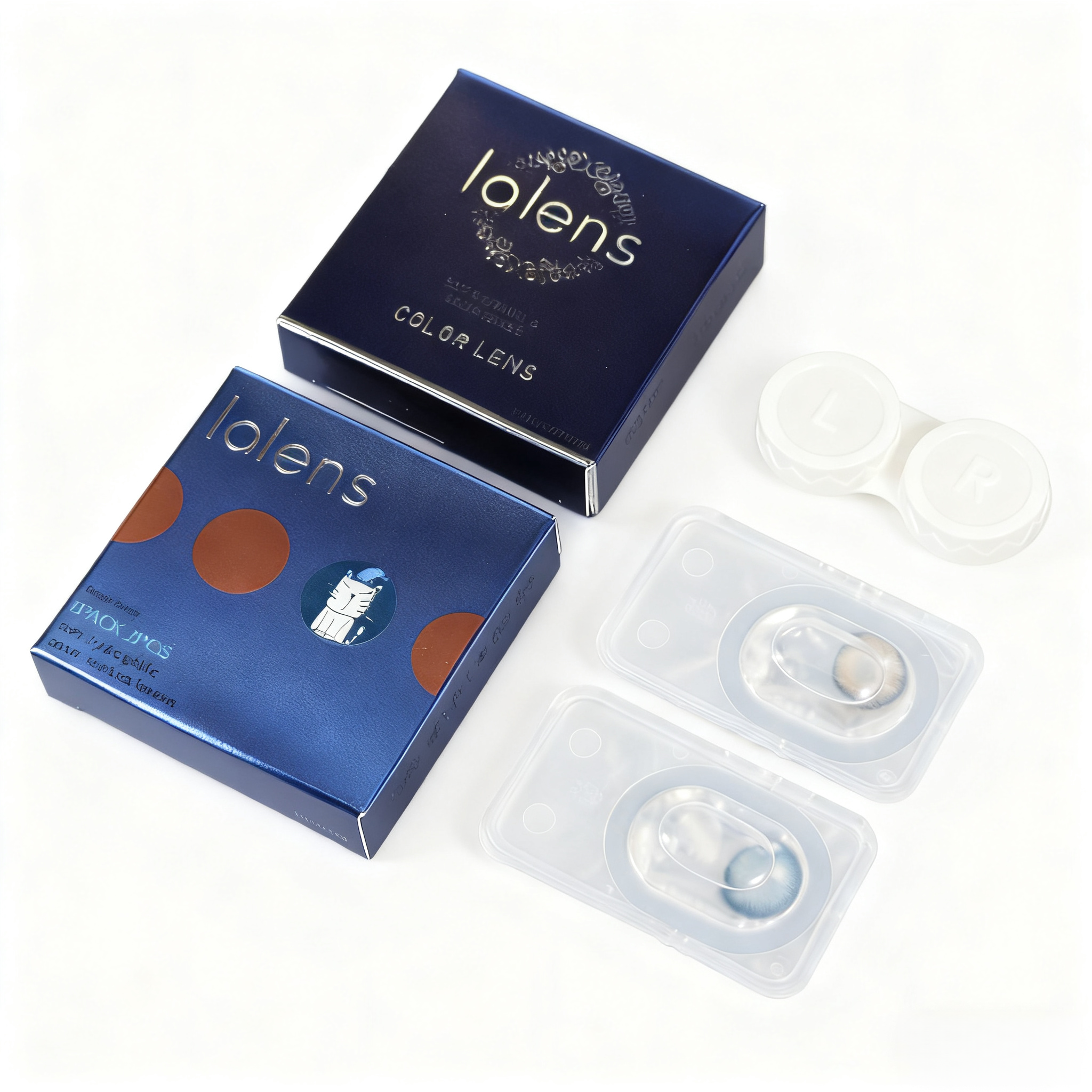
Print: Spot UV, Anti-Scratch Film
Structure: Blister / Vial Precision Fit
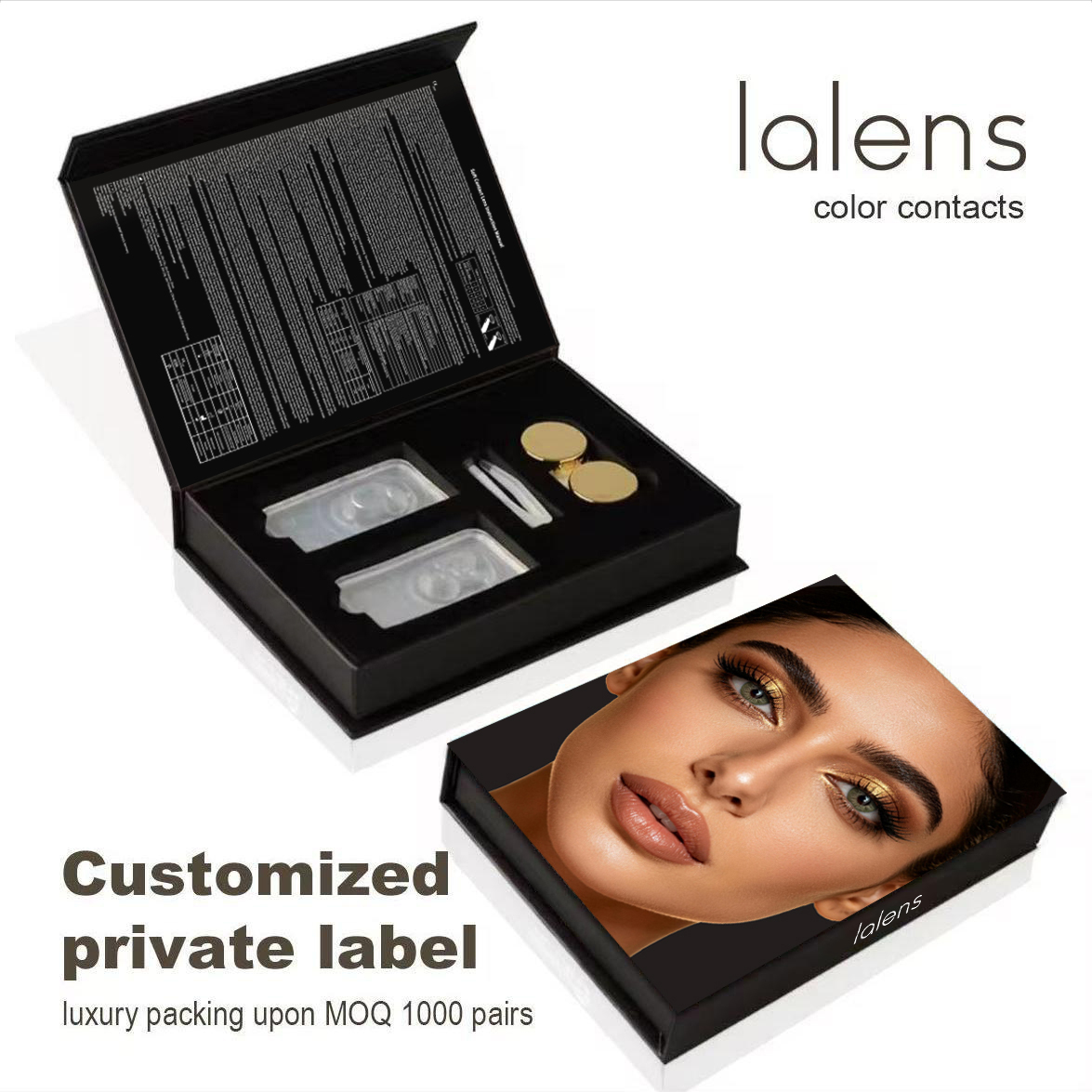
Closure: Dual Magnetic Snap
Application: Premium Annual Lens Set
Base Curve: 8.5mm - 8.7mm
Water Content: 38% - 42% Stable
Industrial Whitepaper: The Strategic Architecture of CE Certified Lens Manufacturing
A technical overview of material safety, physiological compatibility, regulatory compliance frameworks, and global supply chain orchestration for B2B brand owners.
In the contemporary ophthalmic and cosmetic device markets, cosmetic contact lenses (also denominated as decorative, piano, or plano colored contact lenses) have transcended their historical classification as novelty beauty goods. Today, international health authorities, notably the European Medicines Agency (EMA) under the Medical Device Regulation (MDR 2017/745) and the United States Food and Drug Administration (FDA) under 21 CFR Parts 800-1299, classify zero-power decorative lenses strictly as Class IIa or Class II/III medical devices. Sourcing from a verified CE certified cosmetic contact lens manufacturer China factory & suppliers is not merely a commercial pricing choice, but an imperative framework of risk mitigation, product traceability, ocular safety engineering, and sustainable regulatory compliance.
1. Color-Lock Sandwich Printing Technology: Preventing Corneal Epithelial Abrasion
The primary concern in cosmetic lens manufacturing is pigment biocompatibility and bio-barrier isolation. Substandard manufacturing configurations often utilize surface-pad printing, where cosmetic colorants reside on the outer or inner surface of the polymer matrix. When lenses are positioned directly on the pre-corneal tear film, mechanical shear stress induced by blinking (exerting 10 to 15 blinks per minute) rapidly erodes surface colorant. This degradation risks shedding toxic heavy metals—such as copper phthalocyanine, titanium dioxide, iron oxides, or carbon black—directly into the ocular microenvironment, precipitating toxic keratitis, chemical conjunctivitis, and persistent corneal ulceration.
Our clean-room manufacturing facility utilizes advanced automated Full Sandwich (Embedded Pigment Encapsulation) Cast Molding. In this multi-stage sequence, the micro-pigment particles are printed between two discrete layers of liquid hydroxyethyl methacrylate (PolyHEMA) or silicone hydrogel prepolymers prior to thermal or UV polymerization:
- Base Substrate Solidification: The outer optic zone and anterior convex radius are cast with clinical-grade, virgin medical hydrogel.
- High-Resolution Iris Deposition: Precision micro-nozzles apply multi-tone patterns using non-leachable, biocompatible colorants compliant with ISO 10993 standards.
- Hermetic Encapsulation Polymerization: A second layer of prepolymer fully envelopes the printed design, fusing chemically under controlled UV crosslinking to ensure zero pigment exposure to corneal epithelium or palpebral conjunctiva.
- Slit-Lamp and Mechanical Abrasion Verification: Standard batch validation requires lenses to undergo 1,000 sustained mechanical friction strokes in physiological saline without trace pigment release or particulate migration.
Material Biocompatibility
Formulated with medical-grade PolyHEMA and silicone composites, maintaining stable oxygen transmissibility (Dk/t) to support physiological corneal aerobic metabolism over prolonged daily wear cycles.
Edge Geometry Profiling
Cast molding tooling produces ultra-smooth, tapered bevel edge profiles designed to minimize mechanical lid-wiper friction and optimize pre-corneal tear exchange across the blink dynamic.
Dimensional Stability
Uniform shrinkage during polymer hydration ensures consistent base curve radius (BC 8.5–8.7 mm) and total diameter (DIA 14.0–14.5 mm) with zero dioptric aberration or focal displacement.
2. Procurement Forecasting & Global Sourcing Trends
For B2B importers, brand owners, and optometric retail chains, product life-cycle dynamics have altered dramatically. When analyzing international market performance, several major strategic shifts dictate the modern procurement landscape:
Transition from Annual Vials to Daily Disposable Formats: Historically, cosmetic contacts were dominated by yearly replacement vials due to cost economies. However, heightened consumer focus on hygiene has driven a massive surge in Daily Disposable (1-Day) modalities. Single-use blister packs eliminate consumer compliance errors associated with lens cases, chemical multipurpose solutions, and acanthamoeba contamination. Sourcing operations are shifting production lines toward automated polypropylene thermoforming blister packs with medical-grade aluminum peel seals.
Convergence of Correction and Aesthetics (Plano to High Myopia Range): Decorative lenses are no longer exclusively purchased by emmetropic consumers. Global supply contracts increasingly demand comprehensive diopter coverage, spanning plano (0.00) down to -10.00D in precise 0.25D or 0.50D increments. Factories must integrate high-precision wavefront aberrometers to verify cosmetic print alignment relative to the functional optical zone across variable refractive corrections.
Integrated Cosmetic Ecosystems: Progressive beauty conglomerates increasingly procure cosmetic lenses alongside high-precision aesthetic lashes and coordinated rigid retail display packaging. Combining color lenses, magnetic or clear-band false lashes, and premium retail box structures creates cohesive brand offerings that maximize customer lifetime value (LTV) and retail shelf presence.
3. Future Trajectories in Cosmetic Hydrogel Engineering
Emerging research and development at our facility focus on the intersection of biomaterials science and cosmetic elegance. Third-generation silicone hydrogel substrates (SiHy) are being refined to lower modulus values while boosting pure oxygen permeability (Dk > 80 barrer). This advancement mitigates the ocular hypoxia and limbal hyperemia traditionally associated with extended wear of colored lenses.
Furthermore, digital light processing (DLP) iris modeling enables hyper-realistic dimensional depths. Instead of flat, visible dot matrices, micro-pixel stratification mimics the natural architecture of human stromal fibers, crypts of Fuchs, and pupillary ruffs. This delivers an organic visual transition that blends seamlessly with dark, medium, and light natural eye colors alike.
Enterprise Strengths & Manufacturing Infrastructure
Operating within ISO 13485:2016 and Good Manufacturing Practice (GMP) compliant facilities, our Shenzhen hub delivers dependable contract manufacturing capacity.
Class 100,000 Clean Rooms
Automated molding, cast polymer hydration, laser visual inspection, and thermal autoclave sterilization are executed in continuously monitored positive-pressure clean rooms, ensuring absolute particulate and bioburden control.
Turnkey OEM & ODM Private Label
From initial iris graphic design and blister artwork engineering to regulatory dossier preparation (Technical Files, Declaration of Conformity, Material Safety Data Sheets), we manage the entire production pipeline under your corporate imprint.
Traceable Lot Verification
Every blister pack and packaging box features discrete lot numbering, automated expiration dating, and barcode indexing, guaranteeing full batch genealogy from liquid monomer synthesis to final port delivery.
Frequently Asked Questions (FAQ) for Global Buyers
Direct answers concerning regulatory classification, manufacturing minimums, private labeling logistics, and international customs clearance.
How does CE certification validate the safety of cosmetic contact lenses?
What are the typical Minimum Order Quantities (MOQ) for custom private label packaging?
Can cosmetic contact lenses be imported into the US and European markets without medical device registration?
What parameters and water content options are available for contract manufacturing?
What quality assurance measures prevent lot-to-lot color variation?
Ready to Launch or Expand Your Contact Lens Brand?
Partner with a verified Chinese manufacturer offering ISO 13485 clean-room operations, CE documentation, and dedicated OEM/ODM design services. Connect with our engineering and project management team today.
Send an Inquiry