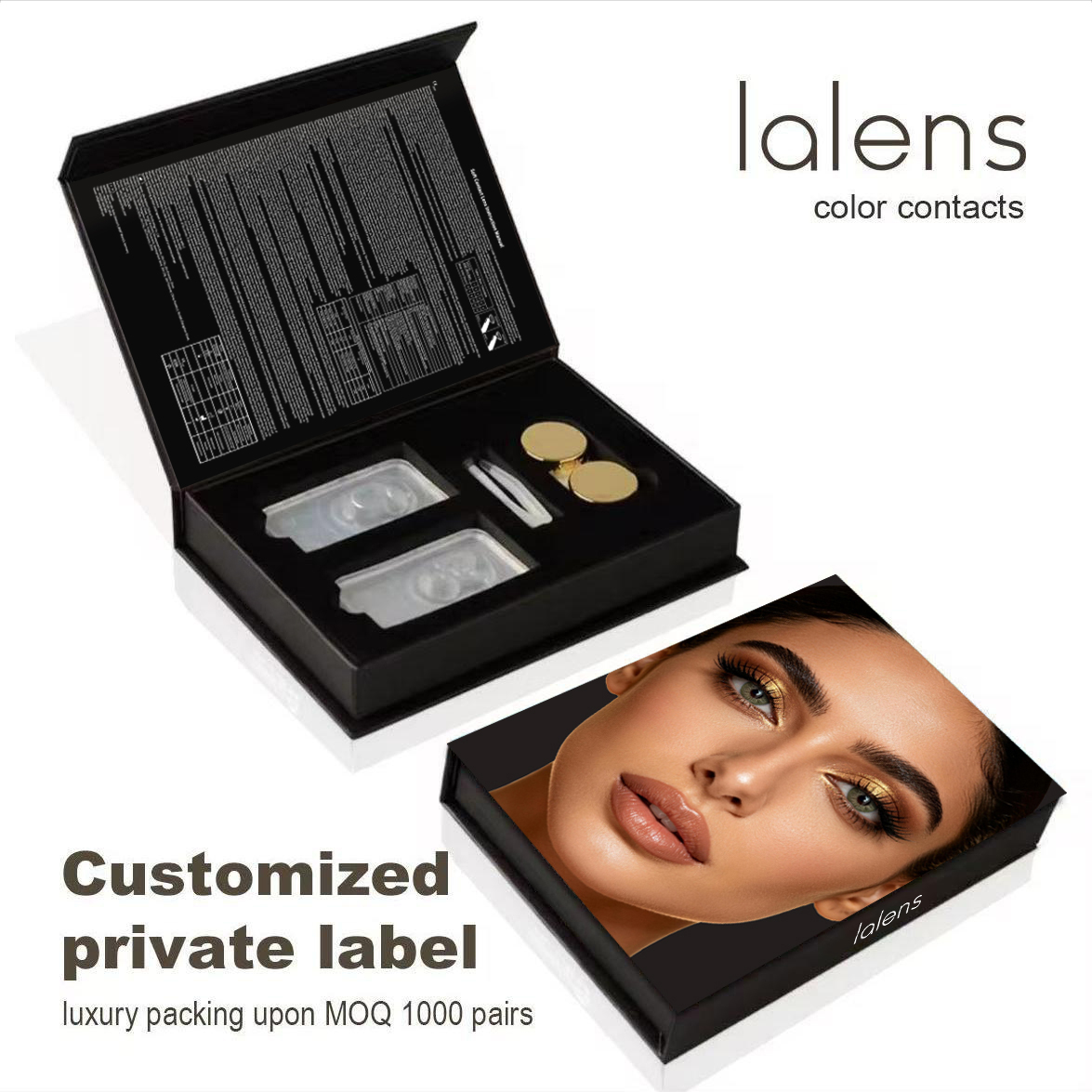
Custom Logo Contact Lens Packaging Rigid Paperboard Square Box
Structural luxury rigid paperboard presentation box for boutique private label cosmetic lens brands with gold-foil stamping and blister thermoform fitment.
Contact UsManufactured under Grade 100,000 cleanroom environments. Providing end-to-end private label packaging solutions, corrective prescription lenses, and seasonal cosplay/beauty lines ready for international regulatory submission.
Structural luxury rigid paperboard presentation box for boutique private label cosmetic lens brands with gold-foil stamping and blister thermoform fitment.
Contact Us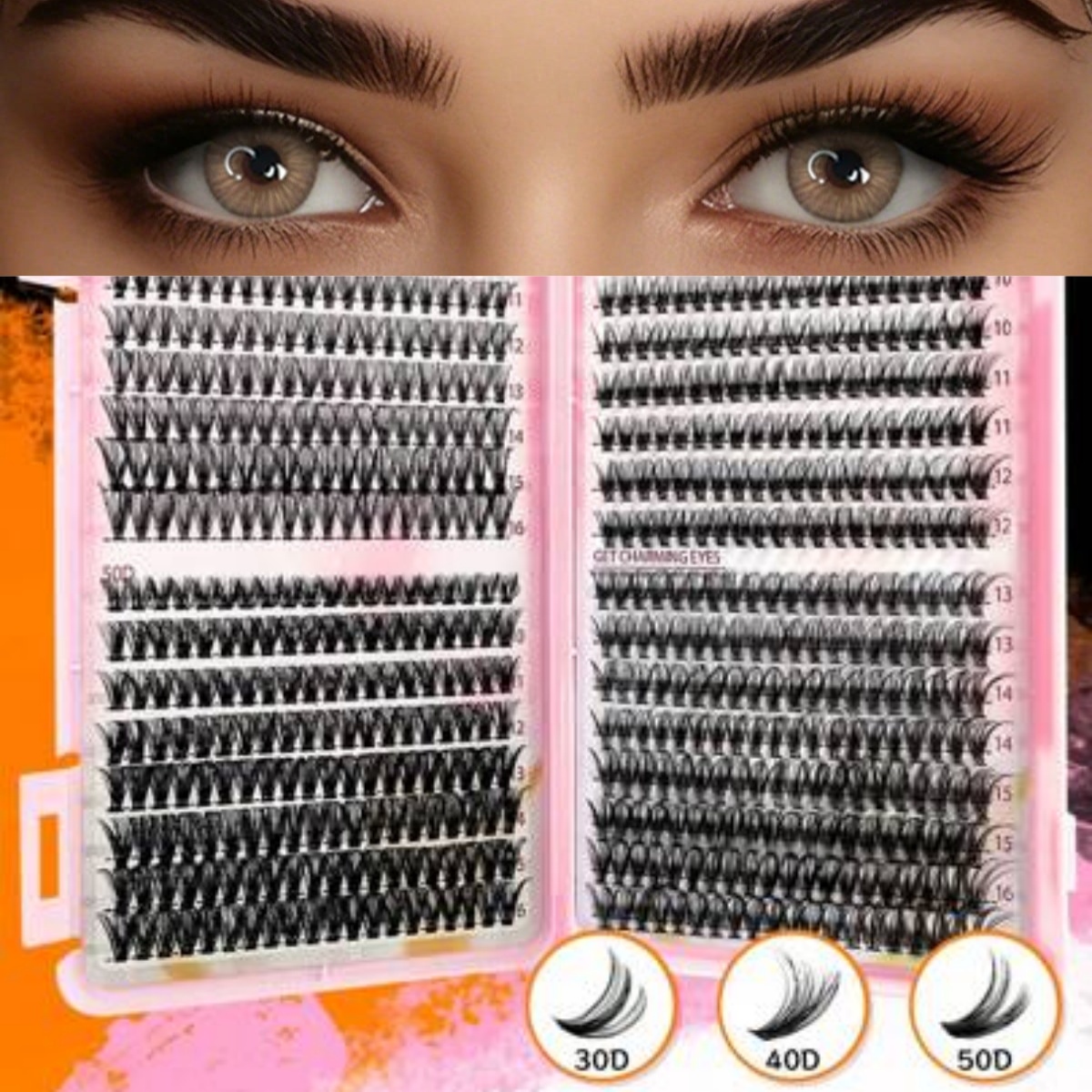
Ultra-light clear band synthetic lashes configured for cosmetic bundling, retail counter displays, and companion kits with soft cosmetic contact lenses.
Contact Us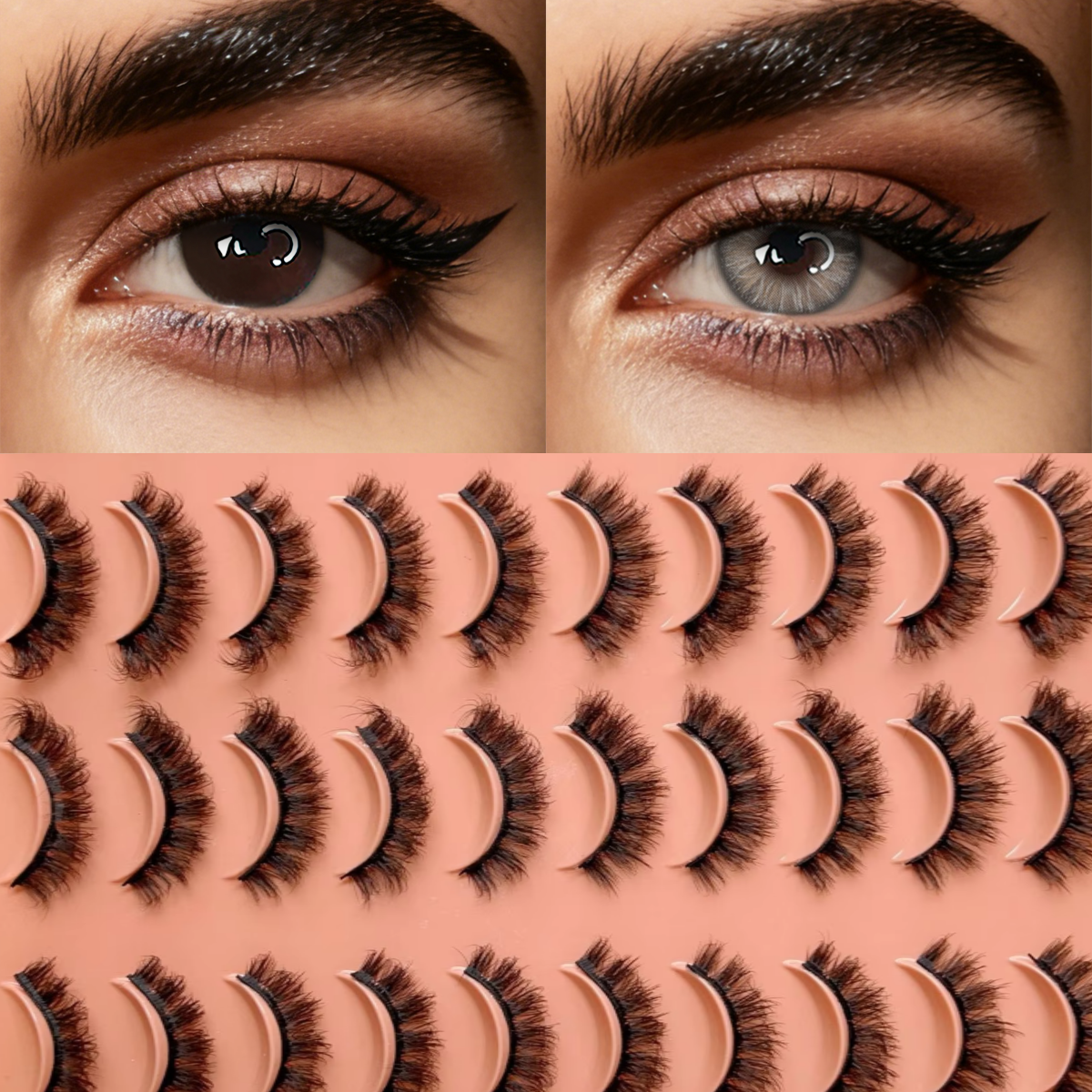
High-density volume multi-pair retail trays optimized for cross-border e-commerce distributors seeking high margin add-ons to ocular beauty lines.
Contact Us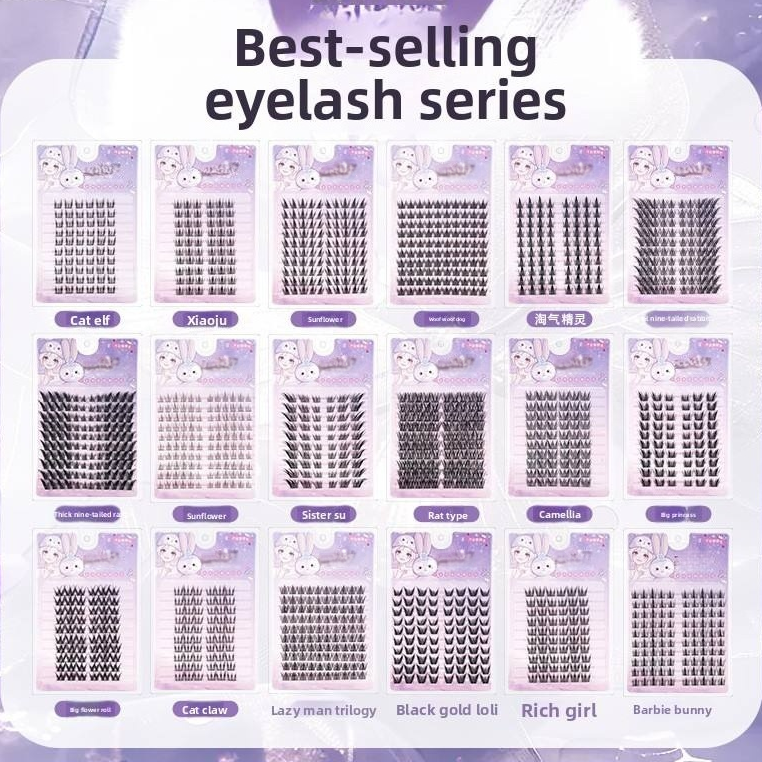
Pre-bonded, pressure-sensitive adhesive lower and upper lashes built for rapid cosmetic wear, preventing chemical eye irritation near contact optics.
Contact Us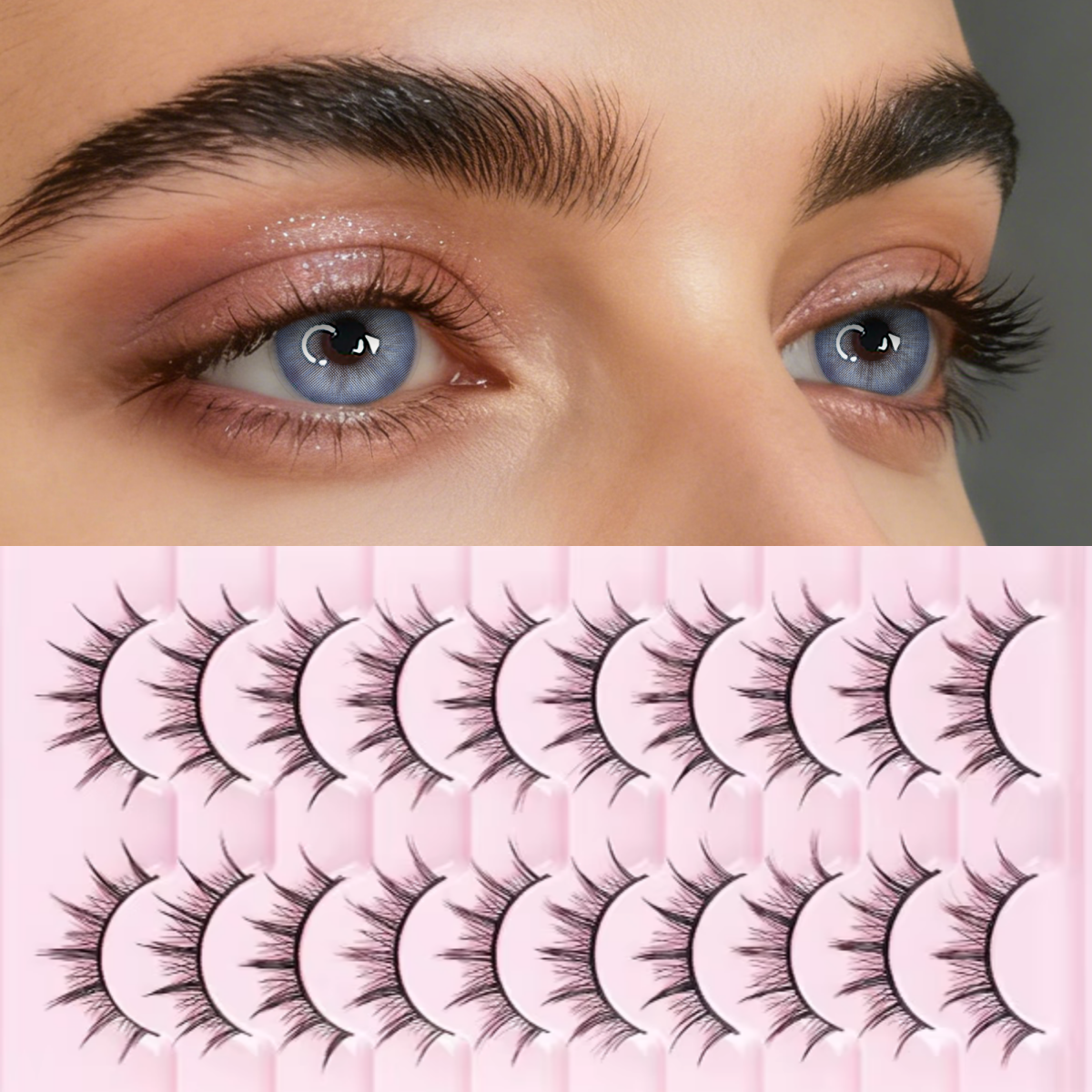
Pointed structural stems engineered to accentuate theatrical lenses, anime conventions, and Halloween aesthetic packaging collections.
Contact Us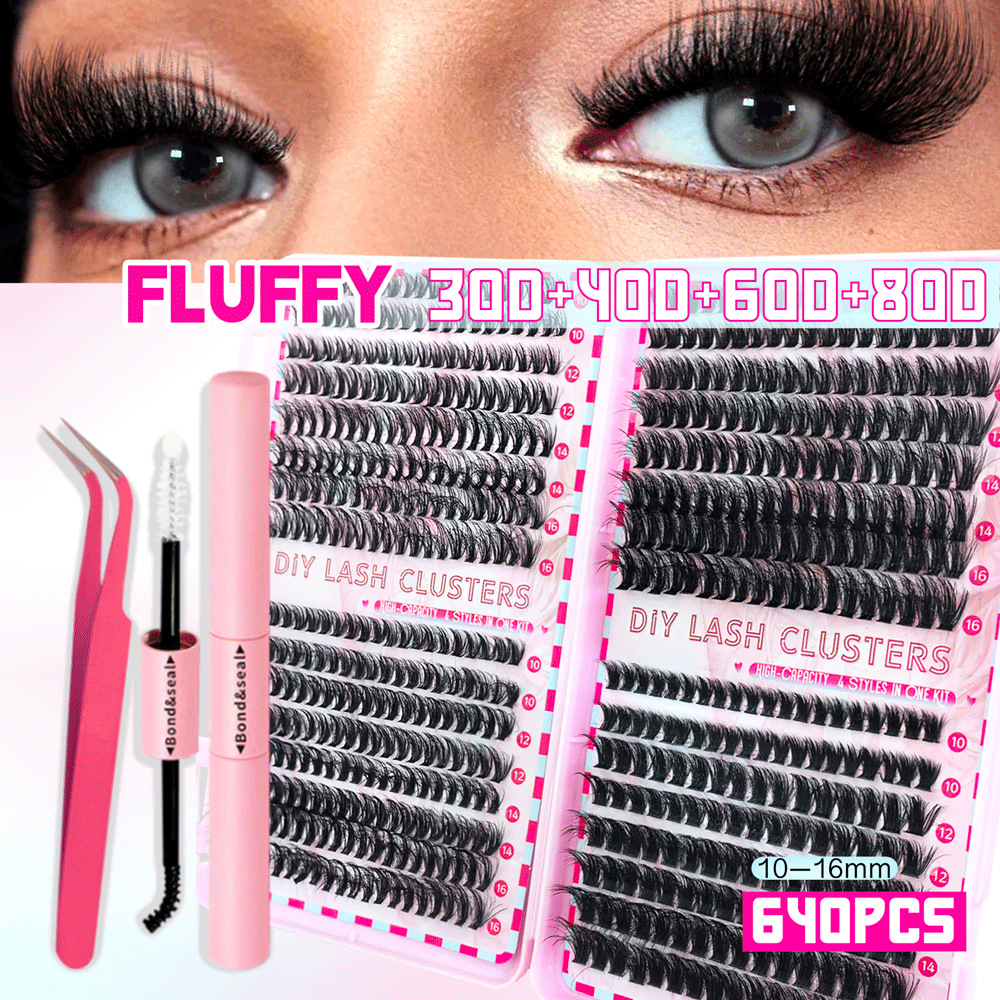
High-capacity lash matrix for professional aesthetic studios, lash bars, and cross-merchandising optical retailers targeting combined eye-styling kits.
Contact Us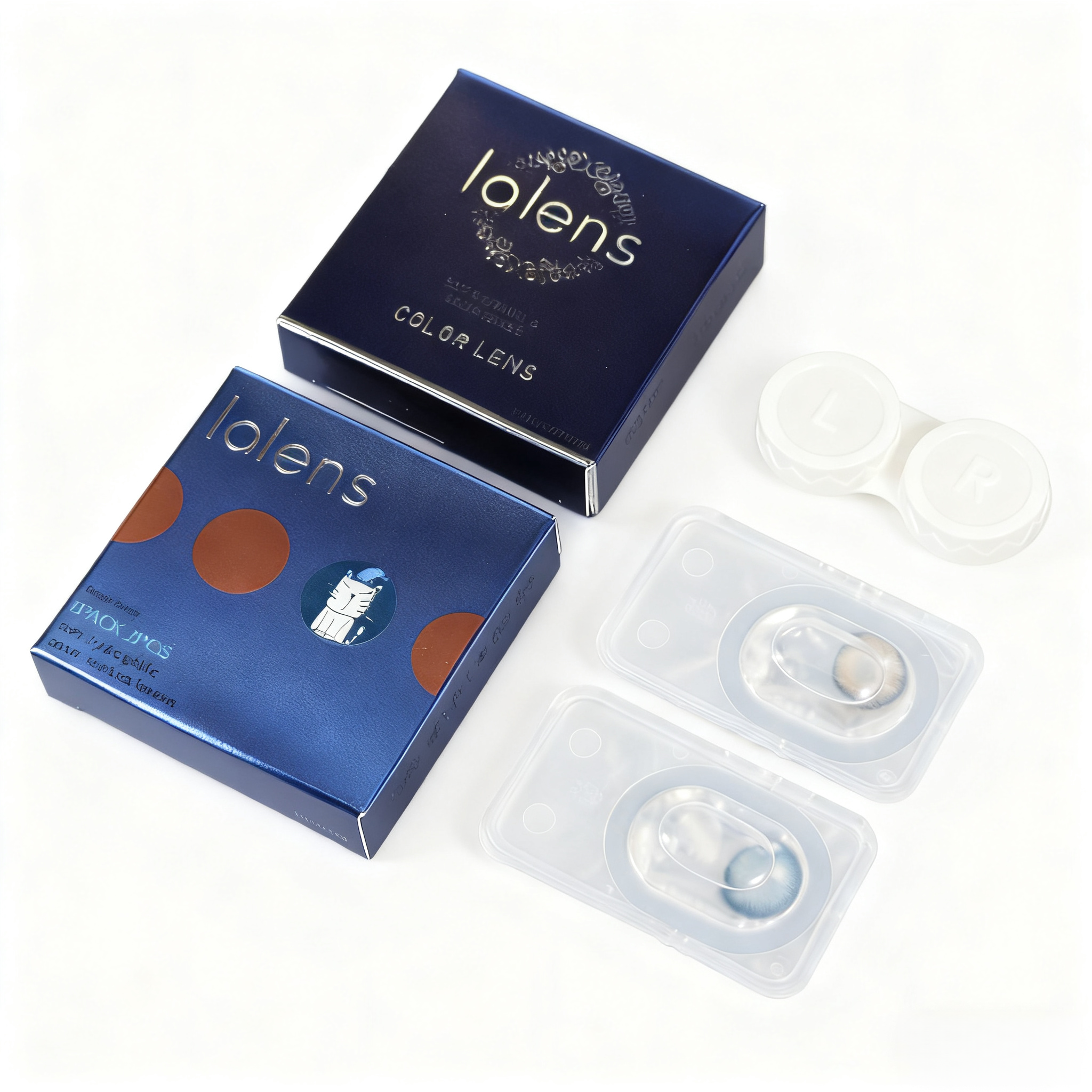
Fully compliant folding paperboard packaging with integrated tamper-evident seals, braille embossing, and batch/expiry serialization coding areas.
Contact UsLaunch your custom iris pattern. 38% to 55% water content HEMA hydrogel, CE/ISO certification dossier, customized blister solutions, and rapid air export.
Contact UsIn accordance with Google E-E-A-T and global healthcare directives, our manufacturing facilities adhere strictly to Class II/Class III medical device regulations.
A primary point of commercial failure and regulatory non-compliance among non-certified contact lens manufacturers is pigment leakage onto the human corneal epithelium. At Lalens Factory (Shenzhen Lalens Co., Ltd), our automated cast-molding workflow incorporates molecular-level Sandwich Printing Technology. Organic and inorganic bio-compatible color pigments (phthalocyanines, iron oxides, and titanium dioxide) are encapsulated cleanly between two micro-thin hydrogel matrices (Poly-HEMA or cross-linked silicone polymers). At no stage during wear does ocular surface tissue make physical or chemical contact with dye matrices, completely eradicating cytotoxicity and abrasive keratitis risks.
| Evaluation Parameter | Technical Specification | Clinical / Regulatory Benchmark |
|---|---|---|
| Oxygen Permeability (Dk/t) | 18.5 – 32.0 × 10⁻⁹ (HEMA) / Up to 110 (Si-Hy) | ISO 18369-4 / Prevents corneal hypoxia edema |
| Base Curve (BC) Tolerance | 8.60 mm (±0.03 mm precision) | ISO 18369-3 Corneal topography match |
| Diameter (DIA) Range | 14.0 mm – 14.5 mm (Cosmetic standard) | Stable limbal ring coverage without decentration |
| Water Content Variation | 38% (High resilience) to 55% (Daily comfort) | Equilibrium water content (EWC) test standard |
| Pigment Leaching | Zero elution detected via UV-Vis Spectrometry | CE Annex II, ISO 10993 Biological Evaluation |
Production continuity is maintained inside our verified ISO 13485 Class 100,000 cleanrooms. From primary monomer injection into precision-tooled steel and brass molds, through thermal/UV photopolymerization, hydration equilibrium, and physiological saline equilibrium (pH 7.2 - 7.4), every lens is tracked via digital MES systems. Post-sealing inside pharmaceutical-grade PP blisters or glass vials with medical aluminum caps, lots undergo terminal moist-heat steam autoclave sterilization (121°C for 20 minutes) exceeding an Sterility Assurance Level (SAL) of 10⁻⁶.
Forward-looking market analysis for supply chain directors, brand managers, and B2B medical purchasers.
Global demand is rapidly migrating from traditional yearly-use 38% HEMA materials toward high-Dk silicone-hydrogel daily and monthly disposables. Discerning consumers demand long-wear oxygen transducibility along with vivid color rendition, driving brands to reformulate their core SKUs.
Theatrical, Halloween, and anime SFX lenses represent high-velocity revenue peaks in Q3 and Q4. Institutional buyers now secure factory capacity between April and July to account for international ocean transits, DDP customs clearance, and early warehouse staging.
Regulatory authorities, including the US FDA and EU MDR, strictly mandate Unique Device Identification (UDI), batch coding, and compliant English user instruction leaflets (IFUs). Turnkey packaging suppliers must provide serialized data matrix support on cartons and primary foils.
Combining industrial scale, bespoke artisan design capability, and strict regulatory stewardship under one roof.
We supply authenticated CE certificates, ISO 13485:2016 quality management records, technical design files (STED), biocompatibility reports (ISO 10993 cytotoxicity, irritation, sensitization), and complete stability testing documentation for your customs registration.
Our in-house design studio releases multi-tone, natural blend, limbal enhancement, and FX costume patterns every quarter. Brands can license ready-to-mold patterns immediately or commission exclusive pantone-matched color distributions for market differentiation.
From individual sterile blister packs and glass vials to rigid presentation cartons, multi-pack magnetic boxes, and companion lash sets, our packaging facilities print, foil, assemble, and shrink-wrap retail-ready units under strict cleanroom conditions.
Essential clarifications regarding MOQs, regulatory boundaries, testing, and supply chain timelines.
Speak directly with our senior OEM optical engineers and compliance specialists. Request wear-test samples, certified test files, and competitive volume tier quotations.
Contact Us