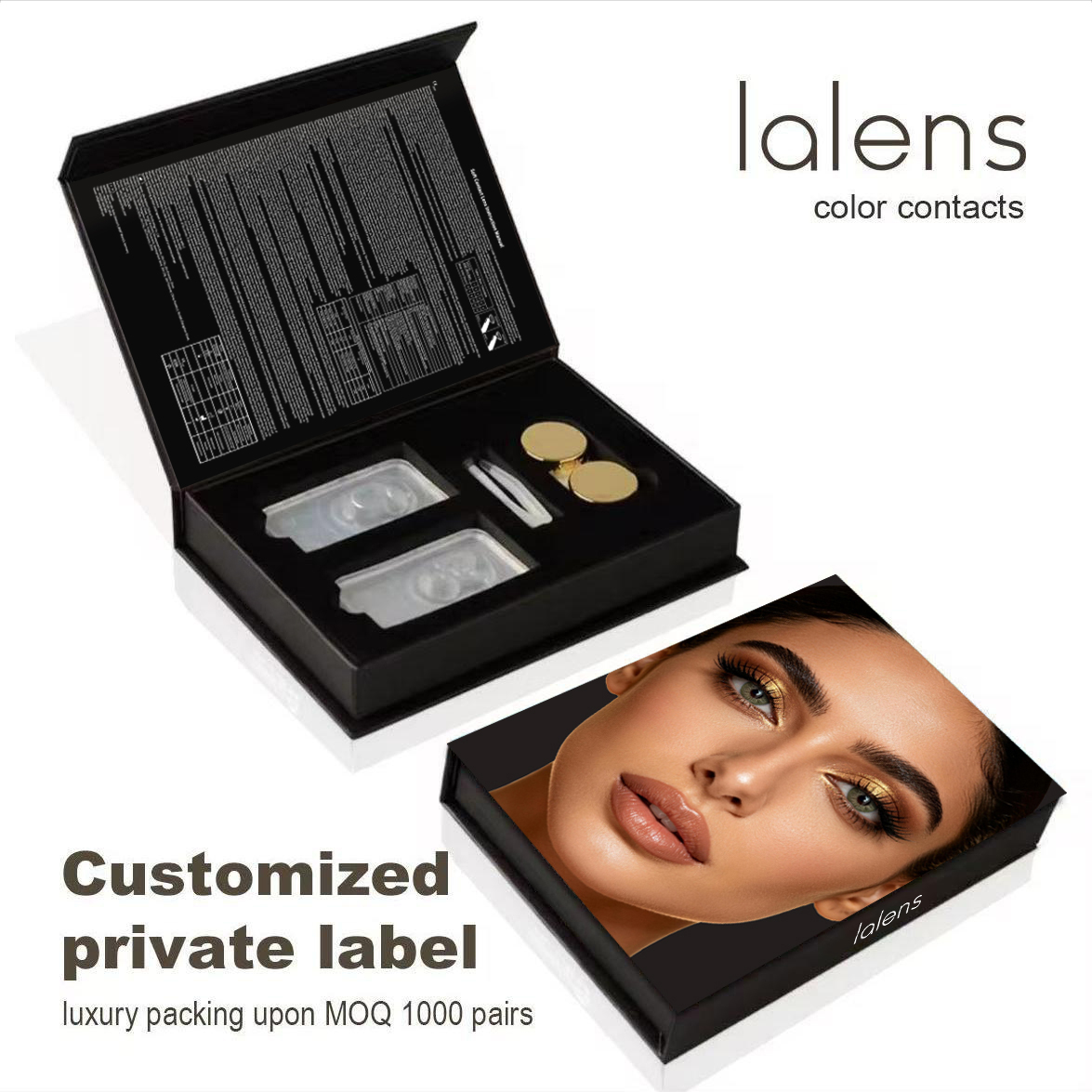
Custom Logo Contact Lens Packaging Rigid Paperboard Square Box
Structural cardboard secondary packaging engineered for high-end cosmetic lenses with magnetic closure and hot-stamped foil finishes.
Explore our export-certified medical packaging, specialized ocular consumables, and false eyelash extensions produced within our multi-tier GMP-compliant cleanrooms. Every batch is manufactured with full lot traceability, high biocompatibility, and rapid custom branding capabilities.
Structural cardboard secondary packaging engineered for high-end cosmetic lenses with magnetic closure and hot-stamped foil finishes.
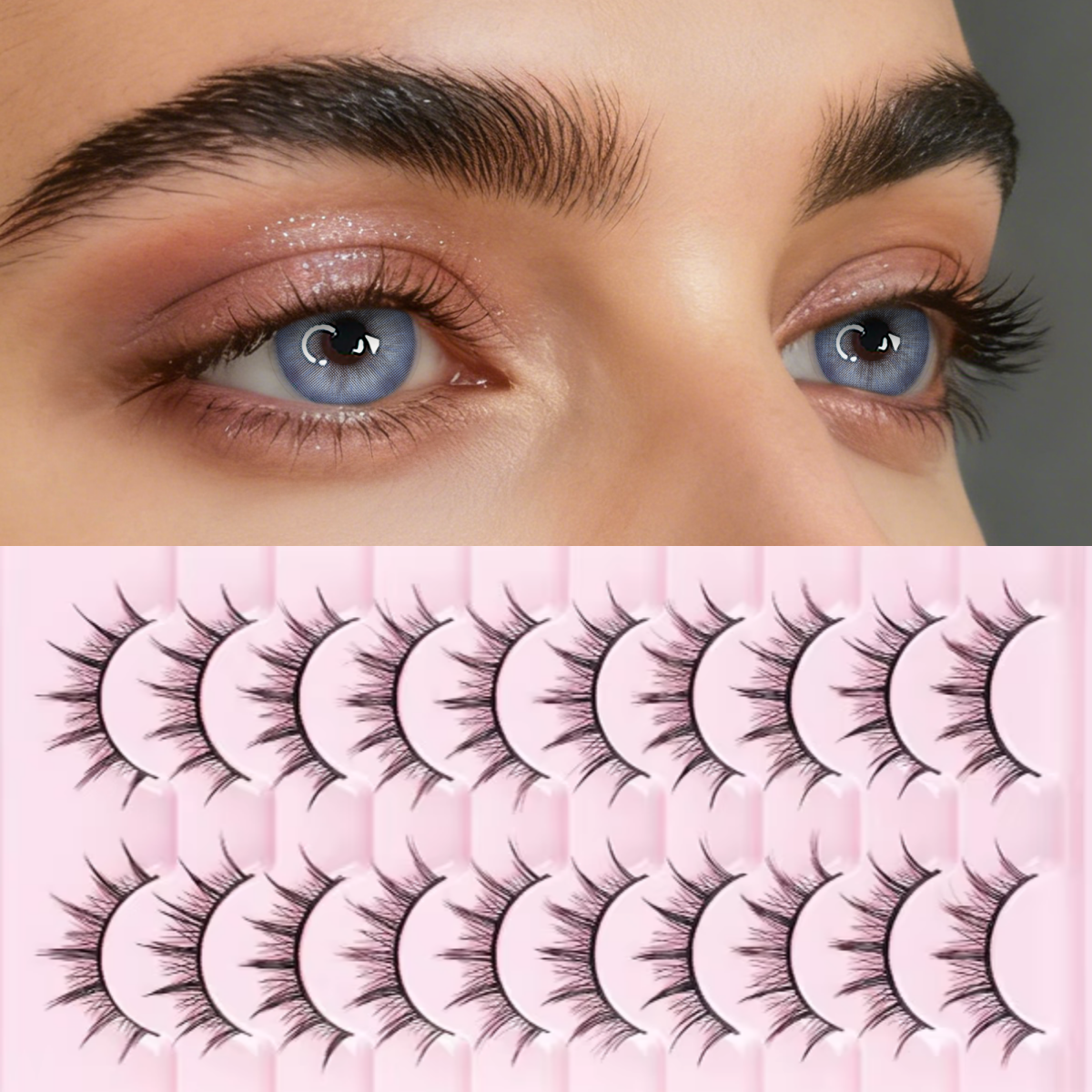
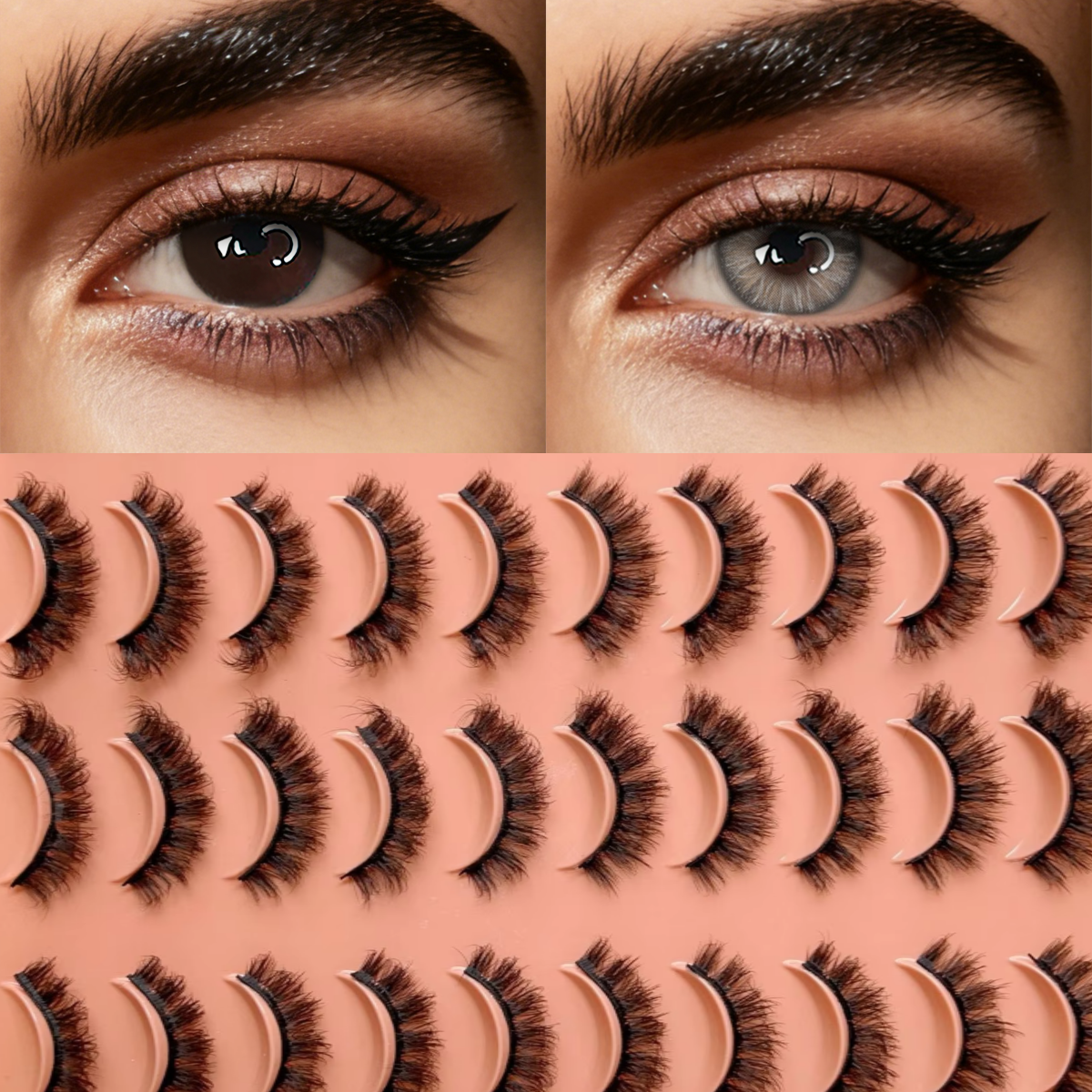
Ultra-lightweight synthetic PBT fiber lashes with a transparent polymer band, designed to complement cosmetic lens aesthetics seamlessly.
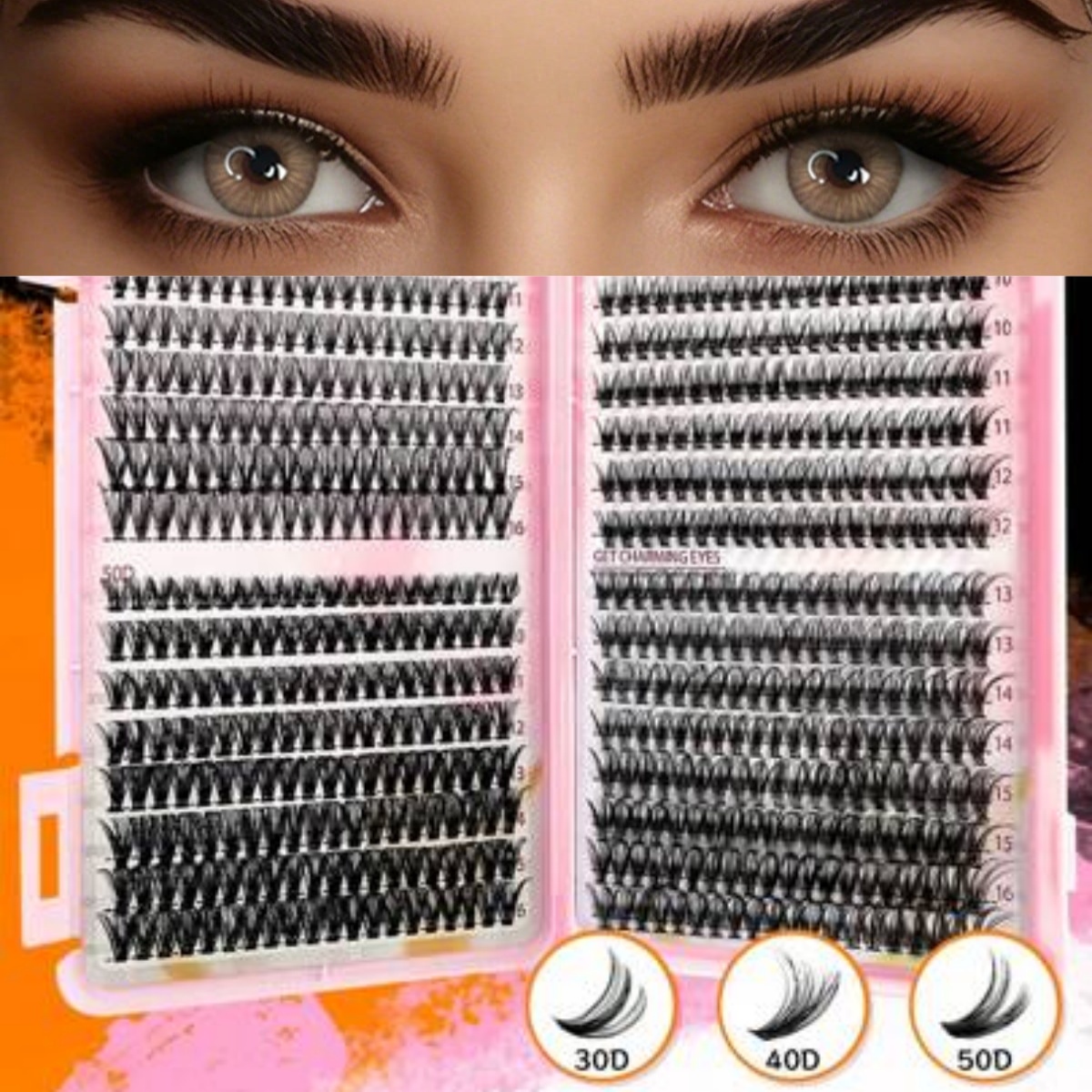
Dense 32-row high-capacity salon extension trays with deep black stems, optimized for cross-border beauty e-commerce distributors.
Medical-grade printed carton stock calibrated for multi-pack blister strips with tamper-evident tuck closures and UDI barcoding zones.
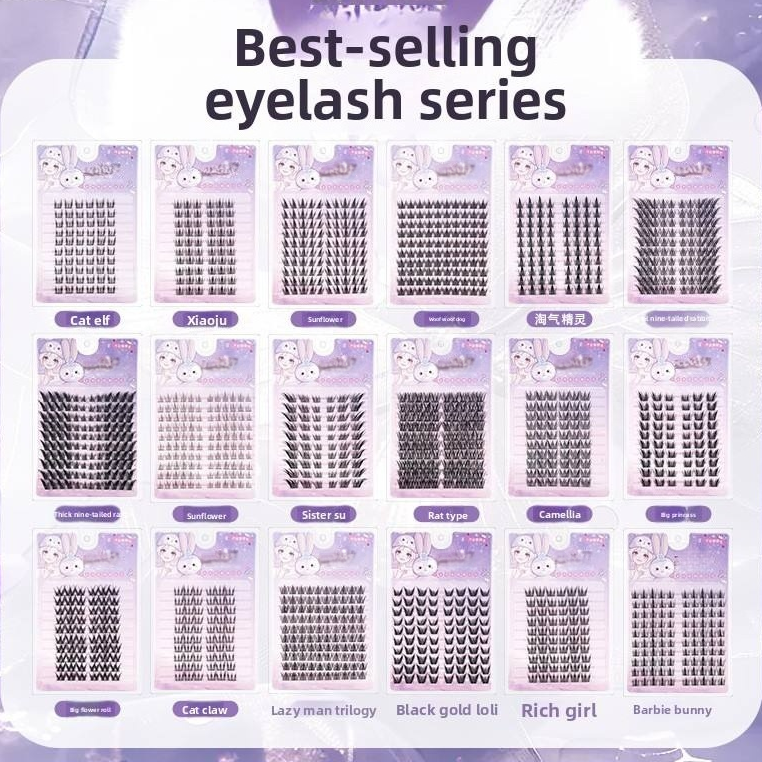
Specialized spiky anime-style clusters developed to accent large-diameter cosmetic and cosplay contact lenses in high-def photography.
Pressure-activated self-adhesive lash bands minimizing irritation for soft contact lens wearers sensitive to traditional cyanoacrylate adhesives.
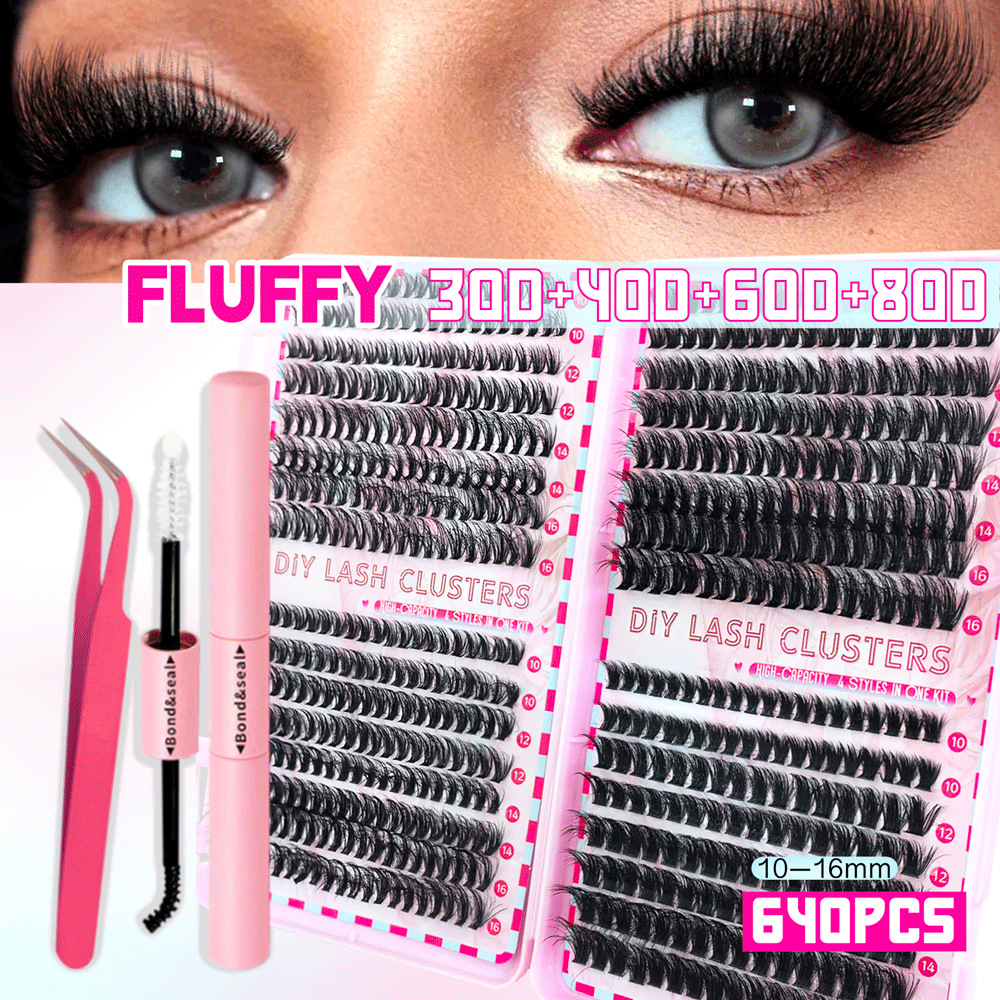
Dense 3D/6D dimensioned fiber clusters offering dramatic volume, engineered for cross-border beauty brands catering to Western retail chains.
Full-scale turnkey contact lens foundry service: HEMA/PolyHEMA or Silicone Hydrogel formulations, plano to -10.00D corrective range, 500+ iris dies.
Procuring soft cosmetic and corrective contact lenses at scale requires unyielding adherence to medical device tolerances. Unlike generic beauty commodities, an ocular lens rests directly upon the precorneal tear film, interacting continuously with the corneal epithelium, the palpebral conjunctiva, and the limbal stem cell niche. As an authoritative China contact lens manufacturer and global exporter, our facility operates strictly under the governance of ISO 13485:2016 quality management systems, executing full-process automation across precision tooling, monomer polymerization, automated demolding, hydration, optical mapping, and terminal moist-heat sterilization.
At the epicenter of our competitive edge is our proprietary Color-Lock Micro-Sandwich Polymerization architecture. Historically, primitive colored lens manufacturers utilized surface pad-printing methods, leaving inorganic cosmetic pigments exposed directly to ocular tissue. Such methods accelerate corneal micro-abrasion, pigment leadoff, and microbial colonization. Our cleanrooms employ an automated dual-side cast-molding sequence: an initial optical-grade clear hydrogel boundary layer is formed, followed by high-resolution pad or digital ink placement of bio-inert mineral pigments (such as iron oxides, titanium dioxide, and phthalocyanine blues), encapsulated immediately by an identical polymer layer before photopolymerization. The pigment is physically locked within the structural 3D hydrogel matrix, guaranteeing zero direct corneal contact while preserving uncompromised oxygen transmission across the entire optic zone.
Single-use optical grade quartz and polyolefin master tooling ensures micron-accurate spherical and toric curvature replication with 0.001mm edge contour consistency.
Monitored saline hydration wash removes unreacted monomers down to zero detectable residual limits, stabilizing dimensional base curves between 8.5mm and 8.7mm.
Hermetically sealed polypropylene blister packages undergo EN 556-1 validated 121°C moist-heat autoclave steam sterilization, guaranteeing a Sterility Assurance Level (SAL) of 10⁻⁶.
The global contact lens landscape is undergoing an aggressive technological paradigm shift. The convergence of corrective ophthalmology and cosmetic fashion has redefined consumer expectations: buyers no longer trade comfort for vibrant iris aesthetics. Our R&D center in Shenzhen, in partnership with advanced biomaterial laboratories, is executing the following progressive material enhancements across our OEM pipelines:
Transitioning beyond conventional 2-HEMA toward high-Dk fluorosilicone formulations that increase oxygen transmissibility from standard 15–25 Dk/t up to 85–110 Dk/t. This eliminates peripheral corneal hypoxia during extended 14-hour daily wear cycles while resisting cosmetic lipid deposits.
Integrating monomer-bound UV absorbing compounds offering Class 1 UV protection (>90% UVA, >99% UVB) alongside selective 415–455nm High-Energy Visible (HEV) blue-light blocking additives, safeguarding macular integrity against digital device emissions without altering natural color perception.
Developing algorithmic, variable-density dot matrix arrays mimicking the natural trabecular meshwork and collarette of human irises. Multi-tone gradient boundaries seamlessly adapt to both light Caucasian and deeply pigmented Asian/African irises, preventing the unnatural "flat ring" effect common in legacy color prints.
For brand directors, retail category managers, and private-label distributors in the United States, European Union, and Southeast Asia, procuring contact lenses requires navigating strict regulatory gatekeeping, evolving SKU cadences, and volatile freight dynamics. The following structural shifts dictate purchasing strategy for forward-looking brand portfolios:
While monthly and annual replacement modalities continue to dominate price-conscious volume corridors, premium brand growth is overwhelmingly driven by 1-Day Single-Use blister packs. Driven by ophthalmic hygiene consensus, daily lenses eliminate the compliance risks associated with lens cases and preservative solutions, yielding recurring high-margin replenishment subscription models.
Traditional 6-month product release cycles have collapsed. Cross-border e-commerce brands demand agile OEM platforms capable of launching limited-edition seasonal palettes (Halloween FX, festival pastels, bridal naturals) with compressed turnaround times. Our factory provides modular printing dies and localized FSC packaging pipelines that shorten production from 90 days down to 25–35 days.
The regulatory boundary between cosmetic (plano) and corrective (prescription) lenses has completely dissolved in primary markets. The US FDA enforces Class II medical device requirements across all decorative contacts under the FTC Contact Lens Rule, mandating 510(k) clearance and Unique Device Identification (UDI). EU MDR 2017/745 Annex XVI specifically categorizes non-corrective contact lenses under full medical device oversight. Sourcing from non-certified trading houses introduces terminal port-of-entry seizure risks.
Rooted in Shenzhen's precision manufacturing corridor, Shenzhen Lalens Co., Ltd operates not as an opportunistic trading intermediary, but as an integrated, dedicated contract research and manufacturing organization (CDMO). Over 16 continuous operational years, we have scaled an agile production ecosystem purpose-built to solve the primary friction points of international lens importers: color fidelity inconsistency, regulatory documentary failure, and elongated communication lag.
Dedicated multinational project leaders working overlapping shifts aligned with US Eastern, Central, and Pacific business hours for rapid technical turnaround.
Full technical files readily accessible: ISO 10993 cytotoxicity, ocular irritation assays, stability data, and bilingual English primary/secondary artwork compliance.
Over 500 proprietary print dies maintained under spectrophotometric variance thresholds (ΔE < 0.8), ensuring seamless batch-to-batch visual consistency.
Full cross-merchandising manufacturing integration: pair soft cosmetic contacts with branded rigid boxes and handcrafted false eyelashes under one consolidated export manifest.
Essential regulatory, technical, logistical, and commercial parameters compiled directly by our engineering and export compliance divisions.
Yes, absolutely. In the United States, the Food and Drug Administration (FDA) regulates all contact lenses—regardless of whether they correct refractive vision errors or serve strictly cosmetic, Halloween, or novelty purposes—as Class II medical devices. Under the Federal Food, Drug, and Cosmetic Act and the FTC Contact Lens Rule, they cannot be legally marketed or sold over-the-counter without a prescription verification system in place. Similarly, in the European Union, under MDR 2017/745 Annex XVI, non-corrective decorative lenses are brought under the identical medical device regulatory scope as prescription lenses. Our factory manufactures all lenses strictly within CE and ISO 13485 audited cleanroom facilities, providing our clients with the requisite device listings, technical design files, and validated packaging statements ("Rx Only", UDI barcoding, sterile barrier markings) to ensure seamless importation.
We utilize an advanced Color-Lock Sandwich Casting Technique. Unlike low-cost producers who stamp pigments directly onto the external or posterior surfaces of fully molded lenses, our automated robotic lines deposit medical-grade pigments (tested under ISO 10993 cytotoxicity and biological evaluation standards) between dual monomer hydrogel layers prior to polymerization. Upon UV and thermal cure cycles, the color particles become permanently encapsulated inside the cross-linked poly-HEMA or silicone-hydrogel polymer matrix. The anterior and posterior outer surfaces remain pristine, perfectly smooth, optical-grade hydrogel with zero direct pigment contact with the corneal epithelium or tarsal conjunctiva.
Our MOQ structure is tiered to support both rapid market testing and scaled brand rollouts:
1. Stock Catalog Patterns: For existing designs in our inventory of 500+ proven color patterns (vial or standard blister format), our MOQ starts at just 50 to 100 pairs per SKU/color, enabling brands to curate expansive seasonal collections with minimal capital exposure.
2. Custom Private Label OEM: For fully customized projects involving bespoke secondary cardboard packaging, customized blister foil artwork, and specific diopter assortments (plano 0.00 to -10.00D), the MOQ typically begins at 500 to 1,000 pairs per design. Bespoke iris pattern etching and exclusive dye formulation tooling can be provisioned for dedicated production runs starting at 5,000 pairs.
Our standard production tooling supports the following baseline parameters, optimized for universal anatomical fit:
• Base Curve (BC): 8.50mm to 8.70mm (Standard: 8.60mm, covering >90% of global corneal geometries).
• Total Diameter (DIA): 14.0mm, 14.2mm, and 14.5mm (natural enhancement) up to 14.8mm–15.0mm (cosplay/circle dolly effect).
• Water Content: 38% to 42% (optimal for yearly and monthly wear to prevent lens dehydration in air-conditioned environments) and 55% to 58% (for daily disposable formats).
• Core Materials: Poly-HEMA (Hydroxyethyl methacrylate), NVP co-polymers, and advanced third-generation Silicone Hydrogel formulations.
• Power Matrix: Plano (0.00) for purely cosmetic use, and -0.50D to -10.00D in 0.25D / 0.50D increments for corrective cosmetic lines.
Sample wear-testing kits with pre-selected color sets ship within 24 to 48 hours via express air couriers (DHL, FedEx, UPS) and typically reach North American and European corporate offices in 5 to 8 business days. For bulk production orders: stock catalog fulfillment requires approximately 10 to 15 business days; full private-label manufacturing runs (including primary blister heat-sealing, secondary box structural printing, and terminal autoclave validation) require 25 to 35 business days following final artwork sign-off. Bulk oceanic container shipments require an additional 18 to 28 days transit time, while air freight consolidations arrive within 7 to 10 days.
Yes. As demonstrated in our product portfolio, we operate a specialized cross-category packaging and ocular beauty division. Many of our premier beauty clients optimize freight and tariff overhead by consolidating primary soft contact lens blister packs alongside custom-printed rigid paperboard boxes, cosmetic cases, applicators, and complementary synthetic false eyelashes. Our logistics group prepares unified commercial invoices, Certificate of Origin documents, packing lists, and Harmonized System (HS) code schedules ensuring unhindered clearance through international customs checkpoints.