Precision Contact Lens Series & Bespoke Packaging Systems
Engineered for high-volume distributors, DTC optical labels, and salon cosmetics retailers. Fully compliant with international medical device standards and US FDA import mandates.
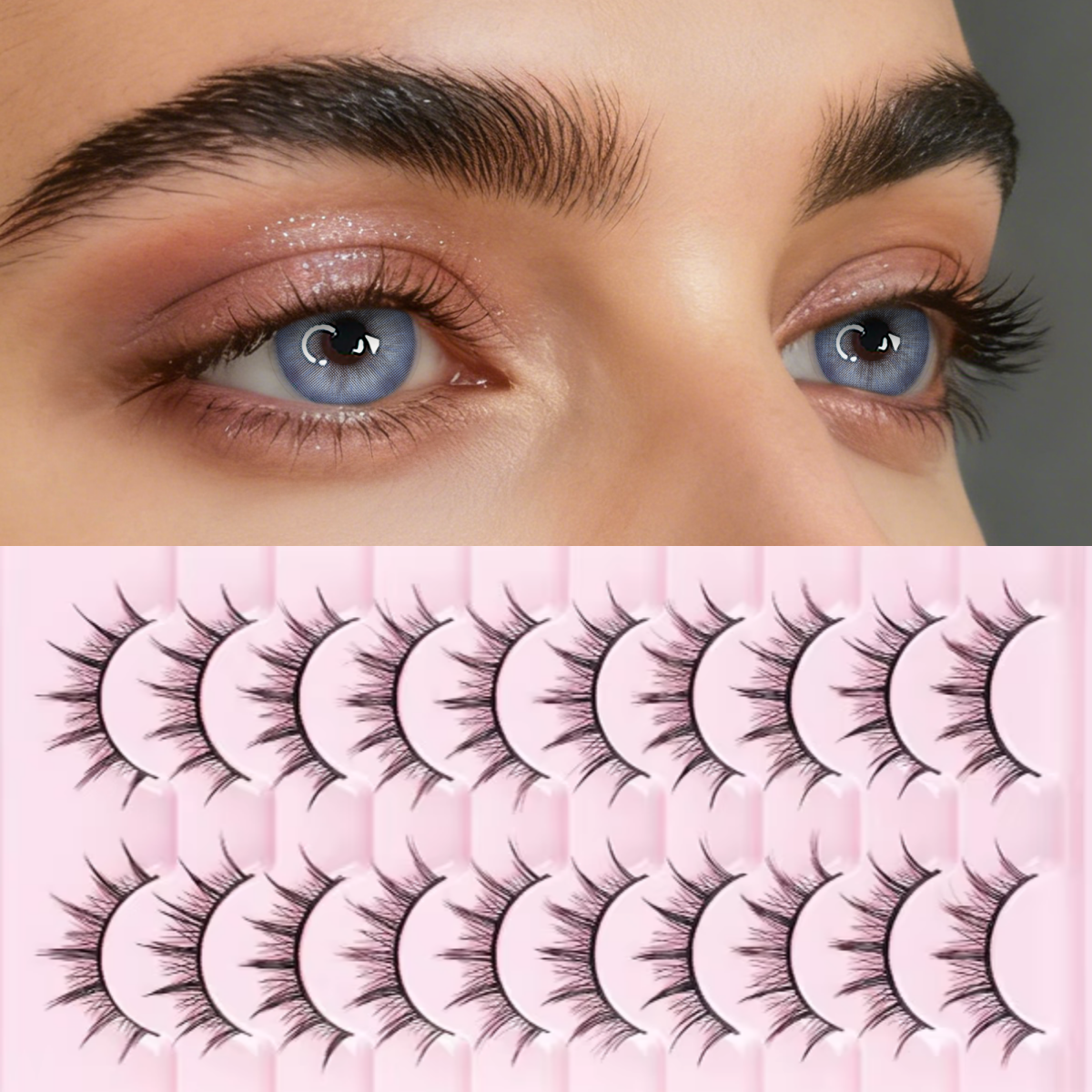
Ergonomic band construction engineered for theatrical and Asian-doll eye cosmetics, complementing enlarged iris contact lenses for dramatic retail packaging bundles.
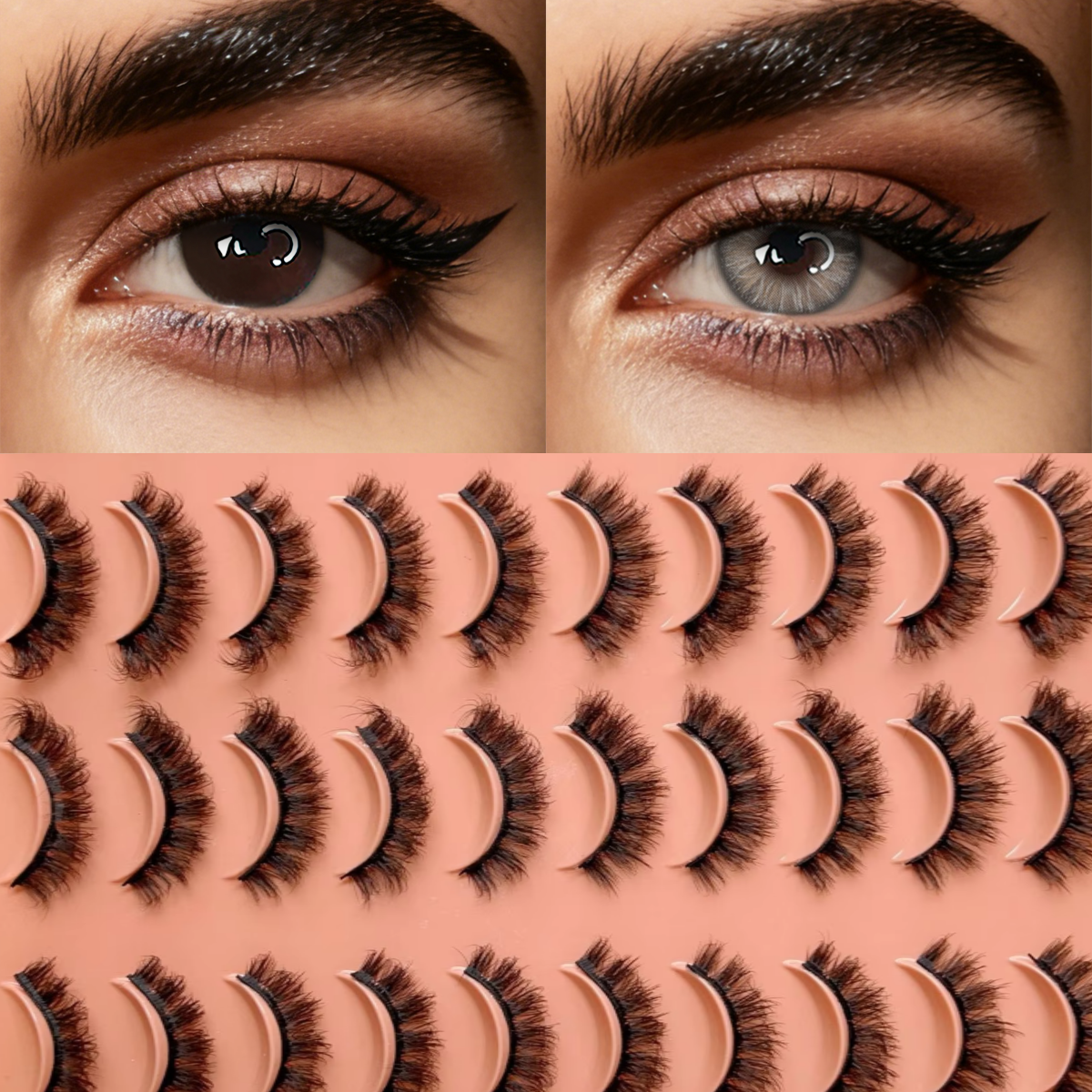
Self-adhesive pre-glued polymer band designed to pair with daily disposable cosmetic lenses. Ideal for rapid beauty routine merchandising.
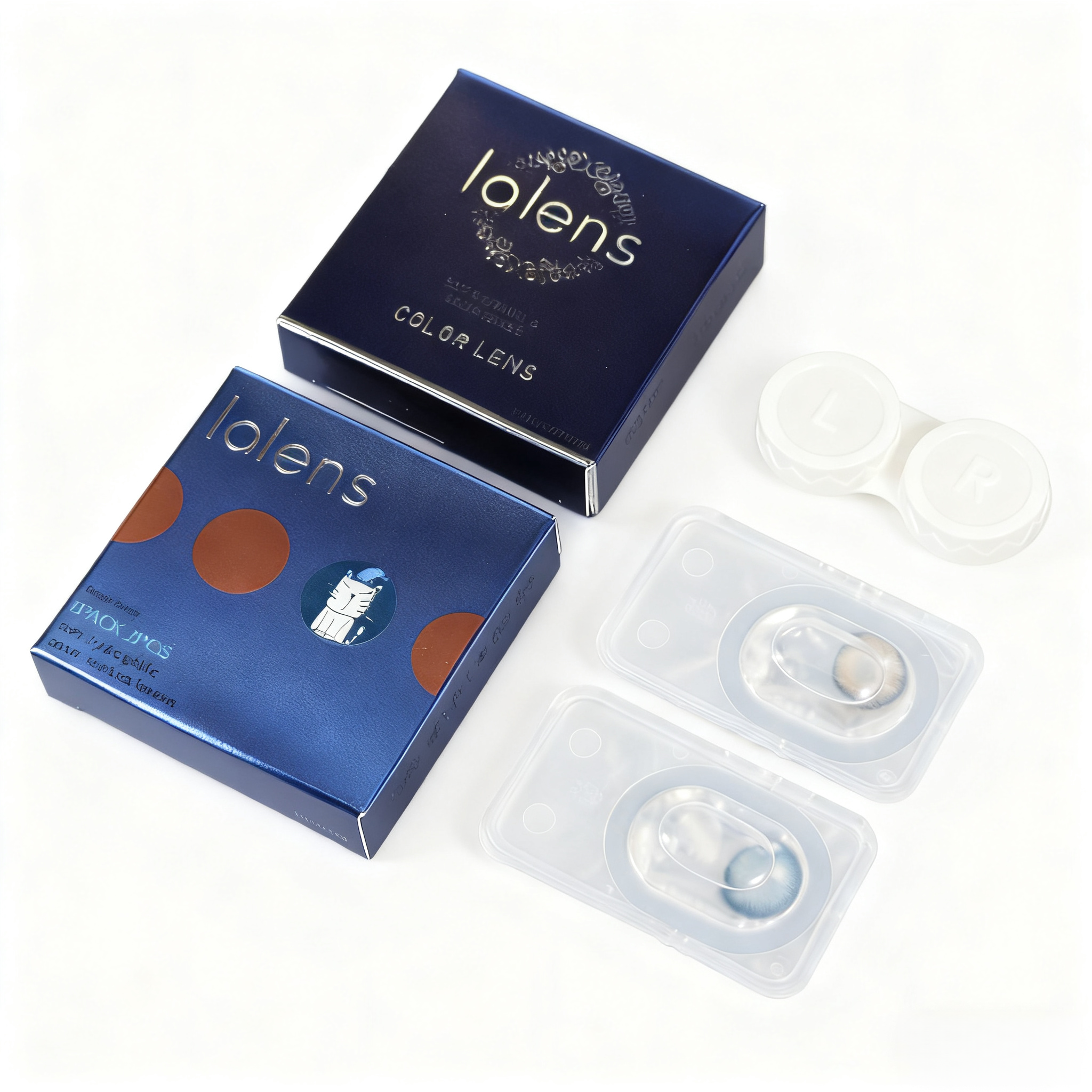
ISO 13485 compliant folding paperboard containers with custom cold foil printing, multi-language regulatory panels, and tamper-evident closures.
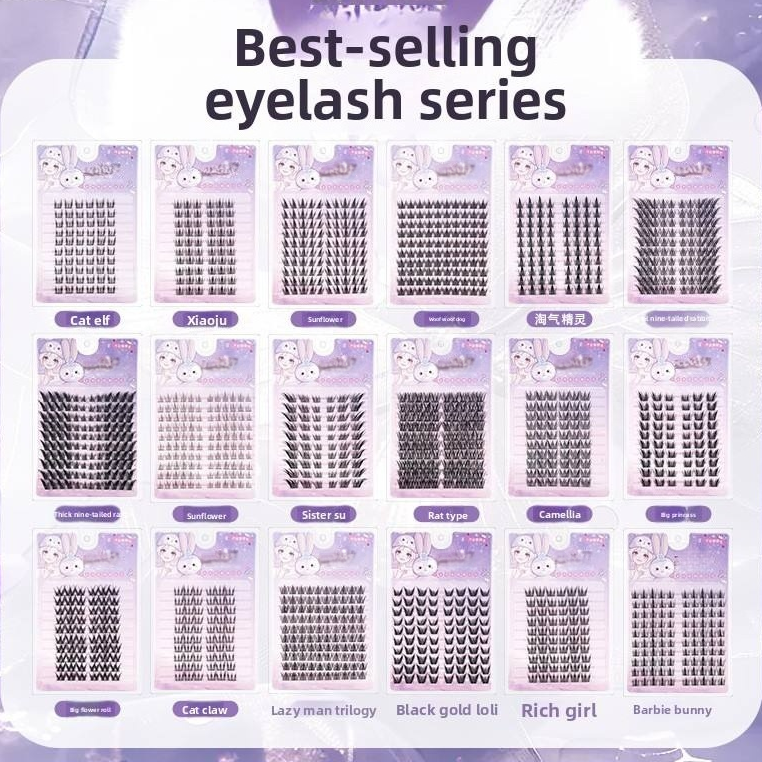
High-density 6D multi-layered synthetic lashes engineered to enhance color contact lens wear, widely distributed across European and North American salons.
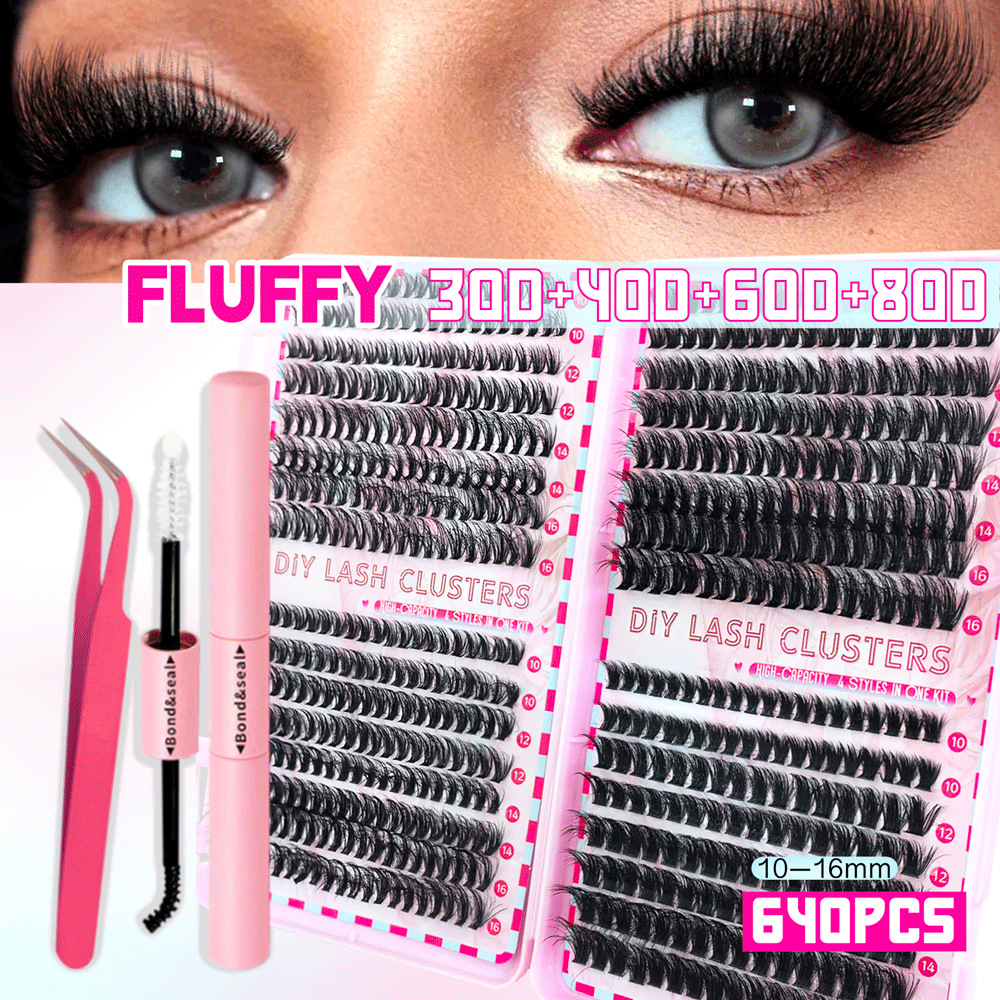
Professional makeup artist bulk trays matching fantasy and cosplay cosmetic lens lines, offering reliable stem stiffness and clean lash cluster blooms.
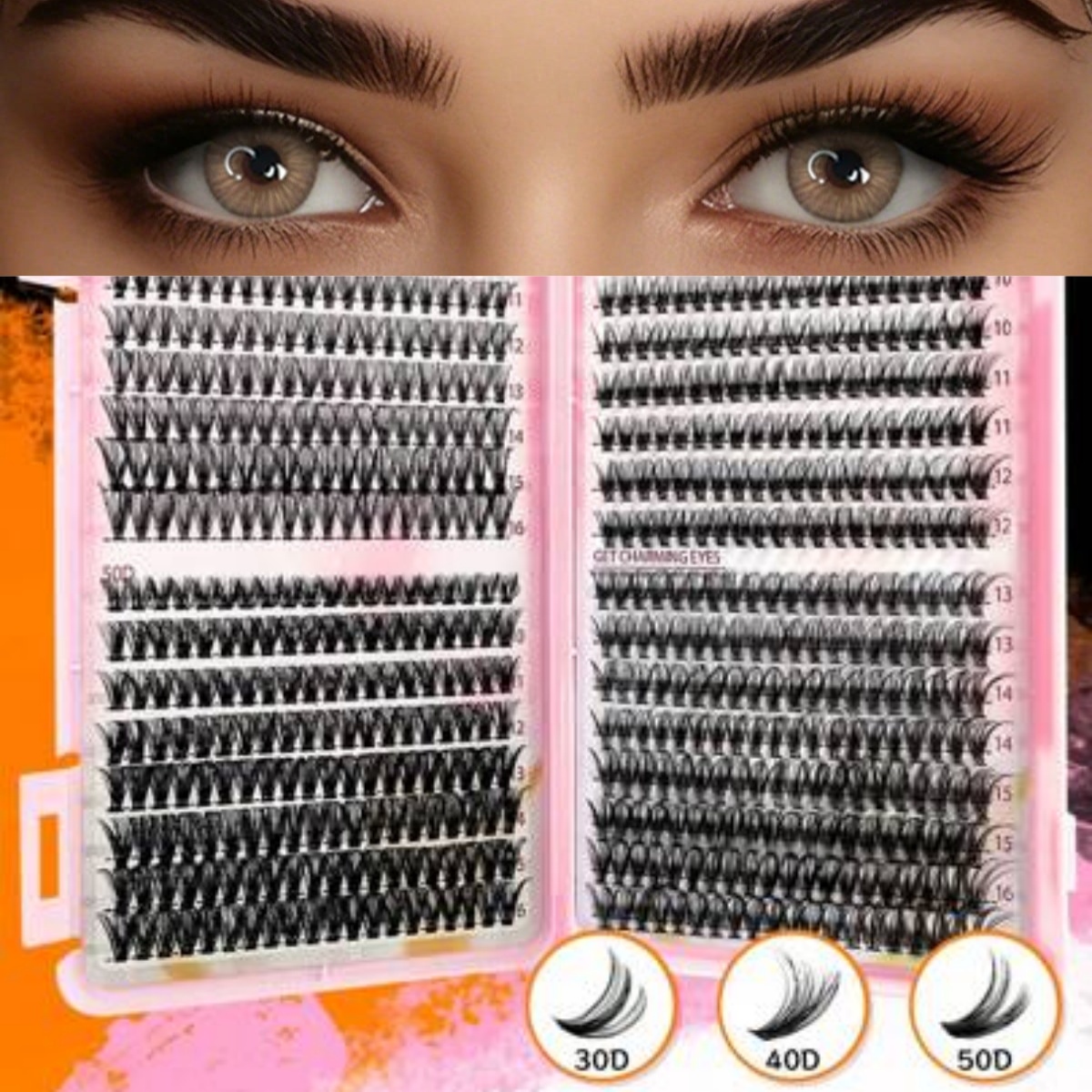
Ultra-lightweight invisible band half lashes curated specifically to pair with subtle hazel, honey, and gray daily disposable contact lenses.
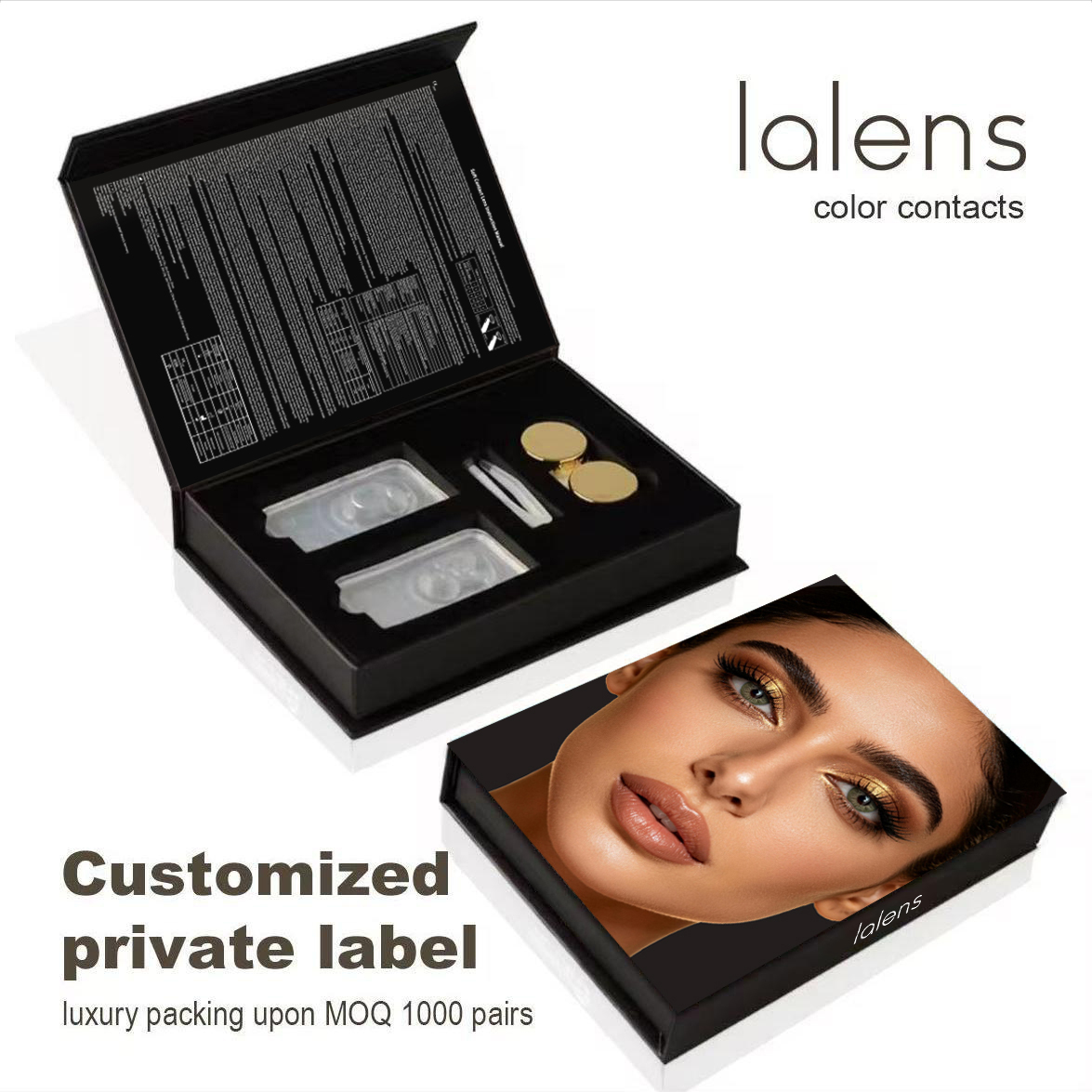
Heavyweight luxury rigid paperboard presentation cases, fitted with EVA thermoformed trays for contact lens solution bottles, soak cases, and blister packs.
From optical mold CAD engineering to sandwich pigment pad-printing and validated sterilization cycles. Fully certified CE and ISO 13485 export lines.
Executive Summary: The Strategic Rise of China's Optical ODM Ecosystem
The international contact lens industry has undergone a structural paradigm shift over the past decade. Historically dominated by a handful of multinational conglomerates, the global market for soft cosmetic, corrective, and prosthetic contact lenses is now propelled by agile, tech-driven original design manufacturers (ODMs) based in China. As global demand for cosmetic iris augmentation, non-corrective cosplay effects, and high-Dk breathable daily disposables escalates across North America, Europe, Southeast Asia, and Latin America, procurement executives face a critical imperative: partnering with contract manufacturers capable of combining surgical-grade clinical compliance with lightning-fast aesthetic innovation.
As Shenzhen Lalens Co., Ltd (Lalens Factory), our 16-year operational trajectory mirrors this industrial evolution. What was once a labor-intensive casting sector has matured into a precision-engineered optical science park. Operating fully audited Class 100,000 cleanroom workshops, automated cast-molding robotic cells, sub-micron edge-polishing equipment, and closed-loop spectrophotometric validation systems, China's premier contact lens manufacturers now set the global benchmark for repeatable color fidelity, bio-tolerable pigment encapsulation, and rapid OEM/ODM brand incubation.
In accordance with the Google Search Quality Rater Guidelines, this whitepaper provides an exhaustive, authoritative blueprint for professional procurement officers, opticians, brand incubators, and regulatory consultants seeking to de-risk their Asian supply chains while maximizing market responsiveness and gross margins.
Manufacturing Metallurgy & Polymer Chemistry: The "Sandwich" Encapsulation Architecture
The primary hazard in decorative and corrective colored contact lens manufacturing is direct physiological contact between synthetic organic/inorganic color pigments and the corneal epithelium. Poorly engineered counterfeit or low-tier lenses rely on surface-printing methods where pigment particles leach into the tear film or induce micro-abrasive corneal erosion, leading to giant papillary conjunctivitis (GPC) and secondary bacterial keratitis.
In Lalens Factory's cleanroom production lines, we exclusively deploy an advanced Triple-Layer Cast-Molding Sandwich Technology. In this micro-injection procedure:
- Base Hydrophilic Layer: An optical-grade anterior hydrogel matrix is cast into high-precision quartz or optical polyolefin molds, creating an ultra-smooth 0.04mm anterior surface.
- Encapsulated Pigment Matrix: Non-toxic, cosmetic-grade pigments (including iron oxides, phthalocyanine blue, titanium dioxide, and chromium oxide greens) are pad-printed onto the cured hydrogel base utilizing micro-dot digital matrix plates with resolutions reaching up to 1,200 DPI.
- Posterior Protective Enclosure: A secondary posterior hydrogel matrix is polymerized over the printed pigments under controlled thermal and ultraviolet (UV) curing atmospheres. This seals the pigments entirely within the bulk hydrophilic polymer, guaranteeing zero pigment-to-cornea or pigment-to-palpebral contact throughout the life cycle of the lens.
| Polymer Classification | Water Content (%) | Oxygen Permeability (Dk) | Base Curve / Diameter | Modulus (MPa) | Intended Replacement Schedule |
|---|---|---|---|---|---|
| Polymacon (HEMA Matrix) | 38% ± 2% | 10.5 × 10⁻¹¹ (cm²/s) | 8.5 – 8.7 mm / 14.0 – 14.5 mm | 0.50 – 0.60 | Monthly, Quarterly, Yearly (Cosmetic/FX) |
| Ocufilcon D (High-Hydration) | 55% ± 2% | 19.0 × 10⁻¹¹ (cm²/s) | 8.6 mm / 14.2 mm | 0.38 – 0.45 | Daily Disposable (Everyday Natural Series) |
| Silicone Hydrogel (Filcon V) | 45% ± 2% | 85.0 – 110.0 × 10⁻¹¹ | 8.6 mm / 14.2 mm | 0.65 – 0.75 | Daily & Bi-Weekly (Therapeutic & Color) |
| Costume / Scleral Hydrogel | 40% ± 2% | 12.0 × 10⁻¹¹ (cm²/s) | 8.8 – 9.0 mm / 15.0 – 22.0 mm | 0.55 – 0.65 | Yearly (Theatrical, FX, Halloween) |
*All hydrogel formulations comply with ISO 18189 (Corneal Staining In-Vivo Testing) and ISO 10993-5 (Cytotoxicity Biological Evaluation of Medical Devices).
Global Sourcing & Procurement Trends: 2025–2030 Optical Market Outlook
B2B buyers, private equity portfolio brands, and retail chains must align their procurement strategies with long-term technological and behavioral shifts. Based on global import-export data, customs manifests, and retail analytics, we have identified three macroeconomic drivers dominating contact lens supply chains over the next five years:
1. The Daily Disposable Migration
Consumers across tier-1 markets are aggressively abandoning traditional yearly and quarterly replacement lenses in favor of single-use daily disposables. Driven by ocular health education and the elimination of lens-care compliance risks, daily packs now represent over 62% of value growth in the North American and East Asian cosmetic lens sectors. Procurement teams must partner with ODM factories capable of delivering high-speed blister sealing and sterile high-yield packaging at competitive unit economics.
2. Hyper-Natural Multi-Tone Irises
Opaque single-tone prints from the early 2000s have been replaced by bio-mimetic 3-tone and 4-tone gradient iris matrices. Modern wearers demand micro-limbal rings that soften the boundary between the lens and sclera, accompanied by radiating radial contraction furrows and light-reflecting hazel/gold highlights that replicate genuine genetic eye patterns. Proprietary laser-etched mold tooling and multi-color pad-printing capabilities are now mandatory qualifications for any Tier-1 ODM partner.
3. Silicone Hydrogel Cosmetic Adoption
While traditional HEMA polymers remain dominant in decorative lenses due to their superior dye affinity and structural stability during pad printing, technological breakthroughs in silicone macromer compatibilization have unlocked high-oxygen silicone hydrogel (SiHy) cosmetic lenses. Brand owners targeting discerning prescription wearers (powers from -0.50D to -10.00D with astigmatic toric options) can command a 40% retail premium by launching breathable cosmetic SiHy product tiers.
Enterprise Advantages: Why Tier-1 Importers Consolidate with Shenzhen Lalens Co., Ltd
Direct sourcing from an authentic source factory eliminates broker surcharges, eradicates batch-to-batch color drift, and guarantees unfettered access to verified technical documentation for regulatory submissions. Lalens Factory provides institutional-grade manufacturing backed by 16 years of continuous capital investment:
Fully Certified Cleanrooms
All casting, molding, hydration, and primary blister packaging take place in Class 100,000 (ISO 8) cleanrooms operating under continuous particle and microbial monitoring.
500+ Proprietary Stock Prints
Instant access to an industry-leading library of over 500 validated iris patterns across gray, blue, green, amber, hazel, violet, cosplay anime, and blackout theatrical designs.
Integrated Secondary Packaging
Complete in-house box production, blister foil heat-sealing, multi-lingual instruction leaflets, barcode serialization, and rigid presentation box engineering.
Rapid B2B Sample Dispatch
Wear-testing sample kits dispatched via DHL/FedEx within 48 hours for stock patterns; rapid prototype tooling for custom iris designs delivered within 15 working days.
Our End-to-End ODM Execution Lifecycle
From initial design concept to final customs clearance, our standardized 5-stage project gate ensures that your private label line arrives on schedule and in complete conformity with national health authorities:
Design Brief & Molds
Selection of iris diameter (14.0mm - 14.5mm), base curve (8.6mm standard), and graphic diameter (GDIA). Development of high-resolution print film plates.
Polymerization & Cast
Automated monomer dosing into precision male/female molds, UV curing tunnel polymerization, and de-molding under clean air laminar hoods.
Hydration & Extraction
Saline water immersion baths for solvent extraction, continuous optical power verification, and edge micro-profile checking via projector interferometry.
Blister Seal & Autoclave
Ultrasonic sealing into buffered saline blister cavities or glass vials, followed by saturated steam autoclave sterilization at 121°C for 30 minutes (SAL 10⁻⁶).
Export Logistics
Preparation of Certificate of Analysis (COA), sterile batch records, Harmonized System code documentation (HS 9001300000), and DDP air/sea freight forwarding.
International Regulatory Blueprint: What Global Importers Must Verify
A common pitfall among emerging cosmetic brands is treating colored contact lenses as generic makeup merchandise. Under every major jurisdiction, contact lenses are strictly regulated as prescription-grade medical devices, regardless of whether they contain corrective diopter power or are sold purely as zero-power plano cosmetics:
- United States (US FDA & FTC): Contact lenses are classified as Class II or Class III medical devices under 21 CFR 886.5916 / 886.5925. Any US importer of record must verify that the manufacturing site holds a valid FDA Establishment Registration, Device Listing, and 510(k) Premarket Notification clearance. Under the FTC Contact Lens Rule, US-facing retailers are legally obligated to verify prescriber documentation prior to fulfillment. Our packaging workflows provide automated barcode verification, tamper-resistant seals, and required English "Rx-Only" labeling panels.
- European Union (CE MDR 2017/745): Cosmetic contact lenses fall under Annex XVI of the Medical Device Regulation (products without an intended medical purpose). Importers must ensure full technical documentation files, clinical evaluation reports (CER), biocompatibility safety data, and Notified Body CE certificates under ISO 13485:2016 quality management systems.
- Middle East & Latin America (SFDA, ANVISA, COFEPRIS): Lalens Factory supplies legalized Certificate of Free Sale (CFS), ISO 13485 certified quality manual excerpts, microbiological safety test reports, and factory audit credentials to expedite local health authority product registration.
B2B Procurement Director FAQ: Navigating Minimums, Customization & Logistics
What is the Minimum Order Quantity (MOQ) for custom private label packaging versus stock patterns?
How do you guarantee batch-to-batch color repeatability over multi-year reorder cycles?
What are the standard lead times for prototyping, bulk manufacturing, and global freight delivery?
Can you manufacture corrective prescription powers in addition to zero-power (plano) cosmetic lenses?
What sterilization methodology and shelf-life stability validations are provided?
How do you handle secondary cosmetics bundling, such as false eyelashes and soaking accessories?
Ready to Scale Your Contact Lens Brand with China's Premier ODM Factory?
Direct factory pricing, verified ISO 13485 cleanroom manufacturing, 500+ trendsetting iris prints, and dedicated English-speaking regulatory support. Connect with our engineering and export team today.