16+
Years Optical & Beauty OEM
500+
Proprietary Iris Color Patterns
100%
Optical Power & Biocompatibility QC
24/7
Direct Engineering & Quote Desk
Featured Wholesale Line: Cosmetic Optics & Custom Packaging
Integrate your cosmetic eyewear brand with precision color contact lenses, luxury rigid presentation boxes, and synchronized high-volume eye enhancement supplies designed for professional distribution.
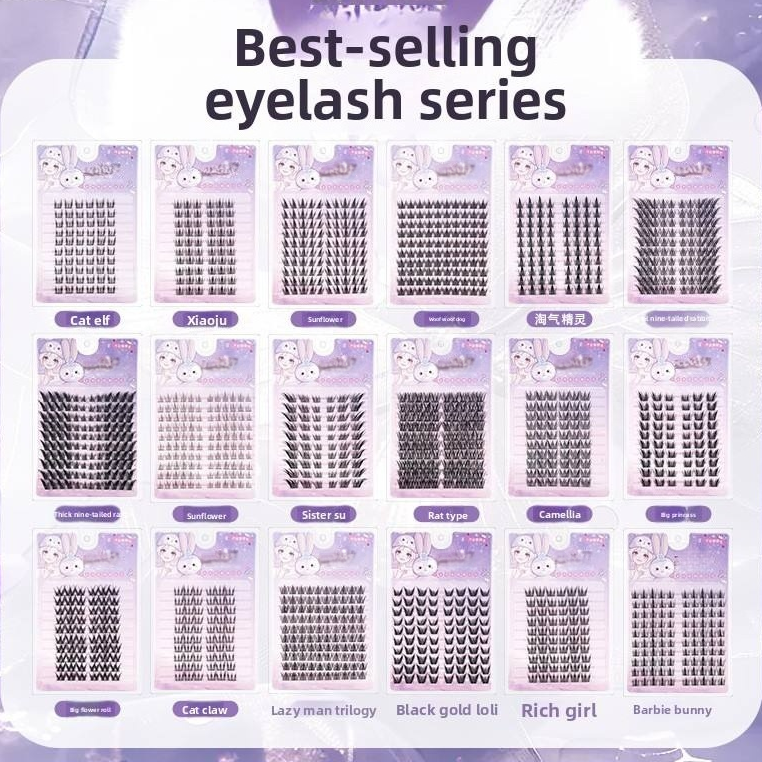
False Eyelashes Family Photo Inevitable Glue-Free Large Capacity Synthetic Hair Lower Upper Eyelashes Sunflower Fox Style Cat
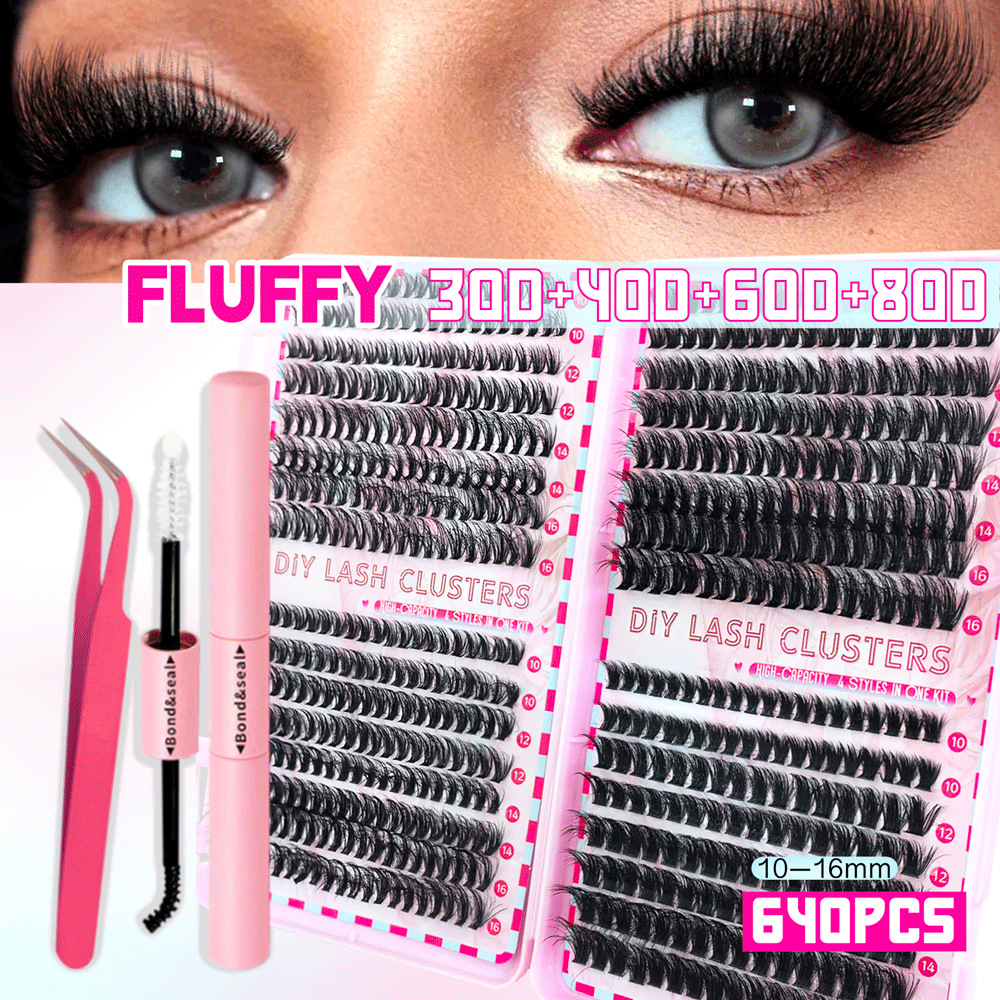
For 30P 40P 32 Row Plastic Black Stem Semi-Hand Made False Eyelash Glue Foreign Trade 60P 80P Blooms Hair European American
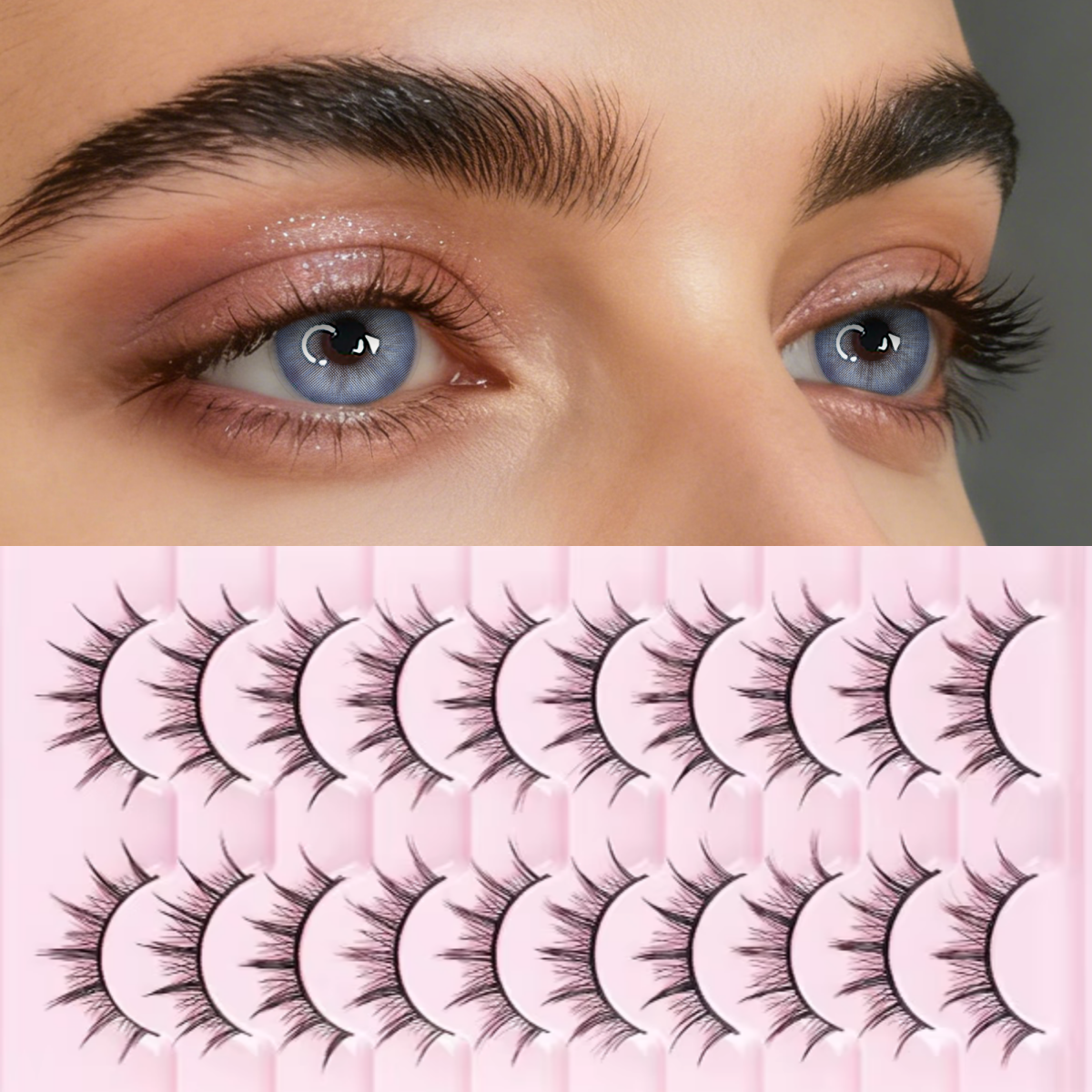
10 Pairs Hard-stem Synthetic Hair False Eyelashes Natural Look Cartoon Little Devil Design Can Hold False Eyelashes
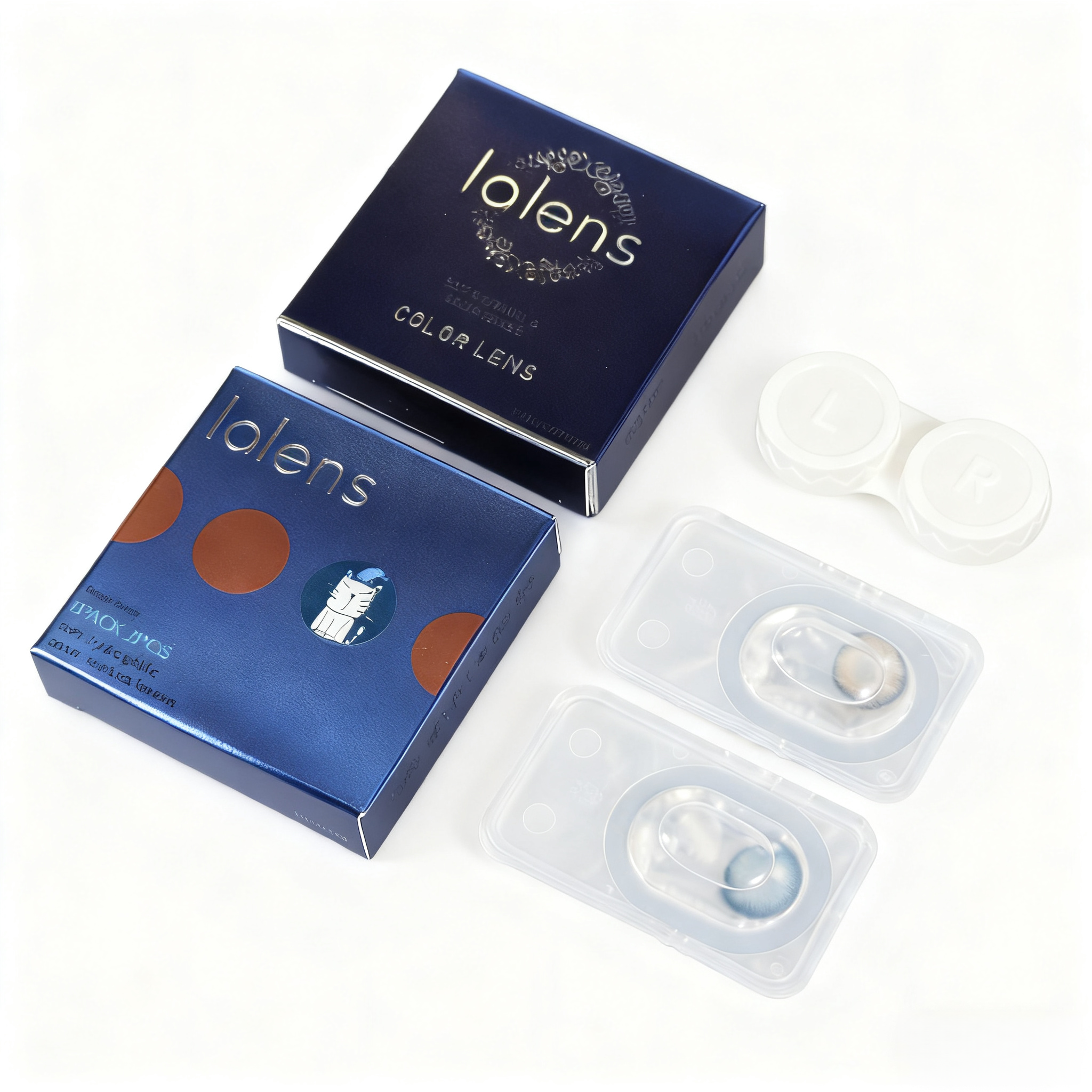
Custom Design Cardboard Soft Contact Lenses Private Label Contact Lenses Packaging Paper Box for Cosmetic Contact Lens
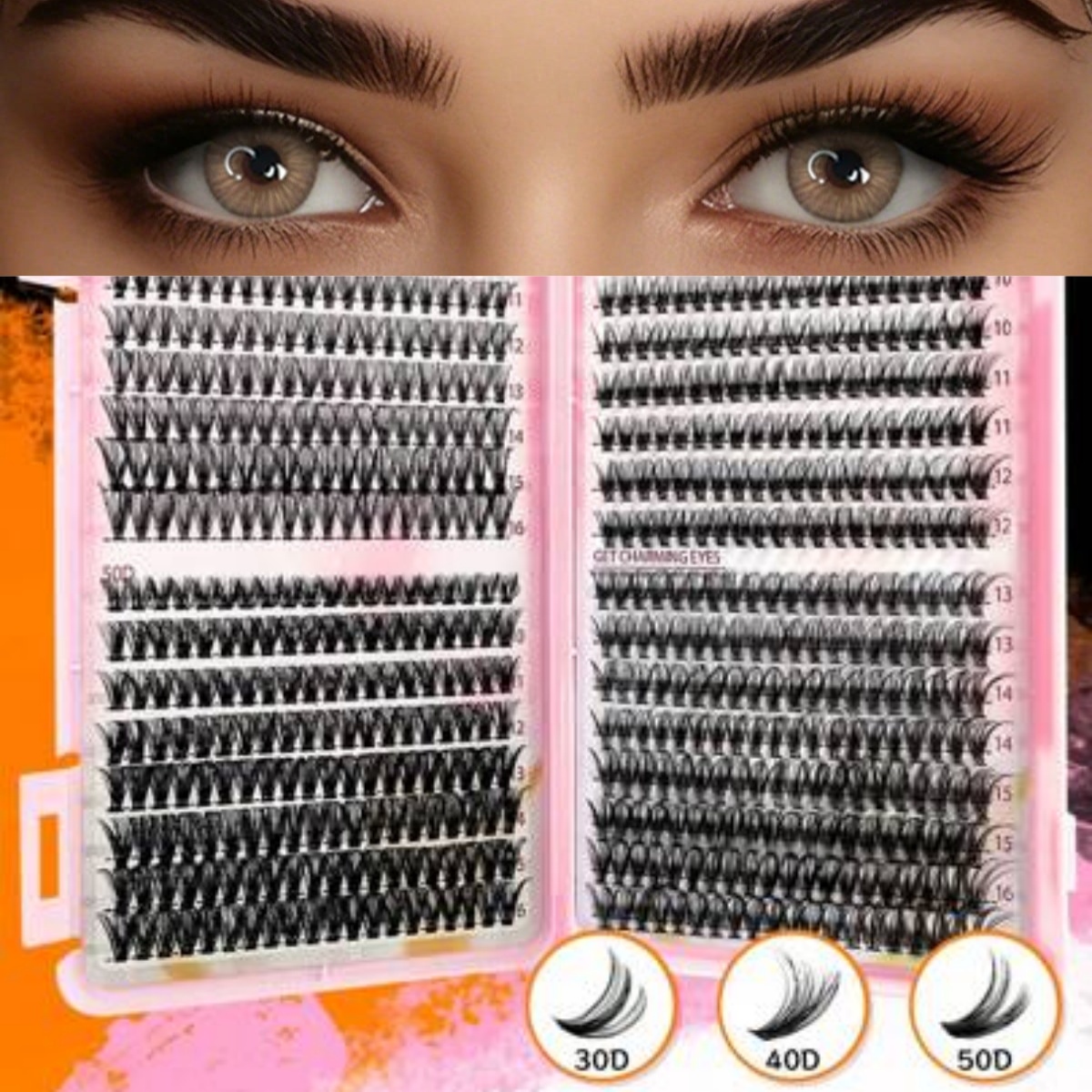
False Eyelashes Box Clear Band Natural Wispy Faux Mink Fluffy Soft Half Lashes for Daily Party Valentine's Day Makeup Wholesale
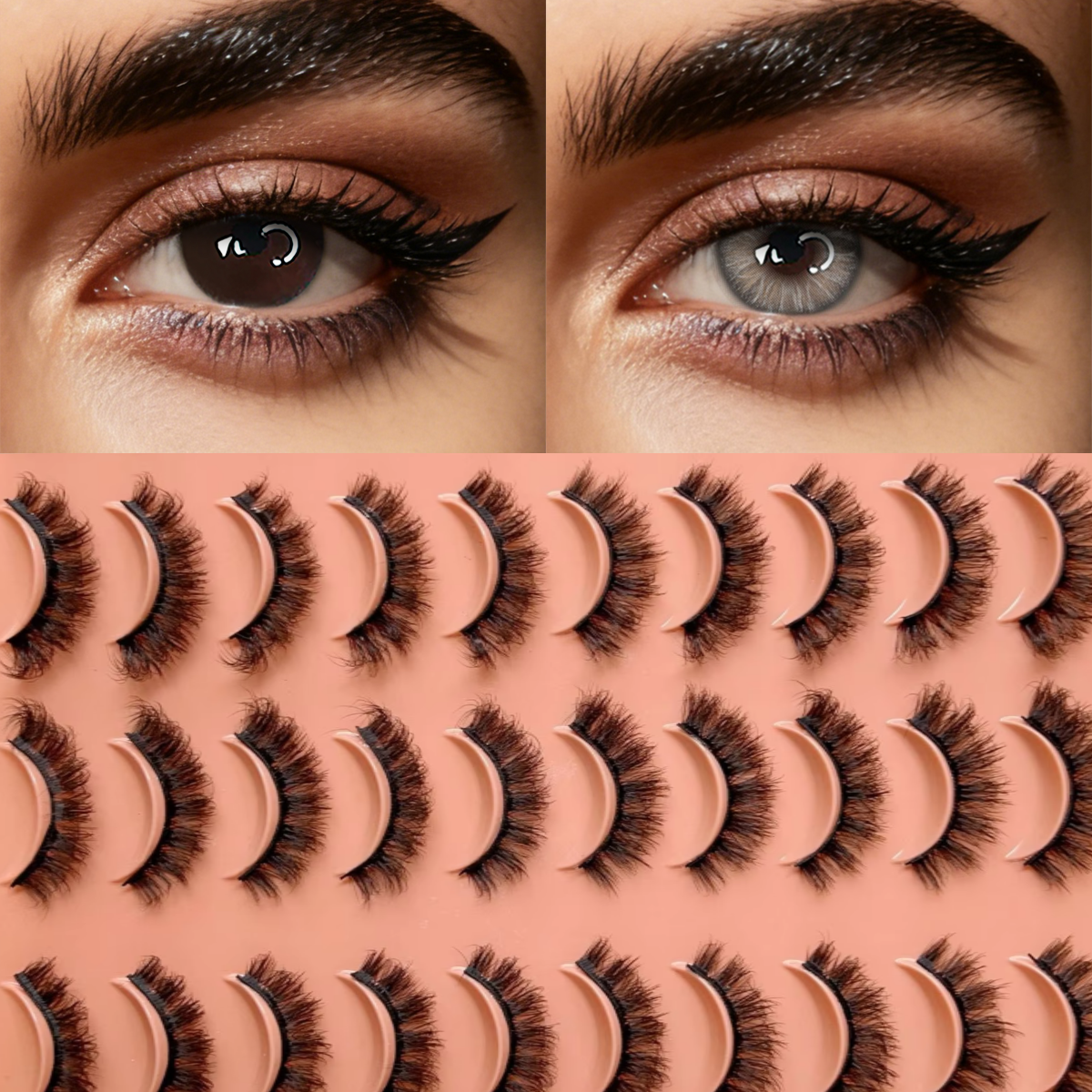
Cross-border Explosions 20 Pairs Mixed 6D Mink Hair False Eyelashes Natural Curling Thick Europe & US Wholesale
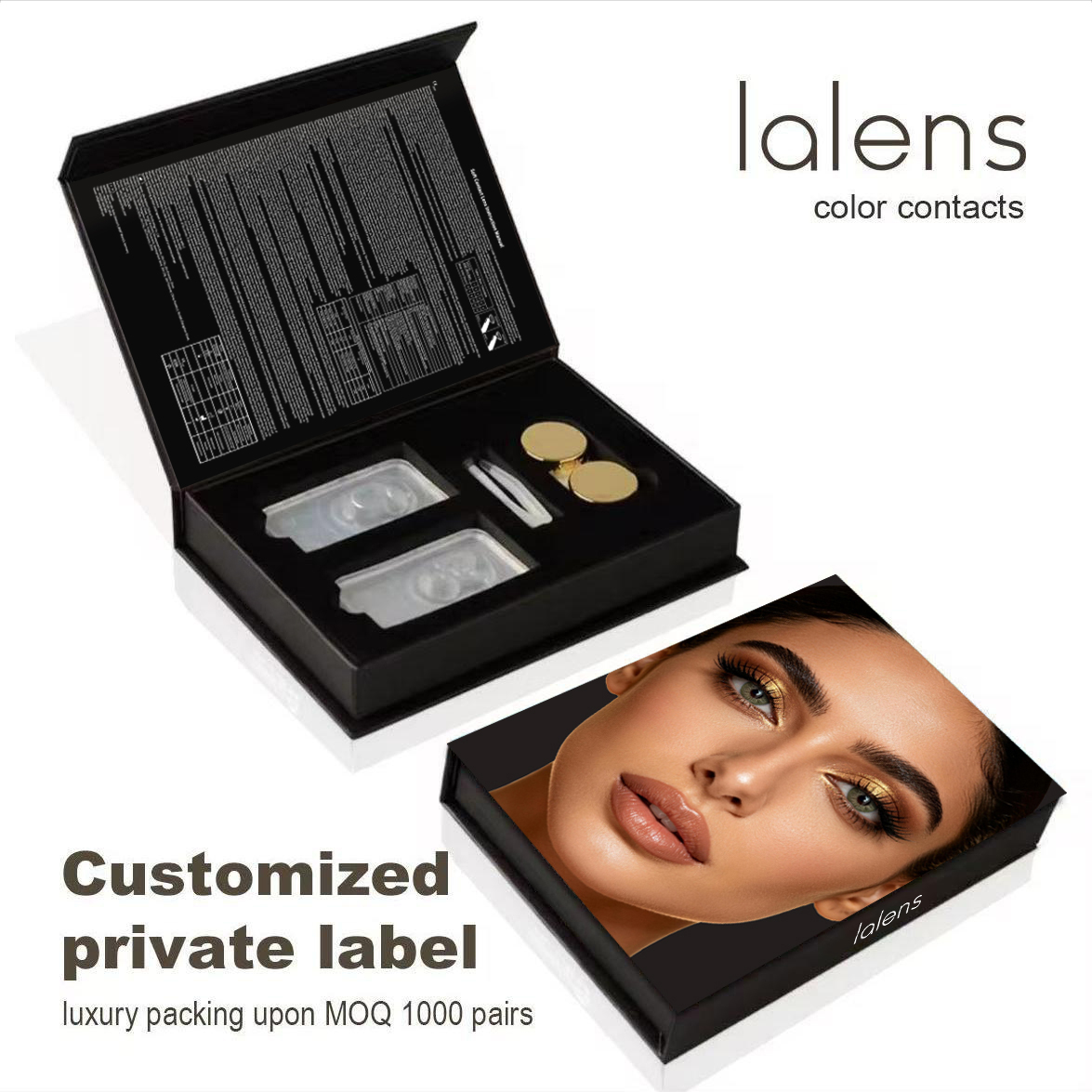
Custom Logo Contact Lens Packaging Rigid Paperboard Square Box Private Label Cosmetic Packing
Turnkey Sterile Contact Lens In Saline Blister Pack With Private Label Secondary Box & English Instruction Leaflets
State of Global Contact Lens Manufacturing: The Strategic China Advantage
Navigating material chemistry, sandwich micro-encapsulation, and stringent regulatory barriers in international B2B soft contact lens procurement.
The global contact lens landscape has undergone a profound paradigm shift over the past decade. Historically concentrated within a handful of multinational conglomerates, the cosmetic and corrective soft contact lens sector has decentralized. China has emerged as the premier global nexus for high-precision cast-molding, agile pattern development, and vertically integrated private label fulfillment. For international brand aggregators, eyewear distributors, and beauty retail networks, selecting the right Chinese contract manufacturing partner is no longer solely about per-unit cost reduction—it is an intricate balance of biocompatible polymer chemistry, clinical defect zero-tolerance, and international regulatory readiness.
Every cosmetic contact lens, regardless of whether it is manufactured with zero corrective refraction (Plano 0.00) for aesthetic purposes or corrective powers ranging from -0.50D to -10.00D, is classified by the United States Food and Drug Administration (FDA) as a Class II Medical Device (21 CFR 886.5925) and regulated under the EU Medical Device Regulation (MDR 2017/745) as a Class IIa/IIb device. Consequently, commercial procurement requires far more than aesthetic evaluation; it demands audited verification of cleanroom airborne particulates (ISO 14644-1 Class 8 or Class 100,000), validated terminal wet-autoclave sterilization cycles, and rigorous color pigment entrapment protocols.
| Engineering Dimension | Standard Commercial Grade | Lalens Medical Cleanroom Grade (Our Benchmark) | Strategic Benefit for Brand Importers |
|---|---|---|---|
| Color Encapsulation Process | Single-surface pad printing (pigment exposed to cornea) | 3-Layer Sandwich Cast Molding (pigment embedded between HEMA layers) | Zero corneal abrasion risk; eliminates cytotoxicity recalls; clears FDA & CE laboratory leaching assays. |
| Polymer Matrix & Hydration | Conventional 2-HEMA homopolymer (38% hydration) | Poly-HEMA + NVP copolymer / Silicone Hydrogel (42%–55% water content) | Higher Dk/t (Oxygen Permeability), extending comfortable wear time from 4 to 12 hours without lipid deposit spikes. |
| Refractive Power Precision | Sampling audit (1 lens per 500 units) | 100% Phase-Shift Optical Mapping via automated laser interferometers | Total batch conformity across plano and high minus powers (-0.50 to -10.00D); zero blurred vision returns. |
| Edge Profile Engineering | Symmetric round cut edge | Tri-tapered micro-lift edge geometry with continuous tear circulation | Eliminates foreign body sensation and conjunctival hyperemia, ensuring superior consumer repurchase rates. |
| Batch Traceability | Manual ledger recording | Fully digitized MES system linking raw monomers, mold cavities, and sterilization lot IDs | Direct compliance with US FTC Contact Lens Rule and global UDI (Unique Device Identification) mandates. |
Future Procurement Trends in Cosmetic Optics & Eyewear
Anticipating consumer preferences, supply chain consolidation, and technical advancements shaping wholesale purchasing across the next 5 years.
1. Rise of Silicone Hydrogel (SiHy) in Color Lines
While traditional 2-HEMA remains popular for short wear times, cosmetic lens brands are migrating toward second- and third-generation Silicone Hydrogel formulations. By providing 3x to 5x greater oxygen transmissibility (Dk/t > 80 barrers), SiHy cosmetic lenses prevent corneal hypoxia and allow brands to market premium daily-wear collections at significantly higher gross margins.
Procurement Takeaway: Budget for SiHy validation in 2025/2026.2. Hyper-Natural 3D Iris Multi-Tone Printing
Monolithic flat-color lenses have been completely replaced by intricate multi-layer iris patterns that emulate natural biological eye textures. Advanced 5-axis ceramic pad-printing systems deposit micro-droplets with variable dot density, creating deep limbal ring definition and subtle transition zones that seamlessly blend with both light and dark eyes.
Procurement Takeaway: Stock Tri-Tone and Marble series for high conversions.3. Monolithic Eyewear & Cosmetic Lash Bundling
High-growth Direct-to-Consumer (DTC) beauty platforms increasingly procure integrated bundles combining cosmetic contact lenses, luxury paperboard packaging, and adhesive/glue-free false eyelashes. Cross-category procurement from a unified Shenzhen manufacturing hub drastically cuts consolidation freight costs and harmonizes brand aesthetics.
Procurement Takeaway: Leverage unified OEM pack-out programs to lower landed costs.4. Tightened Verification Under FTC & MDR
Enforcement of the US FTC Contact Lens Rule and EU MDR 2017/745 means customs officials closely scrutinize labeling declarations. B2B buyers now mandate that suppliers provide English blister foils with full UDI barcodes, explicit LOT tracing, and complete medical-grade testing documentation (cytotoxicity, systemic toxicity, and stability assays).
Procurement Takeaway: Partner exclusively with certified cleanroom factories.5. Sustainable Blister & Recyclable Packaging
Global environmental initiatives are driving changes in contact lens secondary and primary packaging. Traditional polypropylene (PP) blister cups are becoming thinner without sacrificing burst pressure tolerance, and secondary boxes are transitioning to FSC-certified biodegradable rigid paperboards with soy-based inks to meet ESG criteria.
Procurement Takeaway: Adopt recyclable paperboard packaging to capture eco-conscious buyers.6. Agile Rapid-Batch Drops (Micro-MOQ Sourcing)
Driven by TikTok, Instagram, and fast-fashion cosmetic cycles, beauty retailers demand smaller test orders (100–300 pairs per SKU) across novel colors (hazel honey, ice blue, blood moon cosplay) to gauge demand before committing to 10,000+ unit scale production runs.
Procurement Takeaway: Select suppliers with flexible automated tooling and low minimums.Why Lalens Factory Is China's Premier Optical Supply Partner
Over 16 years of engineering rigor, ISO 13485 cleanroom operations, and dedicated 24/7 overseas client service built for global distribution leaders.
End-to-End Vertical Cast-Molding Infrastructure
Unlike trading entities or assembly workshops that outsource raw lens fabrication, Shenzhen Lalens Co., Ltd maintains fully owned injection molding lines, CNC diamond-machined optical steel mold tooling, and closed-loop cleanroom hydration tanks. By controlling the entire manufacturing workflow—from monomer formulation to terminal autoclave sterilization—we ensure zero batch-to-batch color shift, exact base-curve tolerances (8.6mm ±0.05mm), and direct factory pricing.
Comprehensive Regulatory Dossiers & Test Audits
We provide full technical documentation to our wholesale clients, including ISO 13485:2016 Quality Management certificates, CE compliance declarations, cytotoxicity assay reports, accelerated 5-year shelf-life stability data, and complete bill of materials (BOM) needed to support US FDA 510(k) master file registrations. Importers can place bulk orders knowing shipments will clear customs smoothly and withstand retail regulatory audits.
24/7 Global US & European Support Coverage
Our multilingual sales, project management, and optical engineering teams operate across staggered shifts covering US Eastern (EST), Pacific (PST), Central European (CET), and Gulf Standard (GST) business hours. We provide rapid responses within 2 hours, custom CAD packaging mockups within 24 hours, and expedited 5 to 8 business day express air sampling via DHL, FedEx, and UPS.
Full Custom OEM/ODM Private Label Programs
From custom sterile blister peel foils and medical-grade glass vials to custom cardboard gift boxes, magnetic rigid display boxes, and multi-language patient information leaflets, our in-house packaging design team turns your concepts into market-ready retail products. We handle all barcoding, GS1 datamatrix generation, and batch/expiry serialization on your behalf.
Frequently Asked Questions for B2B Contact Lens Importers
Clear, definitive answers on commercial terms, minimum orders, medical certifications, and international shipping protocols.
1. Can decorative or colored contact lenses be imported and sold in the United States without a medical prescription?
No. Under United States Federal Law, the US Food and Drug Administration (FDA) regulates all contact lenses—including zero-power (plano 0.00) cosmetic, Halloween FX, and novelty lenses—as Class II Medical Devices under 21 CFR 886.5925. Furthermore, the Federal Trade Commission (FTC) Contact Lens Rule mandates that retailers verify a valid prescription issued by a licensed eye care professional (optometrist or ophthalmologist) prior to dispensing.
As an OEM/ODM manufacturer, Shenzhen Lalens Co., Ltd delivers full medical-grade compliance packaging, including mandatory "Rx Only" labeling, standardized expiration dates, lot serialization, and tamper-evident sterile blister/vial sealing, allowing our wholesale clients and their US regulatory partners to market lenses within total legal compliance.
2. What is the standard Minimum Order Quantity (MOQ) for custom private label OEM contact lenses and packaging?
Our minimum order structure is designed to support both agile brand launches and multi-thousand unit distribution networks:
- In-Stock Patterns (Factory Packaging): As low as 50 to 100 pairs per color SKU, allowing immediate inventory replenishment.
- Semi-Custom Private Label (Custom Box + Stock Blisters): Starts from 500 units, utilizing our existing sterile blisters paired with your branded paperboard packaging.
- Full Turnkey OEM / ODM (Custom Iris Print + Custom Blister Foil + Custom Box): Typically begins at 1,000 to 2,000 pairs per design SKU to justify cleanroom pad-printing plate setup, polymer formulation, and high-speed automated packaging runs.
3. How does your factory prevent pigment leaching and ensure user eye safety?
Eye safety is the paramount requirement in optical engineering. Unlike low-tier producers who pad-print color pigments directly onto the external or internal contact surface of the lens, our facility uses proprietary Micro-Pigment Sandwich Encapsulation Technology.
During the automated cast-molding sequence, a base layer of optical-grade HEMA hydrogel monomer is injected into the mold cavity. The non-toxic, bio-inert mineral pigment layer is applied via high-precision pad printing, after which a secondary layer of hydrogel monomer is deposited, effectively sandwiching the pigment between two clear, protective polymeric barriers. The pigment never makes direct physical contact with the cornea or palpebral conjunctiva, completely preventing pigment migration, micro-abrasions, or ocular toxicity.
4. What optical parameters and power ranges are supported in bulk manufacturing?
We manufacture a comprehensive spectrum of standard and custom optical parameters:
- Base Curve (BC): Standard 8.5mm to 8.7mm (8.6mm median universal fit).
- Diameter (DIA): Standard 14.0mm, 14.2mm, and 14.5mm (larger 14.8mm to 15.0mm available for specialty anime/dolly collections).
- Water Content: Formulations available in 38% (high structural stability, low dehydration), 42%, and 55% (high initial comfort).
- Refractive Powers: Plano (0.00D), and corrective powers from -0.50D to -6.00D (in 0.25D increments) and -6.50D to -10.00D (in 0.50D increments). Astigmatism toric parameters available upon engineering review.
- Replacement Modalities: Daily Disposable (1-Day), Monthly (30-Day), and Extended Wear (Up to 1-Year in glass vial storage).
5. What are the production lead times, and how are commercial shipments delivered to the US and Europe?
Lead times depend directly on the level of customization:
Sample Shipments: Standard catalog wear-test samples ship within 24 to 48 hours via express air couriers (DHL / FedEx / UPS), arriving in the USA, UK, or Europe within 5 to 8 business days.
Mass Commercial Production: In-stock catalog reorders dispatch in 7 to 14 calendar days. Fully custom OEM private label production runs typically require 25 to 35 business days following packaging artwork approval and mold setup. We support FOB Shenzhen/Hong Kong, CIF, and full DDP (Delivered Duty Paid) door-to-door logistics with customs clearance managed completely on your behalf.
6. How do you maintain color consistency across reorders and large production batches?
Color variation across batches is one of the most common issues importers face with lesser factories. We eliminate color deviation through a multi-stage colorimetric control system:
Each client's custom iris pattern is locked to a master digital spectrometer file and physical "Golden Batch" reference retained in our QA laboratory. Our computerized ink blending system measures mineral pigment density to within ±0.01 grams, while high-speed optical vision cameras inspect lenses coming off the production line in real time. Any lens exhibiting greater than a 2% Delta-E color shift against the master file is automatically ejected prior to blister sealing.