Featured Eye Aesthetic & Optical Packaging Portfolios
Integrated beauty enhancement lines, certified contact lens packaging architectures, and precision false eyelash assemblies for turnkey brand deployments.
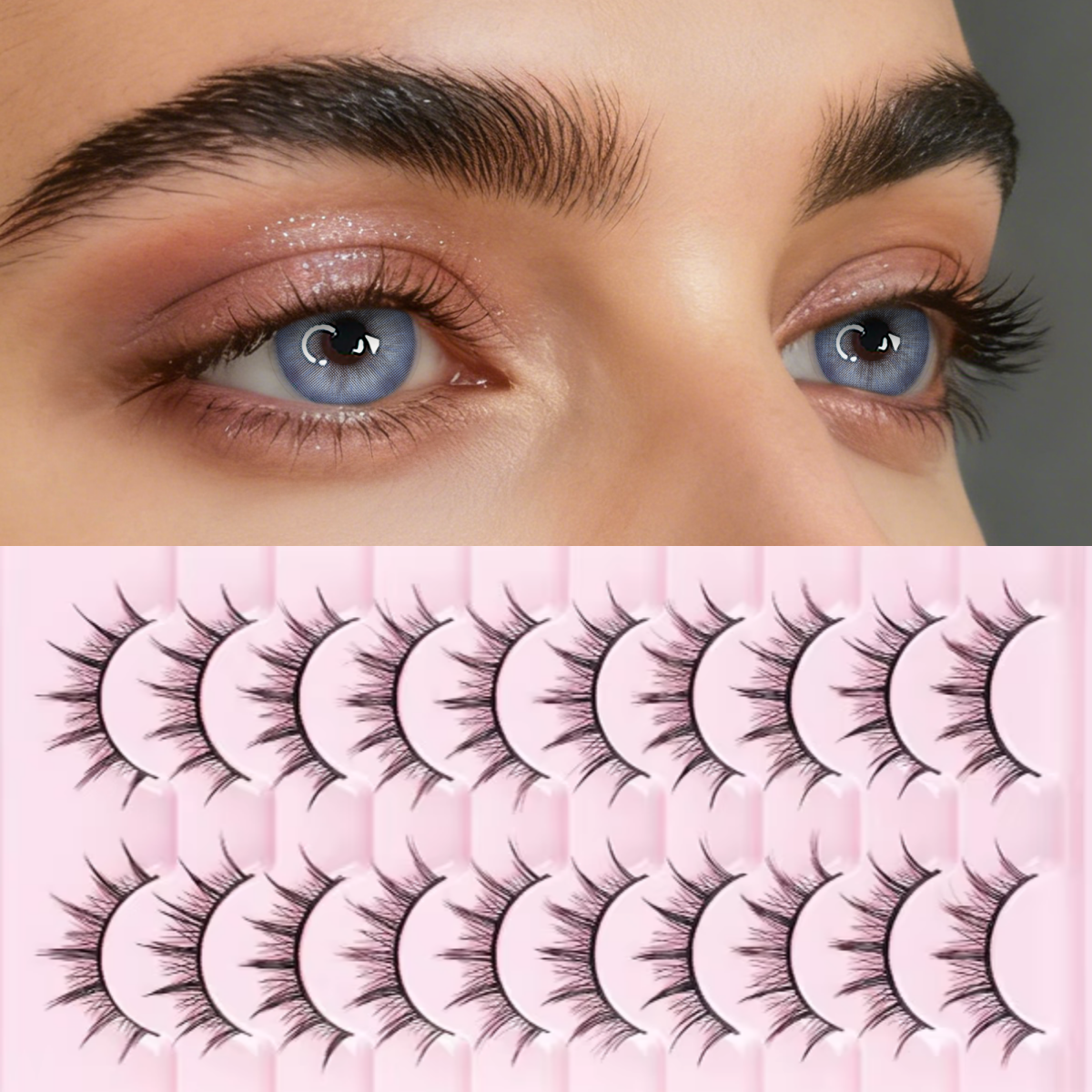
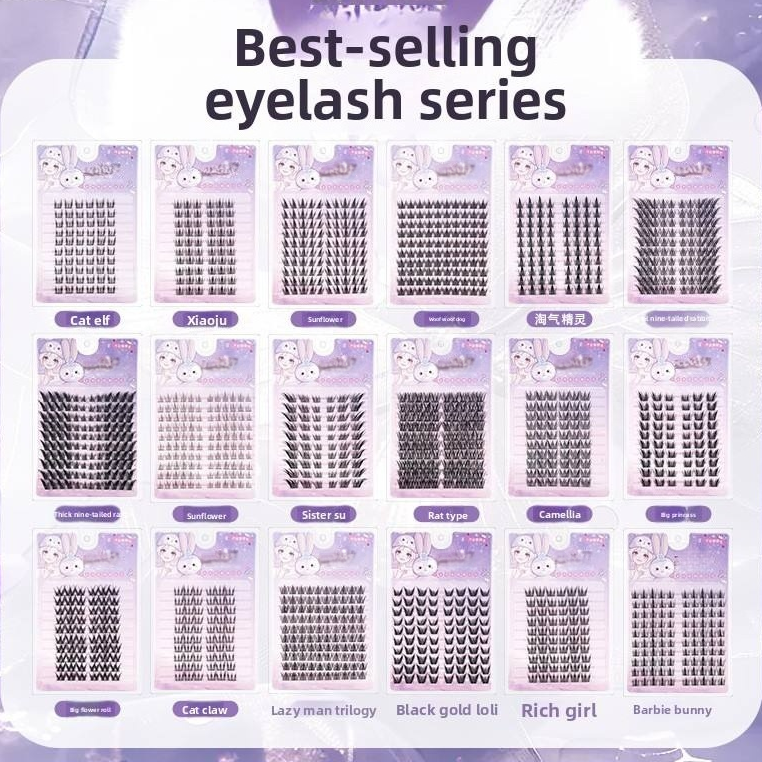
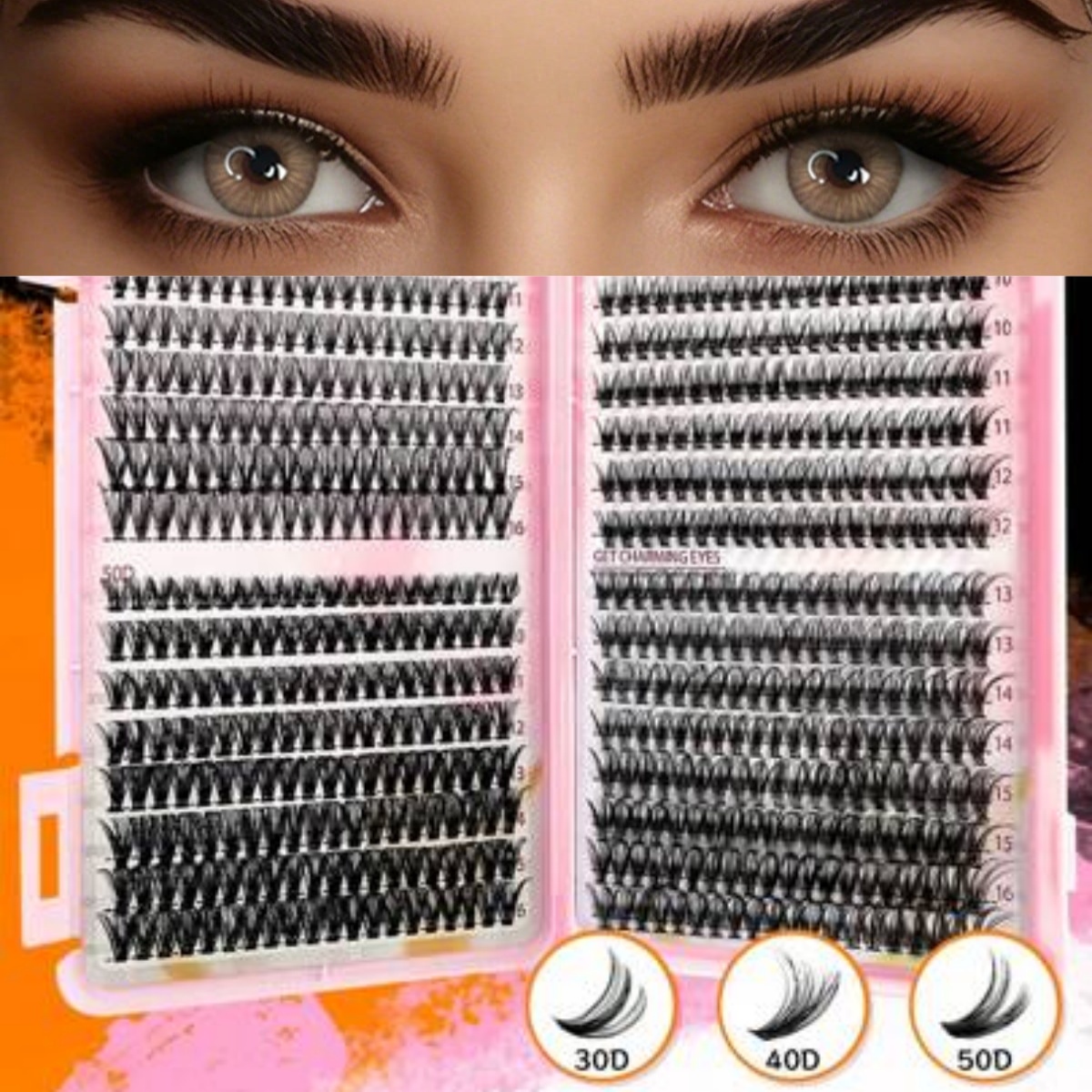
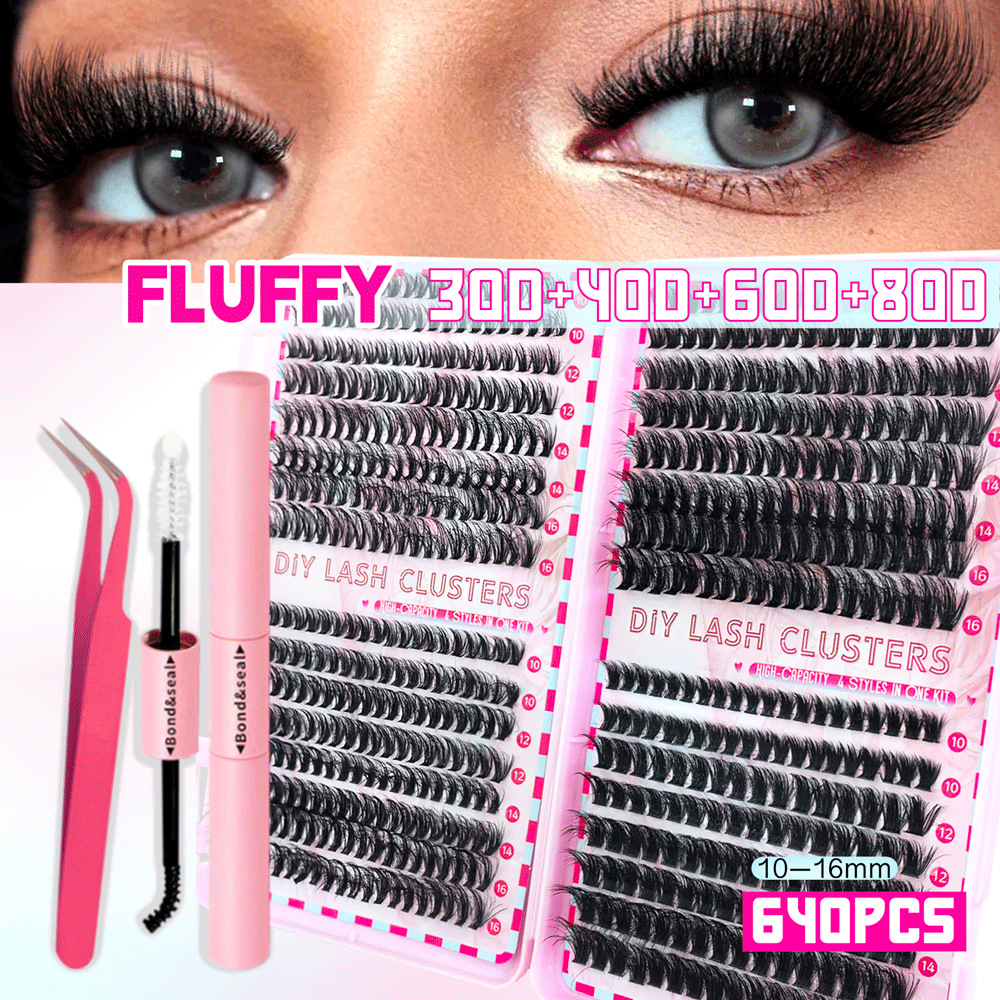
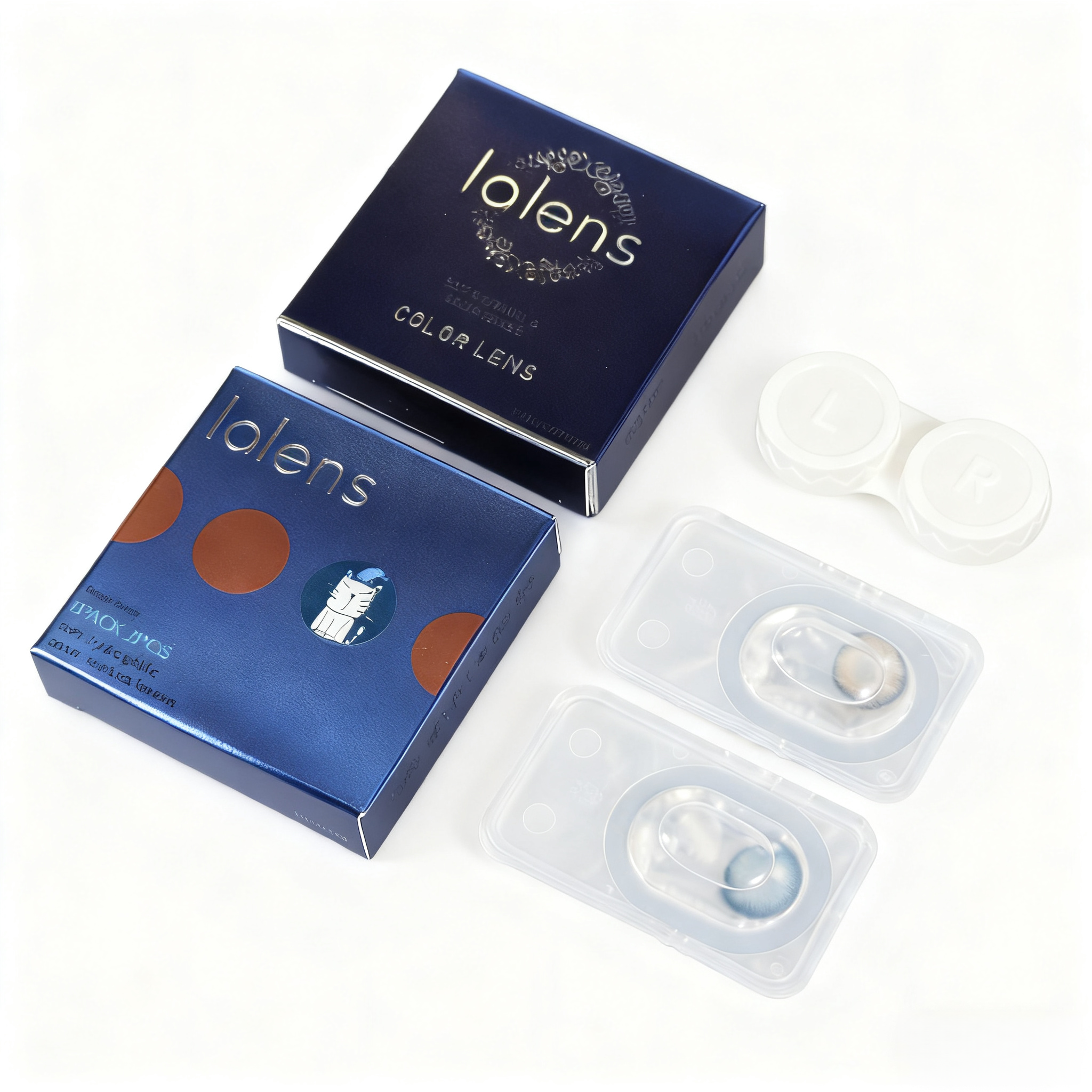
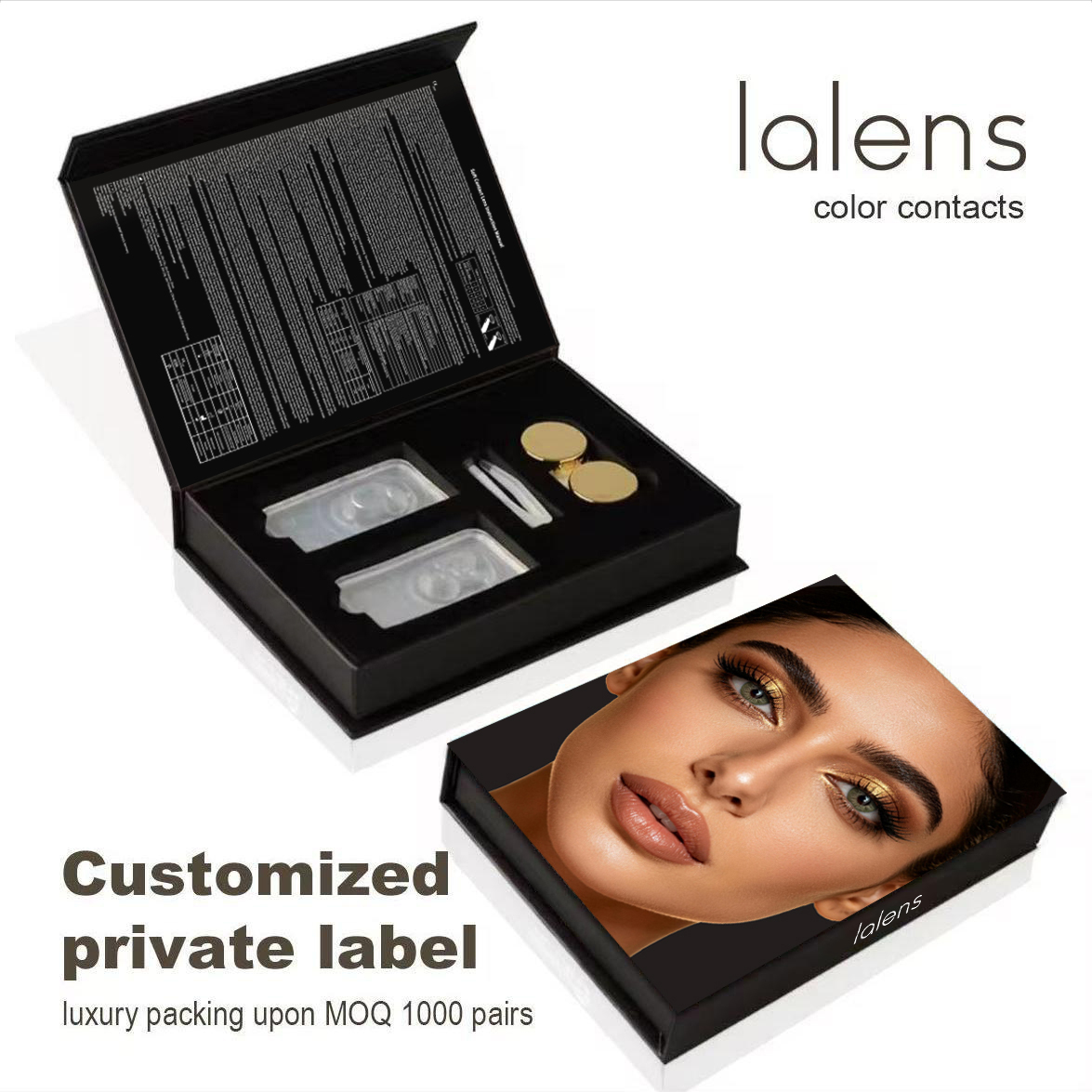
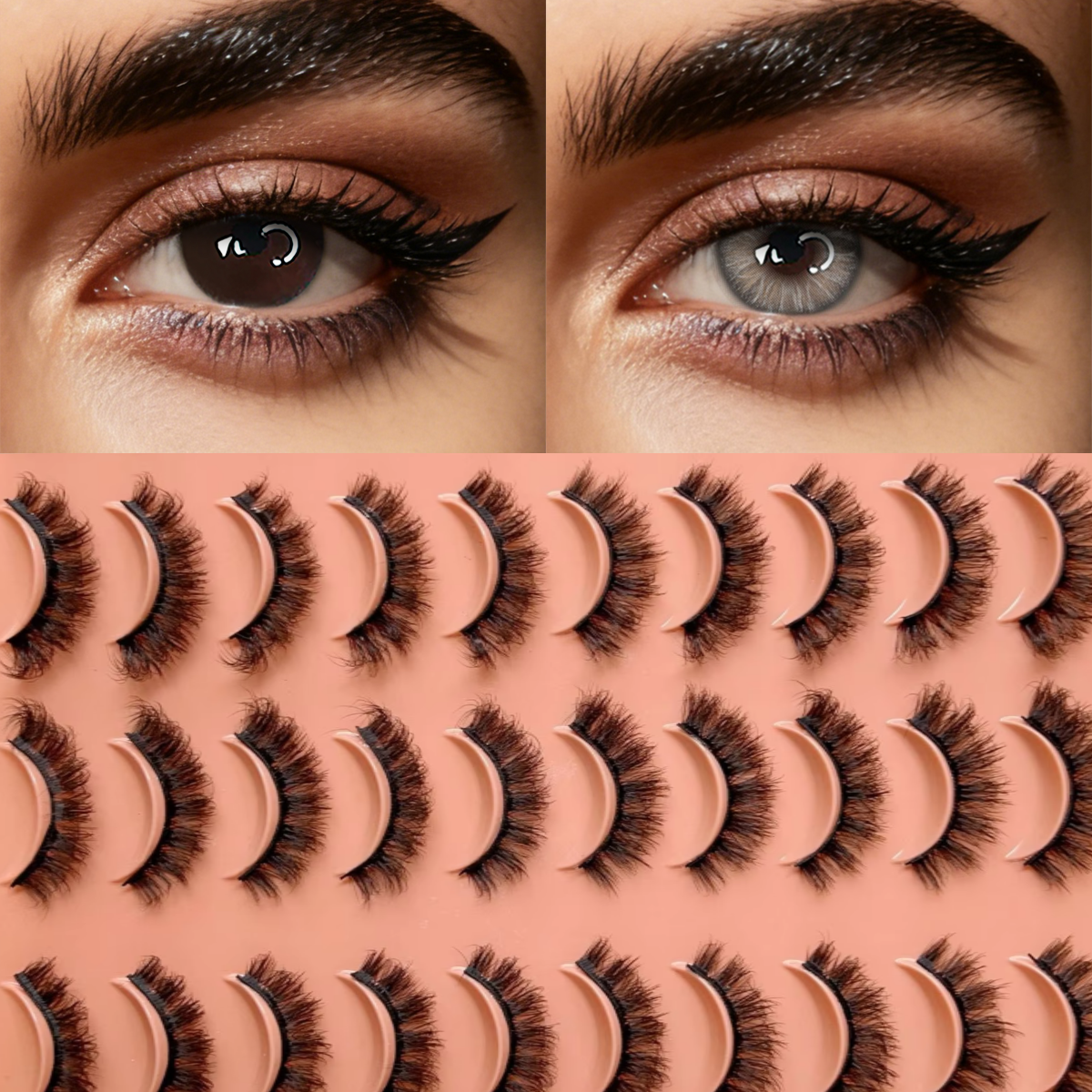
Engineering Superiority: Korean Style Color Contact Lenses Manufactured in China
The global optical cosmetics landscape has evolved from simple vision correction into a high-growth aesthetic consumer segment. Historically pioneered by South Korean optical designers who popularized natural iris-replicating micro-dot printing, the market has undergone a dramatic supply-chain convergence. As an elite China-based manufacturing conglomerate operating under rigorous medical device standards, Shenzhen Lalens Co., Ltd integrates authentic Korean aesthetic styling with scalable, high-precision automated manufacturing.
Central to this engineering accomplishment is the proprietary Sandwich Cast-Molding Technology. Traditional cosmetic lenses produced via surface-printing methods carry an unacceptable risk of micro-abrasion, pigment leaching, and surface roughness, which increases ocular protein deposition and bacterial adherence. In our cleanroom environment, bio-compatible colorants are permanently encapsulated between two homogeneous layers of Poly-HEMA (2-hydroxyethyl methacrylate) hydrogel matrix. The pigment layer never directly contacts the corneal epithelium nor the palpebral conjunctiva, preserving optical clarity, oxygen transmissibility (Dk/t), and physiological ocular health throughout the wearing duration.
Encapsulated Pigment Matrix
Zero surface-exposed pigment via double-sided cast-molding encapsulation. Biocompatibility verified through rigorous cytotoxic and ocular irritation assays.
Optimized Fluidics & Edge Design
Multi-curved posterior surface profile with tapered, ultra-smooth edges that maximize tear exchange across each blink cycle, avoiding mechanical edge pinching.
Standardized Optical Consistency
Sub-micron tolerance CNC molding tooling guarantees that Base Curve (8.6 mm) and Total Diameter (14.0 mm to 14.5 mm) maintain repeatable tolerances batch after batch.
Global Procurement Shifts & Technological Trends
Procurement directors and brand managers are adapting to shifting consumer habits and strict cross-border trade regulations. To succeed in the modern contact lens distribution space, brands must monitor three fundamental supply-chain developments:
The Shift Toward Daily Disposables
While monthly and annual replacement regimes remain volume drivers in developing optical markets, North America and Europe are rapidly adopting daily disposable color lenses. Higher hygiene compliance, convenience, and reduced tear-film breakdown make daily hydrogel or silicone hydrogel configurations essential for modern brand catalogs.
Integrated Brand Ecosystems
Distributors are moving away from fragmented vendors. Cross-category beauty brands are bundling customized color contact lenses with tailored secondary packaging, high-tier rigid display gift boxes, and complementary eye makeup elements such as false eyelashes. Single-source supply frameworks eliminate logistical overhead and preserve brand cohesion.
Stringent Auditing & Digital Traceability
With tightening enforcement by international health agencies (including US FDA, EU MDR, and UK MHRA), uncertified suppliers are being eliminated from global supply chains. Enterprise buyers require factories with auditable batch tracing, validated cleanrooms, pre-inspected sterile barrier blister systems, and automated vision verification.
Why Global Brands Partner with Lalens Factory
Shenzhen Lalens Co., Ltd represents 16 continuous years of dedicated contact lens and beauty packaging innovation. By housing design rendering, master mold fabrication, color compounding, cleanroom cast molding, visual inspection, blister packing, and final rigid box assembly within unified, ISO 13485-certified facilities, we provide reliable quality, flexible MOQs, and swift turnaround times.
Full-Spectrum OEM / ODM Customization
Over 500 validated patterns—from natural subtle hazel, misty gray, and vibrant anime blues to full sclera special effects. Tailored Base Curve, diameter variations, and dual prescription (-0.50 to -10.00 D) power calibration.
Integrated Structural Packaging Division
Direct in-house manufacturing of customized cardboard blister boxes, luxury rigid setup boxes, customized foil seals, and regulatory instruction leaflets (IFUs) that meet FTC and FDA labeling mandates.
Fast Delivery & Real-Time Support
Samples dispatched within 24–48 hours, reaching US, UK, and European hubs in 5 to 8 business days. Our 24/7 technical and export sales desk handles continuous multi-timezone customer inquiries.
Frequently Asked Questions for Contact Lens Procurement
Clear, technically accurate answers covering import regulations, manufacturing mechanics, order quantities, and sample evaluations.
1. How does sandwich-print technology safeguard patient eyes against color pigment leaching? +
2. What regulatory documents are provided for customs clearance in the US, EU, and UK? +
3. What are the minimum order quantities (MOQs) for custom private label programs? +
4. Can you supply prescription (corrective) powers alongside plano (0.00) cosmetic lenses? +
5. How do you maintain color consistency across repeated bulk production runs? +
6. What is the typical sample testing lead time and production cycle? +
Initiate Your OEM Contact Lens Partnership Today
Connect with our technical optical engineers, request physical sample boxes, or review our regulatory audit files to support your brand's growth.
Contact Us