Featured OEM/ODM Cosmetic Lens & Eye-Beauty Collections
Full-run integrated optical and cosmetic manufacturing from Guangzhou and Shenzhen cleanrooms. Explore certified medical lenses, precision lash extensions, and custom branded packaging suites.
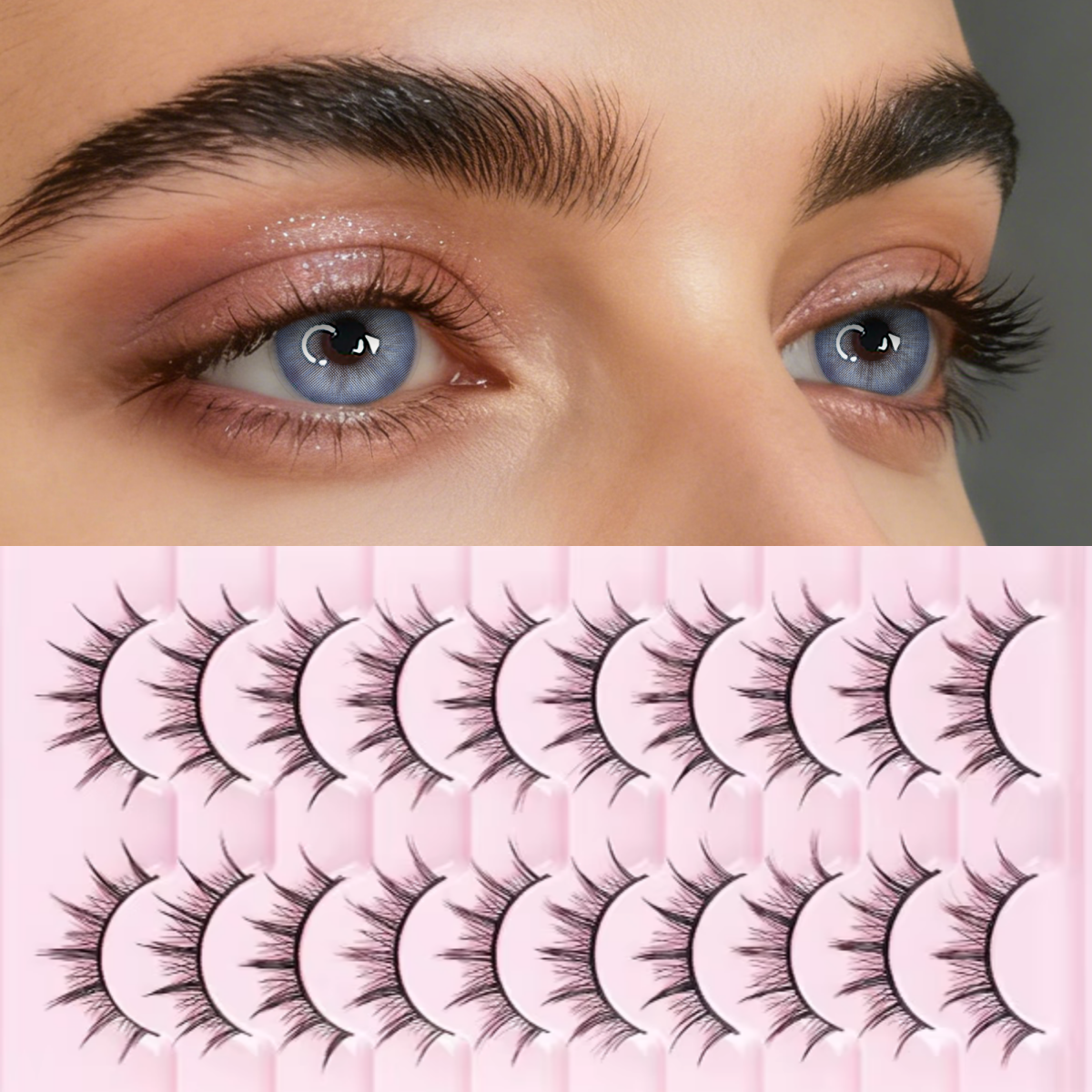
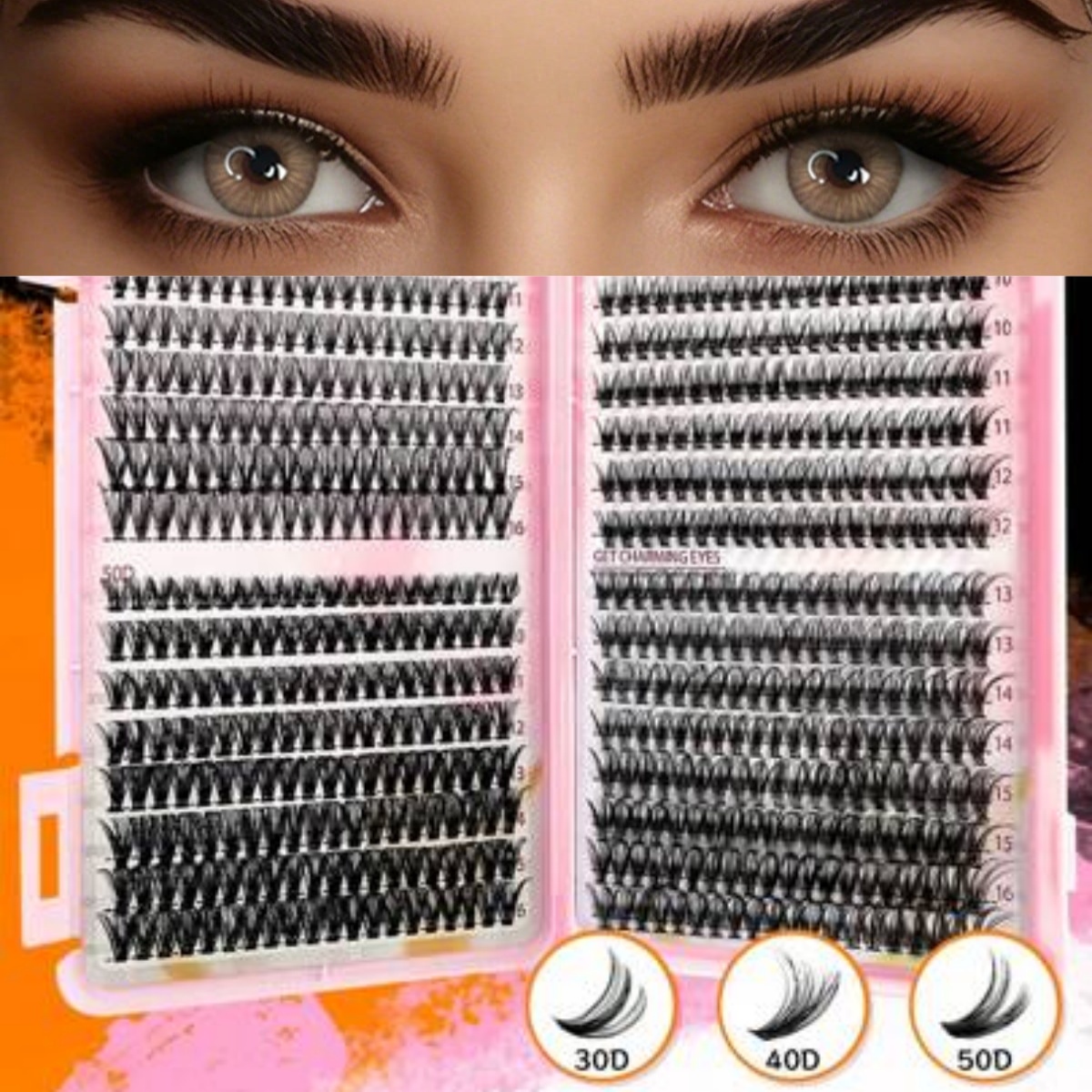
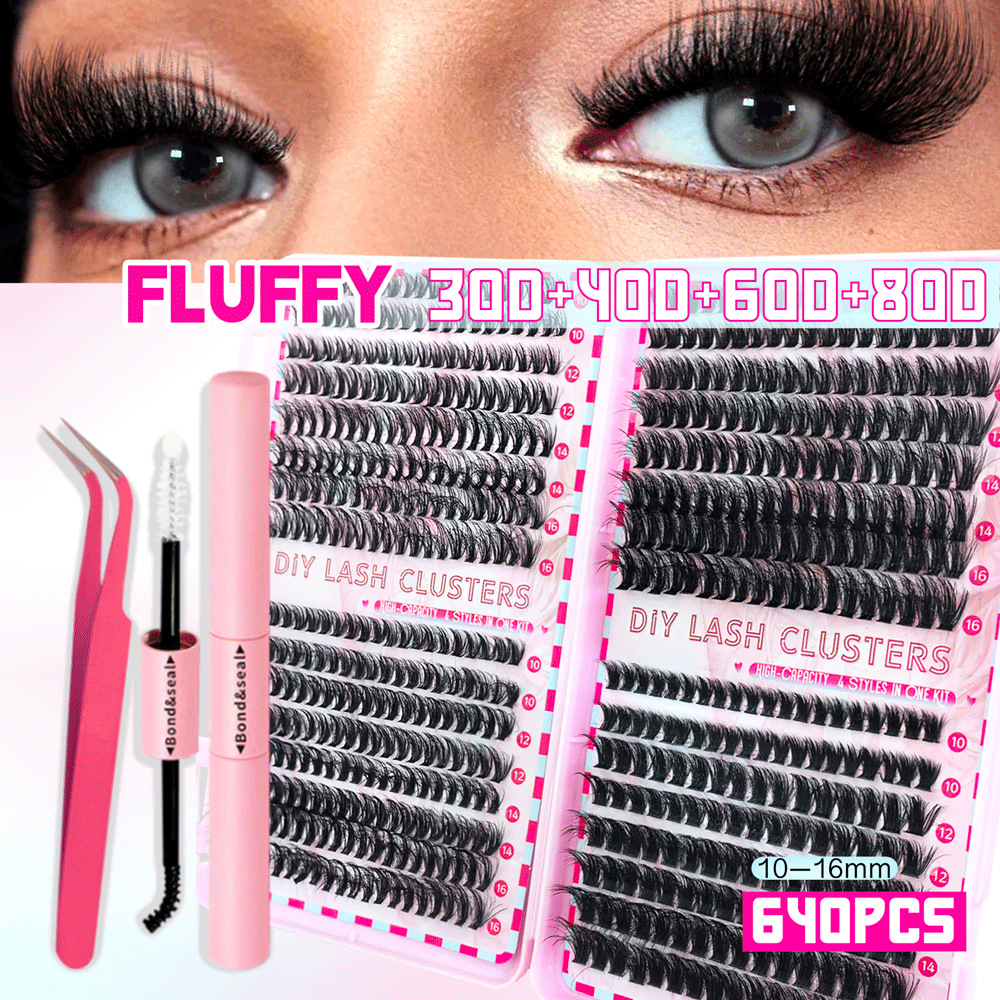
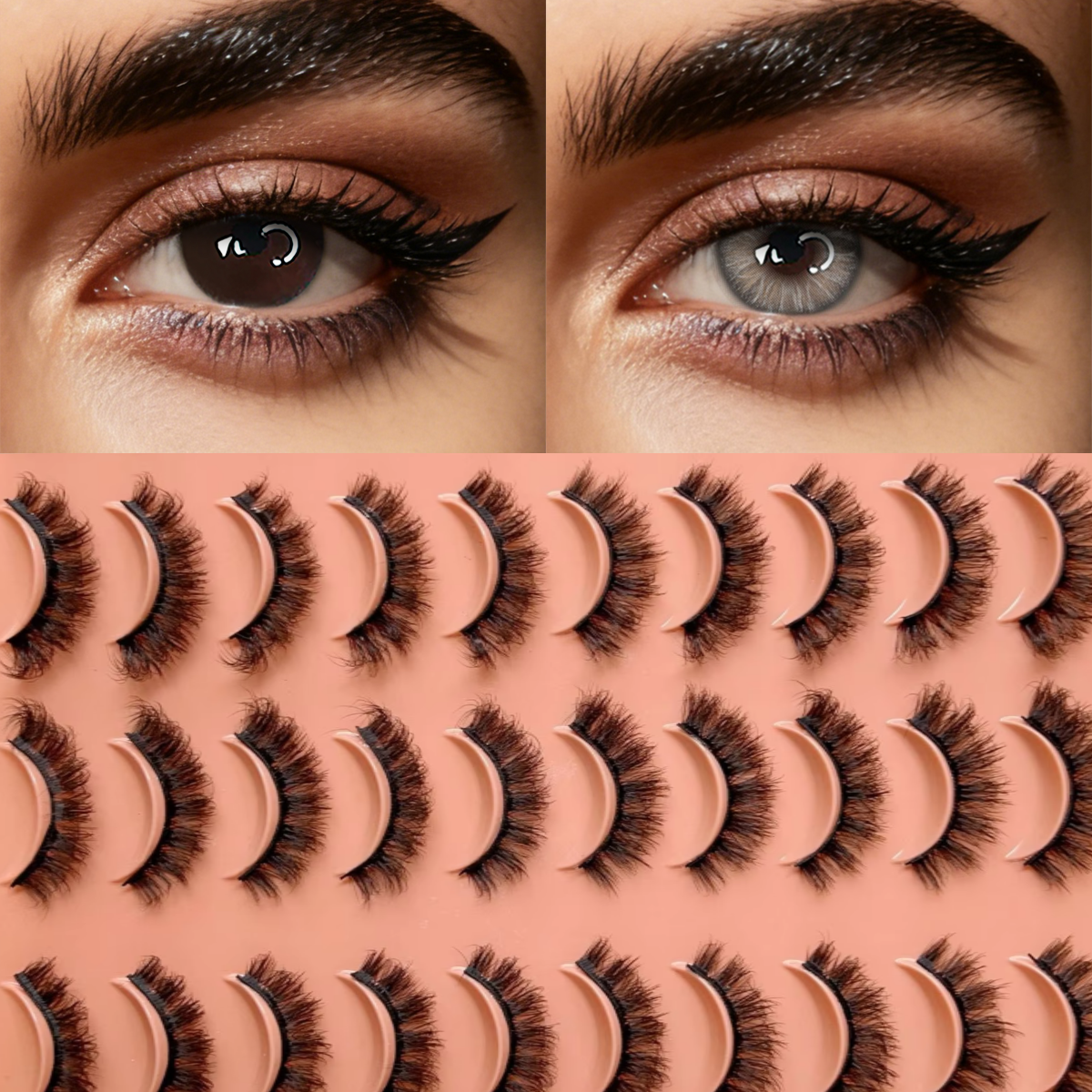
Guangzhou & Shenzhen Precision Manufacturing Infrastructure
Demystifying ocular device fabrication: how high-volume cast molding, closed-loop sterilization, and pigment encapsulation protect international brands against clinical recalls and customs confiscations.
Bio-Compatible Sandwich Printing
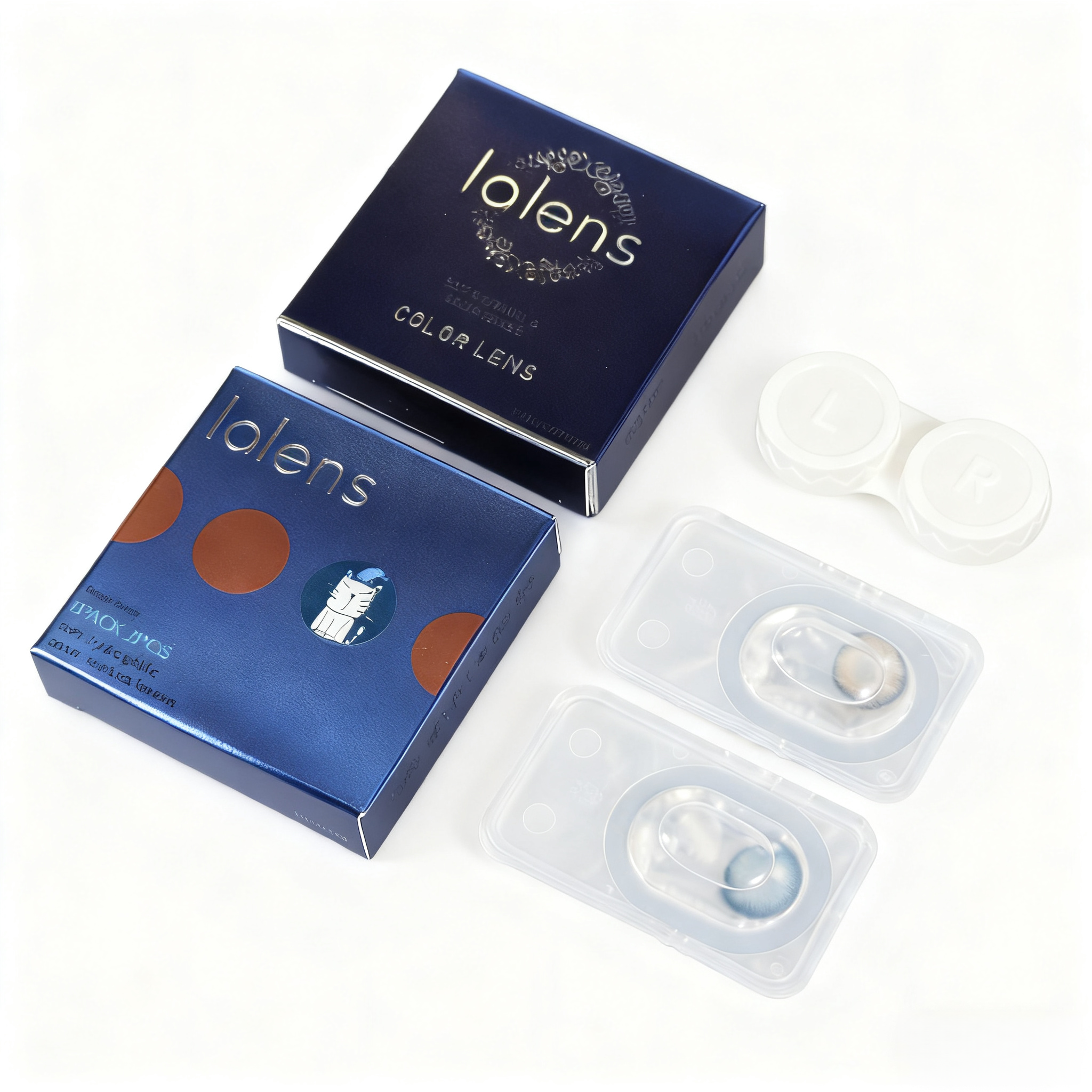
Inferior color lenses utilize surface print technology where colored inks sit exposed to ocular tissues, risking chemical keratopathy and mechanical erosion. Our facility utilizes a proprietary 3-layer sandwich casting technique.
The color pigments (iron oxides, titanium dioxide, and phthalocyanine complexes) are micro-encapsulated safely between two homogenous hydrogel strata. Zero reactive pigment ever makes physical contact with the corneal epithelium or tarsal conjunctiva.
Cast-Molding Nanometer Tolerances
Unlike lathe-cutting methods which introduce microscopic striations and uneven peripheral edge profiles, our automated production lines utilize optical-grade cast molding.
Every mold cavity is diamond-turned with sub-micron precision to maintain curvature tolerances of ±0.02 mm across a standard 8.6 mm Base Curve (BC) and 14.0 mm to 14.5 mm Total Diameter (DIA). This ensures consistent sagittal depth, smooth tear exchange, and zero corneal hypoxia.
Class 100,000 GMP Cleanrooms
Contact lenses and delicate synthetic lash fibers are manufactured inside ISO 14644-1 certified cleanroom environments. Automated hydration, blister saline filling, and ultrasonic foil induction are executed without human contact.
Terminal sterilization is performed via calibrated medical-grade moist heat autoclaves operating at 121°C for 20 minutes under 105 kPa, securing an absolute Sterility Assurance Level (SAL) of 10⁻⁶ compliant with EN 556-1 standards.
| Performance Parameter | Lalens Guangzhou/Shenzhen Line | Standard Market Commodity | Clinical & Import Advantage |
|---|---|---|---|
| Pigment Encapsulation | Triple-Layer Intercalated Sandwich Process | Single-Layer Surface Pad Printing | Eliminates risk of color leaching, dye transfer, and chemical eye irritation |
| Water Content Equilibrium | 38% (Yearly/Monthly) / 55% (Daily Disposable) | Unregulated 45%–60% non-stable | Prevents tear-film desiccation; suitable for air-conditioned & digital screen use |
| Oxygen Transmissibility (Dk/t) | 22 × 10⁻⁹ (Fatt units, edge corrected) | < 14 × 10⁻⁹ | Maintains corneal metabolic aerobic state; prevents neovascularization |
| Optical Edge Profile | Tapered Bevel Multi-Curve Contour | Square Blunt Cut Profile | Minimizes foreign body sensation; maximizes comfort across 12-hour wear cycles |
| Regulatory Validation | ISO 13485:2016, CE Mark, US FDA Master File Data | Self-declared or domestic-only test | Full lot traceability; seamless US FDA 510(k) and EU MDR importing clearances |
Future Procurement Trends for Global Lens & Eye Aesthetics Importers
Navigating shifting retail dynamics, changing consumer wear schedules, and evolving cross-border medical device requirements from 2025 to 2030.
1. The Shift to High-Frequency Disposables (Daily & Monthly)
While annual replacement lenses traditionally dominated the private label market due to margin economics, international purchasing has aggressively rotated toward daily disposable (1-Day) and monthly replacement modalities. Hygiene awareness among Gen-Z and millennial demographics has made sterile blister multipacks the fastest growing retail SKU.
Factories equipped with ultra-speed strip packaging lines that can formulate higher water content hydrogels (such as 55% PolyHEMA with added biocompatible moisturizing agents like hyaluronic acid and MPC) are capturing long-term recurring replenishment contracts.
2. Convergence of Eye Makeup & Contact Lens Merchandising
Direct-to-consumer (DTC) beauty enterprises and salon distributor groups are systematically grouping cosmetic lenses with premium lash extensions, magnetic adhesives, and eye cosmetics. Sourcing both product lines from an integrated Guangdong manufacturing alliance reduces supply chain friction, unifies brand color profiles, and compresses freight costs.
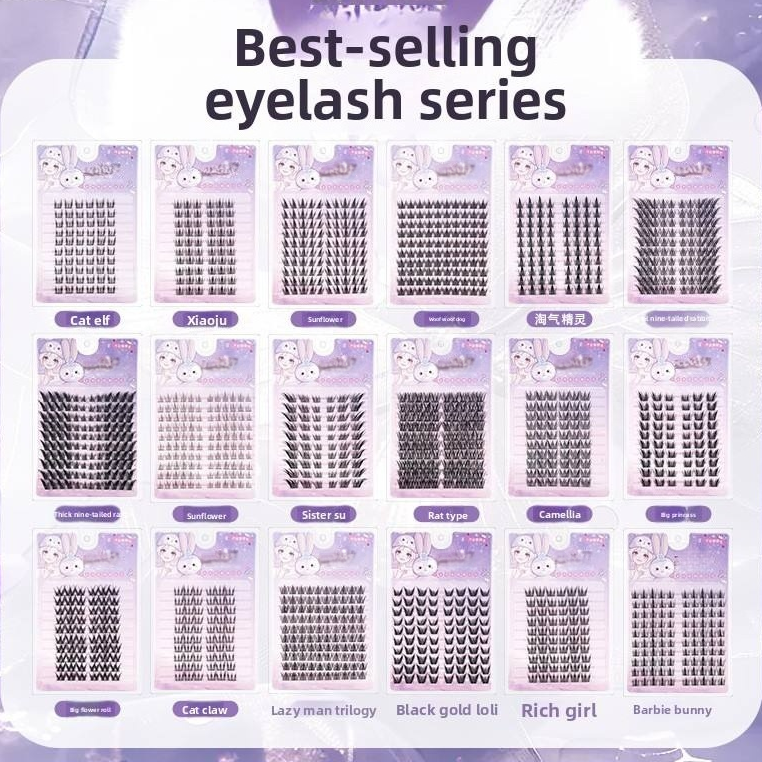
Our dual-production matrix bridges soft optical hydrogels with clean-band faux mink lashes and high-end rigid paperboard gift packaging, allowing buyers to launch comprehensive ocular cosmetic lines under a unified private label.
3. Regulatory Auditing & UDI Standardization
Regulatory bodies—notably the US FDA under the Contact Lens Rule and 21 CFR Part 801, along with European authorities under MDR (EU) 2017/745—now enforce strict Unique Device Identification (UDI) barcoding and pre-market validation even for non-corrective (plano 0.00) decorative lenses.
Procurement managers are abandoning non-certified trading brokers in favor of established factories that furnish comprehensive technical documentation dossiers, Master Device Files, ISO 10993 biological evaluation reports, and compliant bilingual packaging artwork.
4. Micro-Dot Optical Blending & Hyper-Realism
The days of flat, pixelated color rings are over. Modern consumers demand 3-tone and 4-tone gradient matrix prints that mimic the organic radial crypts and collarette fibers of the human iris. High-definition micro-dot printing ensures that even dark brown or black Asian eyes achieve a believable hazel, ice-blue, or light graphite aesthetic.
Our design archive of over 500 validated patterns incorporates soft, feathered limbal rings that enlarge the visible iris diameter naturally without creating an unnatural 'bug-eye' effect.
Next-Generation Lens Technologies Emerging from China
From smart silicone polymers to blue-light blocking matrixes, discover how our Guangzhou manufacturing and laboratory hub is redefining soft contact lens capabilities.
Silicone Hydrogel Integration
Incorporating fluorosilicone macromolecules into traditional hydrogel backbones to elevate Dk values from 20 up to 85+, facilitating overnight wear tolerances and maximum oxygen diffusion for active consumers.
HEV / Blue-Light Filtering
Integrating non-leaching monomeric organic absorbers that selectively filter 380 nm–450 nm high-energy visible violet-blue radiation, catering to high screen-time office workers without degrading cosmetic color rendition.
Automated AOI Defect Vision
Deploying 360-degree sub-pixel automated optical inspection (AOI) cameras during wet-state hydration, discarding lenses with edge flash, air bubbles, optical aberrations, or pattern misalignments under 10 milliseconds.
Eco-Conscious Packaging
Transitioning secondary cartons and blister secondary cards to FSC-certified recyclable rigid paperboard with soy inks, replacing single-use plastic trays with bioderived PLA composites to meet European circular economy directives.
Why Top Global Brands Partner with Our Guangzhou Factory
More than a contract manufacturer. We operate as your dedicated technical extension in Southern China, combining rapid prototyping, stringent medical auditing, and seamless international logistics.
Direct Factory Economics & Flexible MOQs
By bypassing commercial middlemen and export brokers, overseas partners access authentic tier-1 manufacturing pricing. For in-stock catalog patterns, wholesale orders commence at only 100 pairs per color.
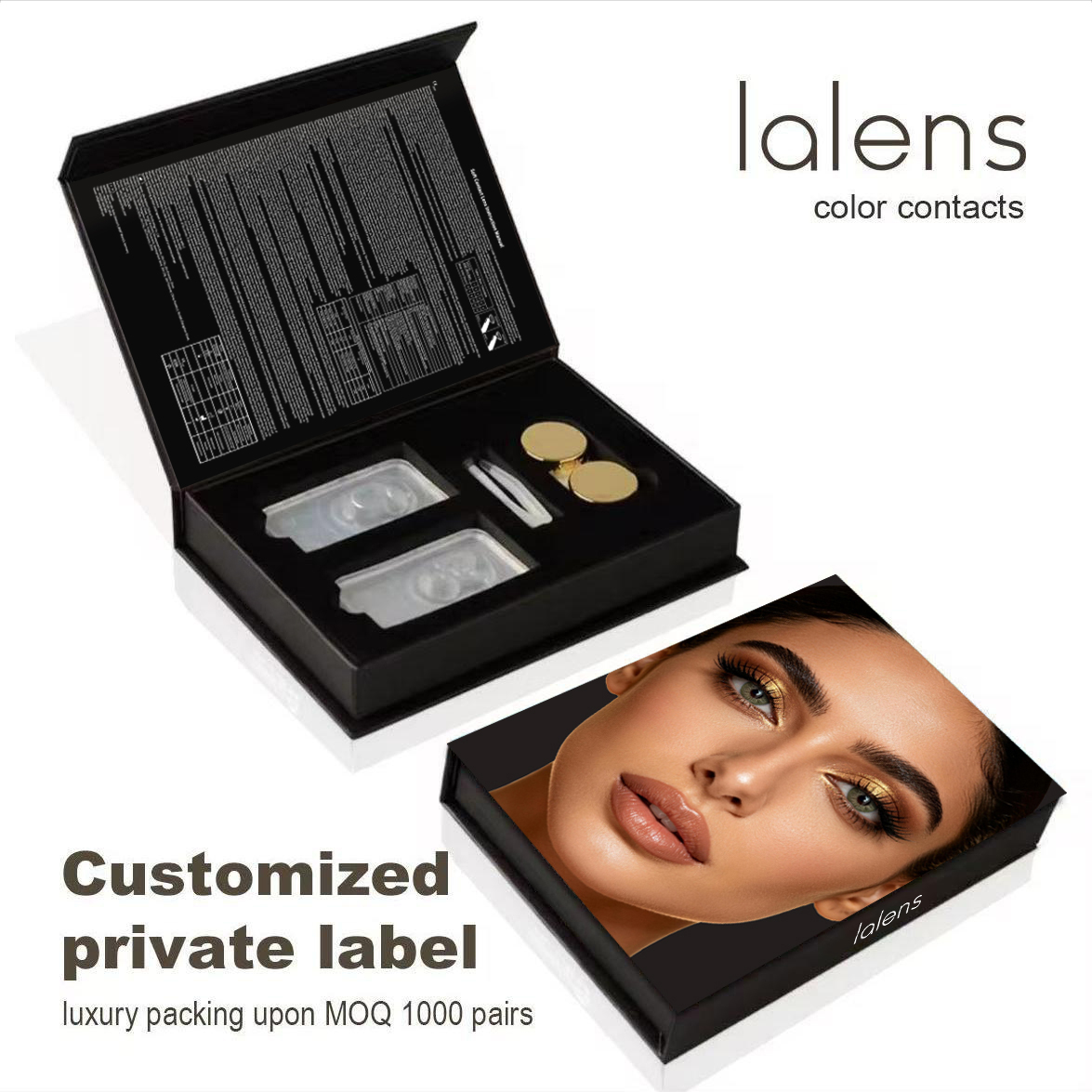
Fully customized private label programs—including custom diopter ranges from plano (0.00) to -10.00 D, unique blister foil lidding, and English instruction inserts—scale efficiently from 1,000 units.
Rapid Air Sampling & Express Fulfillment
Wear-test samples, physical shade proofs, and packaging mockups are dispatched via DHL, FedEx, or UPS Priority within 48 hours of specification sign-off, reaching US and European corporate offices in 5 to 8 business days.
Bulk commercial shipments are supported via door-to-door air freight with DDP (Delivered Duty Paid) terms, fully pre-cleared with customs documentation, commercial declarations, and Harmonized Tariff System (HTS) codes.
24/7 Multilingual Account Management
Optical manufacturing operates on tight project windows. Our specialized export engineering desk runs round-the-clock rotations corresponding to US Eastern, Central, and Pacific working hours as well as Central European Time.
Technical queries regarding diopter power splits, shelf-life real-time stability data, lot release reports, or carton die-lines receive prompt, documented engineering responses within 2 business hours.
Step-by-Step OEM/ODM Procurement Roadmap
From concept drawing to port delivery: how our structured stage-gate development cycle keeps projects on schedule, on budget, and fully compliant.
Design & Power Matrix Selection
Select from our 500+ library of proven iris patterns or supply CMYK color references for exclusive pattern engineering. Define diopter distribution (-0.00 to -10.00 in 0.25D or 0.50D increments).
Sampling & Clinical Wear-Trial
Receive sterile finished samples for slit-lamp evaluation, on-eye color fidelity verification on both light and dark corneas, tear-film wettability observation, and centration checks.
Packaging & Regulatory Review
Review customized primary blister foil lids, tamper-evident labels, and rigid cartons against target jurisdiction rules (FDA Rx-Only cautions, CE Notified Body symbol, UDI-DI matrix).
Sterilization, QC & Release
High-volume automated cast molding followed by continuous moist-heat autoclave sterilization, biological indicator culture clearance, lot inspection certificates, and rapid DDP dispatch.
Frequently Asked Questions for Contact Lens & Cosmetic Importers
Clear, definitive answers directly from our quality assurance director regarding regulatory classifications, diopter inventories, shelf life, and international logistics.
Are decorative colored contact lenses regulated as medical devices in the USA?
Yes. In the United States, the Food and Drug Administration (FDA) classifies all contact lenses—including zero-power (plano 0.00) cosmetic lenses—as Class II prescription medical devices under 21 CFR 886.5925. Under the FTC Contact Lens Rule, retailers are legally obligated to verify a valid prescription from a licensed optometrist or ophthalmologist before dispensing. We supply US-ready English labeling, lot identification, and expiration dates that fully support your compliance responsibilities.
What is the standard minimum order quantity (MOQ) for custom private label packaging?
For pre-sterilized catalog styles packed in our standardized packaging, MOQs start as low as 100 pairs per color design. For comprehensive private label programs featuring fully customized primary foil lidding, custom diopter power printing, bespoke rigid paperboard packaging, and branded instruction leaflets, the standard entry run is 1,000 units per artwork variation, with flexible allocation across our stock iris shade range.
What is the shelf life of your sterile packaged soft contact lenses?
All sterile hydrogel contact lenses sealed in our high-barrier aluminum-laminate blisters or glass medical vials carry a validated shelf life of 5 years from the date of terminal autoclave sterilization. Accelerated stability testing and real-time degradation assays confirm that pH levels remain buffered at 7.2–7.4, osmotic pressure is maintained within physiological limits (280–320 mOsm/kg), and seal peel-strength exceeds ASTM F88 standards over the full 5-year cycle.
Can you provide prescription corrective powers for cosmetic color patterns?
Absolutely. Our automated mold tooling supports comprehensive spherical power curves spanning plano (0.00 D) through -0.50 D to -6.00 D in 0.25 D increments, and -6.50 D to -10.00 D in 0.50 D increments. We maintain extensive diopter inventories for high-rotation core shades (grays, blues, hazels, and browns), allowing distributors to balance both beauty cosmetic and functional vision-correction consumer markets simultaneously.
How do you guarantee batch-to-batch color repeatability across seasonal reorders?
Color consistency is the single greatest challenge in cosmetic lens manufacturing. We resolve this by utilizing computerized spectrophotometric colorimeter matching against master golden retains. All printing inks are blended with precise digital dosing pumps, and pigment viscosity is monitored in real-time. Finished lots must conform to a Delta E (ΔE) color deviation threshold below 1.0 under standard D65 illuminant conditions before batch release is authorized.
What documentation do you provide for customs clearance and port entry?
Every export consignment includes a full regulatory package: Commercial Invoice, Detailed Packing List, Certificate of Origin (CO/Form A/Form E), Certificate of Free Sale (CFS), Lot-Specific Certificate of Analysis (COA), ISO 13485:2016 quality system audit certificates, and CE declaration of conformity. For US importers, we coordinate DDP delivery and supply manufacturer identification codes (MID) alongside packaging with compliant FDA warnings.