High-Velocity Wholesale Contact Lenses & Packaging Catalog
Manufactured under strict ISO 13485 cleanroom protocols and calibrated for North American and European distributor compliance, explore our flagship soft contact lens configurations and custom brand packaging solutions.
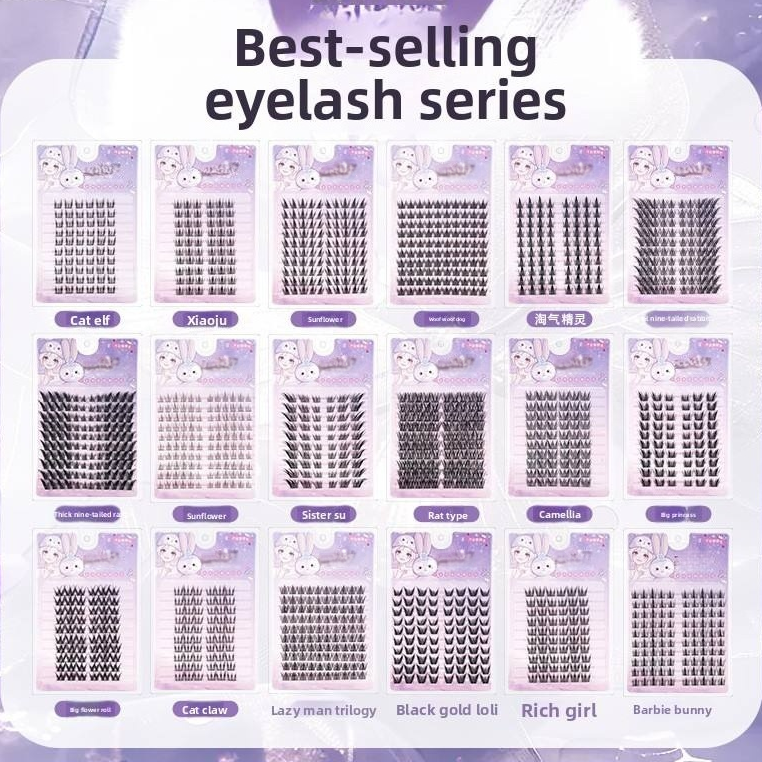
False Eyelashes Family Photo Inevitable Glue-Free Large Capacity Synthetic Hair Lower Upper Eyelashes Sunflower Fox Style Cat
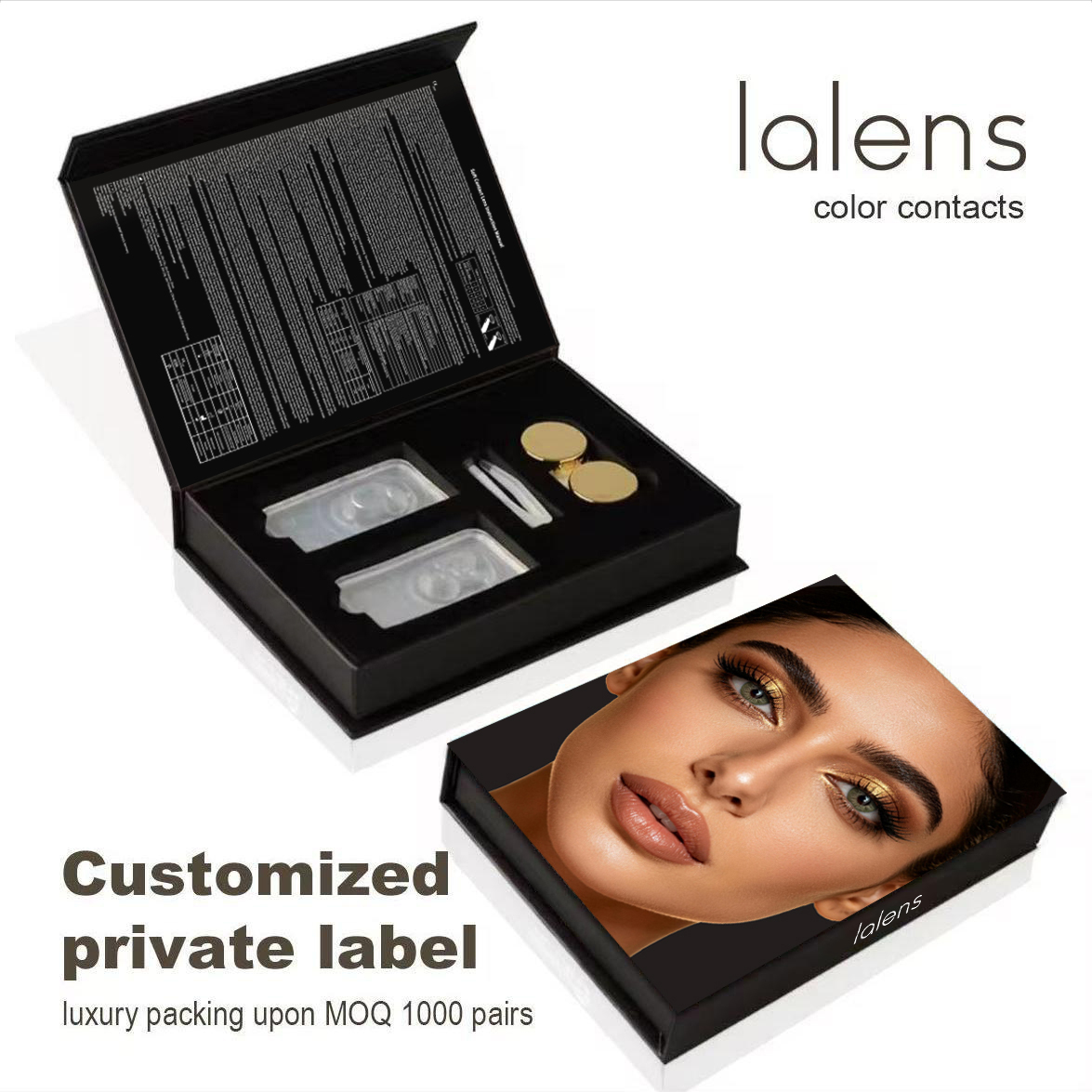
Custom Logo Contact Lens Packaging Rigid Paperboard Square Box Private Label Cosmetic Packing
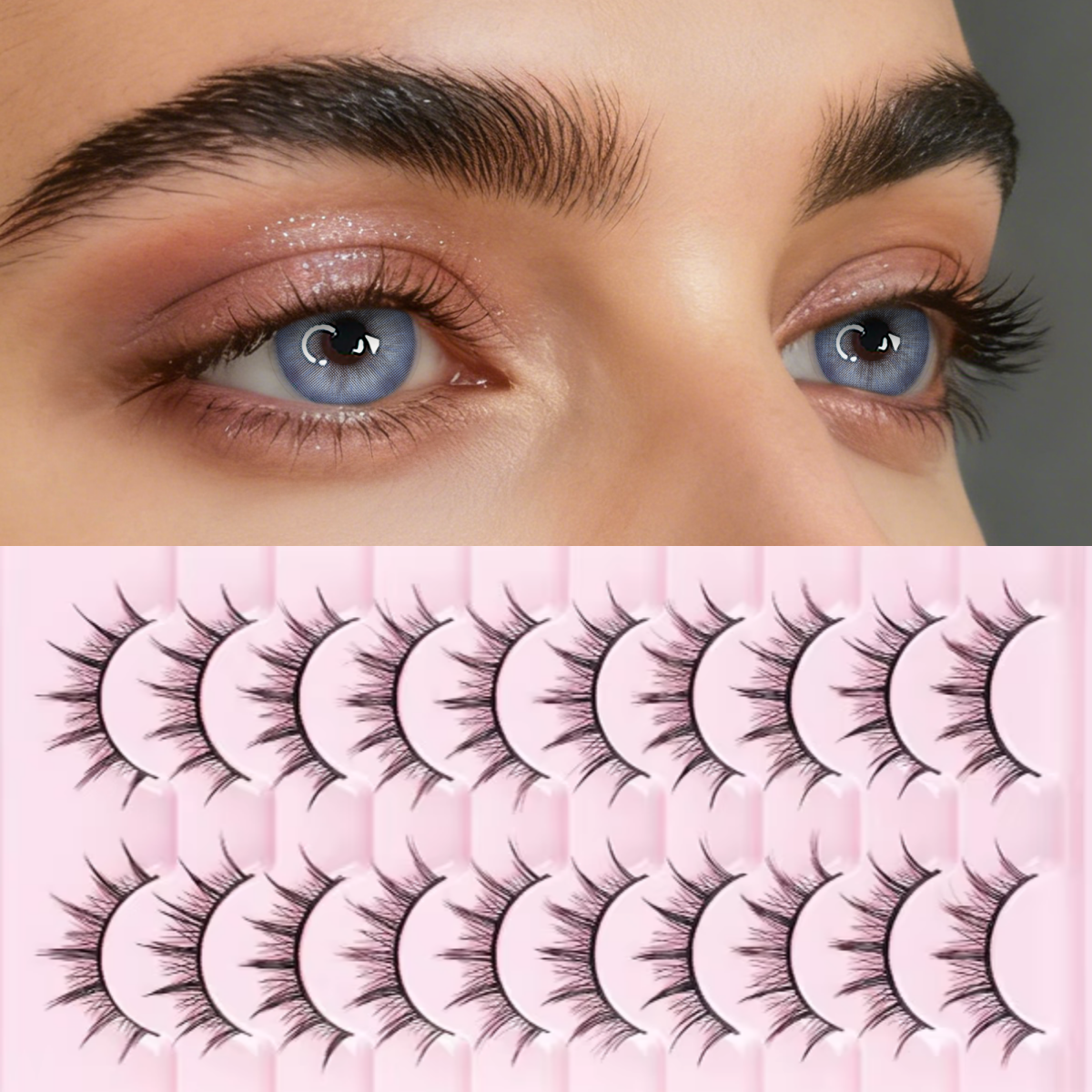
10 Pairs Hard-stem Synthetic Hair False Eyelashes Natural Look Cartoon Little Devil Design Can Hold False Eyelashes
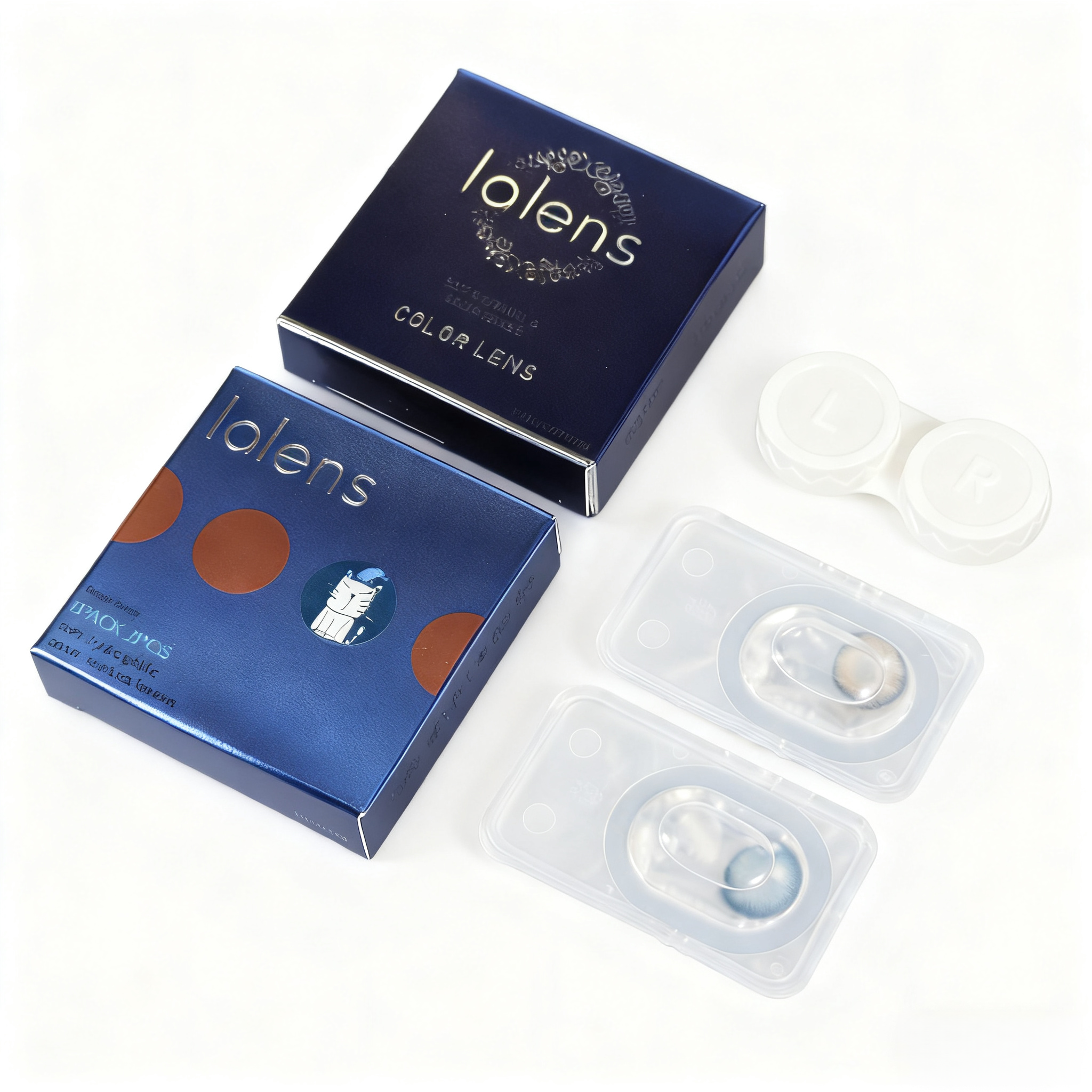
Custom Design Cardboard Soft Contact Lenses Private Label Contact Lenses Packaging Paper Box for Cosmetic Contact Lens
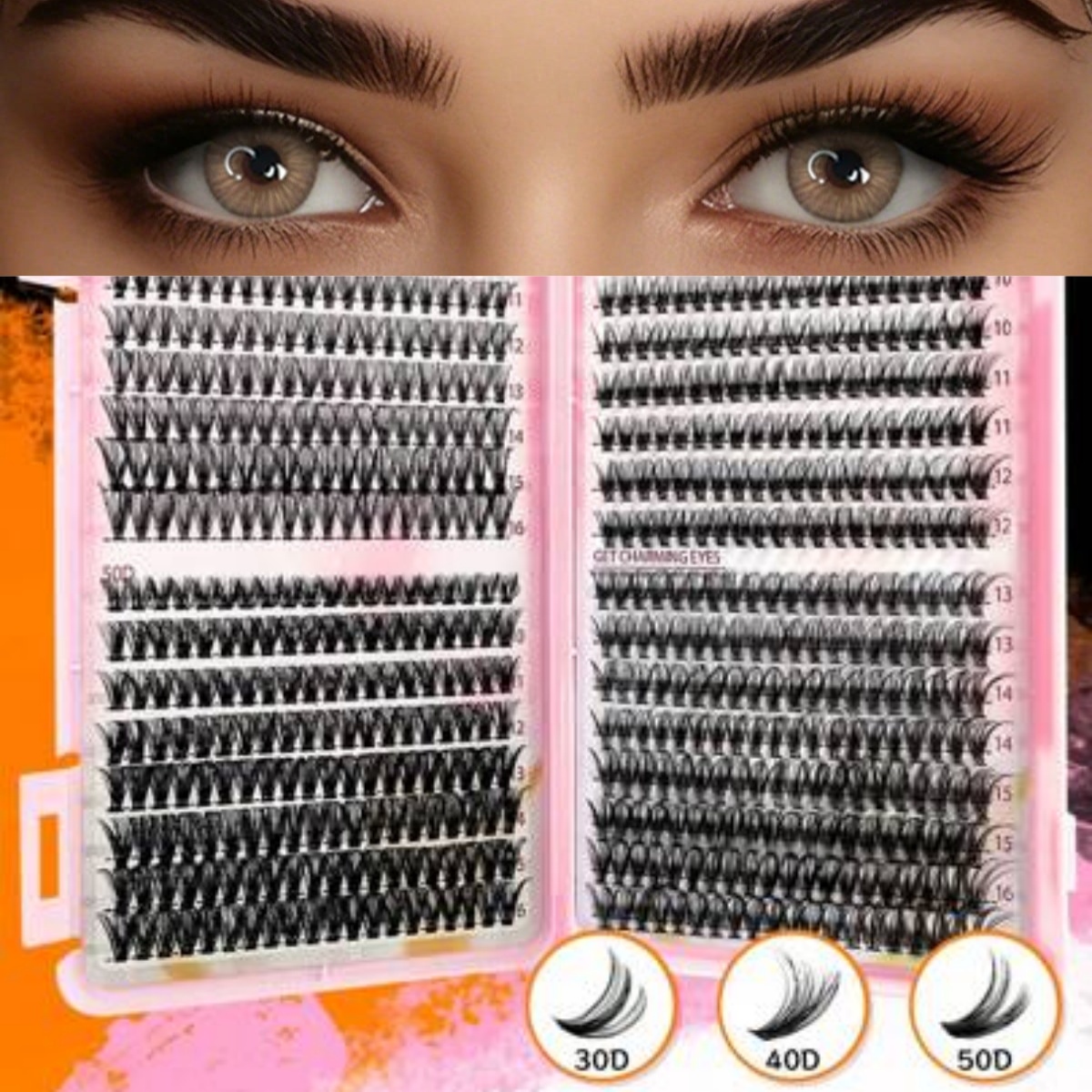
False Eyelashes Box Clear Band Natural Wispy Faux Mink Fluffy Soft Half Lashes for Daily Party Valentine's Day Makeup Wholesale
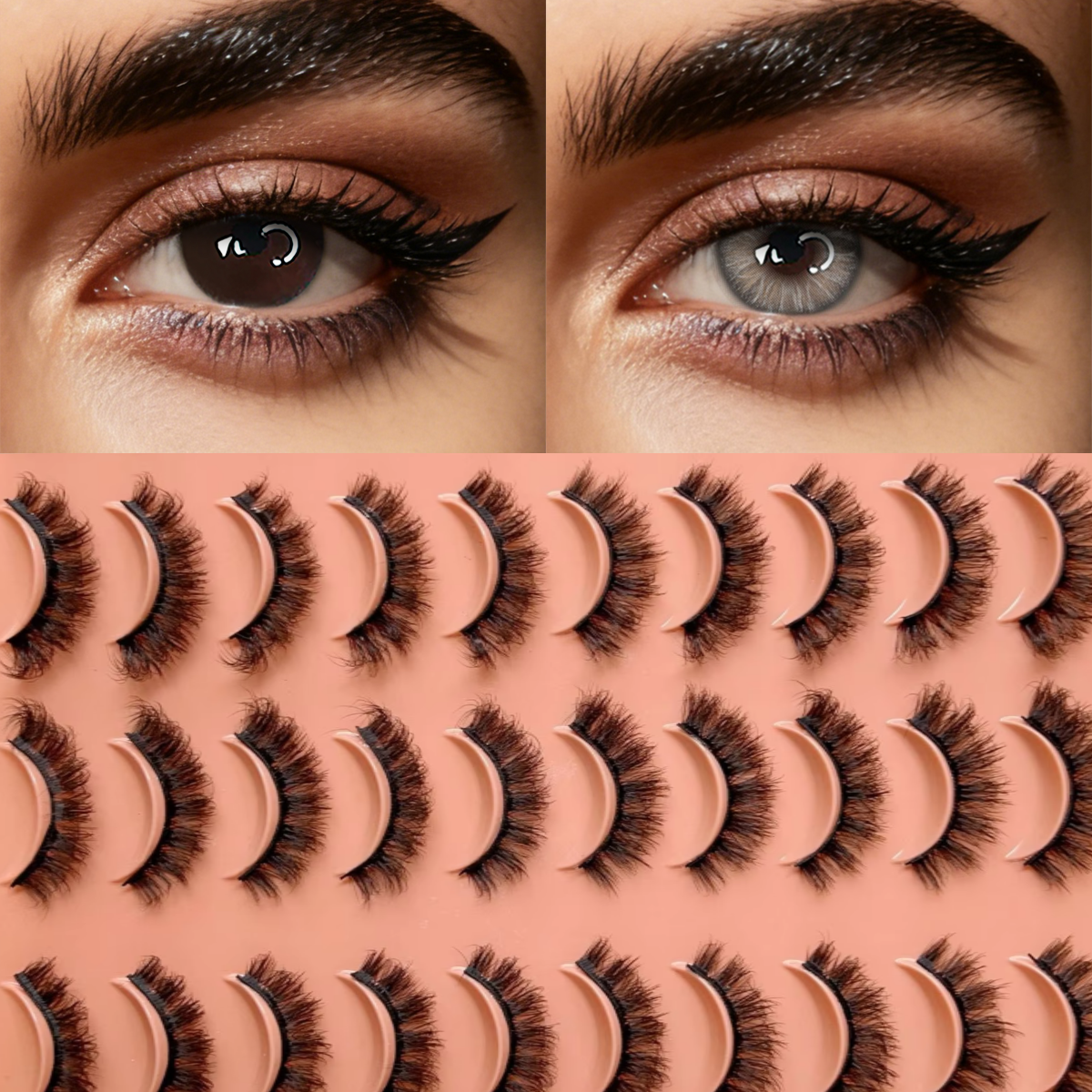
Cross-border Explosions 20 Pairs Mixed 6D Mink Hair False Eyelashes Natural Curling Thick Europe & US Wholesale
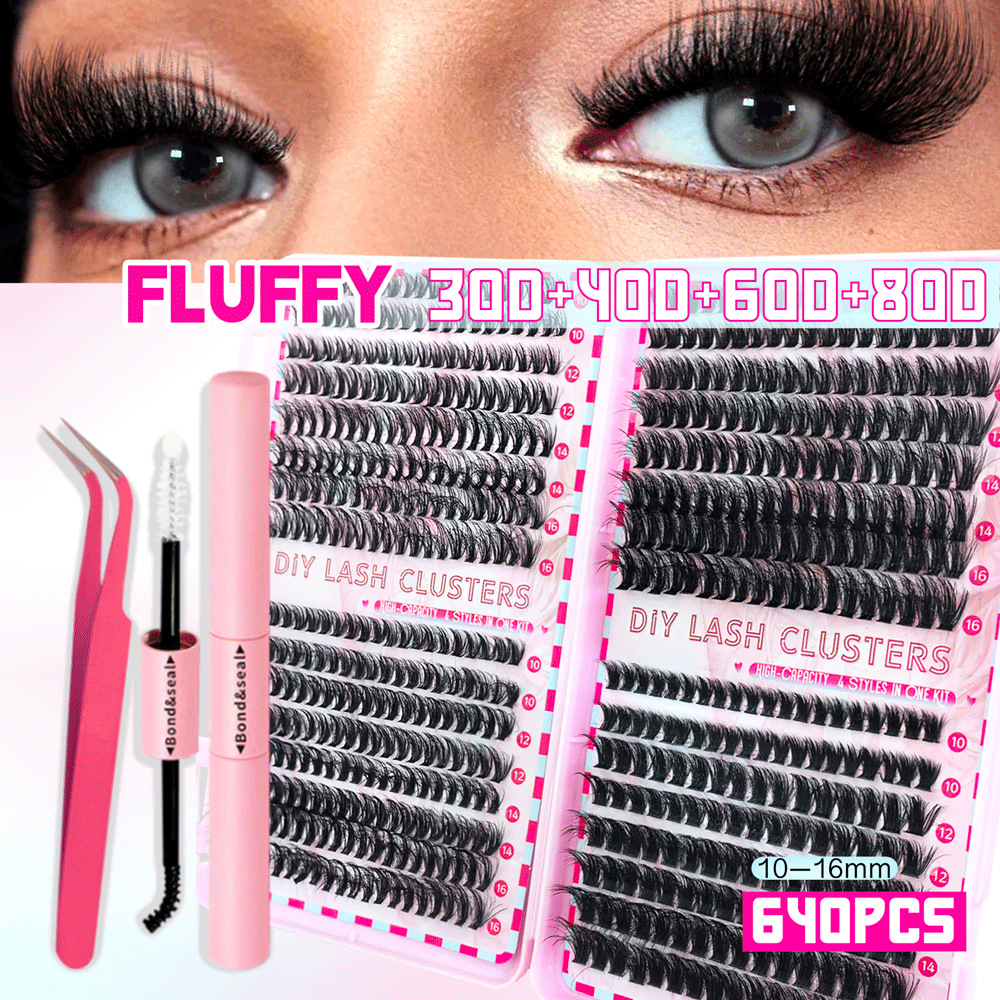
For 30P 40P 32 Row Plastic Black Stem Semi-Hand Made False Eyelash Glue Foreign Trade 60P 80P Blooms Hair European American
Turnkey Private Label Contact Lenses Program (500+ Proprietary Iris Patterns, Blister/Vial Packaging)
Dedicated continuous cast-molding and automated hydrogel hydration engineering since 2008.
Patent-protected natural, cosmic, glow-in-dark, and theatrical cosmetic lens dot-matrix formulations.
Class 100,000 cleanroom environments conforming to EN ISO 13485:2016 and US 21 CFR Part 820.
Export shipments pre-cleared for direct delivery to US, EU, Middle Eastern, and APAC regional hubs.
China Wholesale Colored Contact Lens Supplier: Engineering Excellence, Production Dynamics, & Global OEM/ODM Mastery
The global aesthetic and corrective ocular prosthetics market is experiencing an unprecedented structural evolution. As color contact lenses transition from specialty optical appliances into mainstream daily beauty rituals, international brand owners, e-commerce distributors, and national retail chains demand manufacturing partners capable of balancing artistic iris authenticity with rigorous bio-optical engineering. As China's premier direct manufacturer and factory for soft cosmetic contact lenses, Shenzhen Lalens Co., Ltd (operating Lalens Factory) has anchored itself at the confluence of medical polymer science, micro-precision printing, and stringent international medical device governance.
Procuring contact lenses at wholesale scale is fundamentally distinct from sourcing conventional consumer goods. Every single lens is classified as a regulated medical device—subject to United States Food and Drug Administration (FDA) 510(k) frameworks, European Medical Device Regulation (EU MDR 2017/745), and ISO 13485 quality management systems. This comprehensive whitepaper explores the physical architecture, manufacturing paradigms, supply chain economics, and future commercial trajectories essential for B2B optical buyers navigating the Chinese manufacturing landscape.
Strategic Purchasing Insight: In regulated ocular wholesale, low unit acquisition costs are meaningless if shipments trigger FDA Import Alerts, fail baseline biocompatibility tests, or display noticeable iris print misalignment between production runs. Top-tier global brands prioritize pigment sandwich encapsulation, stable oxygen transmissibility (Dk/t), and audited manufacturing traceability over unverified bargain pricing.
1. Advanced Polymer Metallurgy: Hydrogel vs. Silicone Hydrogel Matrix
The foundational integrity of any cosmetic contact lens resides in its cross-linked monomer formulation. Our manufacturing lines primarily utilize premium Poly-HEMA (2-hydroxyethyl methacrylate) stabilized hydrogels and advanced third-generation Silicone Hydrogel (Si-Hy) co-polymers. Poly-HEMA hydrogel, featuring a water content balanced between 38% and 55%, provides an exceptionally resilient, tear-resistant matrix with natural wetting properties that resist protein and lipid deposition throughout typical monthly or yearly wear cycles.
Concurrently, our state-of-the-art Silicone Hydrogel production channels incorporate fluoro-siloxane macromolecules. By decoupling oxygen permeability from aqueous equilibrium, Si-Hy lenses elevate oxygen transmissibility (Dk) levels beyond 80 Barrers. This high flux prevents corneal hypoxia, limbal redness, and epithelial microcysts during extended cosmetic wear—delivering the clinical comfort required by demanding Western end-users.
| Polymer Classification | Water Content (%) | Oxygen Dk/t (@ -3.00D) | Pigment Encapsulation Method | Target Wear Modality | Regulatory Tier |
|---|---|---|---|---|---|
| HEMA Optical Grade A | 38% – 42% | 18 – 24 Barrers | Triple Sandwich Mold Cast | Monthly / Quarterly / Yearly | CE / ISO 13485 |
| High-Water HEMA Biocompatible | 55% – 58% | 28 – 34 Barrers | Micro-Pad Double Infiltration | Daily Disposable (1-Day) | FDA / CE Verified |
| Gen-3 Fluorosilicone Hydrogel | 45% – 48% | 85 – 110 Barrers | Polymer Interpenetrating Layer | Extended Day / Monthly Pro | Premium Clinical |
| Theatrical FX Opaque Hydrogel | 38% – 40% | 16 – 20 Barrers | Total Scleral Full-Block Sandwich | Seasonal / Cosplay / Halloween | ISO / CE Medical |
2. The Micro-Sandwich Coloration Technology: Zero Pigment-Cornea Contact
A catastrophic failure mode observed in sub-standard cosmetic lenses is pigment leach or direct surface exposure of heavy metal oxides. Inferior factories often print patterns onto the finished anterior or posterior curve of the lens via rotary screen processes. In contrast, Lalens Factory enforces a proprietary 3-Layer Semi-Cast Sandwich Molding Protocol:
- Base Hydrogel Stratum: An optically clear, precision-cast concave hydrogel foundation is formed inside optical-grade quartz molds, preserving an exact 8.6mm base curve radius.
- Nano-Particle Micro-Dot Iris Imprinting: Pharmaceutical-grade colorants (iron oxides, titanium dioxide, phthalocyanine blue/green) are pad-printed in micro-dot gradients (up to 1,200 DPI resolution) to emulate natural human iris trabecular meshwork and pupillary frills without obscuring the central optical aperture.
- Protective Over-Glaze Capping: A transparent polymer layer is polymerised over the pigmented stratum and permanently cured under controlled UV ultraviolet ovens. The color pigment is permanently encapsulated inside the hydrogel substrate, eliminating all mechanical abrasion against the corneal epithelium or palpebral conjunctiva.
Enterprise Manufacturing Infrastructure: The OEM/ODM Competitive Edge
Engineered to mitigate risk, accelerate go-to-market velocity, and protect brand equity for global optical importers and high-volume e-commerce enterprises.
16 Years Direct Manufacturing Integrity
We are not digital brokers or sourcing agents. Shenzhen Lalens Co., Ltd maintains fully owned production lines in Guangdong, China. Direct factory collaboration gives wholesale buyers complete visibility into raw material lot numbers, casting precision, automated hydration batches, and actual unit costing without intermediary markups.
Verified Medical-Grade Cleanrooms
All casting, demolding, edge-polishing, hydration, and primary blister packaging operates within certified Class 100,000 cleanrooms. High-temperature steam autoclaving at 121°C for 30 minutes guarantees a minimum Sterility Assurance Level (SAL) of 10⁻⁶, fully validated under ISO 11137 and ISO 17665 standards.
Turnkey Private Label Customization
From initial iris CAD pattern conception to finished shelf-ready retail boxes. We provide comprehensive design, printing, and regulatory labeling integration—including blister foil sealing, sterile glass vials, multilingual instruction leaflets (IFUs), GTIN/UDI barcodes, and custom luxury cardboard cartons.
500+ Stock Patterns Ready for Rapid Dispatch
Maintain resilient inventory levels with our ready-to-ship catalog. Featuring high-demand tri-tone naturals, limbal-ring enlarging circles, high-luminance cosplay styles, and seasonal Halloween FX favorites. Stock SKUs ship via expedited DHL/FedEx or consolidated DDP air freight within 5–8 business days.
US & EU Regulatory Technical Dossiers
We actively assist overseas brand owners and importers in navigating medical device compliance. Verified enterprise clients receive comprehensive technical files: Cytotoxicity, Ocular Irritation, Systemic Toxicity test reports (ISO 10993), Accelerated Stability Shelf-Life data, and Device Master File (DMF) support.
Dedicated 24/7 Global Accounts Desk
Cross-border supply chains require real-time responsiveness. Our international trade team works across staggered time zones matching US Eastern, Central, and Pacific working hours. From quotation generation and sample dispatch to DDP customs coordination, expect answers within 2 hours.
Future Procurement Trends: Where the Wholesale Colored Lens Market Is Heading (2025–2030)
B2B optical procurement requires anticipating regulatory shifts, aesthetic preferences, and wear modalities 18 to 24 months before retail demand peaks. Institutional buyers who modernize their product architectures today capture market share from legacy brands that remain anchored to outdated product models. As a pioneering China contact lens manufacturer, we observe four mega-trends reshaping global wholesale contracts:
1. The Accelerating Shift from Annual to Daily Disposable (1-Day) Formats
Historically, emerging markets and costume retailers relied heavily on yearly conventional lenses packaged in glass vials due to lower production costs. Today, consumer education regarding ocular hygiene, microbial keratitis risks, and corneal health has triggered a massive transition toward daily disposable (1-Day) silicone hydrogel blisters.
In high-revenue territories (such as the United States, Japan, and Western Europe), 1-day cosmetic contact lenses represent the fastest-growing SKU category. Importers benefit from higher lifetime customer repurchase value, reduced consumer solution misuse liability, and superior packaging ergonomics. Our factory has expanded automated blister strip packaging capacities to provide private label brands with competitively priced 10-pack and 30-pack daily beauty blister formats.
2. Hyper-Realistic Multi-Tone Iris Formulations (No-Ring vs. Soft Limbal Gradient)
The aesthetic benchmark for colored contact lenses has shifted dramatically away from artificial, heavily pixelated, high-contrast block rings. Contemporary consumers demand hyper-realistic iris mimicking that blends seamlessly over dark brown or black natural eyes. Emerging procurement specifications focus on:
- Dual-Gradient Micro-Transition Zones: Replacing stark dark limbal borders with soft, feathered grey-charcoal stippling that organically enlarges the visible corneal limbus without an artificial "doll-eye" appearance.
- Secondary Light-Reflecting Craters: Embedding subtle amber, gold, or olive-green micro-dots around the pupillary clearance hole to eliminate the stark "tunnel" contrast when natural irises constrict under direct sunlight.
- Optical Pupil Sizing Optimizations: Standardizing clear pupillary diameters between 3.6mm and 4.0mm to balance vibrant cosmetic color coverage while preventing peripheral visual occlusion under scotopic (nighttime) conditions.
3. Dual-Category Hybrid Merchandising: Pairing Lenses with Premium False Eyelashes
An unmistakable cross-border retail trend is the convergence of colored contact lenses and premium synthetic false eyelashes into unified "Ocular Glamour Kits". Cross-border beauty distributors and DTC cosmetics brands no longer procure these products in isolation. Packaging cohesive color stories (e.g., cool-toned glacier lenses paired with transparent-band wispy faux-mink lashes or Manga devil spiky clusters) increases average order value (AOV) by up to 35% across retail storefronts.
By leveraging our group manufacturing capabilities—encompassing precision contact lens laboratories, medical packaging facilities, and high-density synthetic eyelash assembly—wholesale buyers consolidate procurement overhead, streamline customs documentation, and achieve synchronized brand aesthetics across eye-beauty categories.
4. Heightened Scrutiny on UDI, Serialized Tracing, & Customs Pre-Clearance
International regulatory authorities (specifically the US FDA via the Contact Lens Rule and European authorities under MDR) have intensified customs auditing on cross-border ocular shipments. Wholesale buyers can no longer rely on uncertified suppliers misdeclaring colored lenses as novelty makeup or plastic accessories. Future-proof procurement demands:
- Machine-Readable Unique Device Identification (UDI): Every secondary retail carton and individual sterile blister must carry GS1-standard 2D DataMatrix codes encoding Device Identifier (DI) and Production Identifiers (PI: Lot, Expiry, Serial Number).
- Strict English-Language Prescription Statements: Clear printing of mandatory US FTC warnings ("Rx Only - Caution: Federal Law Restricts This Device to Sale by or on the Order of a Licensed Eye Care Practitioner") directly on inner foils and master packaging.
Frequently Asked Questions for Wholesale & OEM Contact Lens Buyers
Authoritative, transparent answers to technical, commercial, and regulatory questions commonly raised by optical procurement directors, brand founders, and customs compliance officers.
1. Can cosmetic colored contact lenses be legally imported and sold in the United States without a medical prescription?
No. In the United States, the Food and Drug Administration (FDA) classifies all contact lenses—whether corrective (powered) or cosmetic (plano 0.00 zero-power decorative/Halloween lenses)—as Class II or Class III medical devices. Under the Fairness to Contact Lens Consumers Act (FCLCA) and the FTC Contact Lens Rule, any commercial entity dispensing contact lenses to US consumers must verify a valid, unexpired prescription from a licensed eye care professional (optometrist or ophthalmologist).
As an OEM/ODM manufacturer, Shenzhen Lalens Co., Ltd delivers full regulatory support: packaging printed with compliant Rx-only statements, uniform UDI-compliant lot serialization, and complete batch sterilization records to ensure your designated US Importer of Record (IOR) and regulatory legal counsel can clear customs without delays or seizures.
2. What is the Minimum Order Quantity (MOQ) for stock wholesale vs. custom OEM private label production?
We maintain an agile, low-friction tiered MOQ structure to accommodate both fast-growing e-commerce startups and large retail chains:
Factory Stock Catalog (500+ Patterns): Starting as low as 100 pairs per color. These ship in sterile standard factory blisters or vials, ready for rapid dispatch.
Custom OEM Private Label Programs: Complete custom branded folding cartons, custom foiled blister seals, and printed English IFUs typically start at 1,000 pairs total (which can be distributed across 5 to 10 selected iris colorways). For entirely new custom iris design molds (exclusive pattern development), MOQ requirements are established based on tooling complexity and annual volume commitments.
3. How does your factory guarantee that color pigments never leach or harm the human cornea?
Safety is non-negotiable in medical optics. We utilize a proprietary Triple-Layer Sandwich Micro-Encapsulation Technology. Color pigments (certified non-toxic cosmetic-grade metal oxides) are pad-printed onto an inner hydrogel layer and sealed underneath an impermeable outer protective coat of optical-grade Poly-HEMA.
Every production batch undergoes strict laboratory verification, including mechanical rub tests, accelerated organic solvent extraction, and In Vitro Cytotoxicity Assays (ISO 10993-5). The colored layer is physically isolated within the lens matrix, guaranteeing that pigments never make direct contact with either the corneal surface or the palpebral conjunctiva.
4. What are the standard physical and optical parameters available across your lens portfolio?
Our standard production tooling supports the global anatomical sweet spot for comfortable ocular fit:
• Base Curve (BC): 8.5mm to 8.7mm (Standard default: 8.6mm, fitting over 90% of global corneal curvatures).
• Total Diameter (DIA): 14.0mm (subtle natural), 14.2mm (balanced everyday), and 14.5mm (vibrant circle lens enlargement).
• Power / Sphere Range: Plano (0.00) for cosmetic buyers, and corrective myopia powers from -0.50D to -8.00D (in 0.25D steps up to -6.00D, and 0.50D steps thereafter), with select lines offering up to -10.00D.
• Replacement Schedules: Daily Disposable (1-Day), 1-Month (Monthly), 3-Month (Quarterly), and 1-Year (Annual) modalities.
5. What are the production lead times and delivery schedules for North American and European destinations?
Sample Shipments: Pre-production physical samples and evaluation pairs are dispatched via priority international express (DHL, FedEx, UPS) and arrive in 5 to 8 business days.
Stock Bulk Orders: Picked, packed, inspected, and dispatched within 7 to 10 days.
Custom Private Label Manufacturing: Typically 25 to 35 business days following final artwork sign-off, covering carton printing, cleanroom cast molding, hydration equilibrium, secondary packaging, and autoclave sterilization cycles. Bulk air cargo reaches US/EU hubs within 5–7 days; maritime sea freight takes approximately 20–30 days.
6. When should importers finalize seasonal orders for Halloween and Cosplay FX lenses?
The annual theatrical contact lens surge represents an immense revenue driver for retailers, but production capacity becomes tightly constrained during late summer. Because high-intensity theatrical pigments (White-Out, Red Blood, Cat Eye, Black Sclera) require extended cast-molding and QA validation cycles, seasonal wholesale purchase orders should be locked in between May and July.
Locking orders early ensures your brand secures dedicated production slots, avoids peak-season logistics surcharges, and guarantees inventory lands in US and European fulfillment centers by late August or early September—well ahead of consumer retail spikes.
Transform Your Cosmetic Contact Lens Brand with a Direct China Factory Partner
Whether you require rapid deployment of 10,000 units from our ready-to-ship stock catalog or require complete end-to-end OEM formulation, custom iris design, and FDA/CE compliant retail packaging, our engineering and account team is standing by.