Featured Collections: Contact Lenses, Packaging & Eye Aesthetics
Engineered to ISO 13485 and CE standards. Explore our high-demand Korean aesthetic colored contact lenses, luxury custom packaging cases, and high-velocity synthetic lash systems.
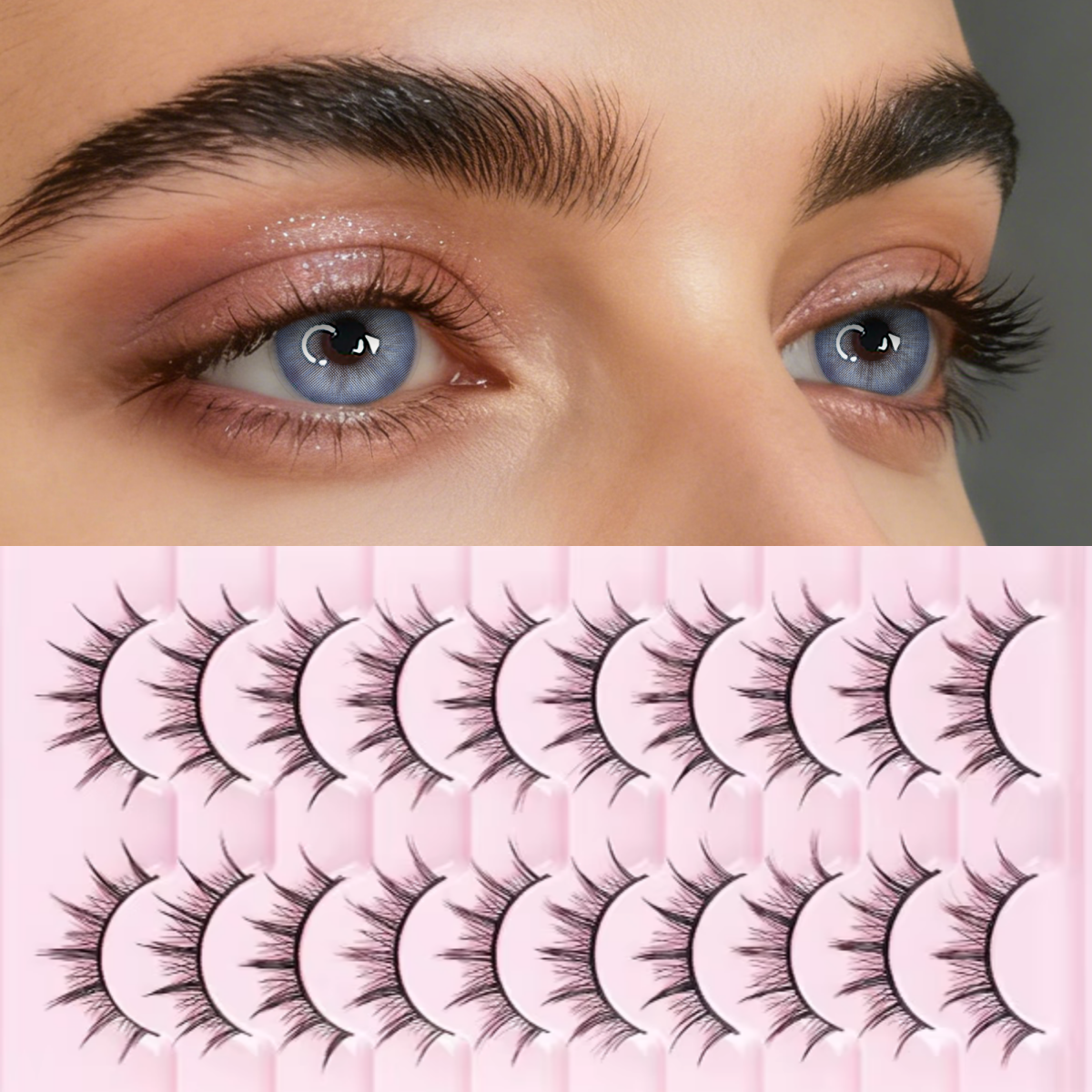
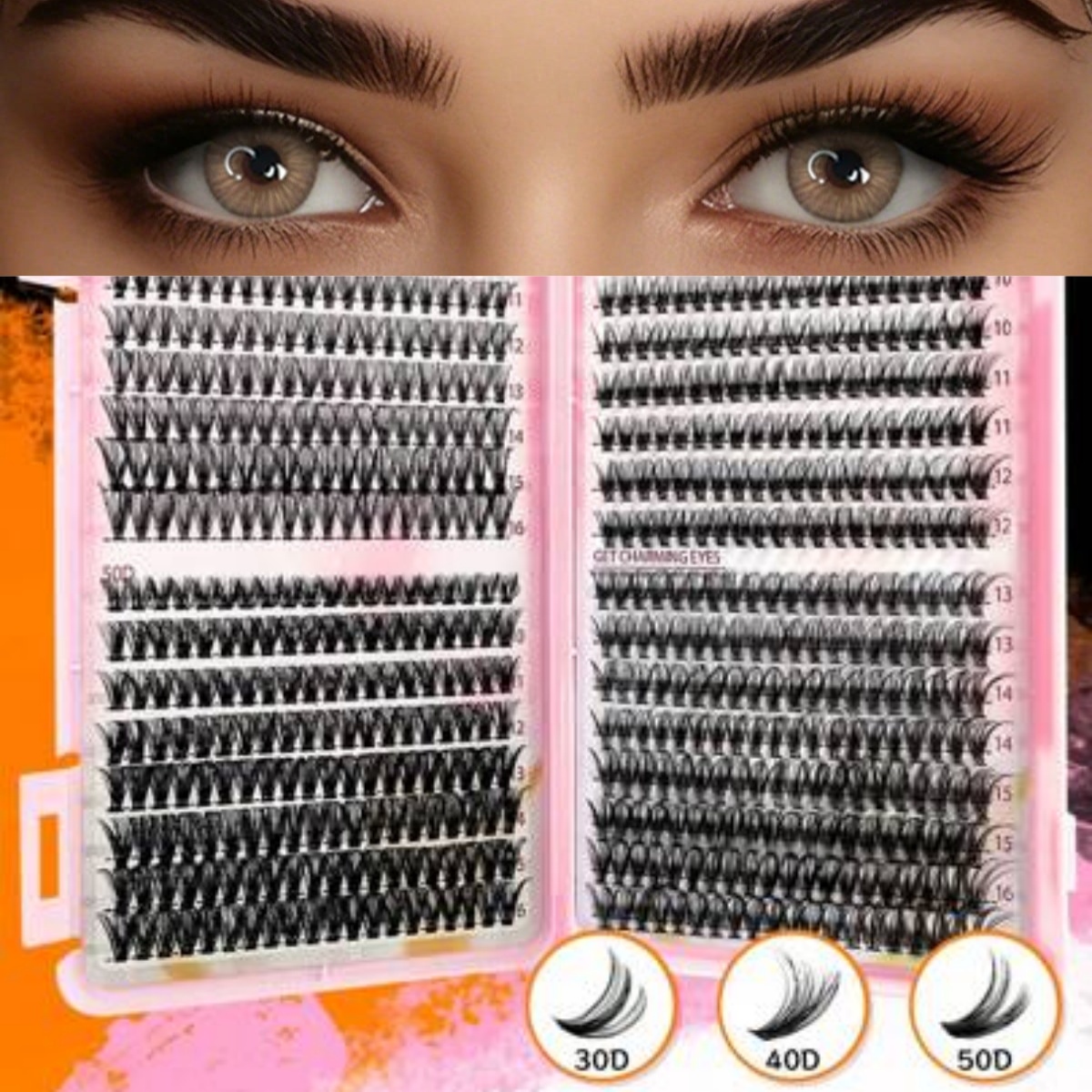
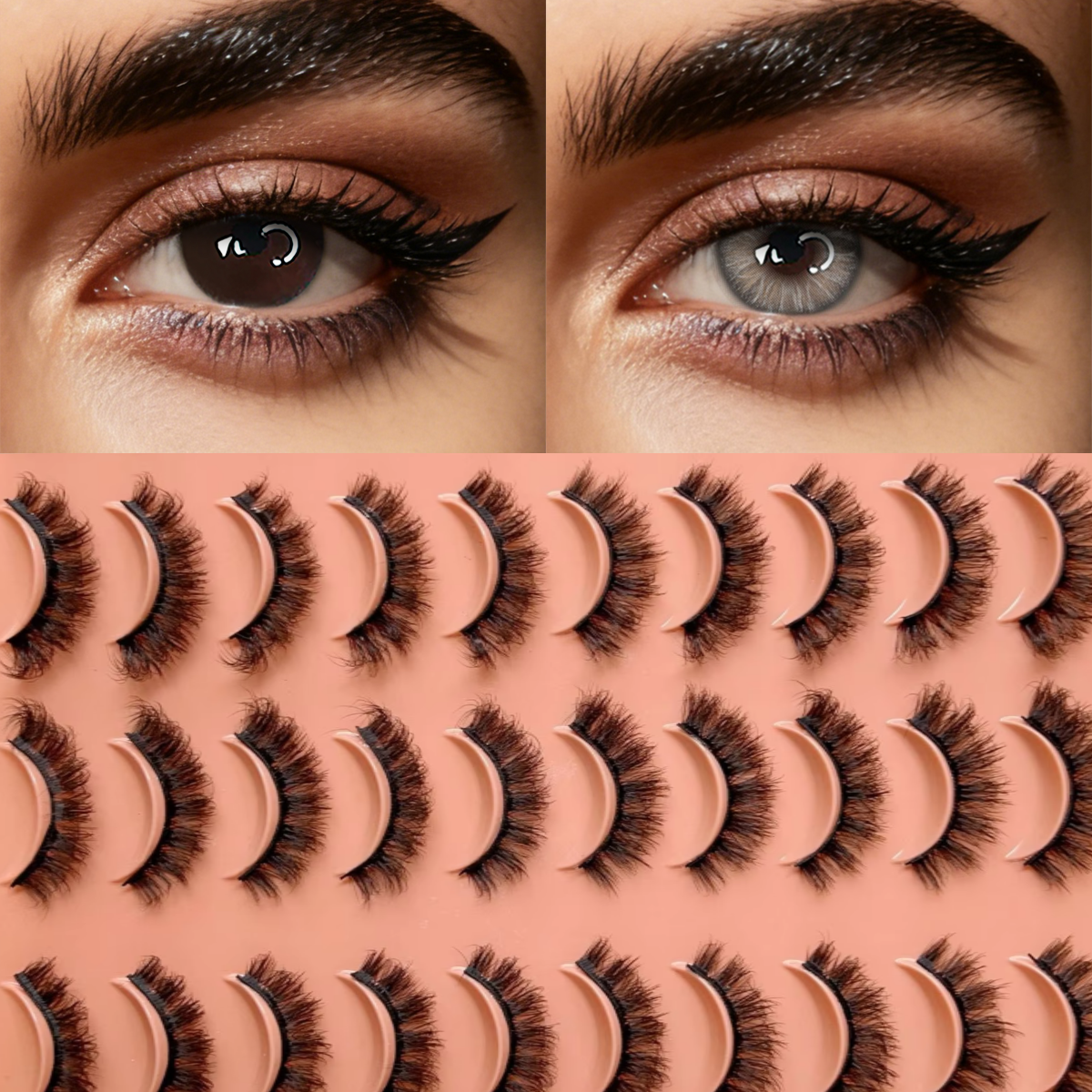
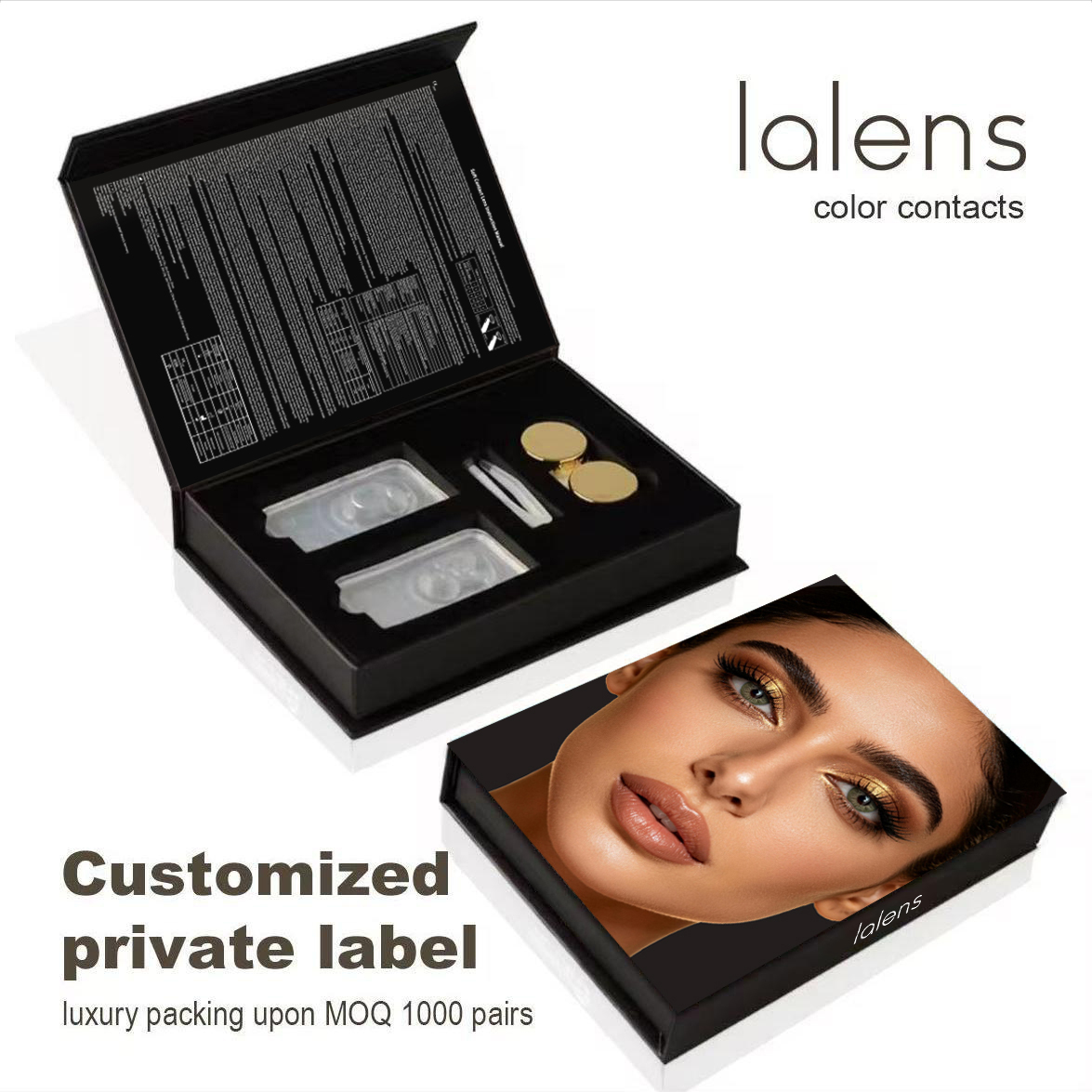
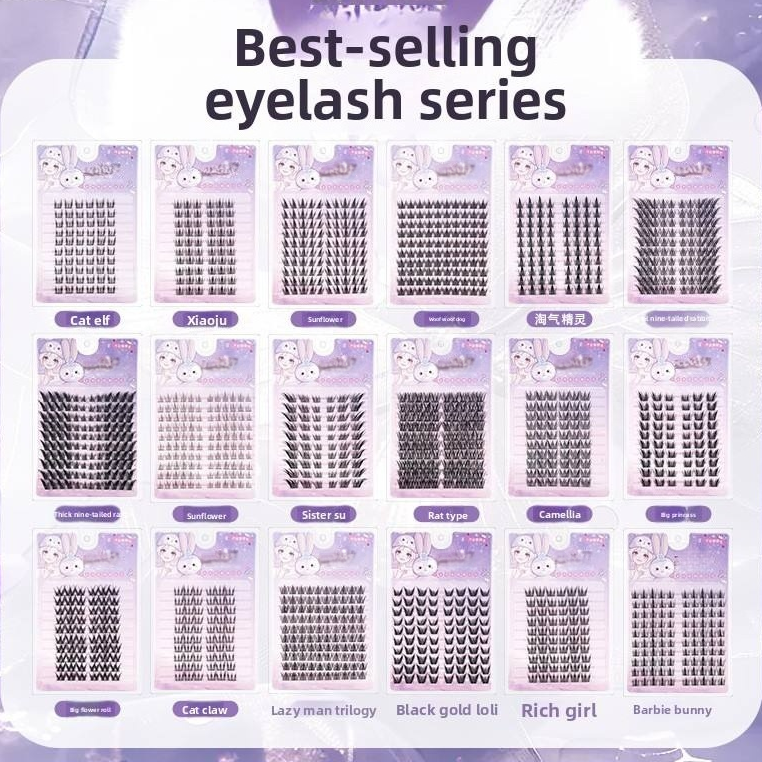
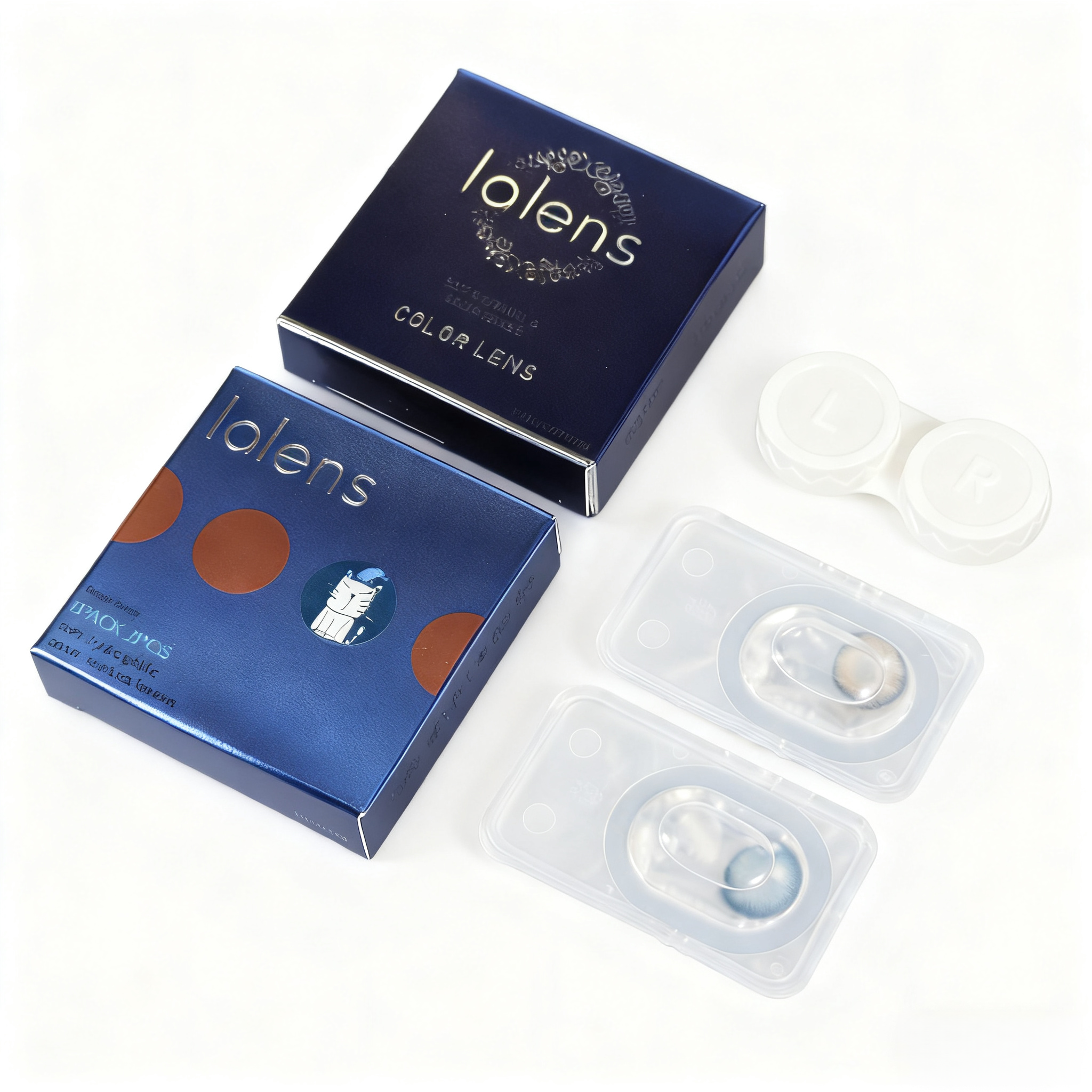
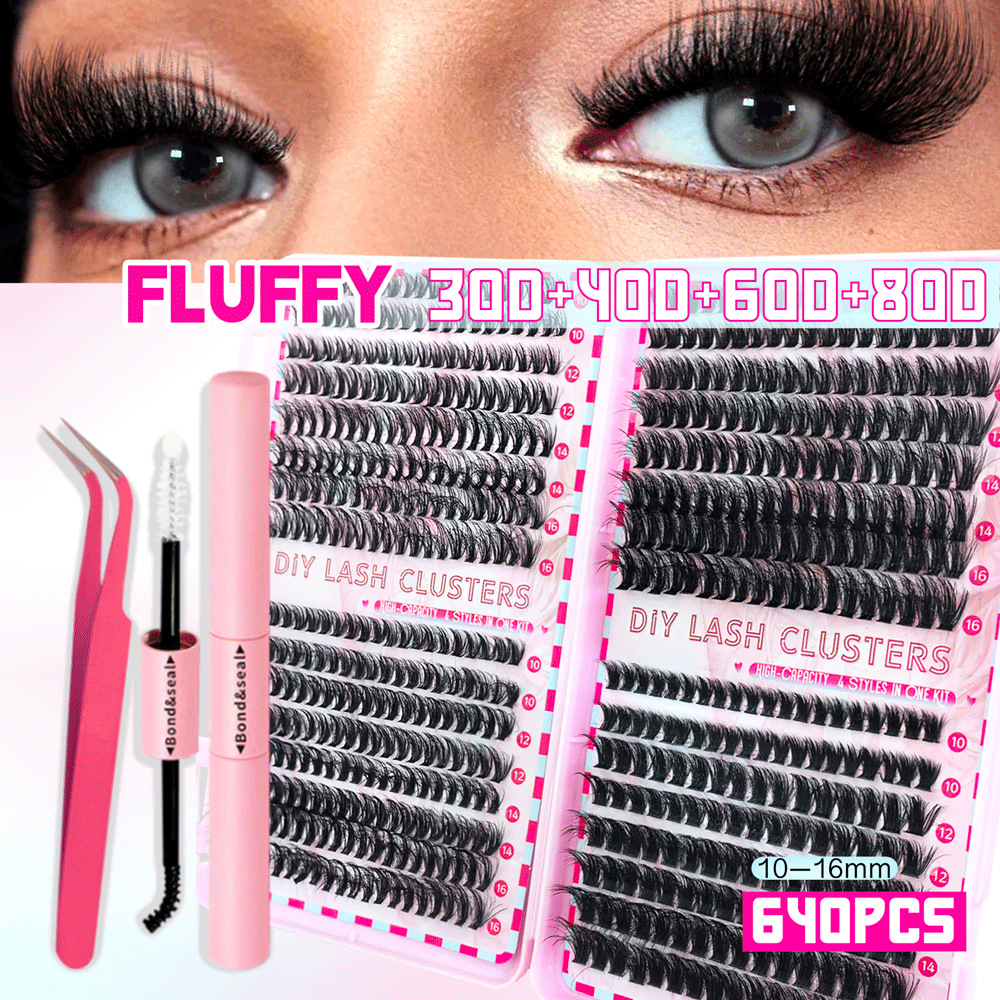
Korean Style Aesthetic Colored Contact Lenses Series (Plano & Prescription 0.00 to -10.00)
The Strategic Convergence: Korean Aesthetic Design & Chinese Smart Manufacturing
How forward-thinking optical brands leverage China's scalable precision manufacturing alongside South Korea's nuanced cosmetic tinting formulations to build high-margin beauty empires.
The global market for cosmetic colored contact lenses has transitioned from a niche optical accessory into a high-growth pillar of the everyday "eye-beauty" ecosystem. Historically, South Korea pioneered hyper-realistic cosmetic iris designs—distinguished by micro-dot gradation, natural limbal rings, translucent multi-tone layering, and comfortable ultra-thin edge profiles. However, emerging brand owners and large-scale optical distributors frequently encounter production bottlenecks when sourcing directly from boutique Korean labs: restricted monthly yields, high per-unit minimum order quantities (MOQs), rigid private-label packaging options, and extended lead times exceeding 90 to 120 days.
This dynamic has accelerated a permanent shift toward specialized, medical-grade manufacturing hubs in China. Operating under stringent ISO 13485:2016 quality management systems and automated cleanroom infrastructures, leading Chinese factories such as Shenzhen Lalens Co., Ltd have successfully industrialized Korean-style color formulations. By integrating Korean design sensitivities with automated cast molding, high-precision lathe cutting, and computerized sandwich-printing technologies, China-based OEM/ODM suppliers now offer international brand owners unbeatable pricing agility, strict batch consistency, lower trial MOQs (starting at 100 pairs for stock patterns), and rapid turnarounds for customized rigid paperboard packaging.
Furthermore, savvy B2B buyers no longer procure contact lenses in isolation. The modern optical consumer views colored contacts as an intrinsic component of facial cosmetic enhancement, routinely purchasing them alongside complementary eye cosmetics such as cartoon little devil lashes, 6D mink clusters, and glue-free faux mink strips. By consolidating the supply chain across contact lens laboratories, medical packaging facilities, and precision eyelash manufacturing, multi-national retail chains and DTC e-commerce brands drastically reduce shipping tariffs, harmonize brand aesthetics across SKUs, and accelerate market entry.
Key Technological Developments in Colored Contact Lens Engineering
Critical advancements in polymer chemistry, physiological biocompatibility, pigment encapsulation, and optical zone geometry shaping current product roadmaps.
Micro-Encapsulated Sandwich Printing
Outdated tinting methods printed dyes onto lens surfaces, risking corneal abrasion, dye leaching, and user sensitization. Our current manufacturing protocols utilize Triple-Layer Sandwich Micro-Encapsulation. Reactive, biocompatible pigments are chemically locked inside hydrogel polymers (such as 2-HEMA and Polymacon), ensuring colored surfaces never directly contact corneal epithelium or palpebral conjunctiva.
High-Dk Silicone Hydrogel Matrices
While traditional 38%-42% hydrogels remain popular for affordability, next-generation product lines incorporate Silicone Hydrogel (SiHy). By creating fluorosilicone channels within the macromer matrix, oxygen transmissibility (Dk/t levels exceeding 80-100 Fatt units) is maintained throughout 12-hour daily wear cycles, drastically eliminating corneal hypoxia and peripheral neovascularization.
Optimized Optical Zone Geometry
A classic failure point of poorly manufactured cosmetic lenses is "tunnel vision" under scotopic (low-light) conditions. Modern optical tooling precisely calibrates the unprinted central clear pupil aperture between 5.5 mm and 6.0 mm. This maintains unimpeded vision during pupillary dilation without sacrificing the high visual density of the colored iris simulation.
Manufacturing Specifications: Standard vs. Premium Silicone Hydrogel Series
| Engineering Parameter | Hydrogel (Standard Korean Aesthetic) | Silicone Hydrogel (Clinical Extended-Wear) | Cosmetic FX / Theatrical Collection |
|---|---|---|---|
| Base Polymer | 2-HEMA (Poly-2-hydroxyethyl methacrylate) | Filcon II 3 / Lotrafilcon Polymer Matrix | HEMA + Cross-linked Methacrylic Acid |
| Water Content (%) | 38% - 42% (Optimal tear-film preservation) | 45% - 55% with PVP wetting agents | 38% (Low-dehydration formula) |
| Oxygen Transmissibility (Dk/t) | 18 - 25 × 10⁻⁹ (ISO 18369 polarographic) | 85 - 110 × 10⁻⁹ (High breathability) | 15 - 20 × 10⁻⁹ |
| Base Curve (BC) / Diameter (DIA) | 8.5 mm - 8.6 mm / 14.0 mm - 14.5 mm | 8.6 mm / 14.2 mm | 8.6 mm / 14.5 mm - 17.0 mm (Sclera) |
| Diopter Range (Power) | Plano (0.00) to -10.00 D (0.25/0.50 steps) | Plano (0.00) to -8.00 D | Plano (0.00) Only |
| Sterilization Method | Moist Heat Autoclaving (121°C, ≥20 min) | Moist Heat Autoclaving (121°C, ≥20 min) | Moist Heat Autoclaving (121°C, ≥20 min) |
Future Sourcing Trends for Wholesale Buyers (2025–2030)
Actionable commercial intelligence for international brand managers, e-commerce distributors, and chain retail procurement directors.
1. Hybrid Eye-Beauty Cross-Merchandising
Data from cross-border e-commerce confirms over 68% of cosmetic contact lens shoppers actively wear false eyelashes. Global procurement directors are discarding single-vertical sourcing. By utilizing a single integrated supply partner capable of manufacturing medical contact lenses and professional synthetic lashes under coordinated branding, buyers achieve unmatched economies of scale in packaging, logistics, and visual brand equity.
2. Agile SKU Rationalization & Low MOQs
The fast-fashion cycle has entered cosmetic eye care. Rather than sinking capital into 50,000 units of a single color, brands deploy rapid test batches. Importers increasingly favor factory partners offering flexible OEM models: ordering 50 to 100 pairs across 20 distinct color patterns, backed by ready-to-ship inventory, while customizing high-end secondary rigid packaging in low runs (500 to 1,000 boxes).
3. Strict Auditability & US FDA / CE MDR Prep
Regulatory scrutiny is intensifying across the US, European Union, and Middle Eastern markets. Importers can no longer source from untraceable trading entities. Future-proof procurement requires suppliers providing complete 510(k) device listing data, CE conformity, ISO 13485 audit reports, biocompatibility toxicological reviews, and English-compliant labeling (UDI barcodes, GTINs, lot batch stamps, and expiration validation).
Why Global Optical Brands Choose Shenzhen Lalens Co., Ltd
Direct manufacturer accountability with zero middleman overhead. Sixteen years of precision optical molding, 500+ proprietary patterns, and turnkey private-label solutions.
Integrated Medical Manufacturing Ecosystem
Headquartered in Shenzhen, Guangdong, Shenzhen Lalens Co., Ltd (Lalens Factory) operates an advanced manufacturing complex dedicated to colored contact lenses, optical packaging engineering, and precision eye aesthetics. Unlike trading brokers, our end-to-end production model ensures that every stage—from monomer distillation and computerized cast molding to high-pressure autoclaving and blister sealing—is tightly supervised under one roof.
- Cleanroom Class 100,000 Environment: Fully enclosed GMP production facilities with constant differential pressure, particulate monitoring, and temperature-humidity regulation.
- 16 Years Industrial Mastery: Proven supply capability serving optometry distributors, theatrical retail suppliers, beauty conglomerates, and premier e-commerce powerhouses worldwide.
- 500+ Proprietary Color Archives: From natural 1-tone Korean hazel lenses to complex 3-tone limbal gradations, glow-in-the-dark lenses, and SFX cosplay designs.
- Complete Packaging Vertical: In-house manufacturing of custom rigid cardboard packaging, blister foil seals, multi-pair lash compacts, and instruction leaflets.
Factory Direct Production Metrics
B2B Procurement FAQ: Critical Buyer Knowledge
Direct answers to the regulatory, chemical, and commercial questions asked by international buyers, medical device importers, and product developers.
1. Can cosmetic colored contact lenses be legally imported and retailed without a prescription in the United States?
2. What is the minimum order quantity (MOQ) for custom private-label contact lens packaging and bespoke iris colors?
3. How does the factory verify that pigments will not leach into ocular tissue?
4. What are standard production and delivery lead times for global consignments?
- Wear-Test Samples: Dispatched via DHL/FedEx within 48 to 72 hours; arrives in the US, Europe, or Australia within 5 to 8 business days.
- Stock Pattern Bulk Fulfillment: Prepared, lot-tested, and packaged within 7 to 14 business days.
- Custom OEM / Private Label Orders: Requires 25 to 35 business days following packaging artwork sign-off, accommodating blister printing, thermal foil stamping, automated autoclaving, and sterility quarantine testing.
5. What are the dimensional parameters and power availability for corrective contact lenses?
6. Can we cross-merchandise colored contact lenses with your false eyelash and makeup packaging lines?
7. What terminal sterilization protocols are utilized, and what is the validated shelf life?
8. What Incoterms and payment terms are available for international wholesale clients?
Ready to Scale Your Contact Lens & Eye Beauty Line?
Connect with our senior technical optical engineers and private-label design team today. Obtain immediate wholesale pricing matrices, request wear-test sample kits, or initiate custom packaging prototypes tailored to your brand.