24/7 Online for US Buyers [email protected]
English (US) USD $
ISO 13485 Certified OEM/ODM Hub

China Wholesale Private Label Colored Contact Lenses Factory & Exporter

Medical-Grade Cast Molding, 500+ Iris Pigment Patterns, Full US FDA 510(k) Ready Labeling & Global Cross-Border Export Logistics

Strategic Sourcing Lineup

High-Velocity Cosmetic & Contact Lens Packaging Solutions

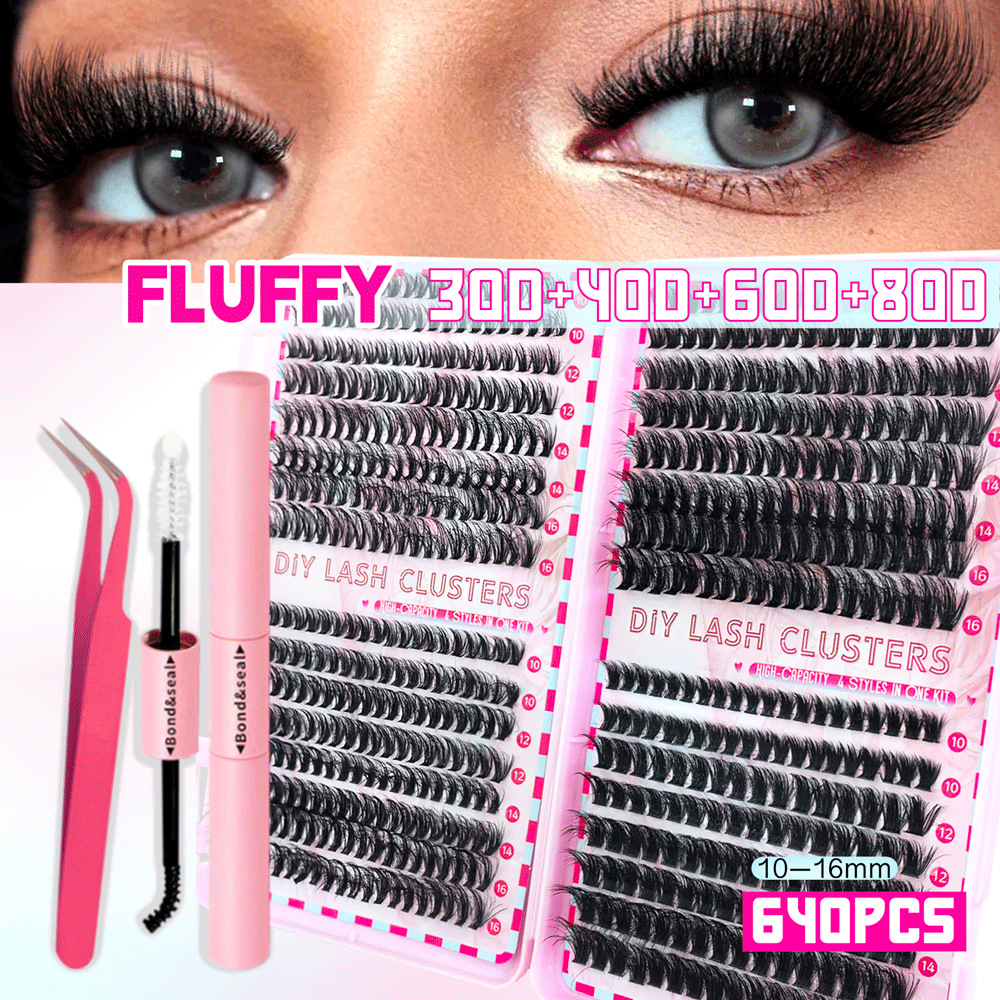
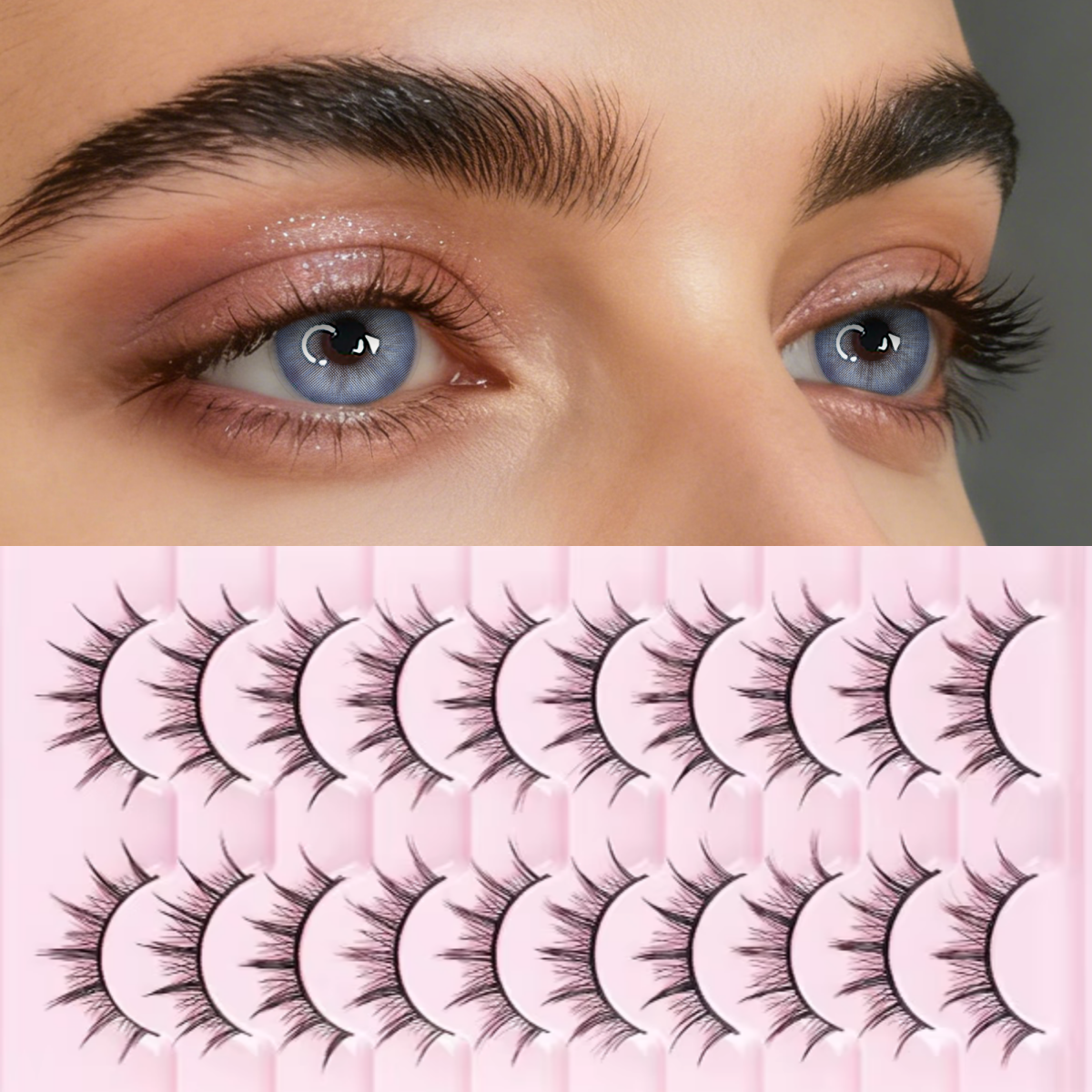
Curated catalog spanning high-barrier private label cosmetic packaging, precision rigid boxes, and complementary eye beauty accessories engineered for retail dominance.
16+
Years Engineering Excellence
500+
Patented Iris Color Formulations
100%
In-Line Optical Defect Screening
40+
Global Regulatory Destination Markets
Industry Technical Whitepaper

Engineering Excellence in Hydrogel Color Contact Lenses: Global B2B Supply Paradigm

The global decorative and prescription cosmetic contact lens sector has undergone a profound paradigm shift over the past decade. No longer constrained to niche cosplay and theatrical FX sectors, colored contact lenses have permanently integrated into the mainstream beauty and optical retail ecosystems. For distributors, optical chain conglomerates, and high-growth direct-to-consumer (DTC) beauty brands across North America, Europe, and Latin America, establishing a direct supply link with a certified Chinese manufacturer is essential for sustainable brand valuation and healthy gross margins.

Shenzhen Lalens Co., Ltd (operating globally through Lalens Factory) represents the pinnacle of modern ocular device manufacturing. Operating strictly under Class 100,000 cleanroom environments governed by ISO 13485 standards, our facility integrates cast-molding synthesis, polymer science, high-resolution nano-dot iris printing, and automated saline packaging under one audited roof. By controlling every single step of the value chain—from monomer prepolymer formulation to the final automated ethylene oxide (EO) or steam autoclave terminal sterilization—we eliminate intermediate distributor markups and guarantee batch-to-batch chromatic stability.

1. Advanced Polymer Physics: HEMA vs. Next-Generation Silicone Hydrogel

A critical metric in professional ocular device evaluation is the balance between oxygen transmissibility (measured as Dk/t), equilibrium water content (EWC), and mechanical modulus (elastic stiffness). Traditional polymacon and 2-HEMA (2-hydroxyethyl methacrylate) hydrogels provide extraordinary on-eye softness and wettability, making them ideal for everyday wear with an equilibrium water content ranging between 38% and 55%.

However, procurement trends for Tier-1 optical clinics and medical pharmacies demand Silicone Hydrogel (SiHy) matrices. By integrating siloxane macromers into the hydrogel network, silicone hydrogel lenses elevate corneal oxygen flux up to five times higher than standard hydrogels, effectively eliminating hypoxia-induced corneal edema during prolonged wear. Below is an engineering comparison matrix designed for technical procurement directors:

Polymer Classification Material Composition Equilibrium Water Content Oxygen Permeability (Dk/t) Replacement Modality Recommended Market Target
Hydrogel HEMA-38 Poly(2-HEMA) + EGDMA 38% ± 2% 11.5 × 10⁻⁹ Monthly / Yearly Budget-friendly High-Pigment & Halloween FX
Hydrogel HEMA-42 HEMA + NVP copolymer 42% ± 2% 16.0 × 10⁻⁹ Monthly / Quarterly Balanced Comfort & Natural Iris Enhancement
High-Water Daily HEMA + Glycerol MA 55% ± 2% 24.5 × 10⁻⁹ Daily Disposable Premium DTC Skincare & Daily Makeup Lines
Silicone Hydrogel (SiHy) Fluorosilicone Hydrogel 45% ± 3% 85.0–110.0 × 10⁻⁹ Daily / Monthly Prescription Medical Optical Chains & Rx Direct

2. The Micro-Encapsulation "Sandwich" Printing Protocol

The paramount safety vulnerability in inferior colored lenses is pigment leakage. When inorganic metallic salts or toxic azo dyes make direct contact with human corneal endothelial cells or palpebral conjunctiva, wearers risk severe chemical keratitis and permanent visual impairment.

Our factory utilizes proprietary 3-Layer Micro-Encapsulation Technology (colloquially referred to as "Sandwich Printing"). In this automated robotic process, the primary optical base curve is cast-molded; the FDA-approved cosmetic dye formulations (consisting of high-purity iron oxides, titanium dioxide, and phthalocyanine copper complexes) are deposited via high-precision pad printing; and a secondary micro-thin layer of clear monomer is cast over the color pattern before UV polymerization. As a result, the pigment is completely locked inside the core matrix of the lens, ensuring zero surface contact, zero dye migration, and frictionless blinking dynamics.

3. Strategic Product Curation for Global Distributors

Building a lucrative private label contact lens portfolio requires catalog diversification tailored to varying customer demographics. Based on longitudinal sales data across 40+ destination countries, our R&D laboratory recommends a balanced three-pillar product catalog structure:

Natural Daily & Monthly Enhancers

Designed for subtle iris enlargement and depth. Utilizing 1-tone to 3-tone dot matrix gradients (hazel, mocha brown, graphite gray, emerald) with soft limbal rings that blend seamlessly with natural eye colors. Peak reorder rates in workplace and cosmetic demographics.

Luminous Transformation Series

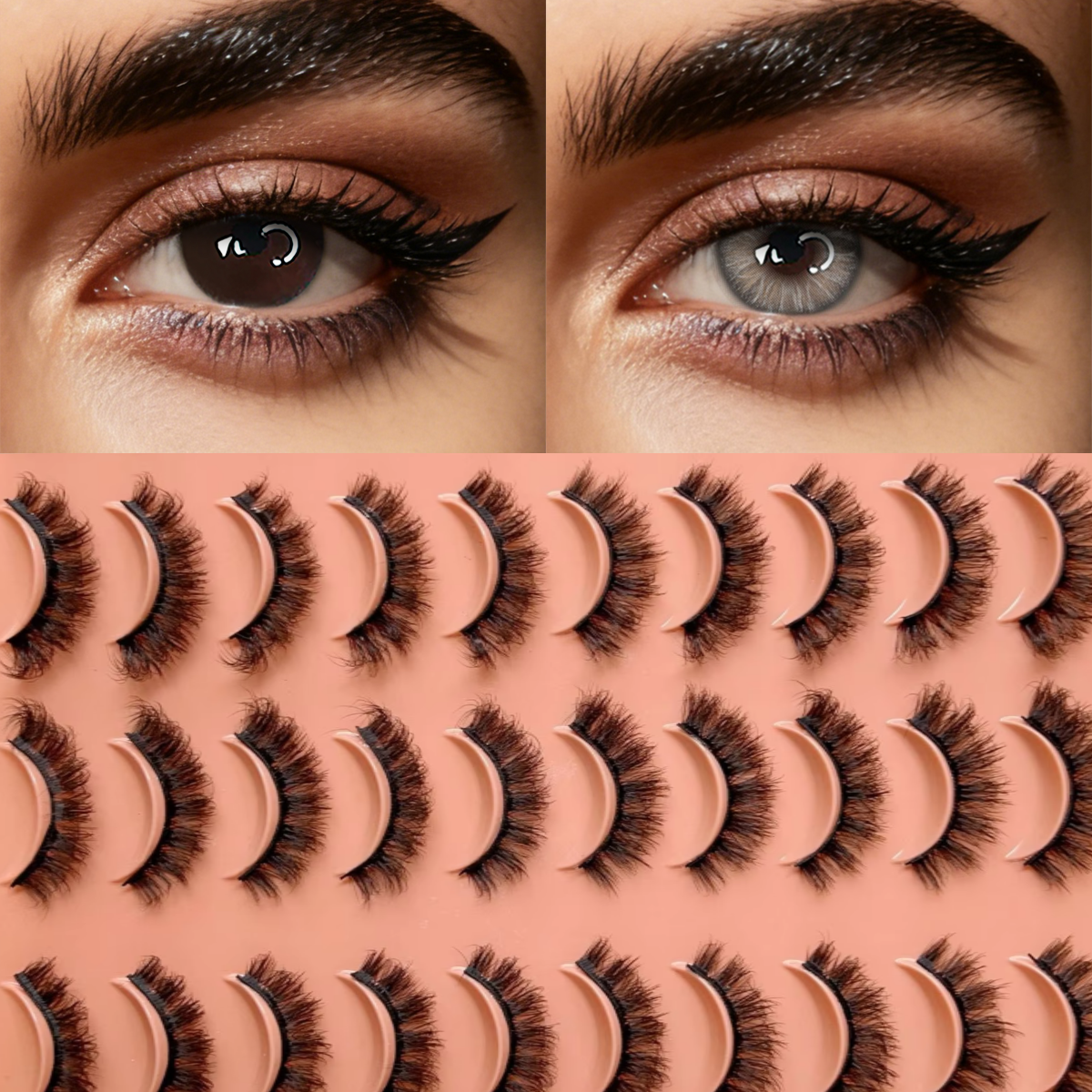
High-opacity chromatic formulas engineered for dark brown and black irises. Vivid sapphire blue, polar ice gray, and violet aurora pigments that completely cover dark natural irises under daylight and flash photography, tailored for beauty influencers and bridal glam.

Costume, Anime & Seasonal FX

Full-coverage theatrical lenses including Blood Moon Red, Mesh Zombie, White Out, Cat Eye Slit, and Glow-under-UV pigments. Exceptional demand surge between July and October for Halloween, Comic-Con, and stage theater productions.

4. The Evolution of Procurement Trends (2025–2030)

B2B buyers operating in Europe and the United States face tighter regulatory enforcement and shifting consumer buying behaviors. Professional importers must account for several decisive market transformations:

  • Transition toward Daily Disposables: While annual replacement lenses remain cost-effective for costume applications, daily disposable colored lenses now represent the fastest-growing sector due to reduced acanthamoeba and bacterial biofilm contamination risks.
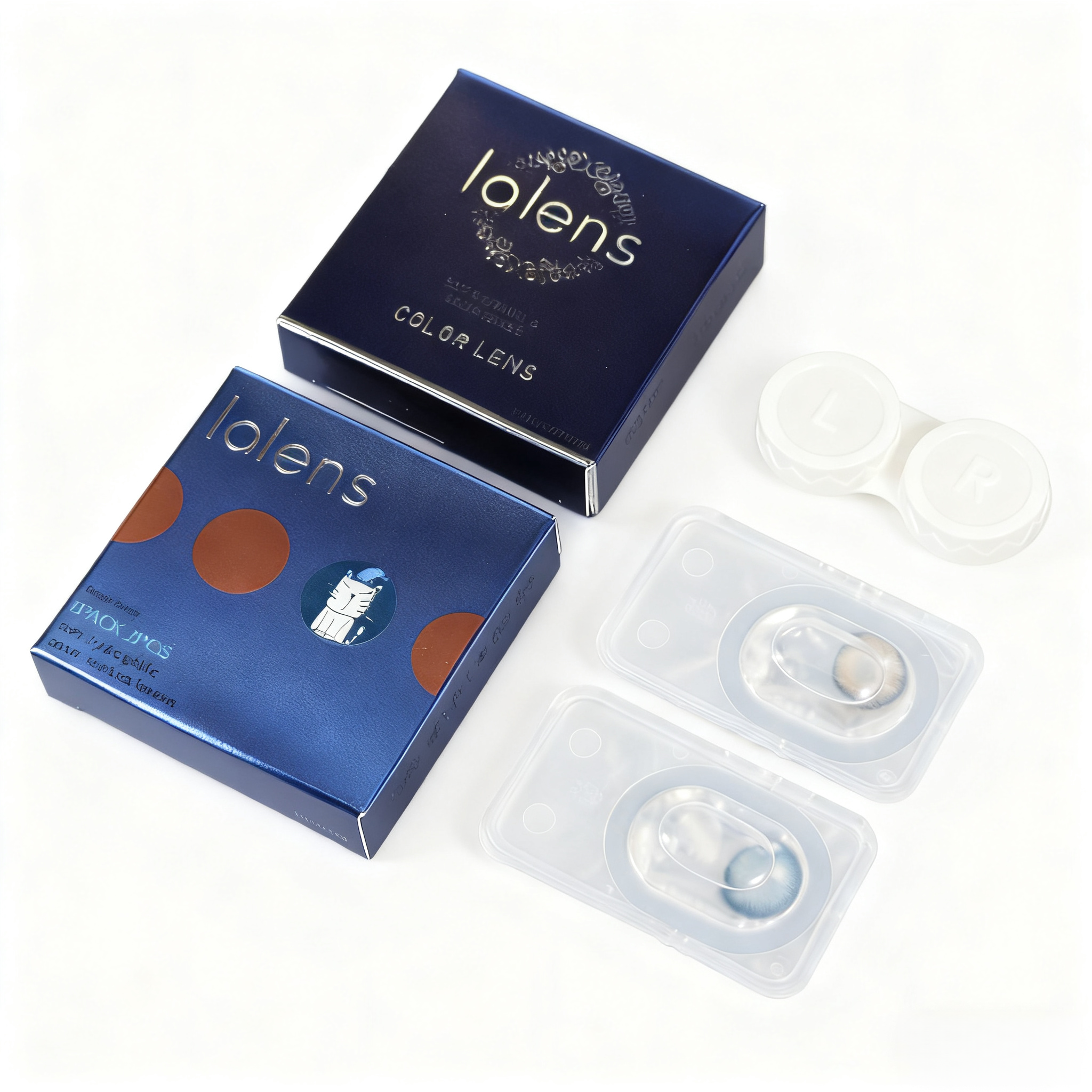
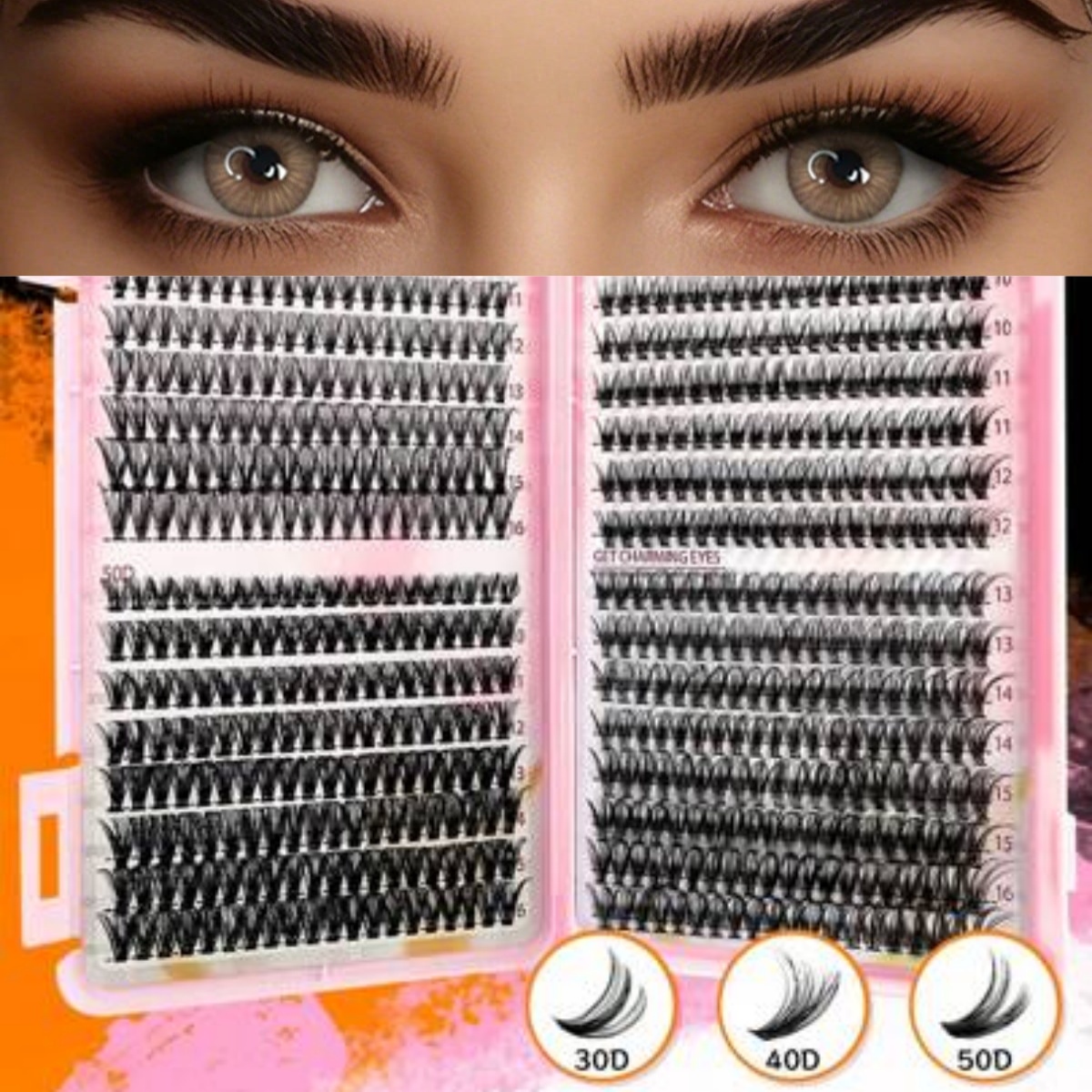
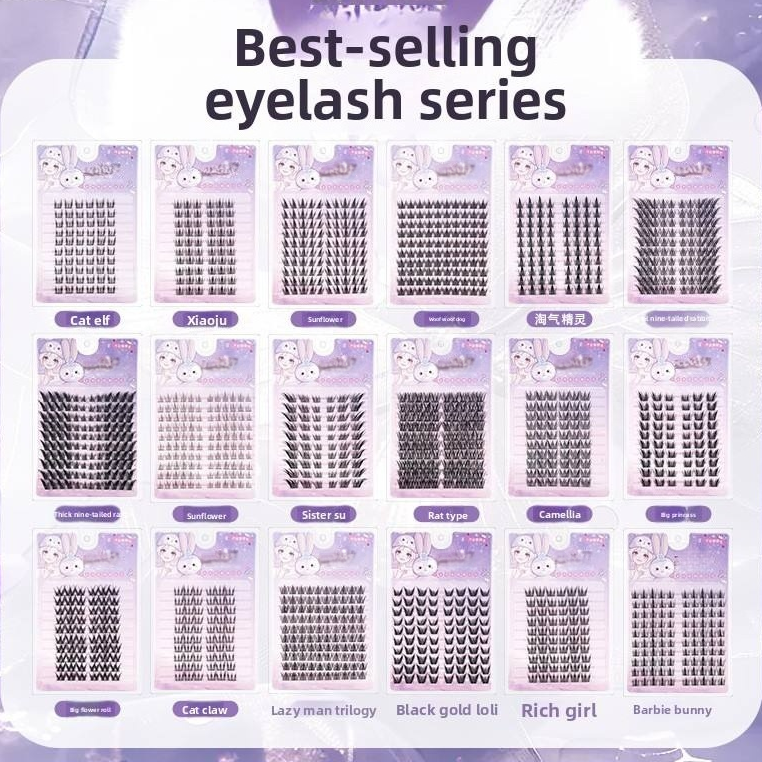
  • Cross-Merchandising Cosmetic Bundles: High-performing cosmetic retailers increasingly package matching false eyelashes, custom rigid paperboard contact lens boxes, applicator tweezers, and lens solution into bundled "Eye Glam Starter Kits," multiplying customer average order value (AOV).
  • Harmonized Global Regulatory Scrubbing: Importers can no longer rely on gray-market shipments. FDA UDI (Unique Device Identifier) tagging, GUDID registration, CE MDR 2017/745 conformance, and FTC Contact Lens Rule compliance documentation are mandatory preconditions for sustainable customs clearance.

5. Factory Enterprise Advantages: Why Source Directly from Shenzhen Lalens

Unlike trading companies that broker orders through multiple sub-tier vendors with fragmented quality control, Shenzhen Lalens Co., Ltd provides an integrated manufacturing sanctuary:

  • 16 Years of Dedicated Tooling: We manufacture over 100,000,000 lenses annually with proprietary steel-cast mold libraries engineered to deliver flawless 8.6mm base curve consistency and 14.0mm to 14.5mm precise outer diameters.
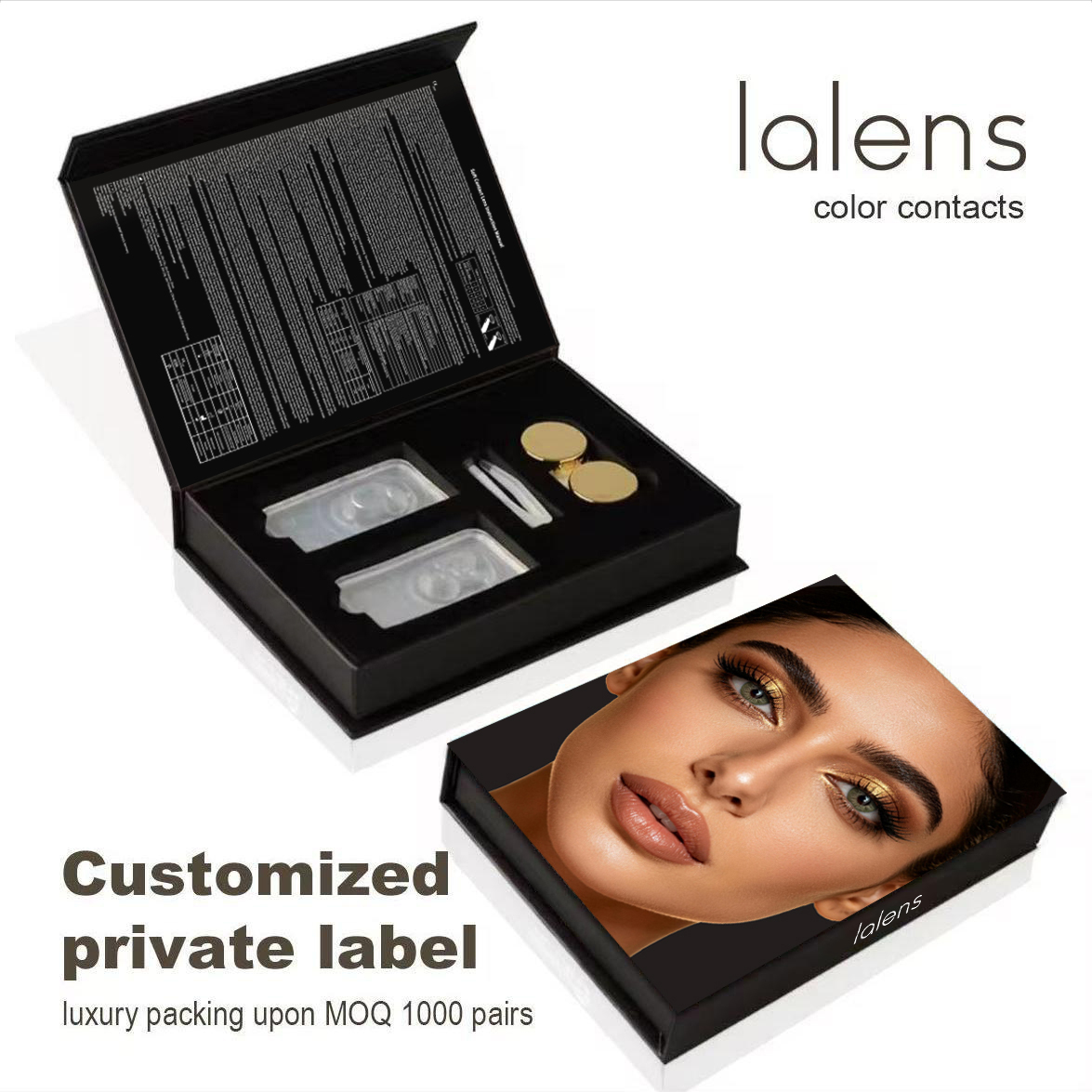
  • End-to-End Private Labeling: From rigid gift paperboard box creation and blister sealing to multilingual IFU (Instructions for Use) leaflets, barcode serialization, and tamper-evident shrink wrapping, our design studio supports your brand identity seamlessly.
  • Uncompromising Analytical Testing: Every lot undergoes strict cytotoxicity elution tests, bioburden assays, colorfastness immersion tests, optical power refraction mapping, and autoclave biological indicator validation before release.
Procurement Knowledge Base

Frequently Asked Questions from Wholesale Buyers & Importers

Direct answers addressing technical parameters, regulatory clearance, minimum orders, and private labeling workflows.

Are plano (zero power) colored contact lenses regulated as medical devices in the USA?
Yes, absolutely. Under United States federal law (21 CFR Part 886), all contact lenses—including zero-power plano cosmetic, fashion, and Halloween theatrical lenses—are classified as Class II or Class III prescription medical devices. Distributors and online retailers in the USA must adhere strictly to the FTC Contact Lens Rule and FDA labeling directives, requiring verification of a valid prescription prior to sale. Our factory produces FDA-compliant labeling formats, including mandatory "Rx Only" markings, standardized English usage warnings, and batch-traceable lot numbers to streamline US importer compliance.
What is your Minimum Order Quantity (MOQ) for custom private label colored contacts?
Our factory maintains flexible MOQ tiers to support both emerging beauty brands and established retail distributors. For ready-to-ship catalog iris patterns in generic blister or glass vial packaging, MOQs start as low as 100 pairs per shade. For customized private label programs—incorporating branded foil blister sealing, custom printed rigid paperboard boxes, individualized outer cartons, and customized English instruction manuals—our typical baseline starts at 1,000 pairs per SKU. Custom iris pattern development (bespoke color-matching and plate engraving) begins at 5,000 pairs per unique pattern.
How does the factory ensure batch-to-batch color stability and prevent visual impairment?
We employ automated spectrophotometric color matching and high-density pad printing machines with micro-registration accuracy down to ±0.02 mm. Every production run is cross-referenced against master pantone standards under standardized D65 daylight illumination. Furthermore, to eliminate tunnel vision or peripheral visual obstruction, our optical design reserves a strictly transparent optical pupil zone (diameter 3.8 mm to 4.2 mm) free of color printing, ensuring that wearers maintain clear, unobstructed central vision even under pupil dilation in low-light environments.
What optical parameters, diopter powers, and packaging forms are available?
Standard production parameters feature a Base Curve (BC) of 8.6 mm and an overall Total Diameter (DIA) of 14.0 mm, 14.2 mm, or 14.5 mm. Diopter corrective powers range from Plano (0.00 D) down to -10.00 D (in 0.25 D steps from -1.00 D to -6.00 D, and 0.50 D steps from -6.00 D to -10.00 D). Packaging configurations include high-barrier aluminum blister foil packs (1-pack, 2-pack, 5-pack, or 10-pack daily strips) and medical borosilicate glass vials with rubber stoppers and aluminum tear-off seals for annual replacement series.
What is the production lead time, and what shipping modalities are supported?
For warehouse-stocked inventory items, orders typically pack and ship within 3 to 7 business days. Fully custom private label manufacturing cycles require approximately 25 to 35 business days post packaging artwork approval, allowing sufficient time for blister sealing, secondary packaging assembly, and 14-day terminal sterilization sterility quarantine testing. We support international express air delivery (DHL, FedEx, UPS) arriving within 5 to 8 business days globally, as well as full container ocean freight and DDP (Delivered Duty Paid) consignments with customs clearance handled on your behalf.

Ready to Build or Scale Your Colored Contact Lens Brand?

Connect directly with our senior optical manufacturing engineers, request physical color wear-test sample kits, or obtain an instant wholesale production quote with custom packaging options.

Get a Quote