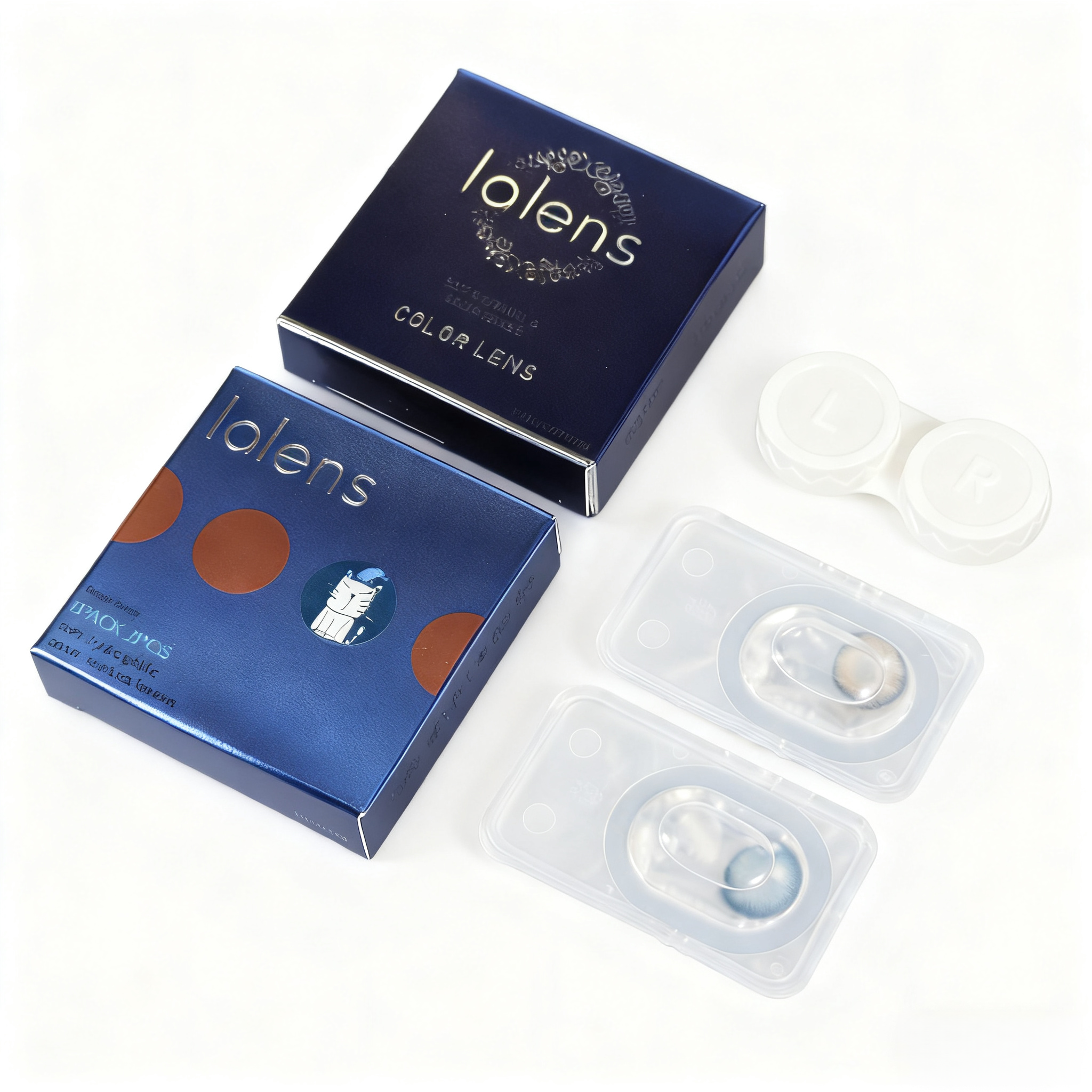
Custom Design Cardboard Soft Contact Lenses Private Label Packaging Paper Box
FSC Paperboard
Blister / Vial Fit
Spot UV & Foil
Contact Us
Explore our export-ready cosmetic lens lines and certified primary/secondary custom packaging solutions engineered strictly to international optics regulations and FMCG brand requirements.
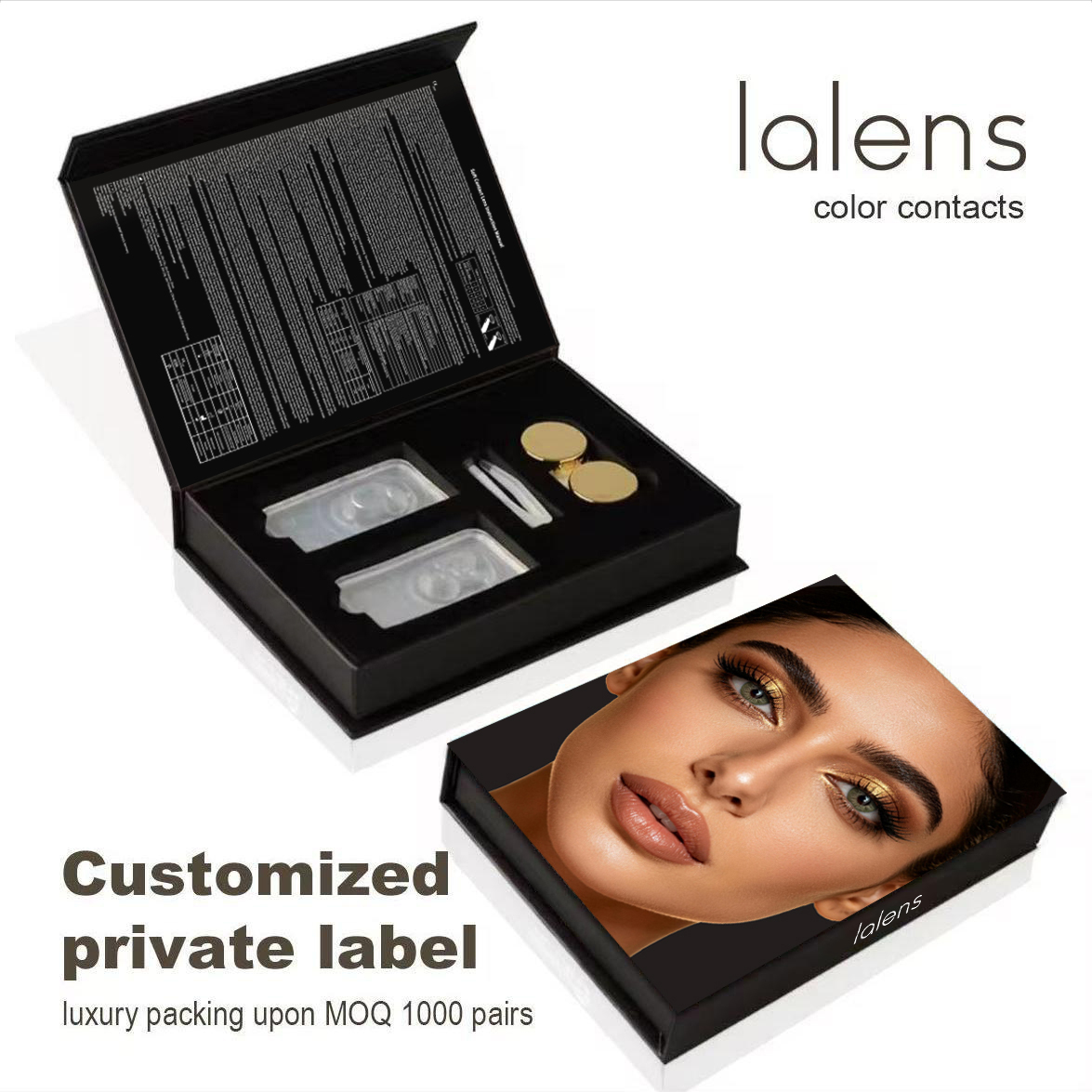
Shenzhen Lalens Co., Ltd operates specialized clean-room workshops and high-precision casting facilities to bridge medical device precision with fast-paced beauty retail demands.
Micro-encapsulated color-lock manufacturing isolates organic color pigments entirely within internal hydrogel polymer matrices. The color layer never directly touches corneal epithelial cells, eliminating pigment leakage hazards and ensuring comfortable all-day wearing experiences.
Production is executed under Class 100,000 clean-room conditions compliant with ISO 13485 quality systems and medical device Good Manufacturing Practice. Automated computer vision scrutinizes edge rounding, sagittal depth, optical center power, and surface micro-tears.
Unlike single-line factories, we streamline supply chain bottlenecks by combining primary sterile blister sealing and custom cardboard boxes, multi-pair rigid magnetic sets, and compliant regulatory instruction leaflets (IFUs) under one roof, saving up to 25 days in overall turnaround.
Market intelligence for B2B optical buyers, cosmetics brand aggregators, and institutional importers planning product portfolios for the next 3 to 5 years.
While traditional HEMA-based hydrogels remain cost-effective and dominant for seasonal or decorative cosmetics, global consumer demand is rapidly shifting toward higher oxygen transmissibility (Dk/t > 80). Silicon hydrogel colored contacts balance breathability with rich color pigmentation, drastically reducing hypoxic corneal stress during extended daily wear.
OEM factories invested in high-precision plasma surface treatments to overcome silicone hydrophobicity are capturing the premium retail segment.
Cross-border eCommerce, TikTok Shop, and fast-beauty direct-to-consumer (D2C) channels require shorter product release cycles. Importers now minimize warehouse holding risks by negotiating flexible tiered MOQs starting at 100 pairs per design for preliminary testing, scaling to 10,000+ units upon market validation.
Factories possessing automated digital plate-making and modular mold systems will dominate international contracts.
The cosmetic lens consumer has graduated from dramatic, flat, artificial limbal rings to subtle, light-blending bio-mimetic designs. Three-tone and four-tone matrix dot gradients designed to enhance naturally dark or light Asian and Caucasian irises represent over 64% of ongoing wholesale inquiries.
Additionally, UV-blocking polymers (Class II UV protection) have shifted from an optional marketing bonus to an essential requirement for FDA/CE clearance.
Global regulatory agencies, specifically the US FDA and European MDR, strictly enforce the classification of plano (0.00 diopter) cosmetic lenses as Class II/IIa medical devices. Buyers are focusing procurement strictly on Chinese manufacturers who supply complete Device Master Files (DMF), biocompatibility cytotoxicity data, and Unique Device Identification (UDI) barcode packaging.
Partnering with fully documented factories eliminates customs confiscation liabilities.
With environmental oversight tightening across Europe and North America, cosmetic lens brands are shifting from plastic-wrapped secondary cartons toward FSC-certified, soy-ink printed biodegradable paperboard and post-consumer recycled (PCR) blister containers. Sustainable branding increases checkout conversion by up to 28% among Gen-Z beauty consumers.
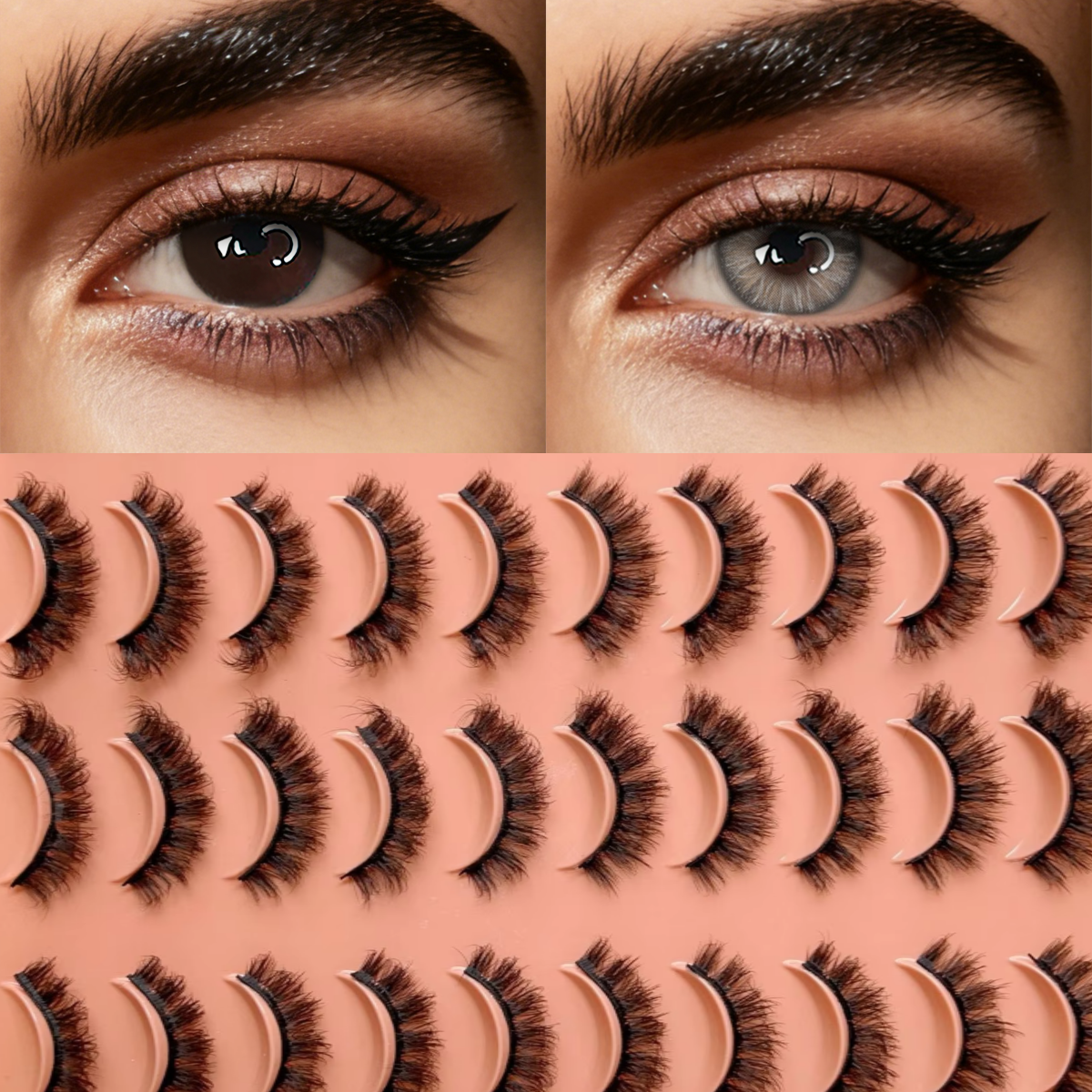
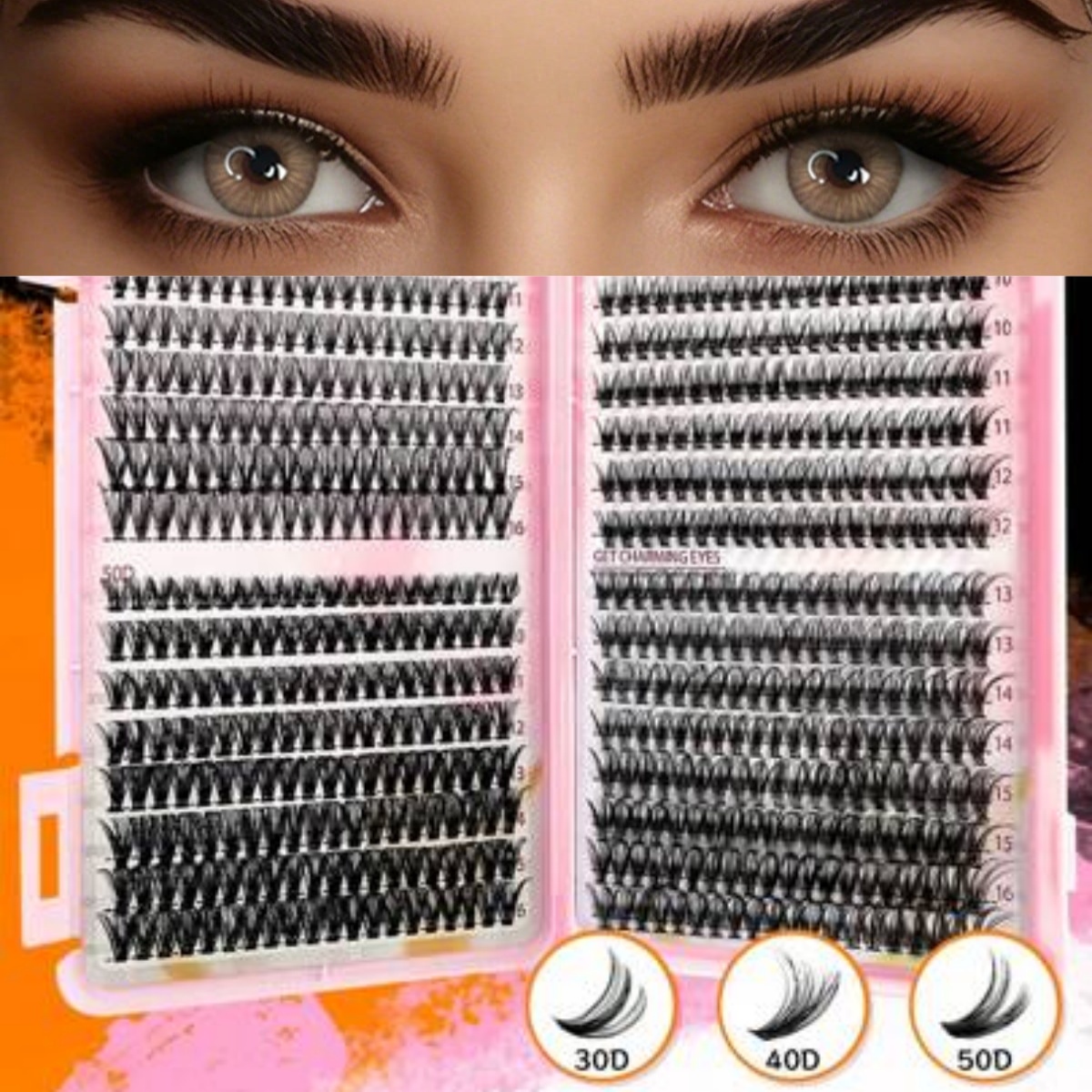
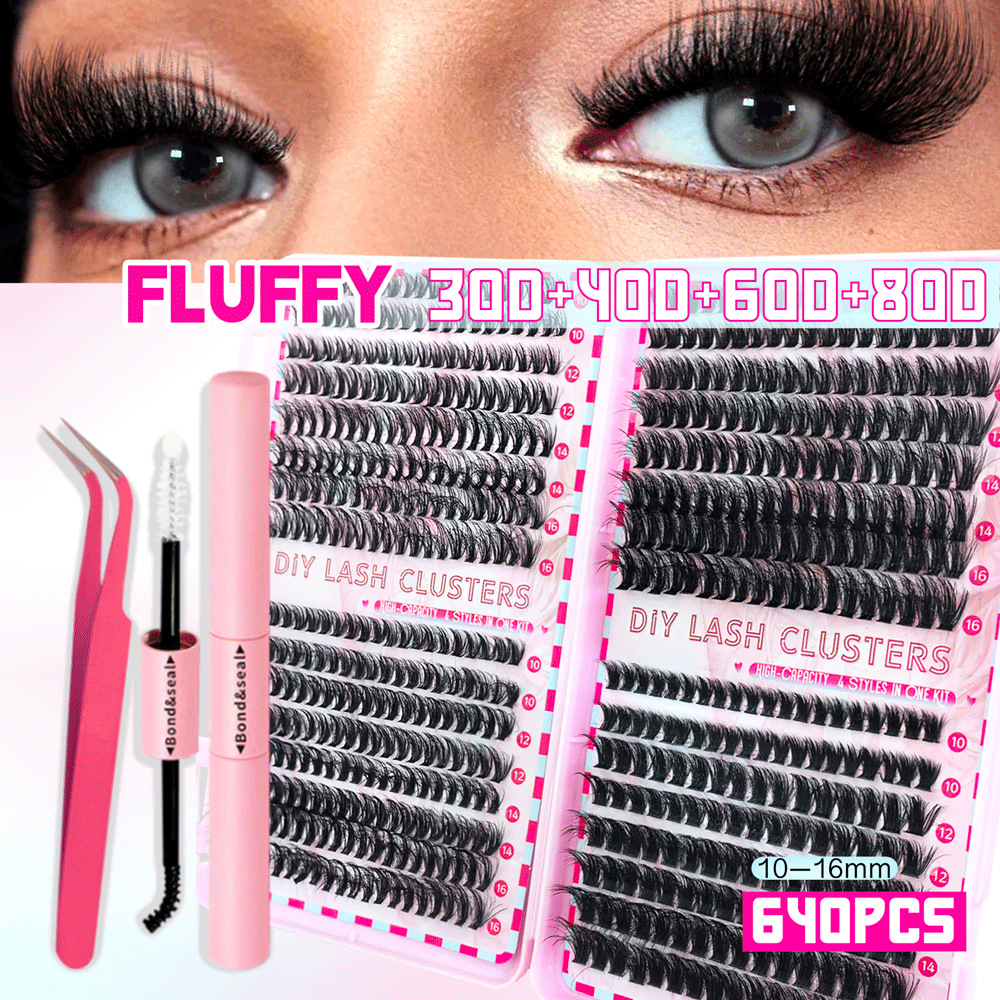
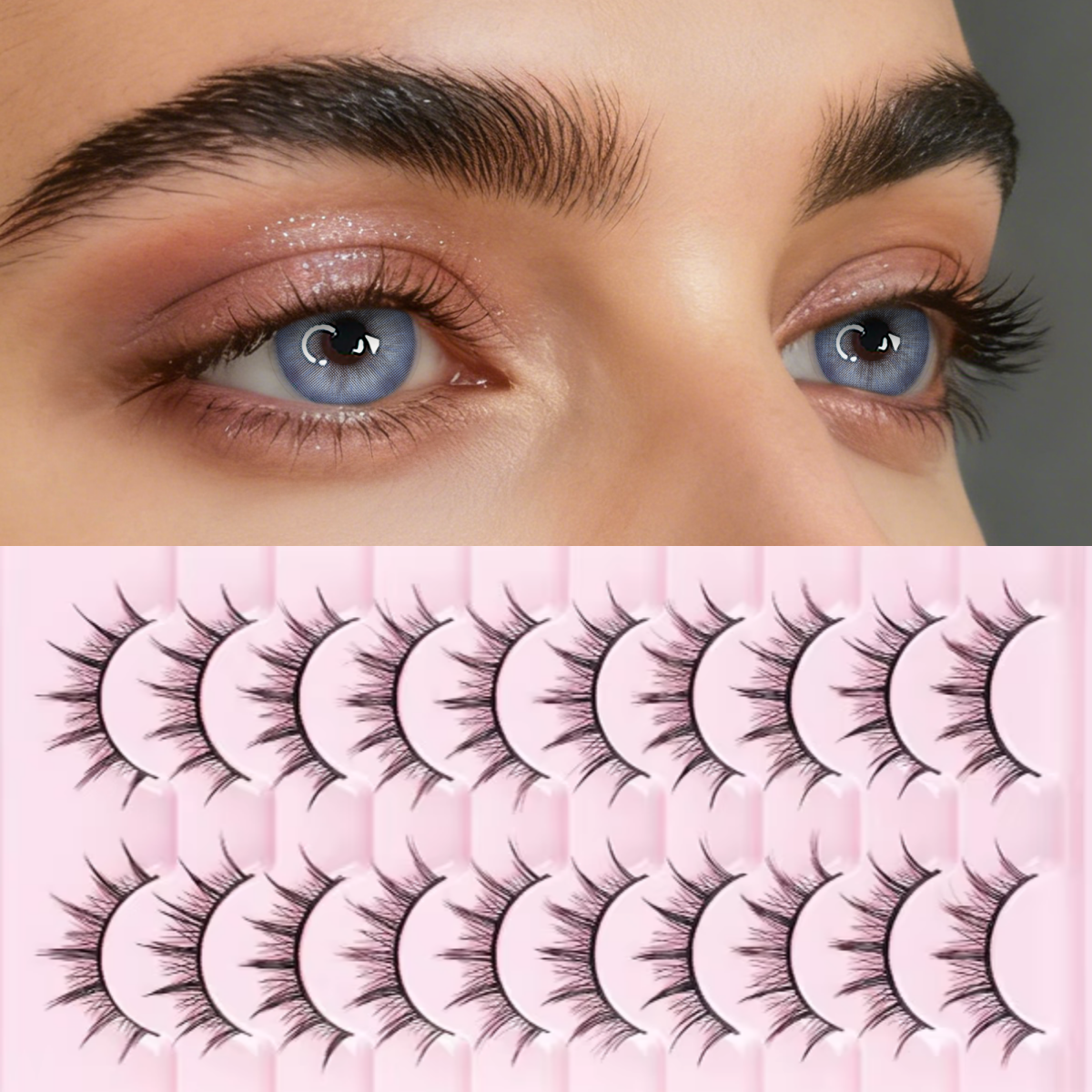
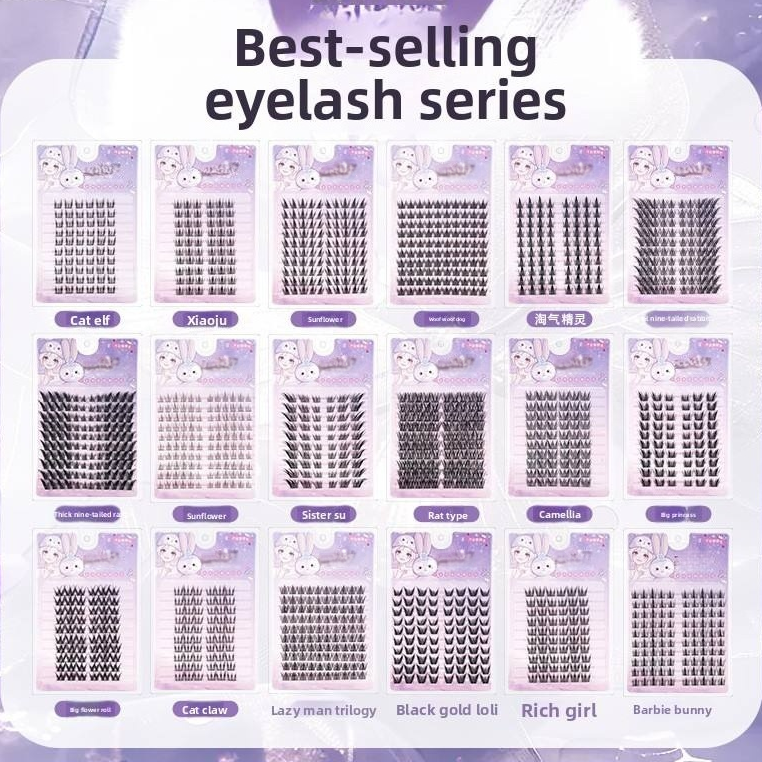
The boundary between medical contact lenses and beauty cosmetics has dissolved. Leading beauty brands now package colored lenses alongside custom-styled false eyelashes, hybrid cluster extensions, and clear adhesive pens to present coordinated "eye makeup capsules." Integrating eye makeup tools directly into wholesale contact lens programs significantly maximizes shipping weight efficiency and average cart value.
Essential guidance covering technical specifications, private labeling procedures, regulatory compliance, and cross-border logistics.
No. Under US federal law and FDA regulations, all contact lenses—including non-corrective zero-power (plano) decorative or costume lenses—are classified as prescription medical devices. Distributors, beauty supply stores, and online e-commerce platforms must verify prescriptions according to the FTC Contact Lens Rule. As an export manufacturer, we provide compliant English labeling, mandatory "Rx-Only" notation, tamper-evident seals, and batch-traceable lot numbers to ensure your distribution network complies fully with federal requirements.
Our minimum order quantities depend on customization complexity. For ready-to-ship stock iris patterns packaged in our standard sterile blisters or sterile glass vials, our MOQ starts as low as 100 pairs per SKU. For custom private label programs—including custom-designed blister foil artwork, branded paper boxes, barcode printing, and custom user manuals—MOQ typically starts at 1,000 to 2,000 pairs across mixed diopter powers (plano 0.00 to -8.00). Custom-engineered iris patterns designed exclusively for your brand require a tooling mold run starting at 5,000 pairs.
We deploy proprietary cast-molding sandwich technology. Rather than printing pigments on the exterior lens curve, our automated robotic process prints the colored pattern directly inside the matrix layers. Colorants are enclosed completely within the internal hydrogel structure. Every batch undergoes cytotoxicity extraction testing, accelerated stability tests, rubbing abrasion tests, and optical color shift verification under spectrophotometric calibration before being released from our ISO 13485 facility.
Our standard manufacturing matrix covers total diameter (DIA) options of 14.0 mm, 14.2 mm, and 14.5 mm with a universally comfortable base curve (BC) of 8.5 mm or 8.6 mm. Water content ranges from 38% to 42% (ideal for long-wearing durability, preventing eye dryness in low-humidity environments) to 55% high-hydration hydrogel polymers. We support Daily Disposables (1-Day), Monthly Replacement, and Yearly Wear modalities in sterile buffered saline with hyaluronic acid or normal saline solutions.
Stock pattern shipments depart our warehouse within 48 to 72 hours. Custom private label production cycles require approximately 20 to 30 business days following final packaging artwork approval and diopter breakdown sign-off. Express sampling via DHL, FedEx, or UPS Priority reaches the USA and Europe within 5 to 8 business days. For bulk wholesale container shipments, we offer comprehensive Air Freight, Sea Freight, and Delivered Duty Paid (DDP) logistics channels with complete customs documentation (Commercial Invoices, Packing Lists, Certificates of Origin, Sterility Test Certificates).