Industrial-Grade OEM/ODM Solutions for Cosmetic Eyewear
As a vertically integrated manufacturer and premier exporter operating under Class 100,000 clean-room conditions, we engineer medical-grade cosmetic lenses and synchronized cosmetic accessories that comply with rigorous international regulatory benchmarks including US FDA Class II 510(k), European Medical Device Regulation (MDR 2017/745), and ISO 13485 standards.
High-Velocity OEM Catalog & Packaging Integration
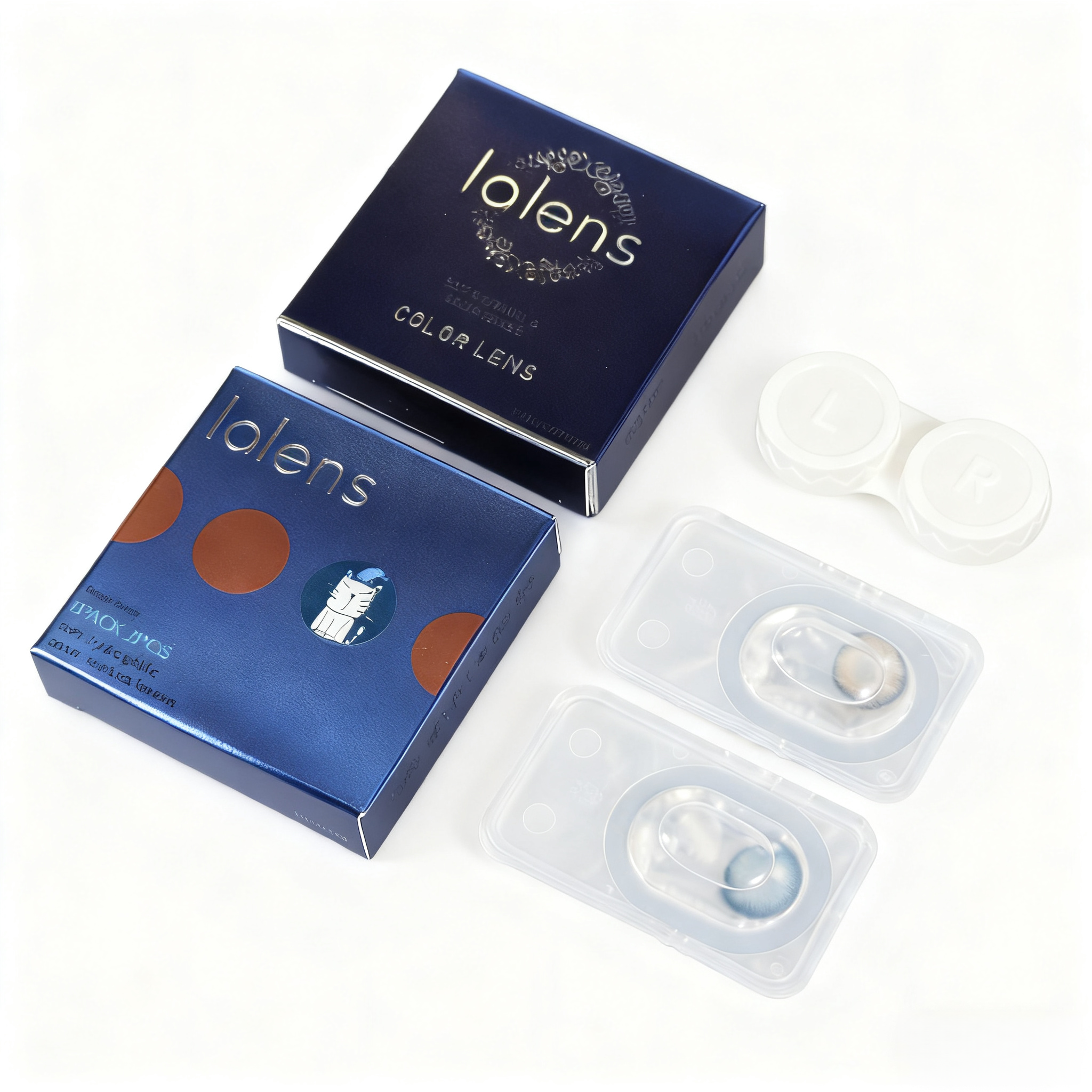
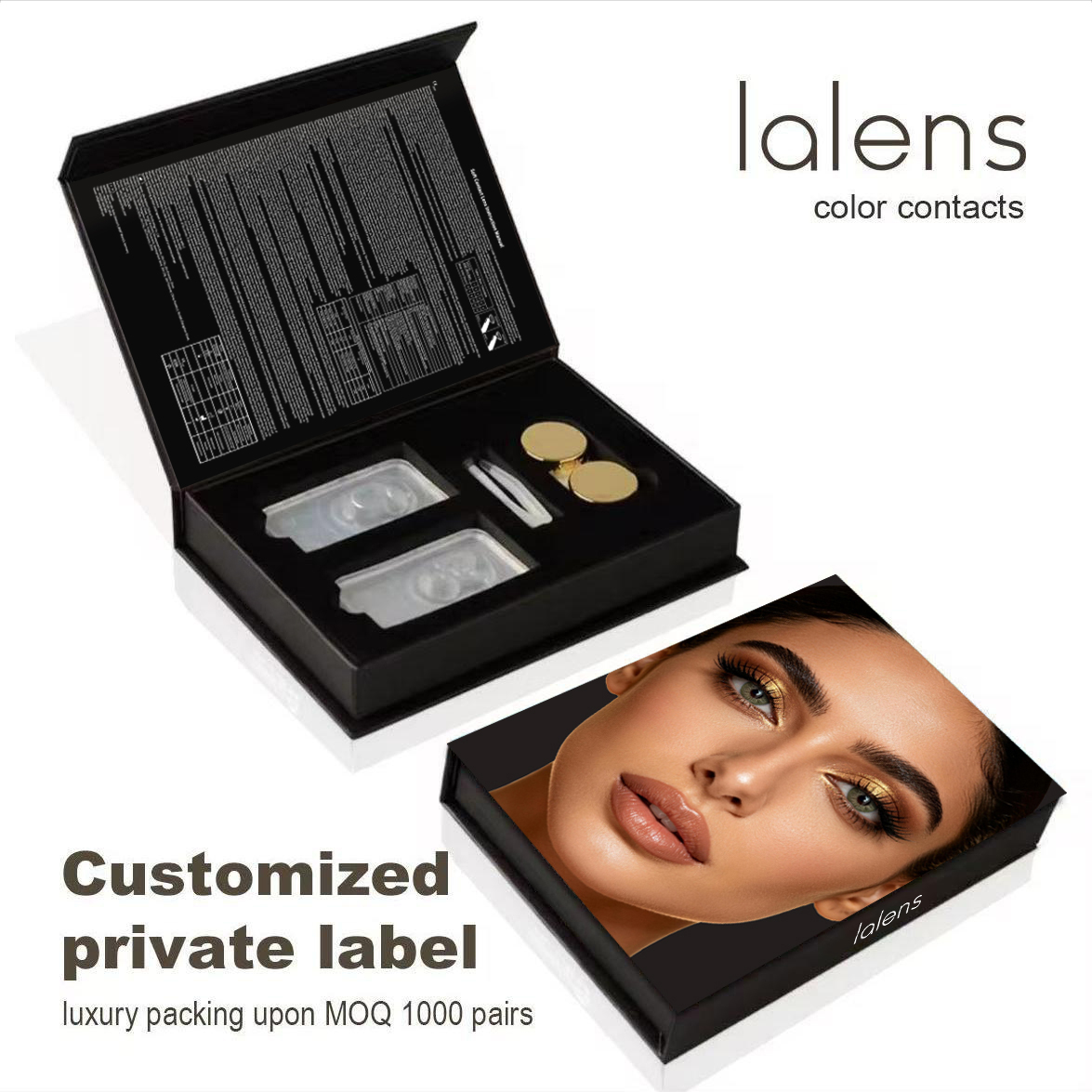
Explore our certified formulations, precision iris matrix patterns, and custom retail packaging systems tailored for cross-border retailers, optical chains, and fast-beauty conglomerates.
Double-Sandwich Color Lock Micro-Encapsulation
The primary clinical hazard in sub-par cosmetic contact lenses is exposed color pigments leaching into corneal tissue. Our manufacturing facility employs automated Double-Sandwich Lathe-Cutting and Cast-Molding Technology, fully encapsulating bio-compatible organic color pigments between two inert layers of Polymacon or HEMA hydrogel polymer.
This ensures zero direct cellular contact between the pigment particulate and the ocular epithelium. Furthermore, the oxygen permeability (Dk/t) remains unhindered across the transparent optic zone, eliminating corneal edema risks and fatigue during extended wear times.
Lot-to-Lot Optical Homogeneity & Dimension Tracking
Every single batch undergoes rigorous spectrophotometer color-shift testing and automated wavefront aberration analysis. We eliminate the primary pain point in private label retailing: chromatic discrepancy between production runs.
Through our closed-loop cast-molding system, base curves (8.5mm to 8.7mm) and overall diameter boundaries (14.0mm to 14.5mm) are controlled to a microscopic tolerance of ±0.02mm, ensuring predictable fitting characteristics across both plano cosmetic lenses and corrective diopters from -0.50D to -10.00D.
Why Tier-1 Brands and Global Optical Chains Source From Us
Direct supply line reliability, institutional manufacturing agility, and complete regulatory file documentation designed specifically for demanding distributors.
Full Global Compliance Documentation
We supply turnkey 510(k) summary templates, CE certificates under MDR 2017/745, ISO 13485 clean-room audit logs, cytotoxicity (ISO 10993-5), systemic toxicity, and stability testing documentation to streamline national border approvals.
Full Ecosystem Private Label Packaging
Eliminate secondary logistics complexity. Our integrated facility supplies blister packs, borosilicate vials, printed English inserts, UDI compliant outer cartons, and rigid presentation cosmetic boxes under one production contract.
Accelerated ODM Prototyping
From digital iris vector art to sterile physical wear-testing samples in under 14 working days. Leverage our library of 500+ multi-tone patterns or partner with our in-house optical colorists for exclusive territorial rights.
Cosmetic Contact Lens Procurement Trends: 2025–2030
Market dynamics are shifting rapidly toward biomimetic realism, shortened replacement cycles, and strict medicalization across major Western and Asia-Pacific retail corridors.
Accelerated Shift to Daily Disposables
Due to consumer focus on hygiene and reduced keratitis incidence, the global market is pivoting aggressively from annual vials toward 1-Day daily disposable blister packs. OEM buyers are allocating up to 60% of budget allocations to high-water content daily lines.
Silicone Hydrogel (SiHy) Infiltration
Next-generation cosmetic lenses are moving beyond standard HEMA toward Silicone Hydrogel compounds. These materials deliver 4x higher oxygen transmissibility (Dk/t > 80), allowing dark-eyed wearers all-day vibrant color without vascularization or redness.
Rigid UDI & FTC Rule Enforcement
Customs authorities worldwide, specifically the US FDA and European customs, are halting white-label shipments lacking explicit Unique Device Identification (UDI) barcodes and verifiable batch numbers. Importers must secure certified factory partnerships.
Holistic Eye Beauty Ecosystems
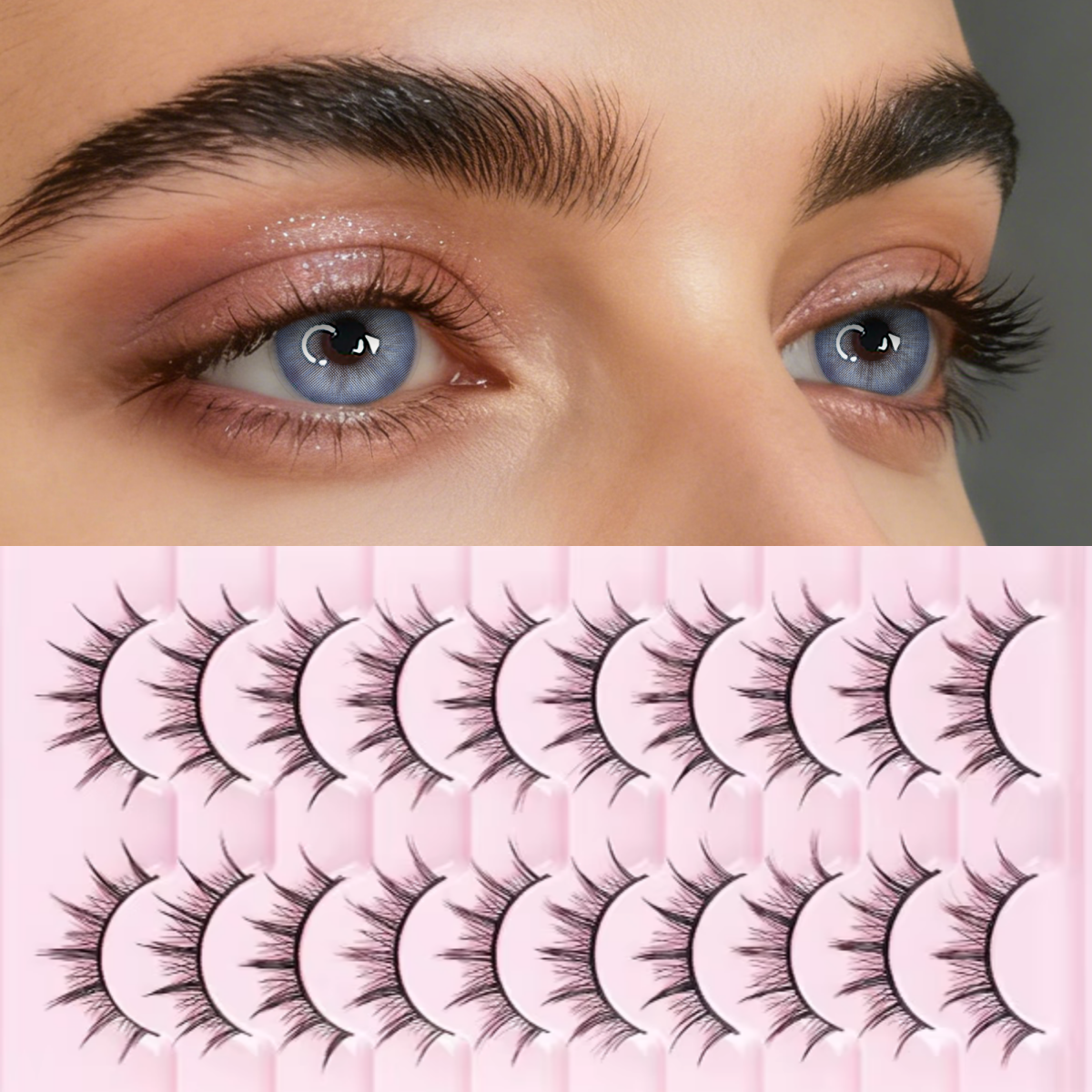
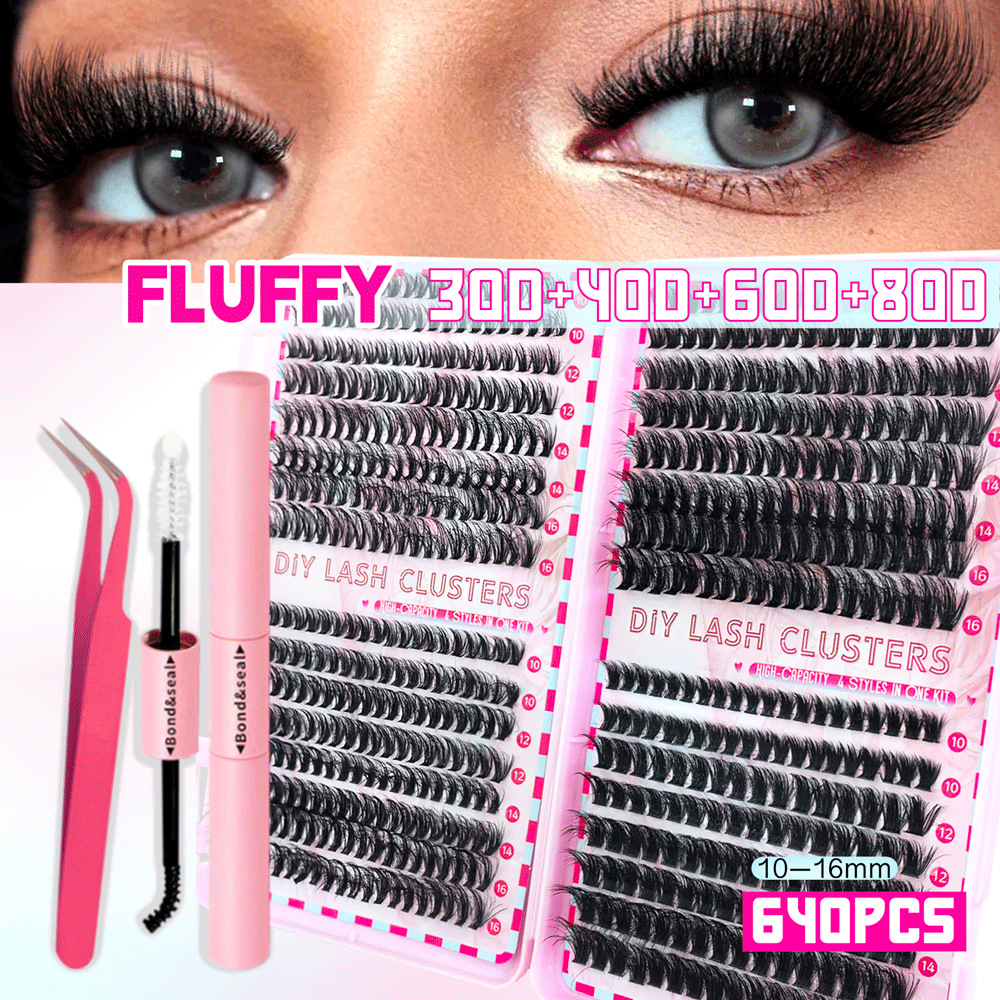
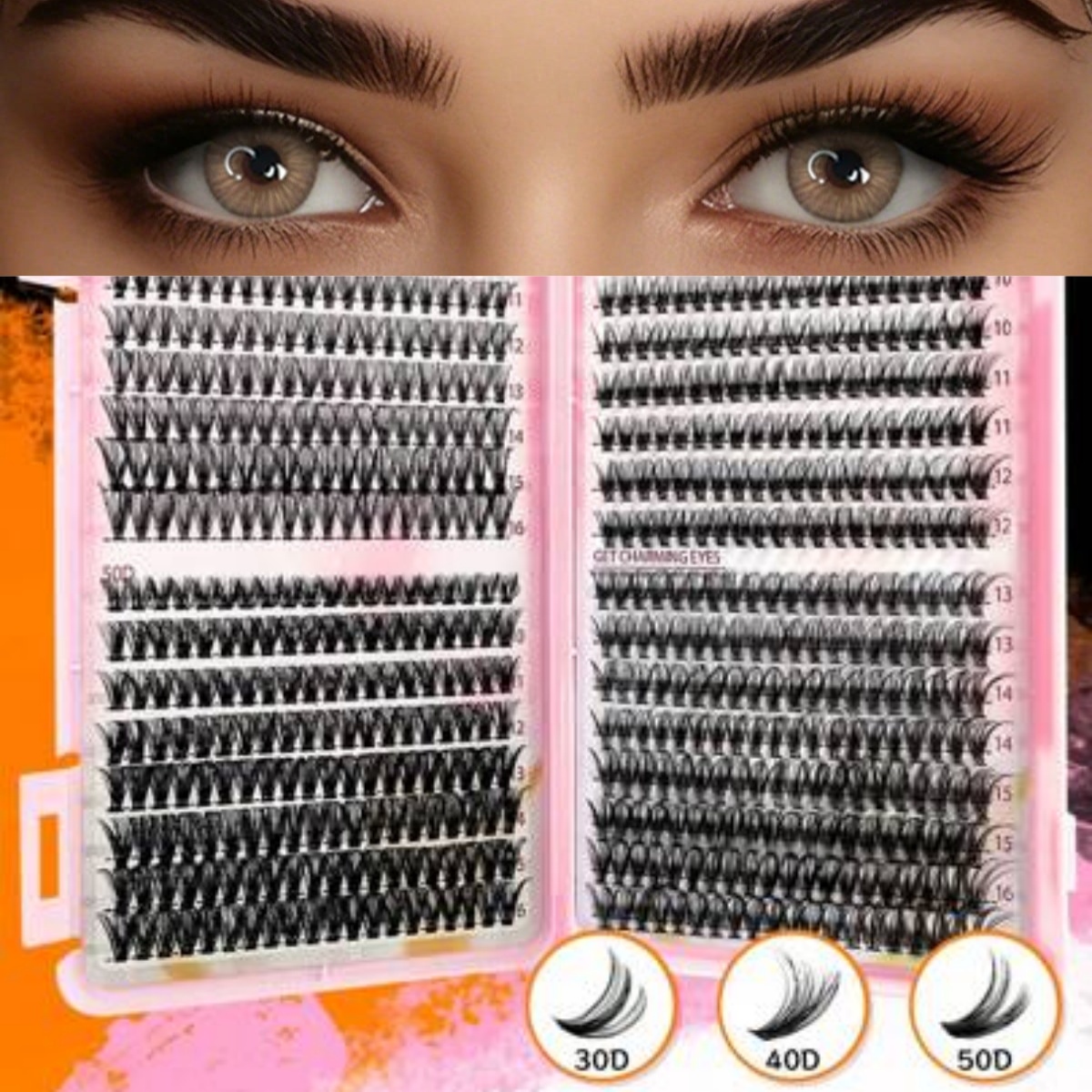
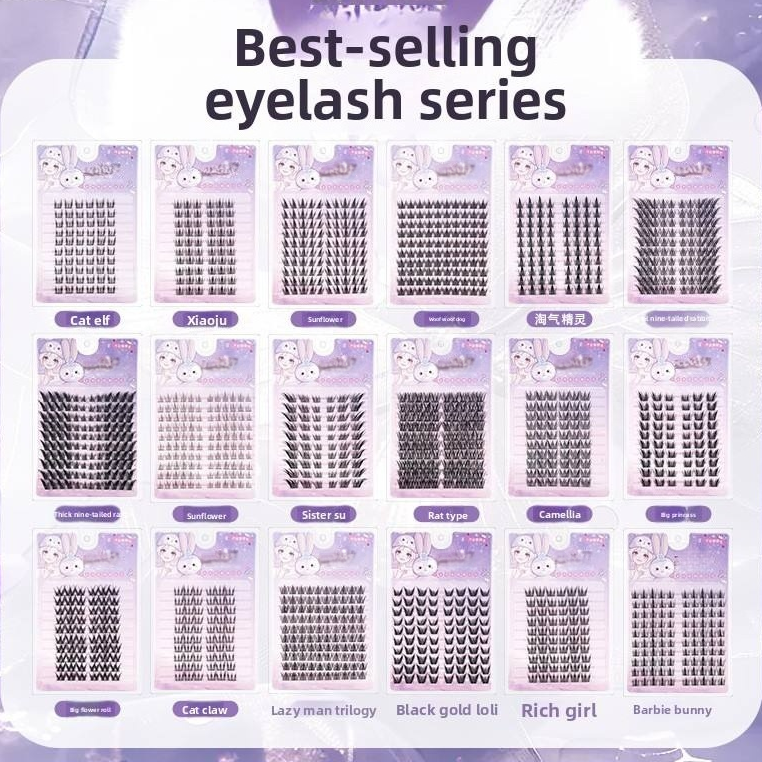
Leading D2C beauty brands no longer procure lenses in isolation. Top tier brands bundle high-aesthetic cosmetic lenses alongside hypoallergenic lash arrays, sterile applicators, and custom-molded rigid storage systems to drive high Cart Values.
Advanced Manufacturing & Optical Formula Evolution
Continuous innovation in polymeric hydrogels, optical zone engineering, and biometric color blending is reshaping modern cosmetic contact lens performance.
Aspheric Optical Zone Correction
Cosmetic lenses historically prioritized aesthetics over precise optical acuity. Our latest molds utilize aspheric aberration control surfaces that offset peripheral light scattering, providing sharp visual performance across low-light environments even with high-opacity pigment coverage.
Biomimetic 3-Tone Iris Architecture
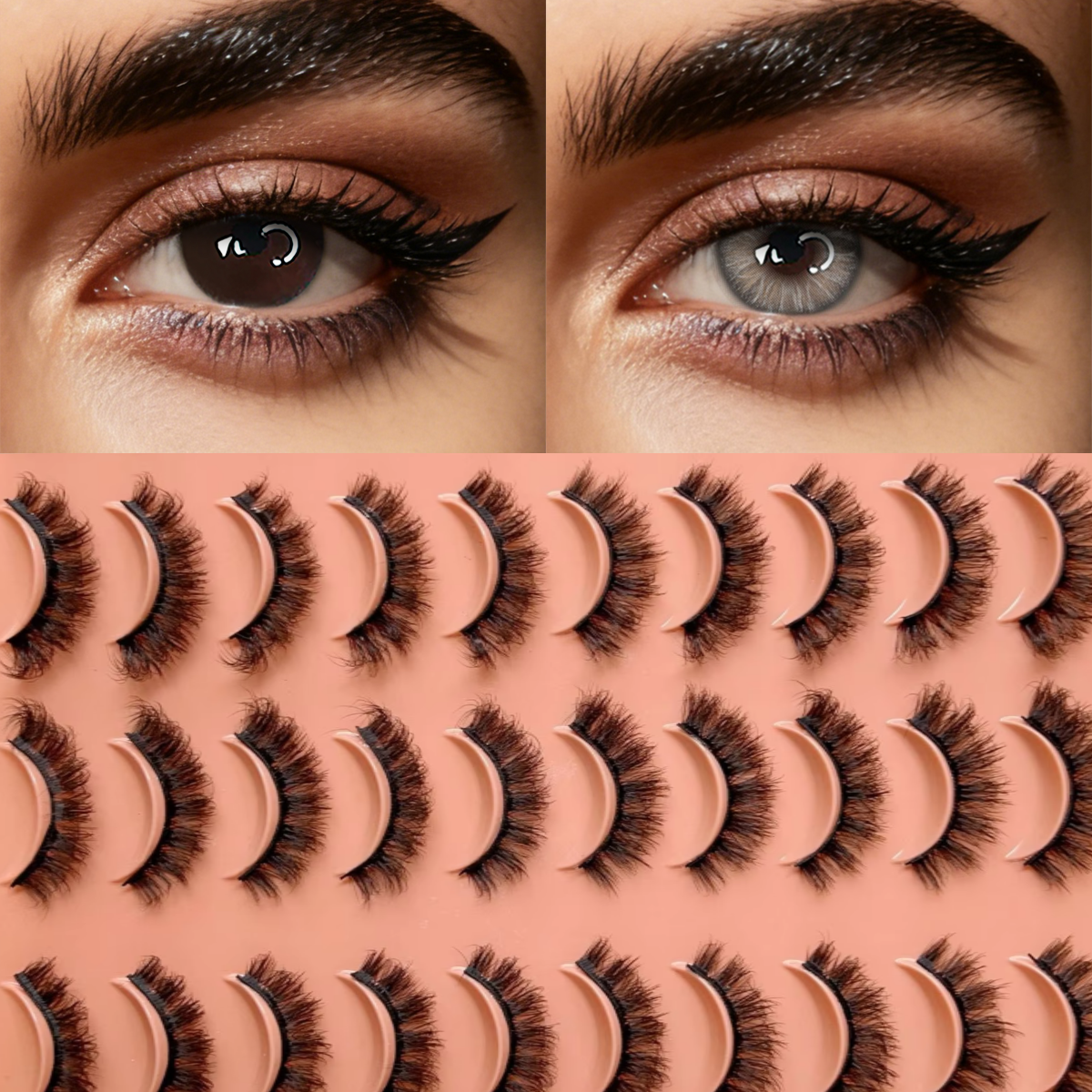
Single-tone designs look artificial on natural dark brown eyes. Our CAD-designed dot-matrix prints blend a hazel pupillary transition zone, a multidimensional chromatic middle layer, and a soft limbal outer rim that creates ocular depth without unnatural contrast.
Integrated UV Class II Protection
Consumer safety awareness has driven demand for active photoprotection. Our proprietary polymer matrix integrates monomeric benzophenone UV blockers, blocking over 85% of UVA and 98% of UVB radiation while maintaining absolute chromatic clarity.
Comprehensive Cosmetic Contact Lens Procurement FAQ
Essential regulatory, technical, and logistical information for procurement officers, optical distributors, and private label project managers.
Are zero-power (plano) cosmetic contact lenses classified as medical devices?
Yes. In all Tier-1 global markets, including the United States (US FDA Class II), the European Union (EU MDR Class IIa), and the United Kingdom (MHRA), plano colored contact lenses are legally categorized as medical devices. They must be manufactured under ISO 13485 clean-room certification and dispensed with compliant instructions for use, batch numbers, and sterile seals regardless of corrective power.
What is the standard Minimum Order Quantity (MOQ) for custom OEM orders?
For existing certified stock pattern matrices packed in standard sterile blisters or glass vials, our MOQ starts at 100 pairs per color model. For fully tailored private label programs requiring custom primary foil stamping, custom-molded secondary boxes, multi-language regulatory leaflets, and custom diopter distribution matrices, the standard MOQ starts at 1,000 pairs per design.
How does your factory prevent corneal hypoxia and keratitis risks?
We employ high-purity Hydroxyethyl Methacrylate (HEMA) and advanced hydrogel formulations with an optimized 38% to 55% water content balance. Combined with center thickness optimization down to 0.07mm and double-sandwich pigment isolation, our lenses ensure adequate tear exchange and continuous oxygen diffusion to the cornea during recommended wearing periods.
What are the standard international lead times and shipping capabilities?
Initial pre-production wear samples ship via DHL, FedEx, or UPS Priority within 5 to 8 business days. Full-scale production cycles typically span 20 to 35 calendar days following artwork sign-off and power matrix verification. We provide complete DDP, CIF, and FOB terms, coordinating with experienced optical freight forwarders to ensure seamless customs release.
Can you manufacture corrective powers for colored contact lenses?
Yes. While decorative plano (0.00D) lenses make up a massive segment of the cosmetic market, our computer-controlled cast-molding systems can manufacture myopic corrective powers ranging from -0.50D to -6.00D (in 0.25D increments) and -6.50D to -10.00D (in 0.50D increments) without distortion of the embedded cosmetic iris print.
What documentation do you provide for domestic regulatory clearance?
We provide verified B2B partners with comprehensive technical files including Sterilization Validation Reports (ISO 11137 / ISO 17665), Accelerated Shelf-Life Aging Stability Studies (3-year and 5-year data), Toxicological Risk Assessments, Formulation Safety Data Sheets (MSDS), and Certificate of Analysis (COA) documentation for every specific production batch.