Engineered Optical Products & Private Label Packaging Solutions
Explore our export-certified production lines spanning specialized hydrogel cosmetic lenses, clinical-grade rigid paperboard boxes, custom private label cartons, and high-density false eyelash collections fabricated for luxury beauty brands.
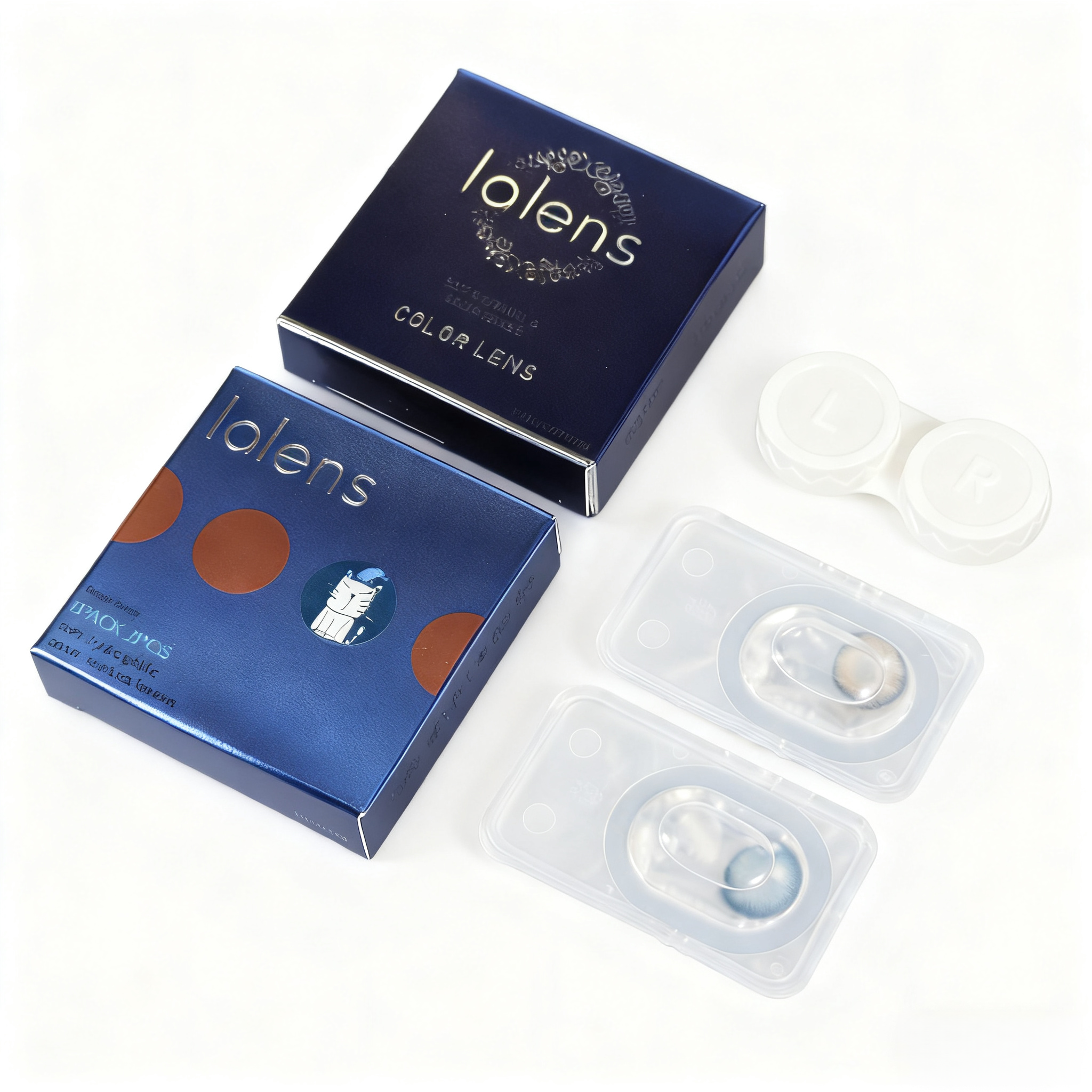
Custom Design Cardboard Soft Contact Lenses Private Label Packaging Paper Box
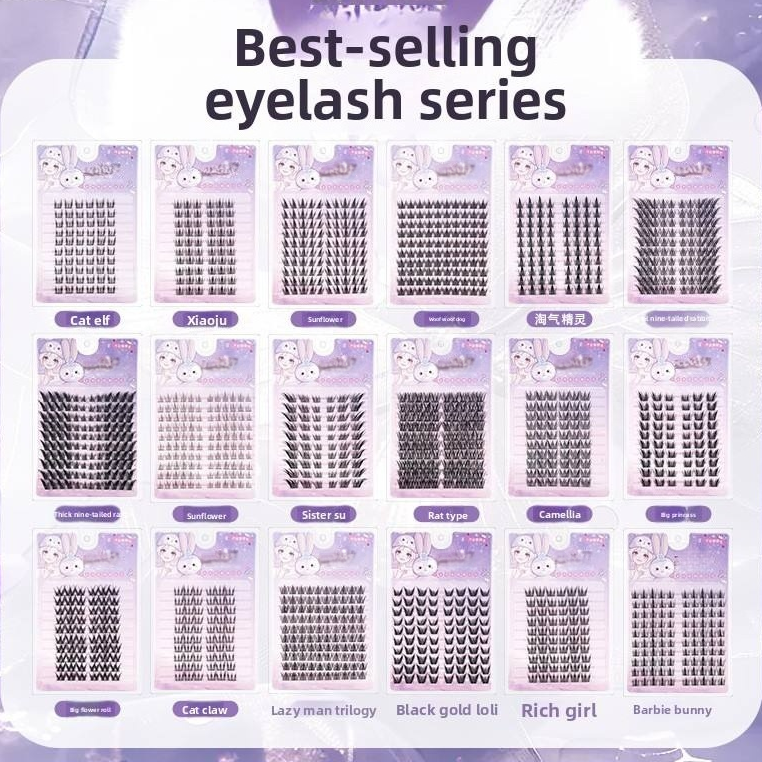
False Eyelashes Glue-Free Sunflower Fox Cat Style Synthetic Hair Cluster
Clear Band Natural Wispy Faux Mink Fluffy Soft Half Lashes Wholesale Box
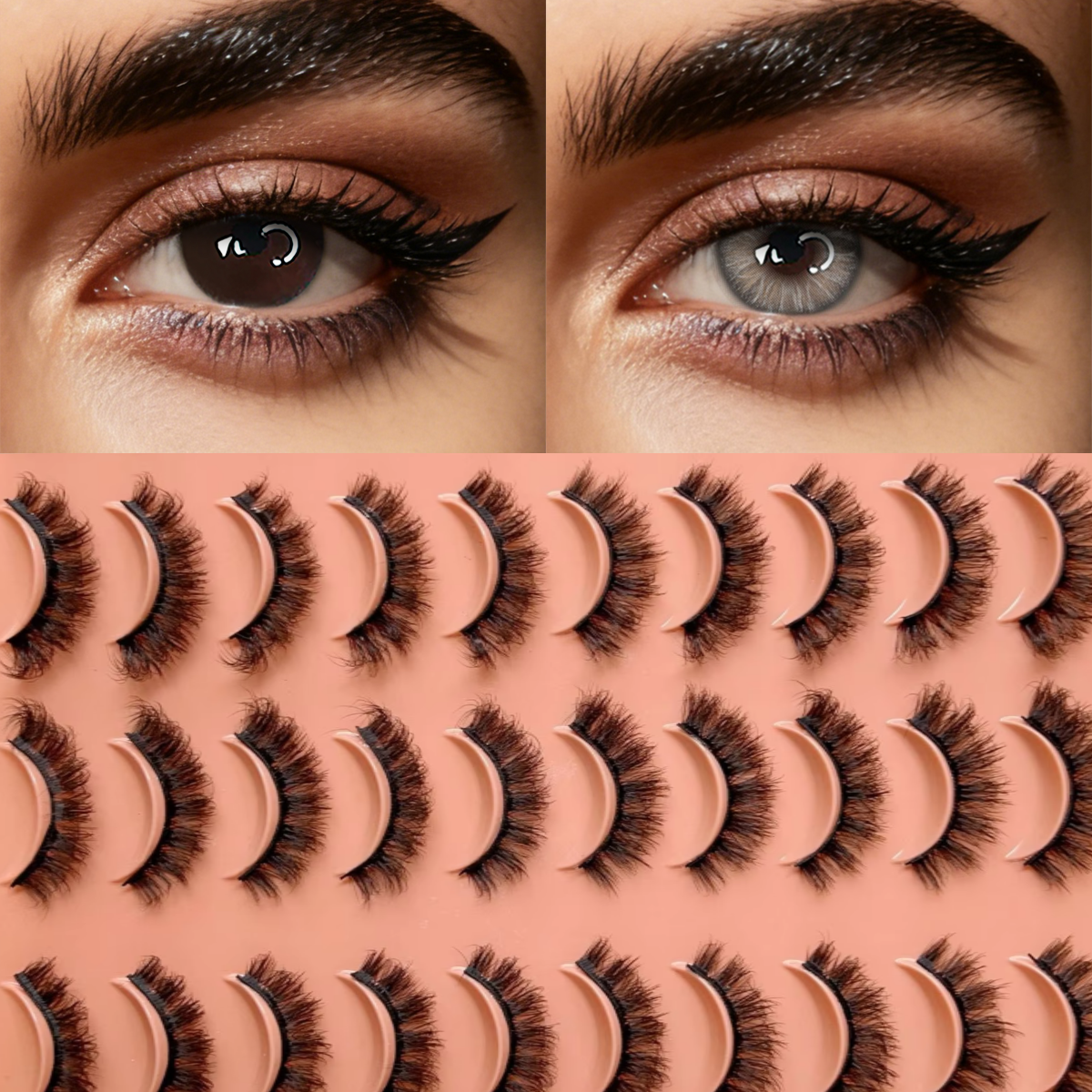
Cross-border Explosions 20 Pairs Mixed 6D Mink Hair Natural Curling Lashes
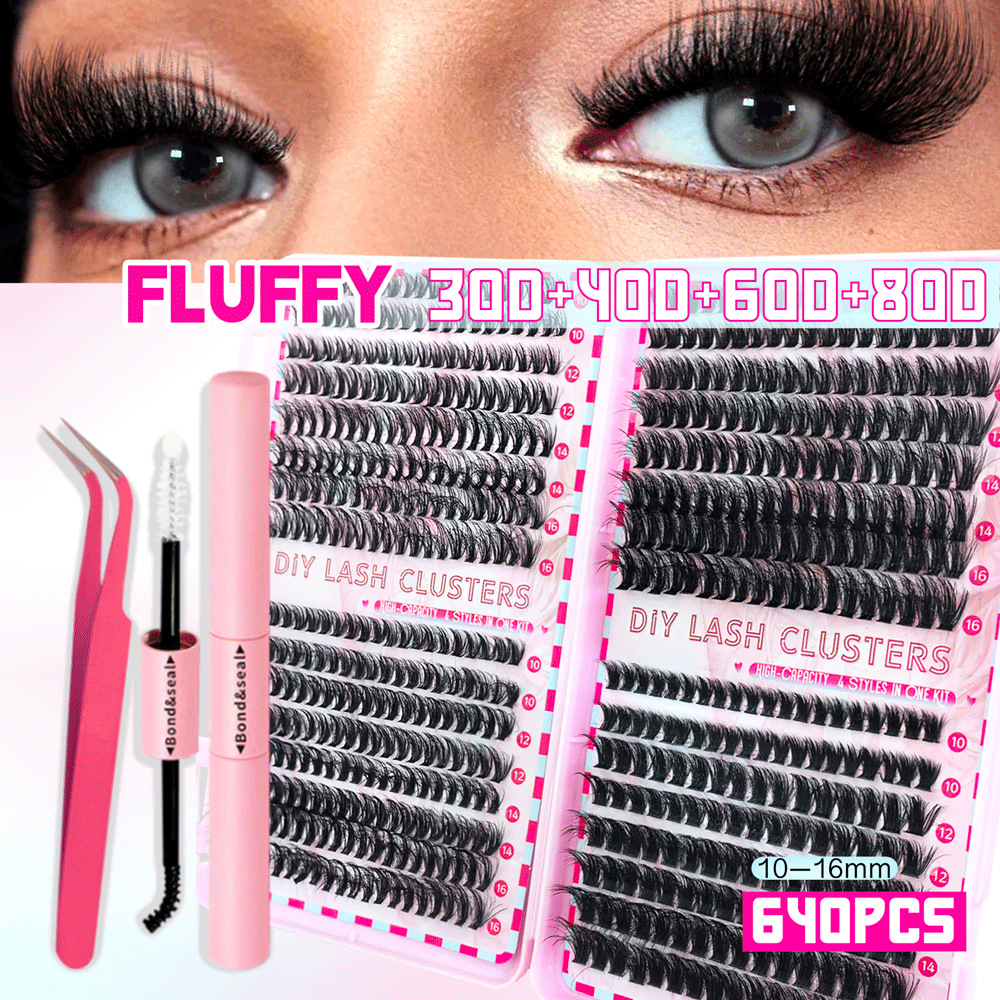
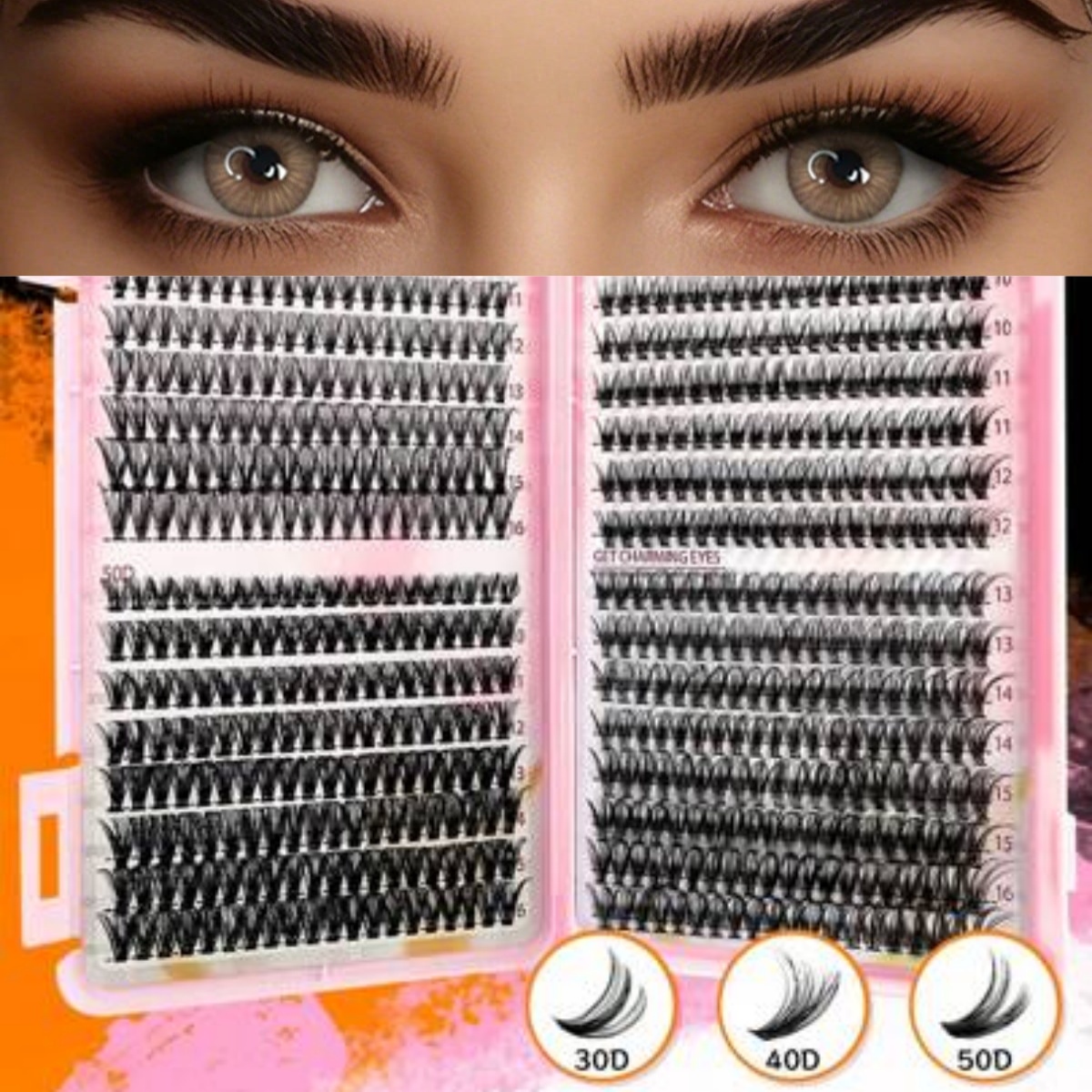
32 Row Plastic Black Stem Semi-Hand Made False Eyelashes Tray 60P-80P Blooms
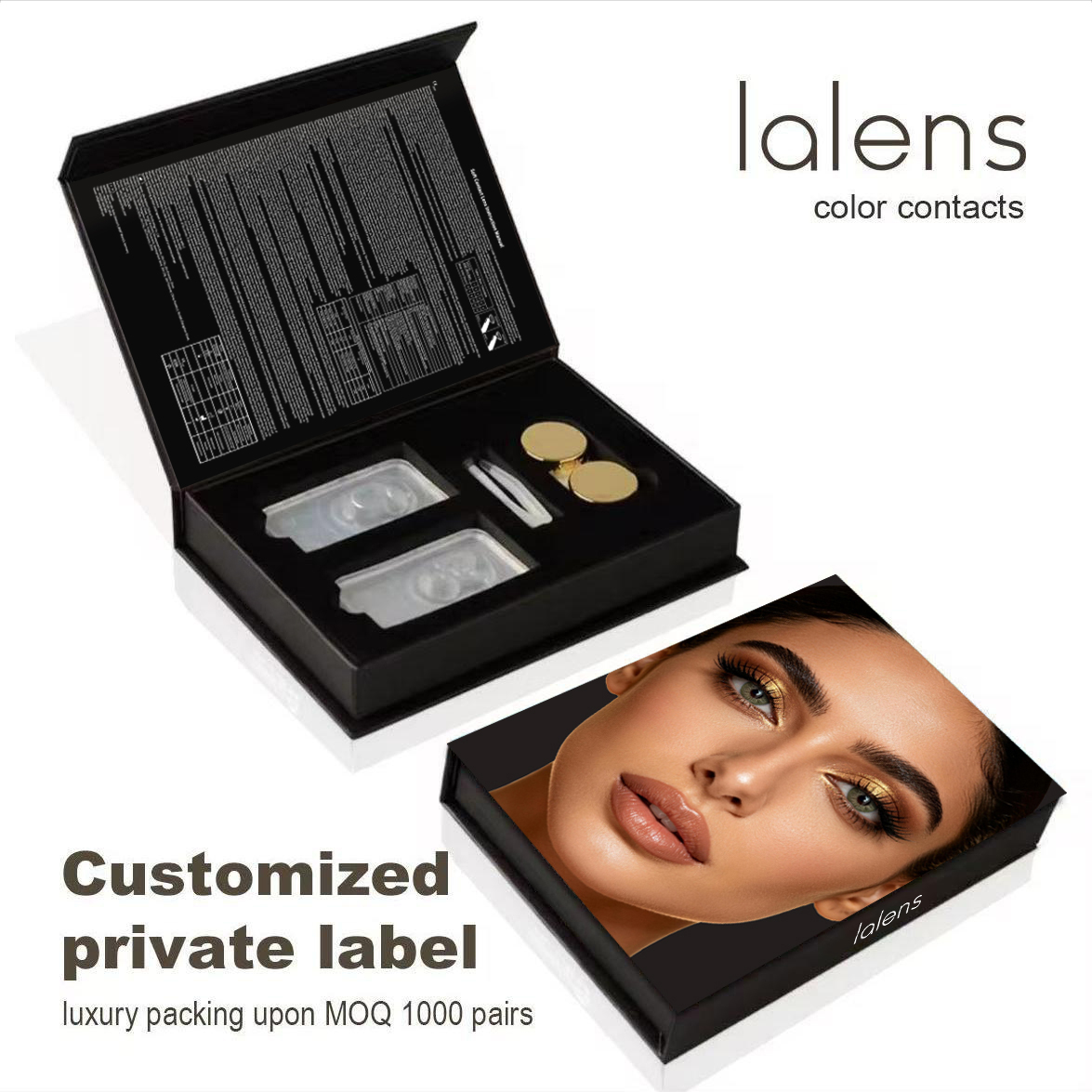
Custom Logo Contact Lens Packaging Rigid Paperboard Square Box Private Label
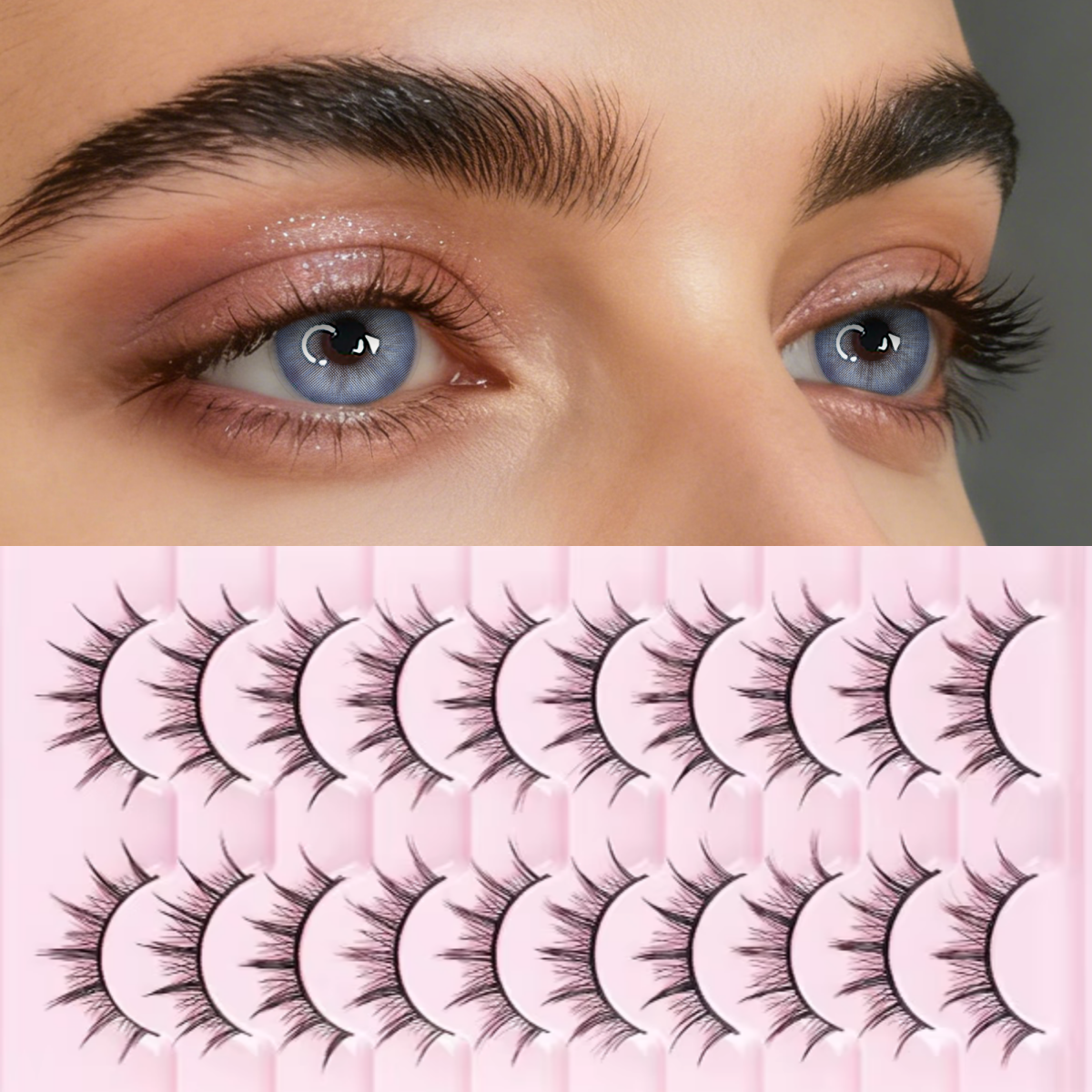
10 Pairs Hard-stem Synthetic Hair Little Devil Cartoon Style Cosplay Lashes
Korean Cast Mold Sandwich Color Contact Lenses (Plano & Prescription)
Strategic Engineering of Colored Contact Lenses: The Korean Manufacturing Ecosystem
The global market for cosmetic and corrective colored contact lenses has experienced a structural paradigm shift. Once treated primarily as seasonal novelty items, tinted and circle lenses now sit firmly at the crossroads of ophthalmic medical devices and daily cosmetic prestige. Brand owners, optical chain store purchasers, and e-commerce beauty aggregators seeking OEM/ODM manufacturing partnerships require uncompromised safety validation, repeatable colorimetry, and lean regulatory pathways.
Korean contact lens factories have long commanded international prestige due to their proprietary casting technologies, advanced biomaterials formulation (such as 2-HEMA, Hioxifilcon, and MPC-infused hydrogels), and unrivaled visual texture designs. By partnering with advanced production plants and export consolidators that bridge Korean casting methodologies with high-capacity automated cleanrooms, global brands secure high-yield production, certified lot traceability, and agile turnarounds.
1. Advanced Cast Molding vs. Conventional Lathe Cutting
In high-volume medical device manufacturing, the molding methodology directly governs edge consistency, optical aberrations, and wearer comfort. While precision lathe cutting remains applicable for rigid gas permeable (RGP) or custom prosthetic lenses, cast molding has become the undisputed standard for mass OEM/ODM colored lenses:
- Full Cast Molding (Double-Sided Automated Injection): Liquid polymer monomer is injected between high-precision optical metal-insert molds (convex and concave). Photopolymerization or thermal curing locks the polymer structure instantaneously. This guarantees 100% edge profile uniformity, eliminating microscopic burrs that cause corneal friction.
- Cast-Molding Mold Precision: Korean facilities use optical-grade nickel-copper alloy cores fabricated under sub-micron CNC tolerances. This minimizes base curve (BC) deviations to within ±0.02 mm, providing clinical repeatability across batches of 100,000 to 1,000,000 units.
- Oxygen Permeability Optimization: Cast molding allows ultra-thin center thickness (CT down to 0.06 mm for -3.00 D lenses), significantly raising the effective oxygen transmissibility (Dk/t) through hydrogel matrices compared to thicker lathe-cut variants.
Clinical Safety Notice: All legitimate OEM/ODM colored lens manufacturing must prevent pigment leaching. Under ISO 18189 and US FDA CDRH compliance guidelines, dye components must never directly contact ocular tissues or the tear-film layer.
2. The Biocompatible "Sandwich" (Color-Lock) Encapsulation Process
The primary hazard in substandard cosmetic lenses is exposed surface dye, which can lead to chemical leaching, surface roughness, conjunctival papillary hyperplasia, and bacterial adhesion. Korean engineering pioneered the sandwich encapsulation technology (also termed Plusierus or Micro-encapsulated pigment entrapment):
During automated manufacturing, an ultra-thin, hydrophilic base layer is initially cast. Food and Drug Administration (FDA) and K-FDA registered non-ionic mineral pigments (such as iron oxides, titanium dioxide, and phthalocyanine blue) are pad-printed or digitally transferred onto this base polymer. Subsequently, a second polymer layer is cast entirely over the pigment print. The whole lens is cross-linked under UV thermal control, permanently sealing the pigment matrix inside the core of the lens. The outer surfaces touching the palpebral conjunctiva and cornea remain 100% pure, unadulterated medical-grade hydrogel.
Technical Benchmark: Korean Cast Molding Standards vs. Standard Commercial Lenses
In-depth technical breakdown highlighting the rigorous parametric parameters maintained across export-grade OEM/ODM contact lens production lines.
| Parameter / Specification | Premium Korean OEM/ODM Lines | Commercial Commodity Standard | Clinical & Commercial Benefit |
|---|---|---|---|
| Pigment Encapsulation | Sandwich Plusierus Tech | Surface Coated / Semi-encapsulated | Zero pigment exposure; zero friction across corneal epithelium. |
| Material Composition | HEMA + MPC / Phosphorylcholine Hydrogel | Standard 2-HEMA Homopolymer | Resists protein deposition; sustains 12-hour tear film hydration. |
| Water Content (Nominal) | 38% – 42% (Low Evap) / 55% (Daily Wet) | 45% – 58% (Unstable) | Reduces moisture draw from ocular surface in dry environments. |
| Base Curve (BC) Tolerance | 8.60 mm (± 0.02 mm strict tolerance) | 8.50 – 8.70 mm (± 0.08 mm) | Eliminates lens decentration and visual flare around the pupil. |
| Center Thickness (CT @ -3.00D) | 0.06 mm – 0.08 mm | 0.09 mm – 0.12 mm | Elevated transmissibility (Dk/t); prevents hypoxic corneal swelling. |
| Edge Profile Design | Multi-Curvature Beveled Edge | Square / Flat-Cut Edge | Promotes tear exchange under the optic zone on every blink. |
| UV Protection Rating | Class II UV-Blocking (UVA >85%, UVB >95%) | Non-UV Blocking Standard | Protects crystalline lens and retina from UV degradation. |
| Regulatory Readiness | CE Class IIa / US FDA 510(k) Master Files | Domestic Market Clearance Only | Turnkey import compliance across North America, EU & Asia-Pacific. |
Future Procurement Trends in the Colored Contact Lens Sector
Data-backed procurement shifts driving consumer repurchase rates and international customs clearance efficiency across major global markets through 2026–2030.
Daily Disposables Dominate
Procurement volumes for 1-Day disposable color blisters have outpaced monthly and yearly lenses by 42% year-over-year. Consumers prioritize hygiene and zero chemical maintenance, driving brand re-order frequency.
Silicone Hydrogel & MPC
Next-generation OEM formulations fuse oxygen-rich silicone macromers with biomimetic Phosphorylcholine (MPC). Buyers are rapidly upgrading catalogs from basic hydrogels to medical-grade high-Dk/t matrices.
Harmonized Regulatory Dossiers
With the enforcement of EU MDR 2017/745 and US FDA 510(k) enforcement on decorative lenses, enterprise distributors favor manufacturers who supply pre-validated 510(k) reference files and audited ISO 13485 QMS certificates.
Micro-Dot Graphic Design
Coarse, solid color bands have been superseded by 3-tone and 4-tone stochastic dot diffusion matrices. Natural limbal rings and irregular pupillary feathering create an authentic iris depth that matches diverse skin tones.
Technological Development Trends Shaping OEM/ODM Production
Engineering advancements transforming modern optical cleanrooms, blister packaging, and cosmetic eye accessory manufacturing.
High-Speed High-Definition Pad & Digital Printing
Modern Korean and export factories are transitioning from traditional mechanical steel-plate pad printing to synchronized 8-color automated robotic printing heads. This allows hyper-realistic gradient shifts, intricate limbal boundaries, and micron-level print registration that completely prevents color shifting across large volume production runs.
Integrated Eye Beauty Merchandising (Lenses + Lashes)
Global cosmetic retailers no longer procure colored contact lenses in isolation. Cross-category procurement pairs cosmetic lenses with complementary glue-free, self-adhesive cluster eyelashes, manga lashes, and custom rigid presentation packaging boxes. Our integrated supply chain unites optical lens manufacturing with sterile, luxury cosmetic packaging under one audit roof.
Clean-Label Packaging & Automated Inspection
100% of finished lenses undergo automated AOI (Automated Optical Inspection) systems. High-speed cameras map edge profile chips, surface scratches, bubble inclusions, and power curve deformities at 60 frames per second before the lens enters autoclave sterilization at 121°C for 20 minutes, guaranteeing zero defective blisters arrive at overseas ports.
Strategic OEM/ODM Sourcing Workflow
From custom iris concept rendering to certified global shipping, our factory execution eliminates operational bottlenecks for private label importers.
Pattern Brief & Selection
Select from 500+ pre-developed iris prints or submit custom digital vectors for bespoke 1-tone to 4-tone color separation.
Prototyping & Lab Sampling
Trial blisters are cast and verified for hydration, edge thickness, and color stability. Physical wear samples delivered via DHL within 5-8 days.
Artwork & Regulatory Labeling
Design of rigid paperboard packaging, foil blister heat-sealing, multi-language inserts, lot coding, and GTIN/UDI barcodes.
Class 100k Cleanroom Mass Cast
Automated cast molding, precision sandwich pigment transfer, hydration cycling, packaging sealing, and 121°C terminal autoclave sterilization.
Export Clearance & Logistics
Full lot test release (sterility, endotoxins, cytotoxicity) with international door-to-door air freight or DDP customs clearance consignments.
Why Global Brands Entrust Their Production to Our Plants
Built upon 16 years of contract manufacturing rigor, certified cleanrooms, and flexible order architectures designed for scale.
Medical-Grade Cleanroom Infrastructure
Our operations function under verified ISO 13485:2016 medical device management systems and GMP cleanrooms. Humidity, positive air pressure, and particulate counts are monitored 24/7, preventing microbial contamination throughout molding, hydration, and primary blister packaging.
End-to-End Packaging Integration
Unlike standalone contact lens suppliers that outsource box printing, our manufacturing complex integrates custom cardboard soft contact lens private label paper boxes, luxury rigid paperboard square cartons, and blister foil printing. This eliminates size mismatches, reduces shipping costs, and cuts packaging lead times by 15 days.
Flexible MOQs for Emerging & Enterprise Brands
We believe scalable brands require agile testing ground. While legacy factories impose rigid 10,000-unit minimums per SKU, our catalog patterns start from as low as 100 pairs per color for in-stock hydrogel series, scaling effortlessly to hundreds of thousands of pieces for established international retail chains.
Frequently Asked Questions for OEM/ODM Lens Sourcing
Direct technical and commercial answers addressing buyer regulatory concerns, tooling costs, shelf-life validation, and cross-border logistics.
Are colored cosmetic contact lenses regulated as medical devices in the USA, EU, and Korea?
Yes. In all Tier-1 and Tier-2 markets, decorative and colored contact lenses (including zero-power plano lenses) are legally classified as medical devices (Class II in the US under FDA 21 CFR 886.5925, Class IIa under EU MDR 2017/745, and Class II/III under Korean MFDS). They are never classified as simple cosmetics. Importers must comply with sterile packaging requirements, lot traceability, and appropriate regional device registration. We provide complete technical dossiers including bio-compatibility reports, cytotoxicity assays, and leachability data to streamline your market authorization.
What is the exact distinction between Korean OEM production and China-based export assembly?
Korean manufacturing centers excel predominantly in micro-pigment aesthetic patterns, casting mold core precision, and patented sandwich printing methodologies. China-based industrial hubs (such as Shenzhen and Guangdong optical clusters) offer immense scalable capacity, automated high-throughput hydration, rapid private label box carton packaging, and cost-effective worldwide export freight consolidation. Our supply chain utilizes Korean precision molds and color patterns combined with high-volume ISO 13485 cleanroom assembly and certified secondary packaging, giving buyers the design cachet of K-beauty lenses with the economic scalability and rapid dispatch of global manufacturing hubs.
How does your factory ensure the pigment never touches the human cornea?
We deploy full sandwich encapsulation. During the cast-molding sequence, the pigment is printed onto a pre-cast base polymer layer, followed by a secondary polymer top-coat that is cross-linked under controlled photopolymerization. A destructive mechanical rub test, along with spectrophotometric leachability testing in organic solvents, is performed on every production lot. The color pigment remains locked hermetically between the hydrogel layers throughout the designated wear cycle.
What parameters (Diameter, Base Curve, Water Content, Diopters) can be customized?
Our standard production ranges from 14.0 mm to 14.5 mm overall diameter (DIA) with an 8.50 mm or 8.60 mm base curve (BC). Water content is configurable at 38% to 42% (ideal for monthly/yearly low-evaporation wear) or 55% to 58% (optimized for daily disposables). Diopter ranges extend from Plano (0.00) down to -10.00 D in 0.25 D increments (from 0.00 to -6.00 D) and 0.50 D increments (from -6.00 to -10.00 D). Custom astigmatic (toric) parameters are also supported under custom OEM development contracts.
What is the lead time for custom OEM packaging and sample approval?
Existing catalog samples with unprinted blister foil ship within 48 to 72 hours via international express (DHL/FedEx/UPS), reaching buyer premises in 5 to 8 business days. For customized private label OEM orders involving custom rigid paperboard boxes, foil blister foil stamping, and multi-language patient leaflets, prototype samples require 10 to 14 days. Full-scale commercial production runs are typically completed and sterilized within 25 to 35 business days from final digital dieline approval.
What are the minimum order quantities (MOQs) for private label branding?
For standard in-stock color patterns packed in neutral sterile blisters, our minimum trial order starts at just 100 pairs per SKU. For full turnkey OEM private label programs featuring custom logo cardboard soft contact lens packaging paper boxes or luxury rigid square gift sets, our minimum is 1,000 pairs total, which can be spread across multiple popular color variants. Bespoke iris pattern development from ground zero typically requires a 5,000-pair commitment to amortize copper-mold insert tooling.
Can you supply coordinated eye-beauty items like false eyelashes and applicator kits?
Yes. We specialize in consolidated eye-beauty merchandising. In addition to medical-grade contact lenses, our production facilities supply premium glue-free self-adhesive lashes, clear-band wispy faux mink eyelashes, 6D volume sets, and salon lash extension trays. We can pack contact lens blisters, tweezers, inserter wands, and companion lash sets within a singular custom-branded rigid paperboard presentation box for retail shelves.