Beauty Extension Series
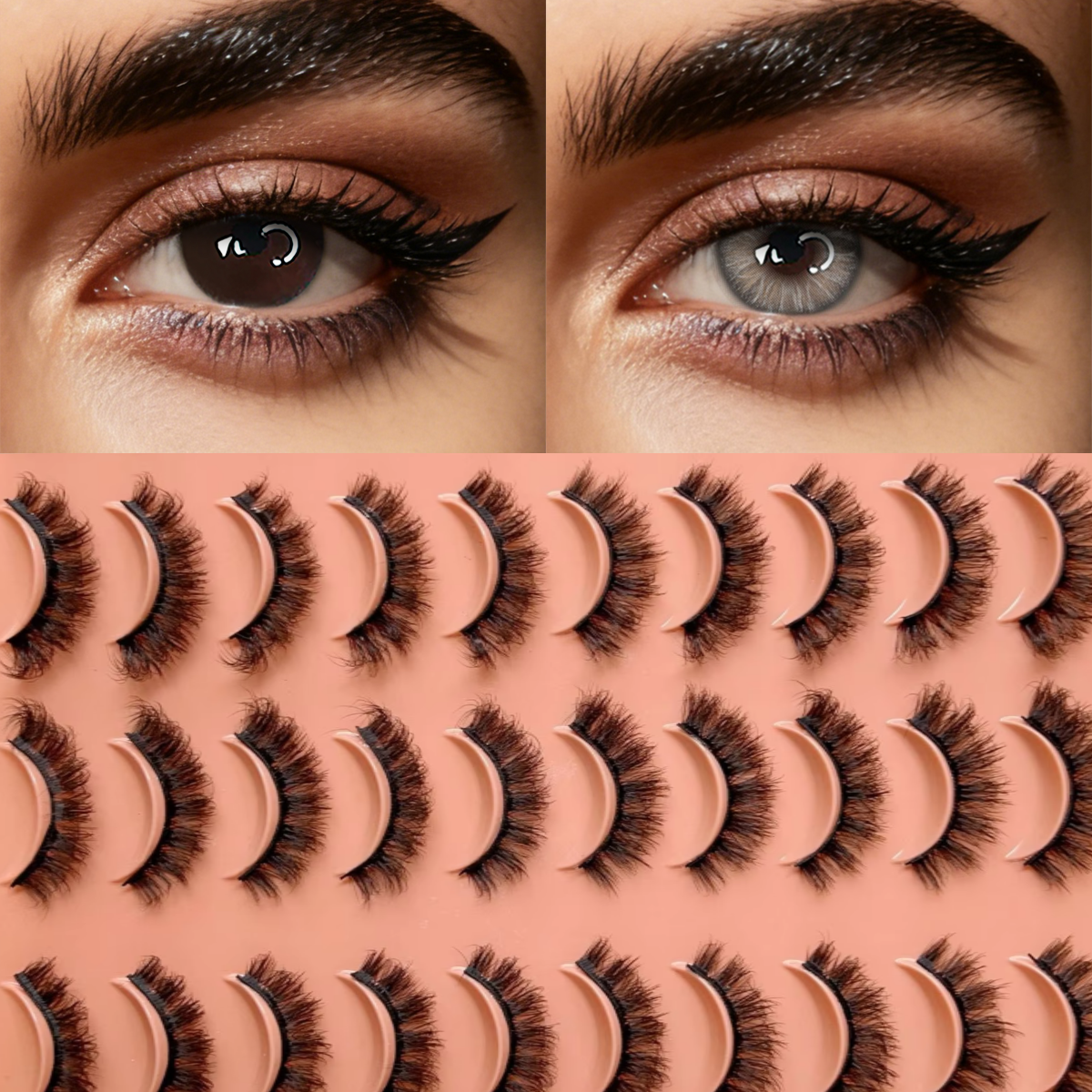
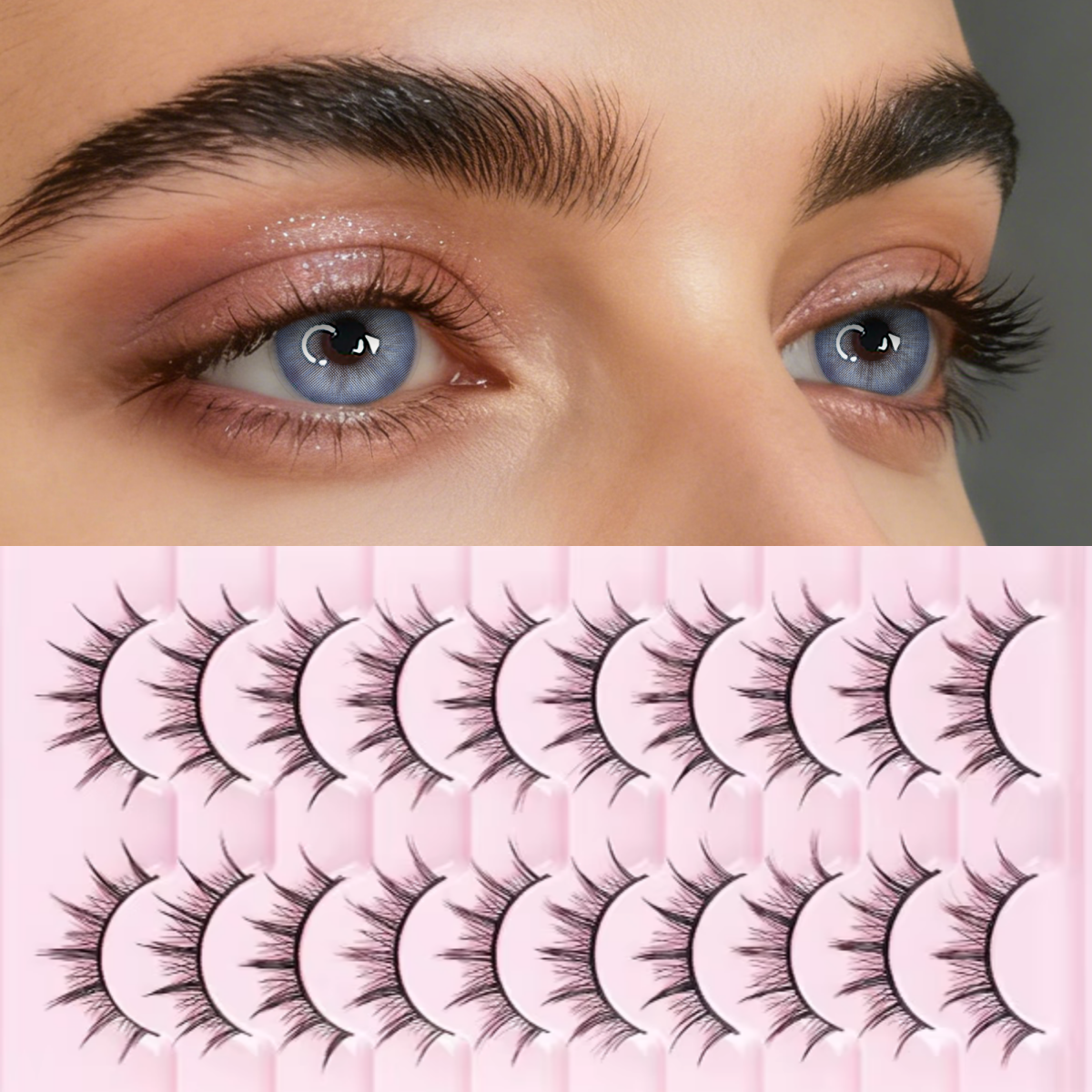
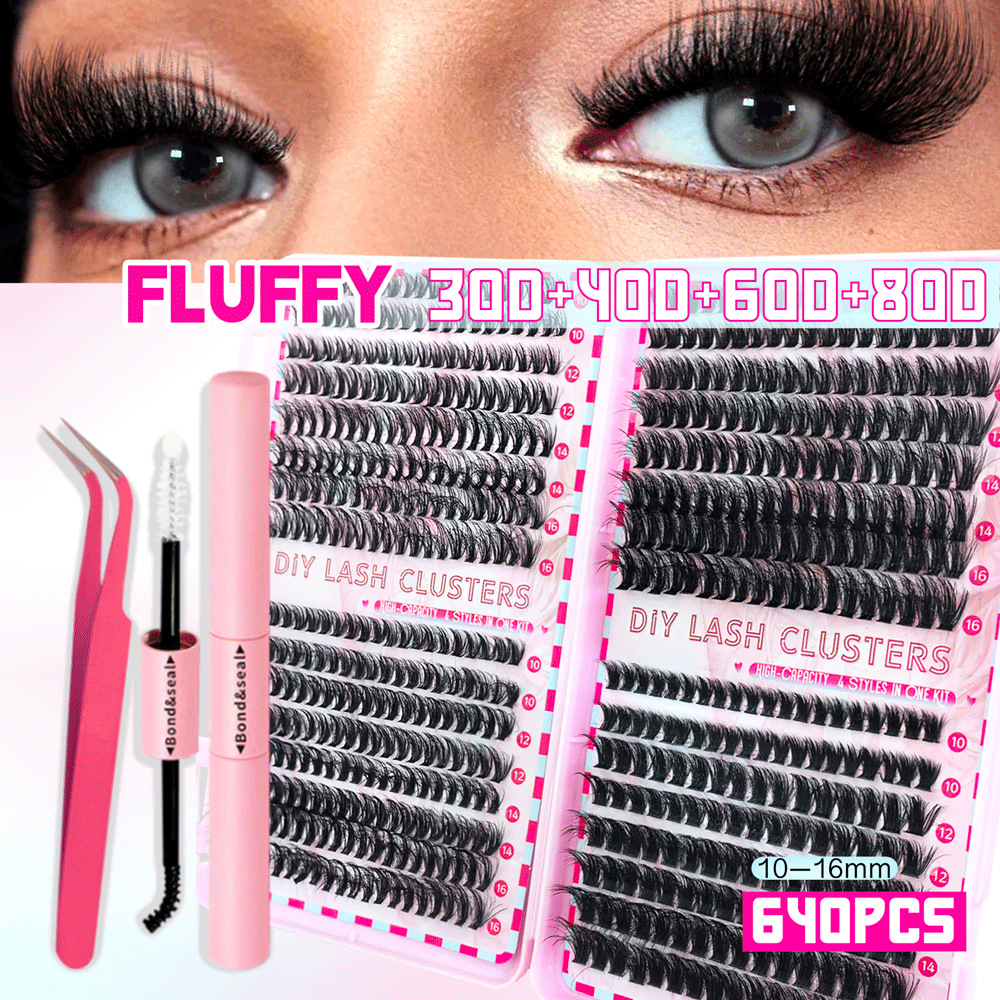
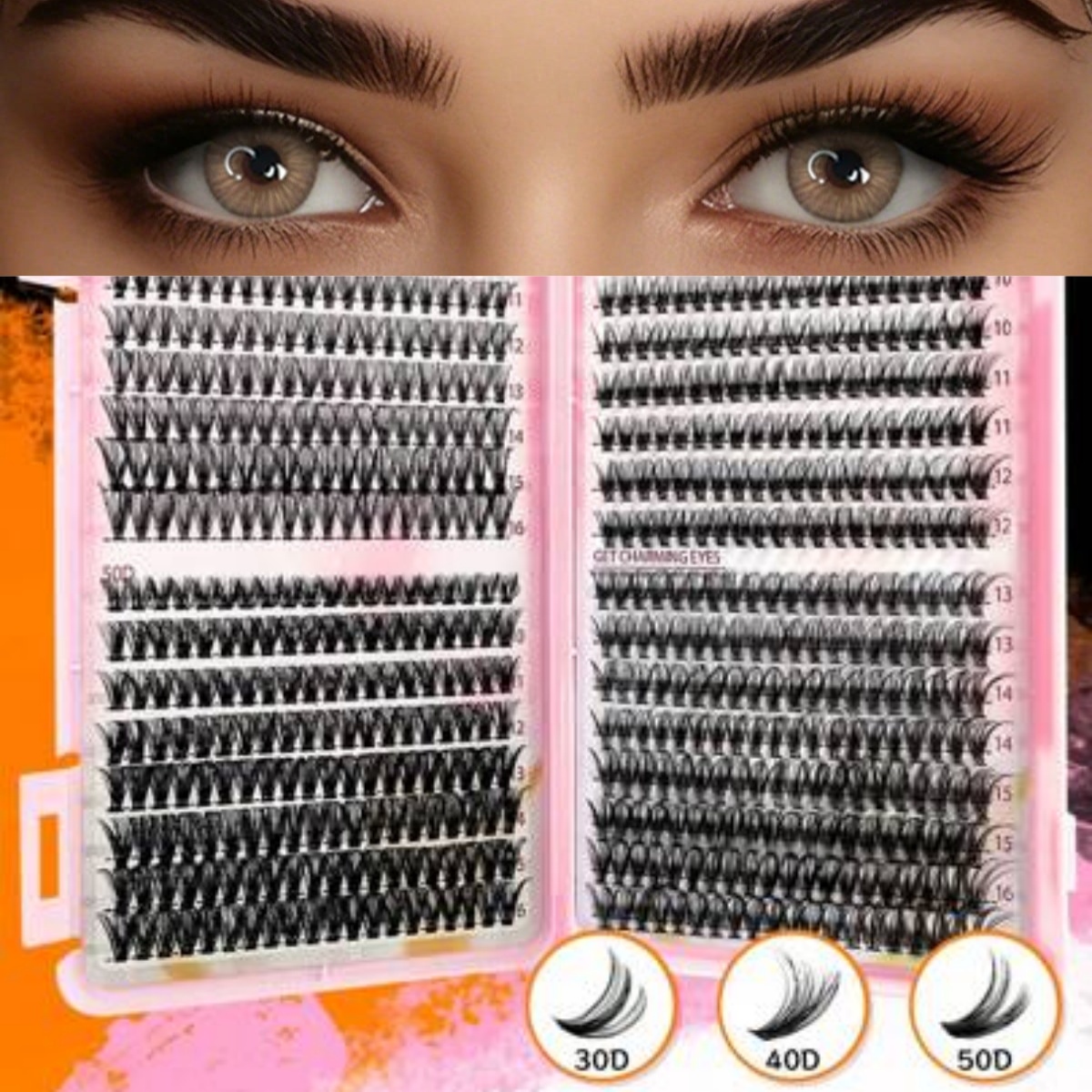
20 Pairs Mixed 6D Mink Hair False Eyelashes Natural Curling Thick Europe & US Wholesale
Product Specifications
Engineered for private label scalability, custom brand identities, and seamless international regulatory adherence.
A complete engineering and supply chain analysis for institutional buyers, distributors, and ophthalmological private label directors.
In modern ophthalmic device manufacturing, polymer engineering determines corneal oxygenation, end-of-day comfort, and optical stability. Poly-2-hydroxyethyl methacrylate (p-HEMA) hydrogels with controlled water content between 38% and 55% remain an industry standard for cosmetic and toric daily disposables due to high initial wettability, exceptional micro-elastic properties, and structural stability during high-speed cast molding. For extended wear profiles, next-generation Silicone Hydrogel polymers balance oxygen permeability (high Dk/t) with surface modification technologies like plasma treatment, reducing lipid adhesion and maintaining physiological tear balance.
Technical Fact: Medical-grade contact lenses are Class II/Class III controlled devices across most global jurisdictions. Structural stability, base curve consistency (standard 8.6 mm), and central thickness metrics (0.06 mm - 0.08 mm) dictate clinical safety margins.
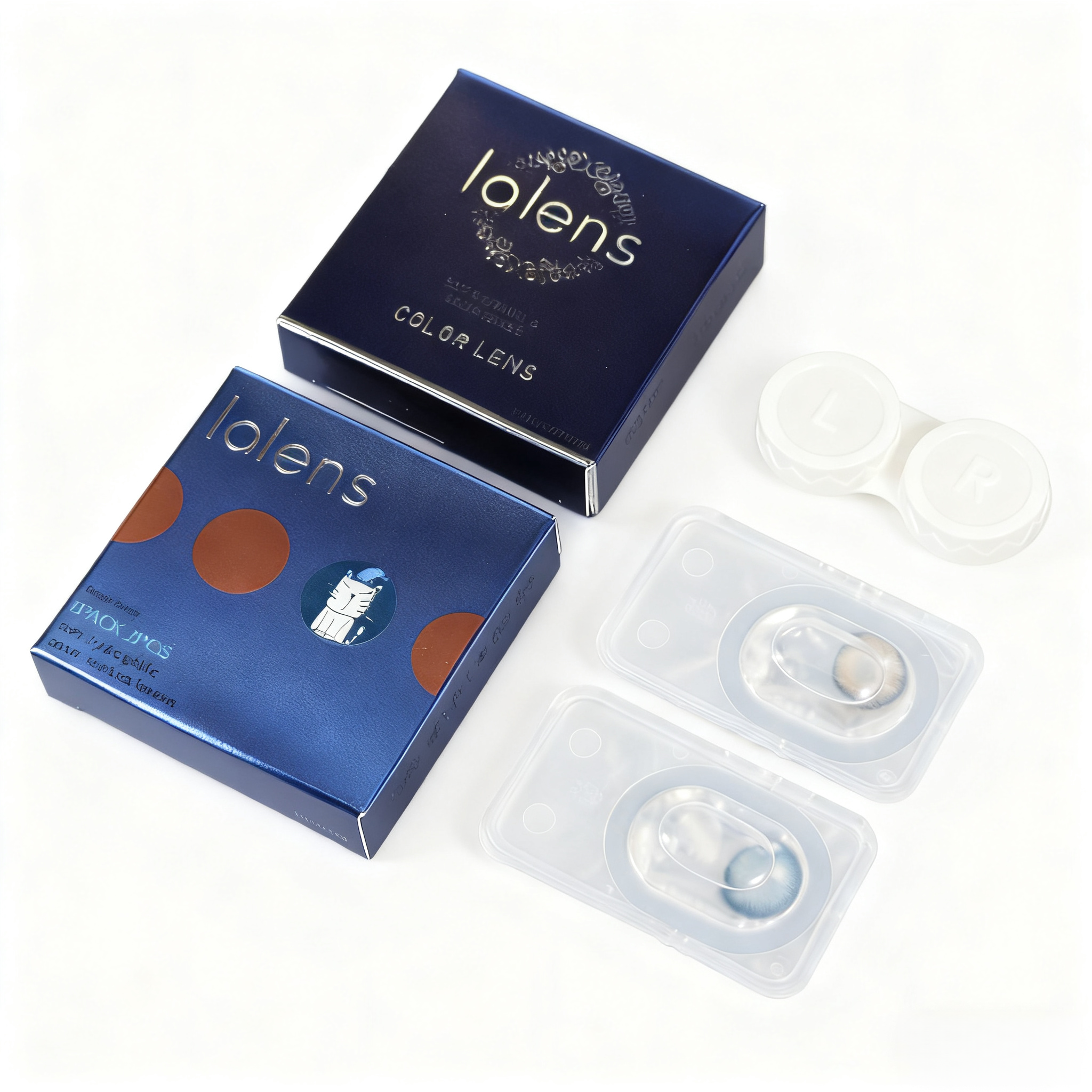
Cosmetic color dispersion presents critical biocompatibility requirements. Substandard manufacturing processes utilize direct surficial printing, risking direct ocular abrasive trauma and chemical leachates. Institutional OEM manufacturing mandates proprietary sandwich-printing processes, sealing FDA/CE-approved color pigments between two inert layers of optical-grade hydrogel polymers. The encapsulation guarantees zero direct corneal-pigment contact, uniform color retention across mass production runs, and consistent refractive indexes throughout the entire prescription range (-0.00 to -10.00 D).
Entering tier-one consumer markets requires documentation that withstands stringent regulatory audits. Factory operations adhere strictly to ISO 13485:2016 Medical Device Quality Management Systems and cleanroom standards (GMP Class 100,000 equivalent). Importers targeting the United States market must adhere to the Federal Food, Drug, and Cosmetic Act (FD&C Act), where even non-corrective zero-power lenses require complete device listings, 510(k) clearances, and clear Rx-Only statements compliance under the FTC Contact Lens Rule.
| Compliance Vector | Standard Soft Hydrogel | Cosmetic / Halloween FX | Silicone Hydrogel Extended |
|---|---|---|---|
| Regulatory Class (US/EU) | Class II / Class IIa | Class II / Class IIa | Class II / Class IIb |
| Hydration Parameter | 38% - 55% HEMA | 38% - 42% HEMA | 40% - 60% SiHy |
| Pigment Encapsulation | Not Applicable | Mandatory Dual-Layer Seal | Mandatory Dual-Layer Seal |
| Standard Sterilization | Terminal Autoclave (121°C) | Terminal Autoclave (121°C) | Moist Heat Autoclave (121°C) |
Market vectors transforming contact lens formulation, cosmetic consumption, and commercial ordering strategies through 2030.
The global retail market is aggressively shifting from monthly and yearly reusable formats toward single-use daily disposables. Driven by consumer health education and lower maintenance requirements, procurement teams are allocating over 60% of inventory budgets to high-volume automated strip-pack blister configurations.
Modern consumers demand multidimensional performance. Leading ODM programs now engineer active chemical UV-blocking monomers and High-Energy Visible (HEV) blue-light attenuation directly into the polymer composition, providing digital screen shielding alongside cosmetic chromatic iris alterations.
Institutional carbon footprints have elevated sustainable secondary packaging into core vendor evaluation metrics. Brands are retiring bulky plastic cases in favor of biodegradable cardboard, reduced-water foil blisters, and certified FSC paperboard rigid boxes designed to cut ocean transport volumetric weights by up to 35%.
Eliminate intermediary markup and streamline supply continuity with a dedicated manufacturing partner.
Production is conducted in Class 100,000 cleanrooms using automated injection cast-molding machinery. Continuous bioburden monitoring, terminal autoclave sterilization at 121°C, and closed-loop hydration lines guarantee that every production lot meets stringent sterility assurance levels (SAL 10⁻⁶).
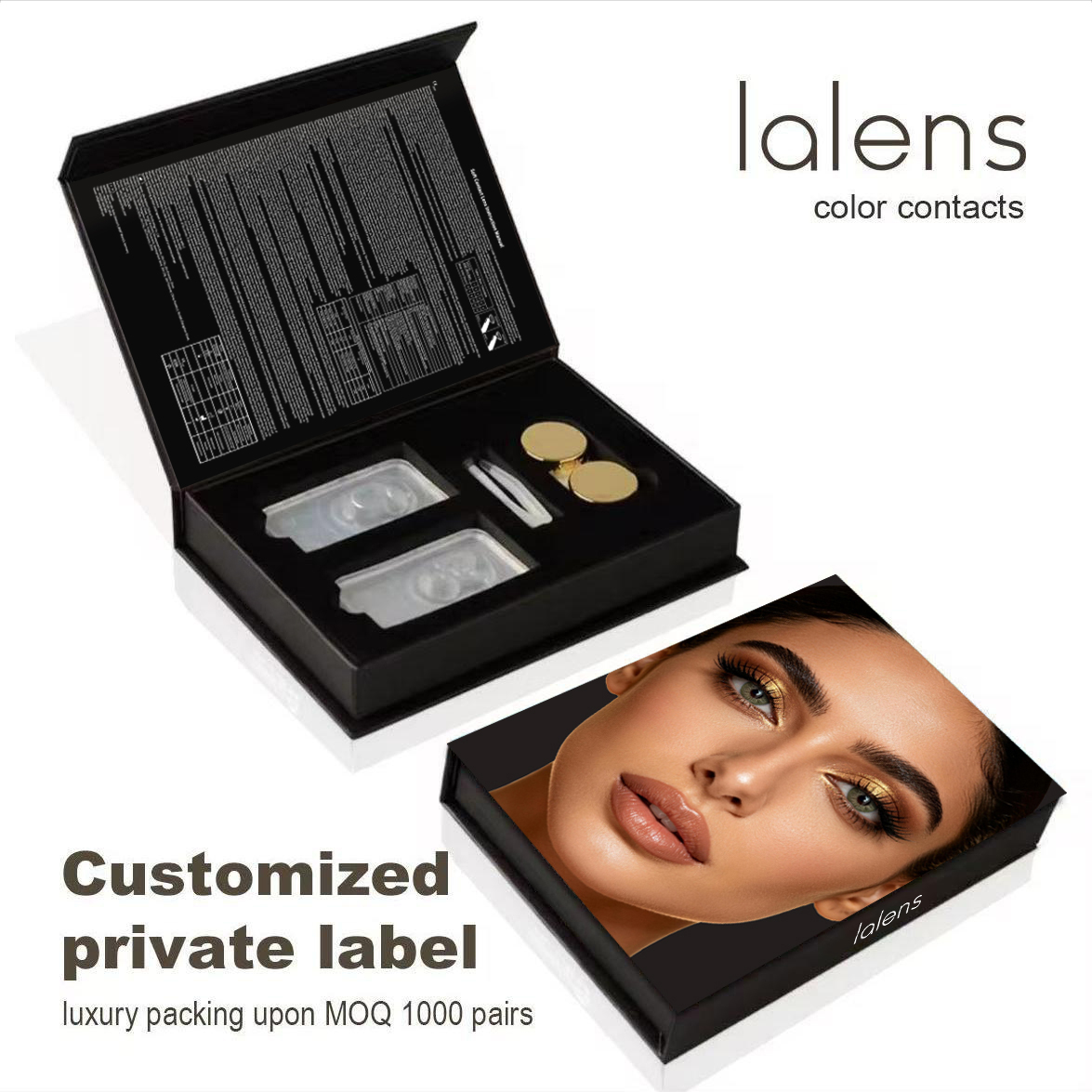
Our design team maintains an active library of over 500+ proven cosmetic iris variations—spanning natural tri-tone gradients, high-opacity vibrant cosplay styles, and dark-limbal enlarging rings. Custom client-exclusive designs can be turned from digital artwork to production mold tooling within 14 business days.
We provide full documentation kits to verified importers, including comprehensive Certificates of Analysis (COA), material safety profiles, cytotoxicity test reports, and fully bilingual English labeling. We offer air express via DHL/FedEx (5–8 days) as well as direct ocean DDP delivery to logistics centers throughout North America and Europe.
Everything procurement directors and brand managers need to know about lead times, compliance, and custom batch sizes.