Curated Medical-Grade Product Portfolio
Discover our high-permeability silicone hydrogel contact lenses, custom aesthetic packaging architectures, and companion beauty lines manufactured to conform with US FDA 510(k), CE MDR 2017/745, and ISO 13485 standards.
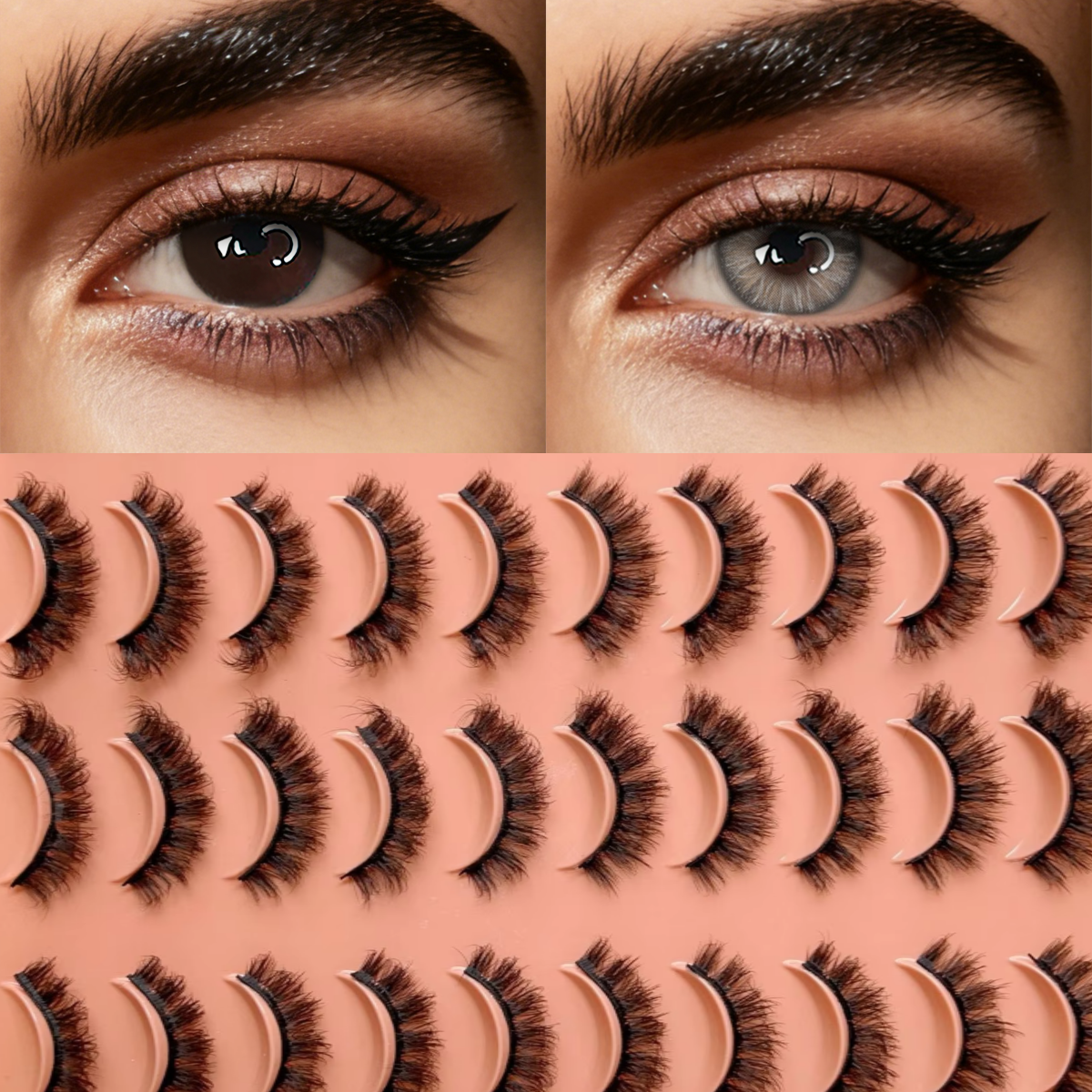
Cross-border Explosions 20 Pairs Mixed 6D Mink Hair False Eyelashes Natural Curling Thick Europe & US Wholesale
- Band Type: Ultra-Flexible Cotton Band
- Application: Cosmetic Retail & Salon
- Packaging: Multi-Tiered Window Box
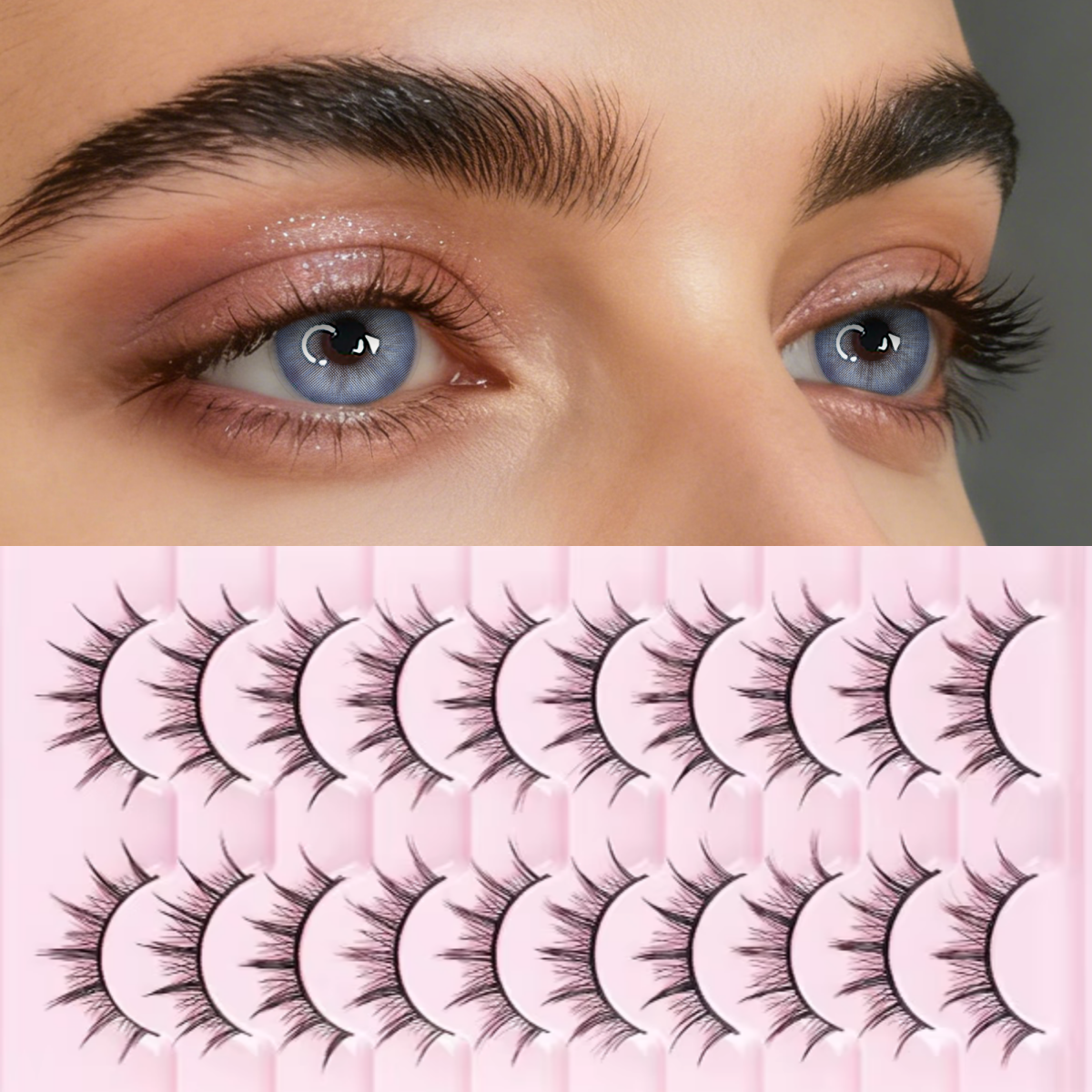
10 Pairs Hard-stem Synthetic Hair False Eyelashes Natural Look Cartoon Little Devil Design Can Hold False Eyelashes
- Material: Korean PBT Synthetic Fiber
- Stem Form: Memory Hard Stem
- Design: Manga / Little Devil Cluster
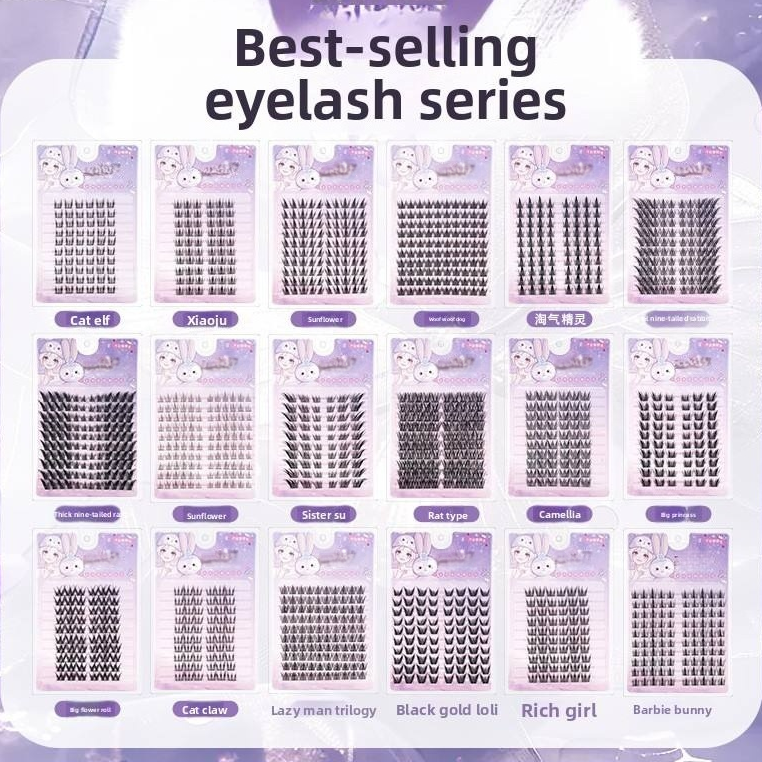
False Eyelashes Family Photo Inevitable Glue-Free Large Capacity Synthetic Hair Lower Upper Eyelashes Sunflower Fox Style Cat
- Attachment: Pressure-Sensitive Glue-Free
- Wear Life: Multi-Reapplication
- Configuration: Dual Row Upper & Lower
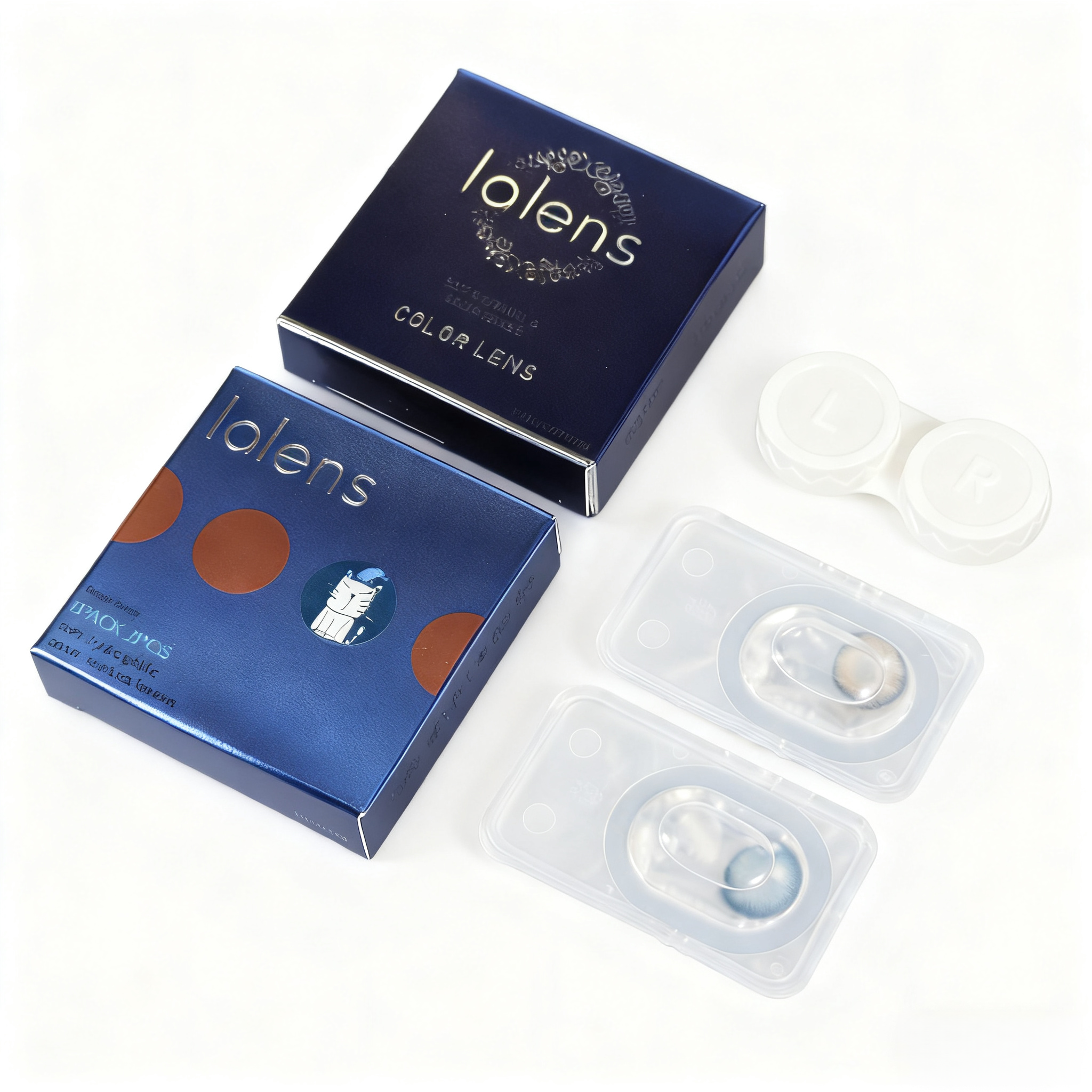
Custom Design Cardboard Soft Contact Lenses Private Label Contact Lenses Packaging Paper Box for Cosmetic Contact Lens
- Substrate: FSC Certified 350g SBS Board
- Printing: Soy Ink UV CMYK + Spot Gold
- Compliance: FDA UDI / Braille Embossing
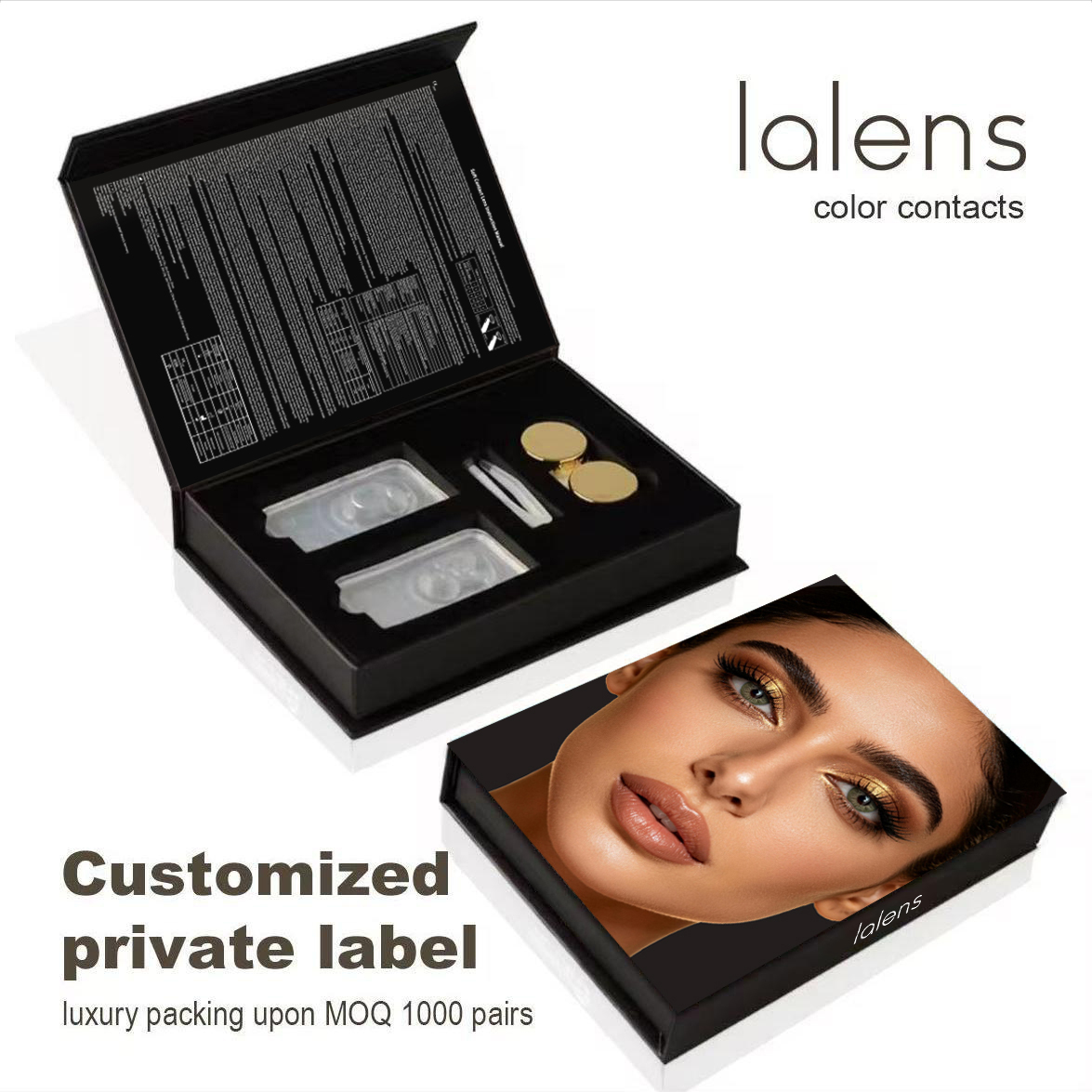
Custom Logo Contact Lens Packaging Rigid Paperboard Square Box Private Label Cosmetic Packing
- Structure: Rigid Lid-and-Base Box
- Internal Tray: High-Density EVA Blister Slot
- Finishing: Soft-Touch Anti-Scratch Matte
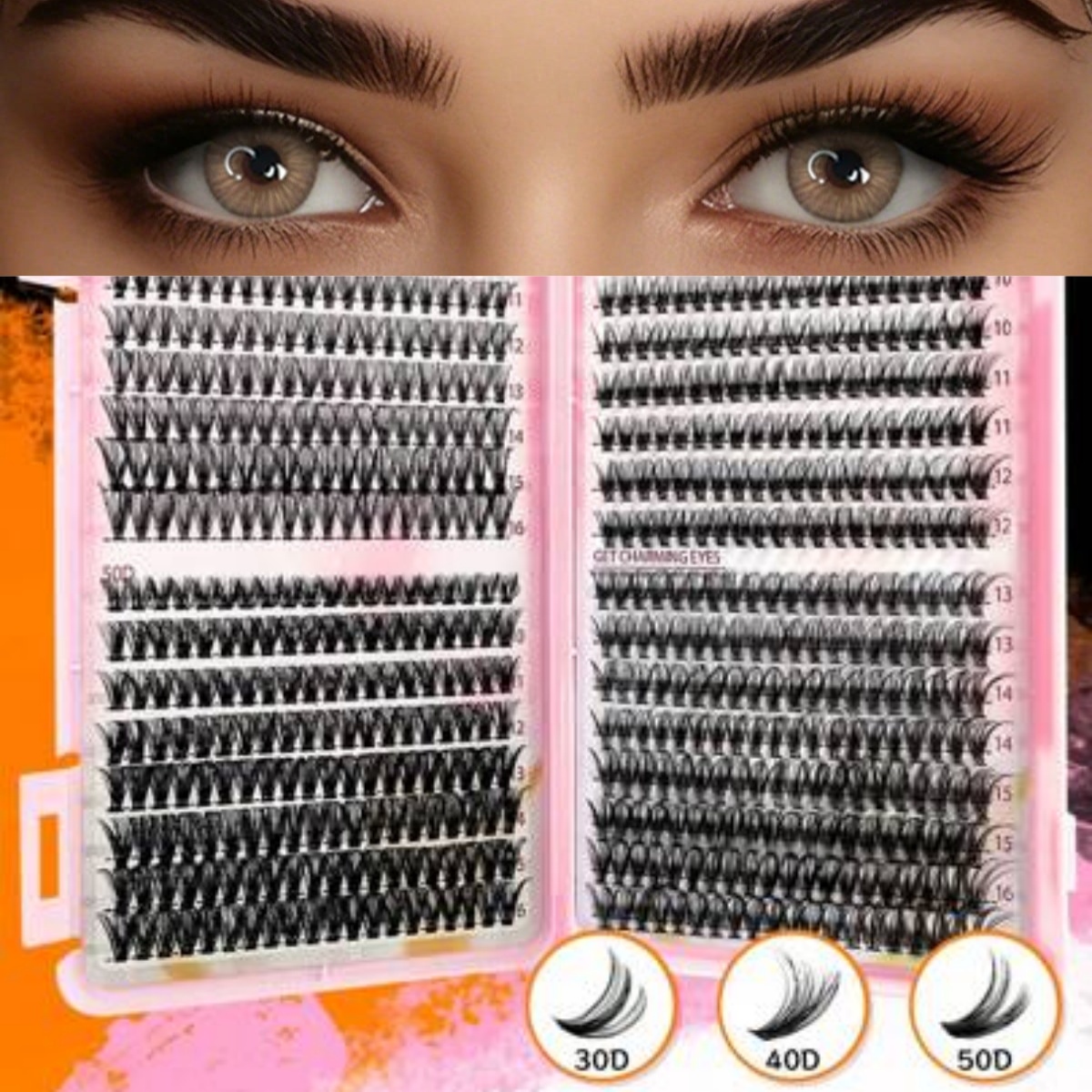
False Eyelashes Box Clear Band Natural Wispy Faux Mink Fluffy Soft Half Lashes for Daily Party Valentine's Day Makeup Wholesale
- Stem Line: Invisible Crystal TPU Band
- Tapering: Ultra-Fine 0.05mm Micro-Fiber
- Application: Aesthetic Accentuation
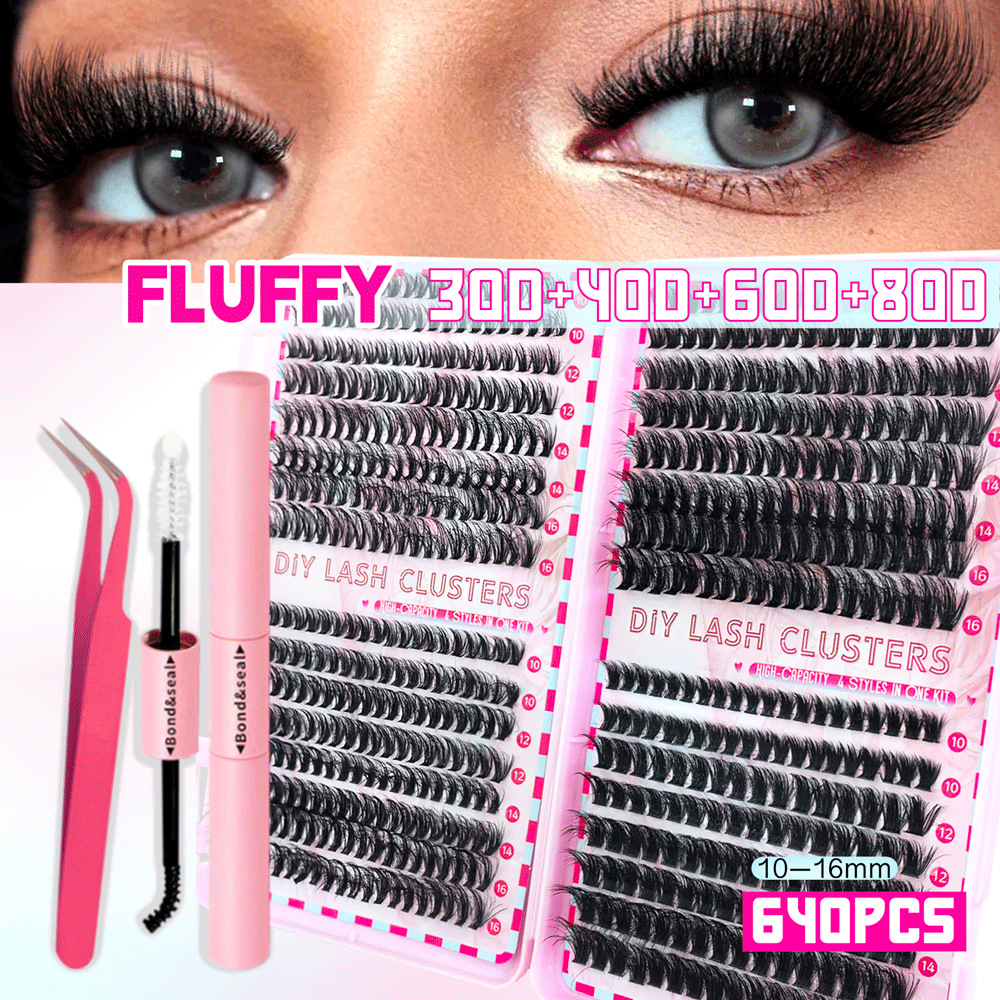
For 30P 40P 32 Row Plastic Black Stem Semi-Hand Made False Eyelash Glue Foreign Trade 60P 80P Blooms Hair European American
- Manufacture: Semi-Handmade Thermal Fusion
- Capacity: High-Density 32-Row Tray
- Target Region: North American & EU Salons
OEM/ODM Custom Hydrogel & Silicone Contact Lens Formulation (Plano & Prescription Powers)
- Base Curve: 8.50mm to 8.70mm Custom
- Water Content: 38% - 58% HEMA / Si-Hy
- Regulatory: Full Technical Dossier Ready
Advanced Polymer Engineering & Cleanroom Manufacturing
Shenzhen Lalens Co., Ltd operates as an integrated technological entity rather than an export broker. We maintain end-to-end sovereignty over monomers synthesis, cast molding tooling, color dot-matrix sandwiching, and moist autoclave sterilization.
Triple-Layer Sandwich Encapsulation
A primary failure mode in non-compliant cosmetic contact lenses is pigment leaching. We utilize an advanced nano-pigment lock technology where organic pigments are fully embedded between two cross-linked polymer layers. Pigment particles never contact corneal epithelial tissue or the inner palpebral conjunctiva.
Medical-Grade Cast Molding Automation
Unlike outdated mechanical lathe-cutting which yields rough edges, our dual-surface computerized cast molding guarantees sub-micron precision edge profiles. Each lens delivers an ultra-smooth peripheral transition angle that maximizes tear exchange dynamics and minimizes mechanical irritation during blinking.
ISO 13485 & GMP Class 100,000 Cleanrooms
Our facility adheres strictly to medical device manufacturing protocols under ISO 13485:2016 quality systems. In-line spectrophotometry monitors chromatic stability while automated 121°C pressurized steam autoclave units guarantee an audited Sterility Assurance Level (SAL) of 10⁻⁶.
Next-Generation Material Science & Engineering Trends
The global soft contact lens and aesthetic ocular market is experiencing massive technological disruption. Sourcing directors must anticipate these structural shifts to ensure sustainable portfolio margins and regulatory resilience.
Silicone Hydrogel (Si-Hy) Domination
Legacy Poly-2-HEMA materials are systematically yielding market share to 3rd-generation Silicone Hydrogel formulations. By optimizing siloxane macromer architectures, manufacturers achieve oxygen transmissibility values exceeding Dk/t 100 barrer/cm, preventing corneal hypoxia while maintaining low modulus elasticity for superior comfort.
Spectral Blue-Light & High UV Attenuation
Modern consumers demand active photo-protection. Upcoming OEM specifications integrate dual-action UV-blocking monomers capable of intercepting >98% UVA and >99% UVB radiation, combined with specialized lutein-inspired tint filters that mitigate high-energy visible (HEV) blue wavelength degradation caused by extended digital display usage.
High-Fidelity Stochastic Dot-Matrix Inks
Aesthetic consumer trends in North America and Western Europe have transitioned from solid block pigmentation to hyper-realistic iris mimicking. By integrating ultra-fine stochastic 12-picoliter variable droplet printing, next-generation lenses reproduce natural limbal rings, radial striations, and multi-chromatic hazel depths without sacrificing optical pupil clarity.
Supply Chain Governance & Importer Sourcing Strategies
Strategic purchasing in the contact lens vertical demands deep cross-functional competence spanning customs harmonized codes, cold-chain integrity, sterilized barrier packaging, and device compliance audits.
Stricter Enforcement: US FDA & FTC Rules
Under 21 CFR § 886.5925 and the FTC Contact Lens Rule (16 CFR Part 315), decorative plano lenses are regulated strictly as Class II medical devices requiring active prescription verification. Enterprise buyers are decoupling from unverified trading entities in favor of direct factories that maintain validated Device Master Files (DMF) and complete biocompatibility cytotoxicity testing (ISO 10993).
Turnkey Sustainable Blister Architectures
Regulatory mandates in the EU (Packaging and Packaging Waste Regulation) and North America are accelerating the obsolescence of glass vials. Modern procurement mandates transition toward fully recyclable polypropylene (PP) thermoformed blisters with medical-grade peelable aluminum foil laminates, reducing freight cubic volume by 42% while securing seal integrity.
Decoupled Inventory: Universal Blisters + Localized Box
To hedge against dynamic consumer demand cycles and regulatory label updates, leading importers leverage a decoupled postponement manufacturing model: ordering mass-sterilized, unprinted primary blister batches stored under bonded warehousing, paired with just-in-time rapid-response localized secondary rigid cardboard packaging.
Frequently Asked Procurement & Engineering Questions
Clear, direct answers regarding minimum run sizes, laboratory validations, private-label packaging tooling, and international distribution compliance.
Can decorative or colored contact lenses be legally imported into the US without prescription verification?
No. The US Food and Drug Administration (FDA) classifies all contact lenses—including zero-power (plano) cosmetic, Halloween FX, and cosplay lenses—as regulated medical devices. Under the Fairness to Contact Lens Consumers Act and FTC Contact Lens Rule, US distributors and retailers are legally mandated to verify prescriptions. We supply complete technical files, English labeling templates, and Device Master File documentation to support your regulatory compliance.
What is the minimum order quantity (MOQ) for custom private-label contact lens packaging programs?
For existing cast-molded patterns with private label cardboard over-packaging and blister foil printing, our standard production threshold begins at 1,000 pairs per design across standard diopter ranges. For bespoke iris pattern formulation, specialized diameter/base curve combinations, or engineered polymer blends, tooling minimums typically commence at 5,000 pairs.
How do you ensure color pigment does not migrate from the lens matrix during prolonged wear?
We deploy a proprietary sandwich-structure encapsulation system. During the cast-molding polymerization phase, the reactive bio-compatible pigments are fixed between internal and external layers of hydrogel monomer, undergoing high-temperature thermal polymerization. This ensures zero direct contact with the conjunctiva and ocular surface. Each production batch undergoes 30-day organic solvent extraction and cell cytotoxicity testing.
What optical and dimensional parameters can be customized for private label distributors?
Our automated production line supports total diameters (DIA) ranging from 14.0mm to 14.5mm, base curves (BC) from 8.4mm to 8.7mm, and water content formulations between 38% and 55% HEMA or high-performance Silicone Hydrogel. Optical power matrices range from Plano (0.00) to -10.00 diopters in 0.25D/0.50D increments. Custom replacement modalities include Daily Disposable (1-Day), Monthly (30-Day), and Yearly wear cycles.
What third-party testing documentation is provided with wholesale export shipments?
Every commercial lot is dispatched with a formal Certificate of Analysis (CoA) confirming optical sphere tolerance, center thickness, base curve verification, total extractable testing, and sterile assurance documentation. Extended regulatory dossiers—including ISO 10993 cytotoxicity, ocular irritation, systemic toxicity, and accelerated 3-to-5-year shelf-life stability test reports—are provided to authorized brand partners.
What are standard factory production lead times and global shipping logistics options?
Standard warehouse catalog inventory dispatches within 3 to 7 business days. Fully customized private label production (custom blister foil stamping, printed instructional inserts, and serialized retail packaging) requires approximately 25 to 35 calendar days following artwork approval. We support air courier express (DHL/FedEx/UPS, 5-8 days delivery to North America and Europe) as well as air freight and sea freight DDP shipping arrangements.