Featured Wholesale Cosmetic Lenses & Eye Beauty Packaging
Engineered to conform with ISO 13485 cleanroom molding protocols and global medical-device distribution standards. Click through for bespoke parameters or request a volume lot quotation.
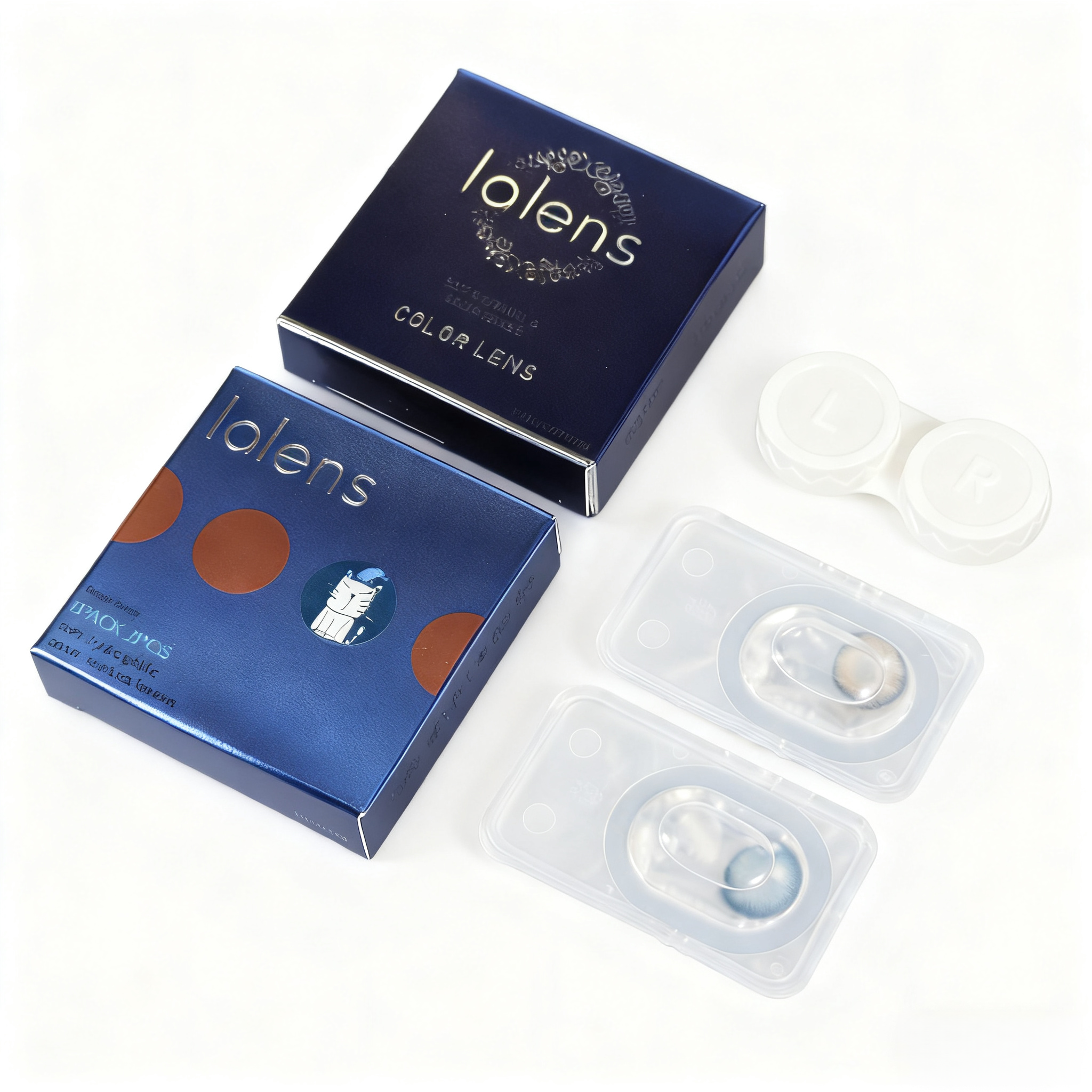
Custom Design Cardboard Soft Contact Lenses Private Label Packaging Paper Box
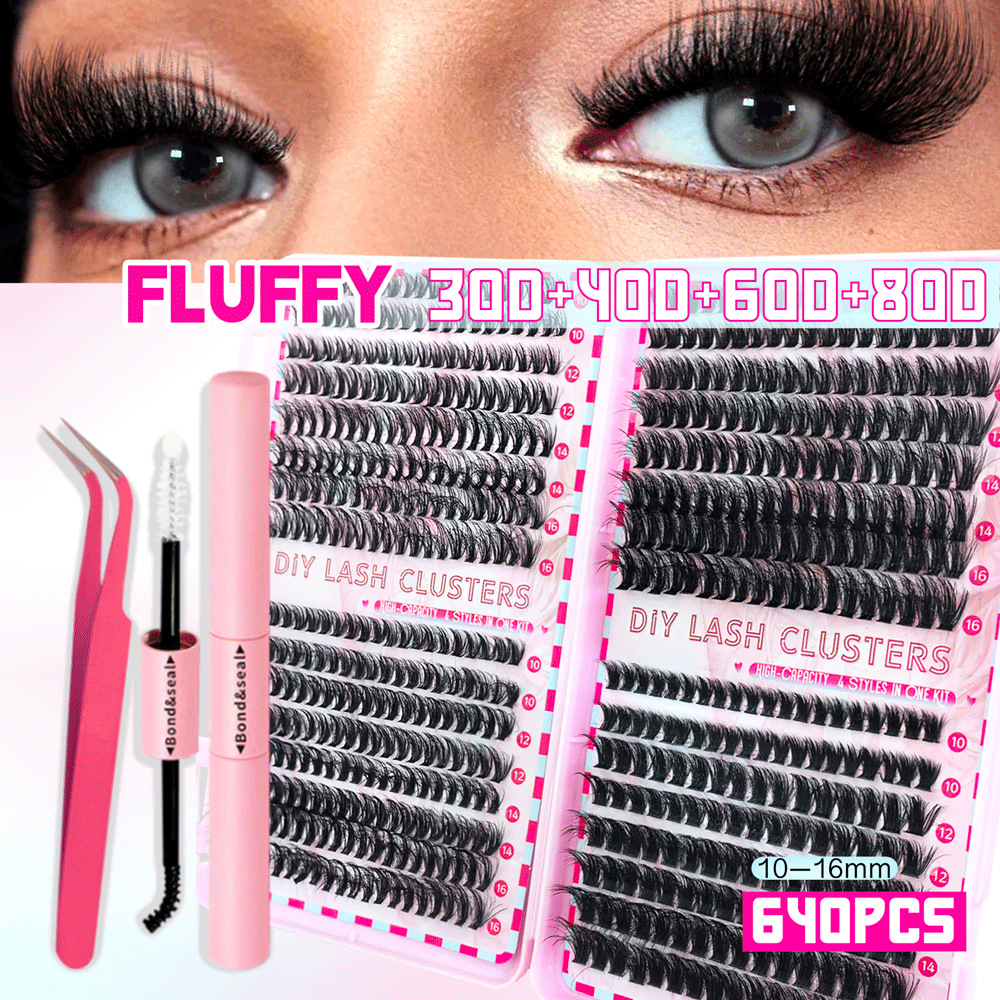
For 30P 40P 32 Row Plastic Black Stem Semi-Hand Made False Eyelashes Blooms Hair
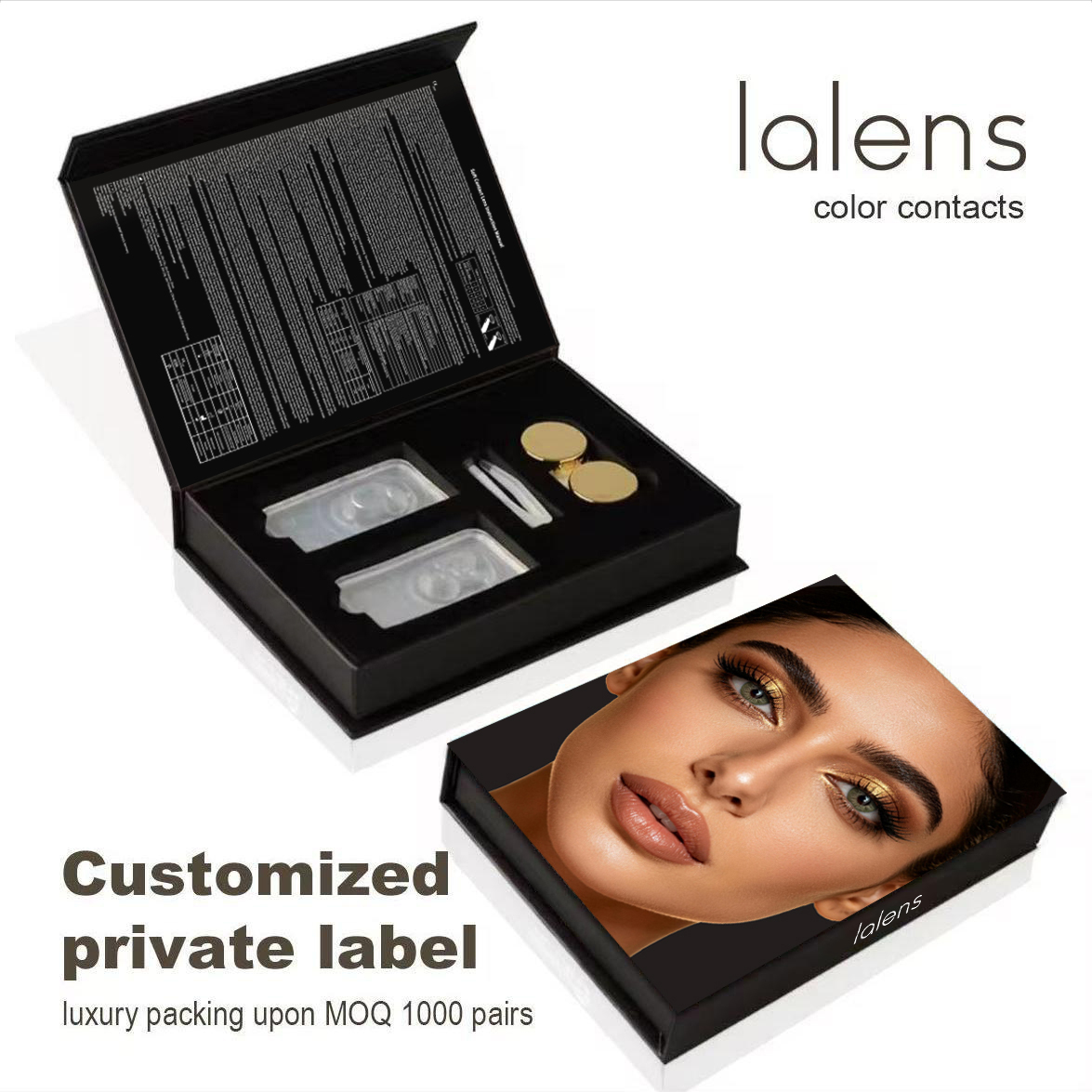
Custom Logo Contact Lens Packaging Rigid Paperboard Square Box Private Label
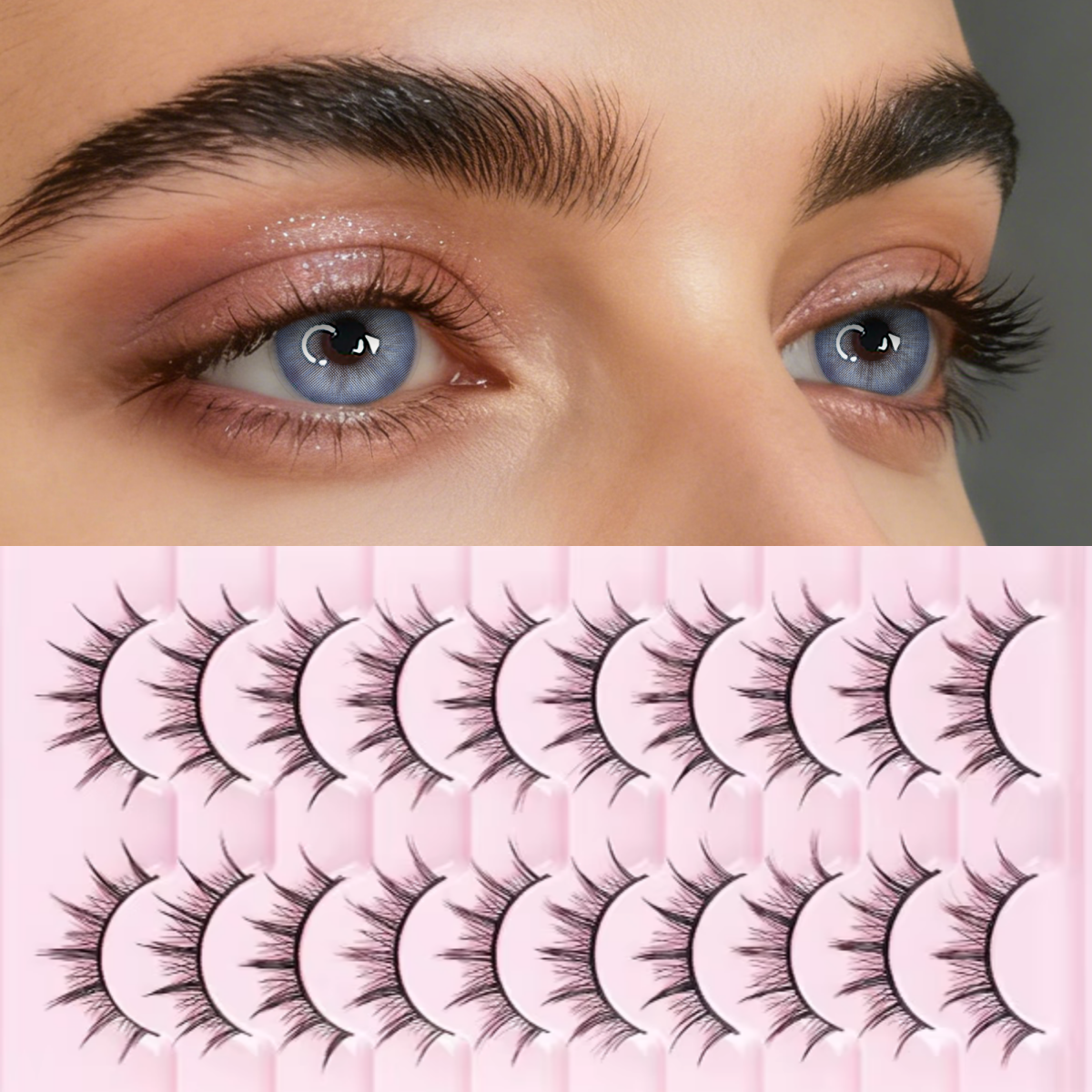
10 Pairs Hard-Stem Synthetic Hair False Eyelashes Natural Look Little Devil Design
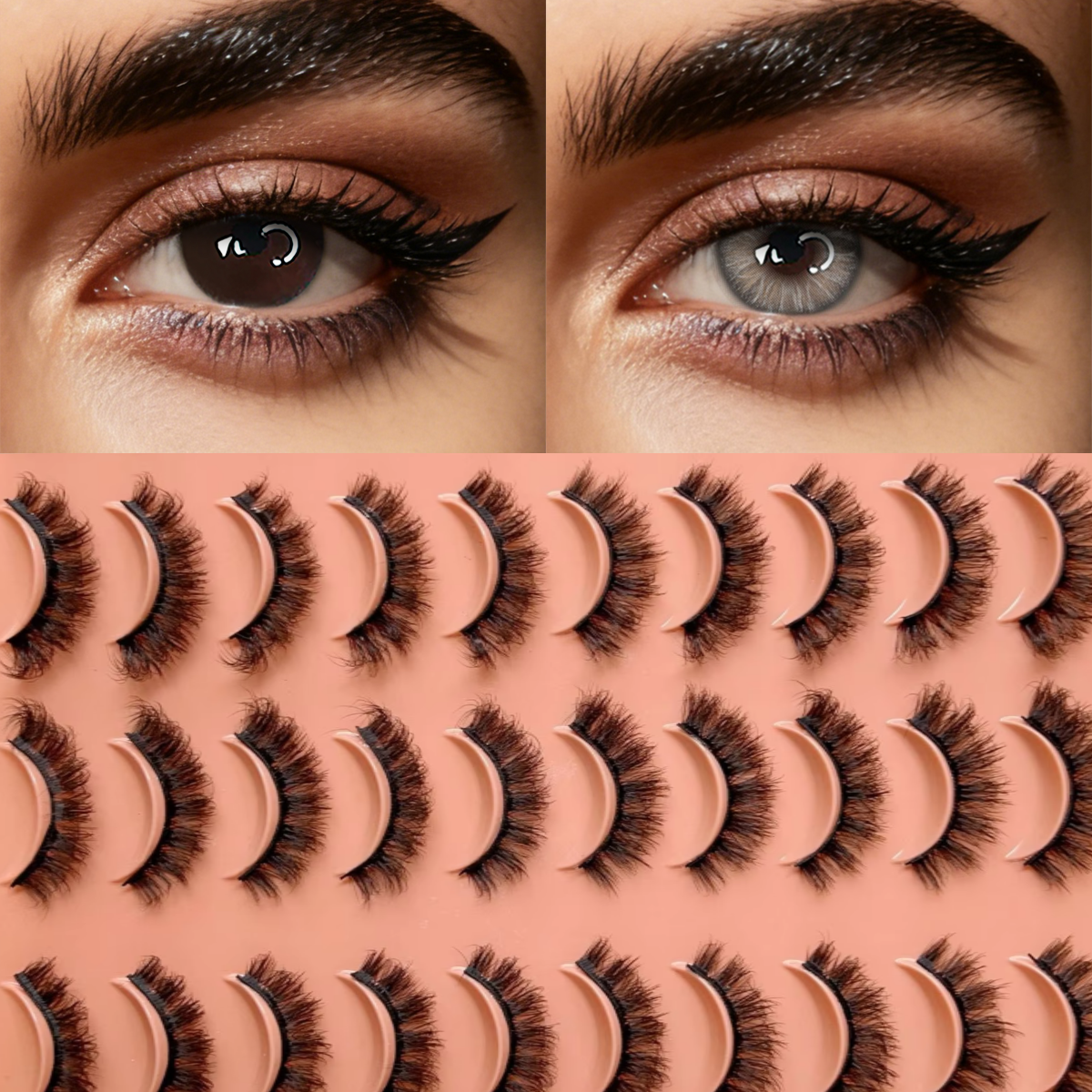
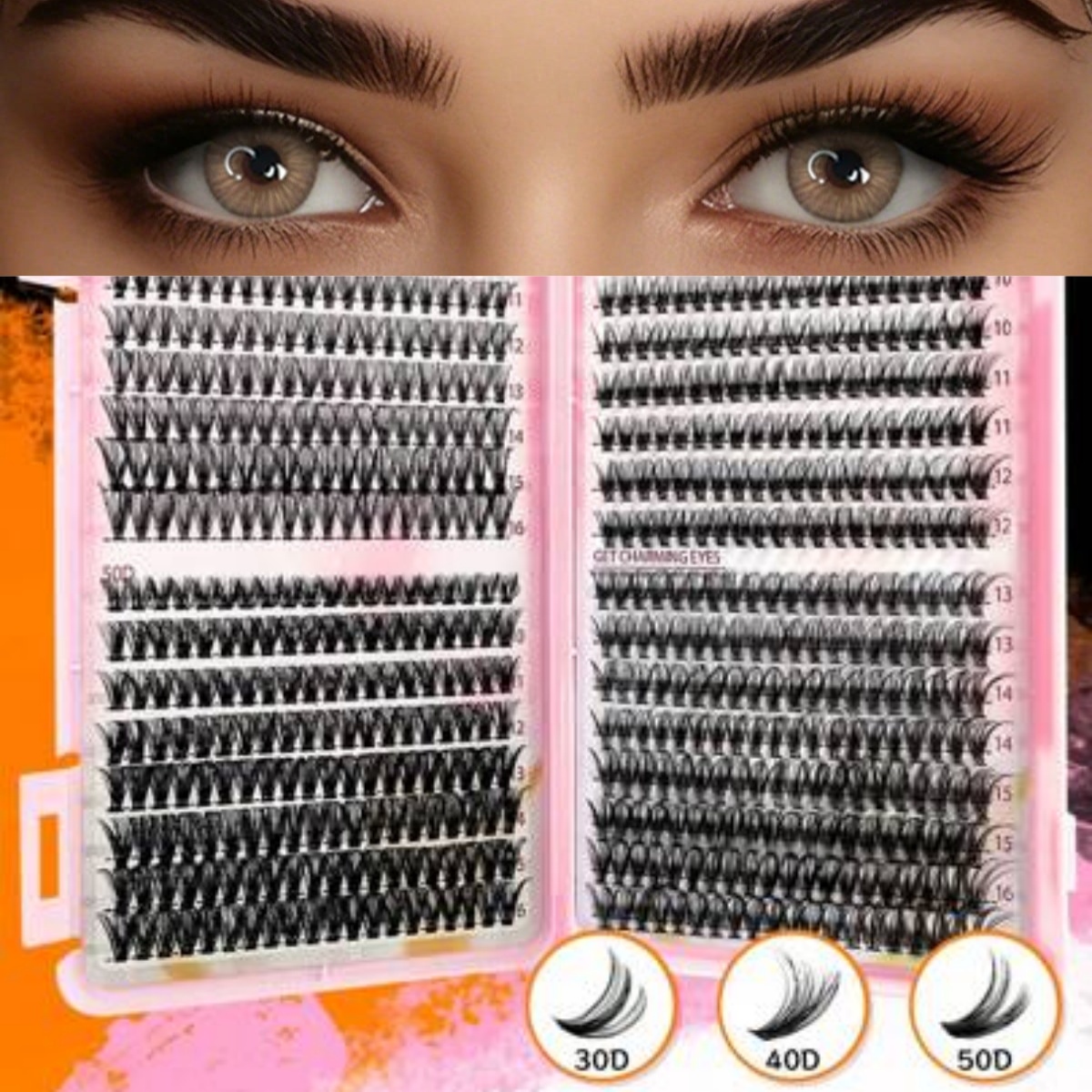
Clear Band Natural Wispy Faux Mink Fluffy Soft Half Lashes Daily Party Makeup
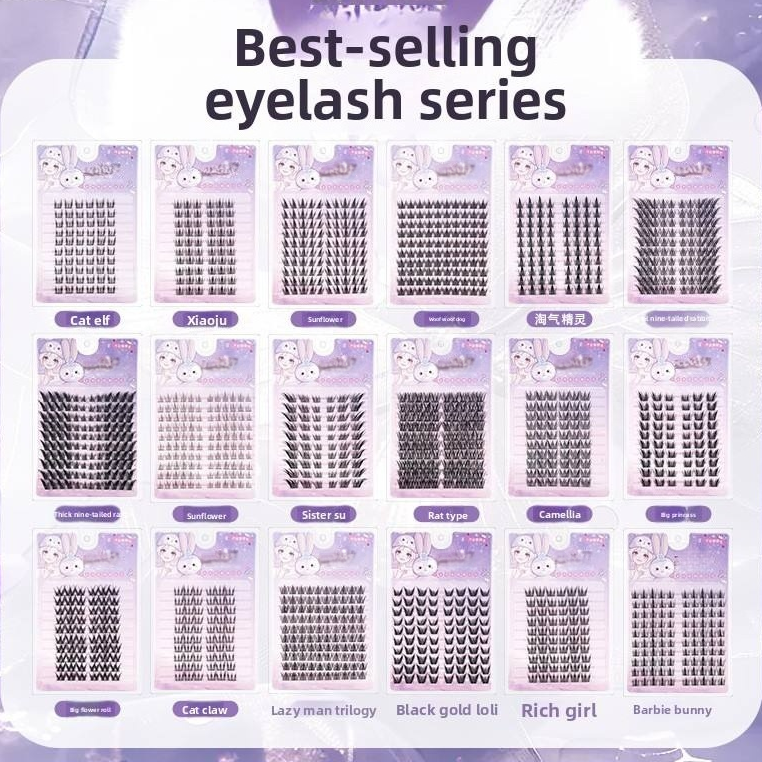
Glue-Free Large Capacity Synthetic Hair Sunflower Fox Cat Eye Style False Eyelashes
Custom Cast-Molded Hydrogel Cosmetic Contact Lenses (Plano to -10.00D Series)
Evaluating the Top 10 Cosmetic Lenses Wholesale Supplier & Exporter Landscape
In an international arena where cheap counterfeit contact lenses pose acute clinical risks—such as corneal hypoxia, epithelial micro-abrasions, and acute microbial keratitis—selecting a qualified colored contact lenses manufacturer separates enduring consumer brands from sudden liability failures. Whether supplying American optical chains regulated under the FDA 21 CFR Part 801/820 and FTC Contact Lens Rule, or European medical distributors adhering to Regulation (EU) 2017/745 (MDR), tier-1 buyers require structural transparency.
Pigment Micro-Encapsulation
Inferior manufacturers employ pad surface printing that leaves bio-pigment particles directly exposed to delicate ocular conjunctiva. Tier-1 exporters utilize automated "Sandwich" or multi-layer semi-cast molding where pigments are permanently embedded inside medical-grade HEMA or Silicone Hydrogel matrices.
Medical Device Documentation
Every legitimate cosmetic lens is classified as a regulated medical device regardless of corrective diopter power. Export leaders provide comprehensive Technical Master Files (TMF), cytotoxicity reports (ISO 10993-5), Dk/t oxygen transmissibility profiles, and validated SAL 10⁻⁶ autoclave sterilization curves.
Lot-to-Lot Color Fidelity
A primary point of buyer attrition is color chromatic shift between manufacturing batches. Premium suppliers implement spectrophotometer-controlled ink synthesis and computer-vision dot-density checks to guarantee that re-orders match approved primary gold standards down to Delta-E < 0.8 tolerances.
Engineering Benchmark: Industrial Manufacturing Specifications
An objective engineering comparison demonstrating physical parameter metrics across primary wholesale cosmetic contact lens formulations.
| Evaluation Parameter | Standard Decorative Tier (HEMA) | Advanced Natural Tri-Tone (HEMA-GMA) | Next-Gen Extended Wear (SiHy) | Export Quality Benchmark |
|---|---|---|---|---|
| Base Curve (BC) / Diameter (DIA) | 8.6 mm / 14.0 mm – 14.5 mm | 8.5 mm – 8.6 mm / 14.2 mm | 8.6 mm – 8.8 mm / 14.0 mm – 14.2 mm | Optometric Exactitude |
| Water Content Equilibrium | 38% – 42% (Low dehydration) | 42% – 55% (Balanced moisture) | 38% – 48% (High equilibrium) | Strict ISO 18369 |
| Oxygen Transmissibility (Dk/t) | 10 – 14 Fatt Units | 18 – 24 Fatt Units | 80 – 130+ Fatt Units | Anti-Hypoxia Standard |
| Pigment Isolation Process | Dual-Surface Thermal Press | Sandwich Cast Encapsulation | Multi-Layer Monomer Crosslinking | Zero Corneal Contact |
| Available Power Graduations | Plano (0.00D) Only | 0.00D to -8.00D (0.25/0.50 steps) | 0.00D to -10.00D (Custom Toric) | Medical Prescription Ready |
| Sterilization Assurance Level | SAL 10⁻⁶ Autoclave Moist Heat | SAL 10⁻⁶ Steam Sterilized | Validated Cleanroom Blister Pack | USP / Ph. Eur. Monograph |
Future Procurement & Market Dynamics (2025–2030 Horizon)
Anticipating regulatory updates, formulation breakthroughs, and shifts in consumer purchase behaviors to empower high-margin wholesale purchasing strategies.
1. Shift from Yearly to Daily Disposables
While multi-use yearly vials previously anchored traditional cosmetic lens sales due to low initial inventory costs, procurement demands are shifting heavily toward Daily Disposable (1-Day) blister formats. Daily modalities eliminate biofilm buildup, minimize compliance issues, and generate predictable 30-day replenishment cash flows for omnichannel retail operations.
2. Silicone Hydrogel Adoption
Consumer demands for extended wearable times (exceeding 10–14 hours daily) are pushing colored lens formulations toward fluorosilicone-acrylate polymers. With Dk/t ratings 4 to 8 times higher than standard poly-HEMA hydrogels, brand owners who deploy early SiHy colored ranges capture the high-end premium optometric demographic with superior margins.
3. High-Definition Iris Digital Dot Matrix
Gone are the heavy opaque block colors of the past decade. Contemporary procurement favors 3-tone and 4-tone variable micro-radial blending that replicates realistic limbal rings and natural stromal flecks. Sub-micron dot-matrix printing allows dark brown or deep hazel eyes to transition into natural glacier gray, sapphire blue, or warm honey seamlessly.
Enterprise Competence: Shenzhen Lalens Co., Ltd
Eliminating trading intermediary margins, Lalens Factory provides end-to-end medical grade production spanning computer-aided mold tooling, wet-cell cast polymerization, photometric testing, and custom certified packaging.
16 Years Deep R&D
Dedicated strictly to cosmetic contact lens precision production. Over 500 proprietary pattern molds engineered for Caucasian, Latin, Middle Eastern, and Asian iris pigment topologies.
Turnkey OEM/ODM
Custom sterile blister and glass vial packaging, rigid display cartons, barcode serialized UDI printing, and multi-language patient guidance leaflets designed to satisfy target country customs rules.
ISO 13485 & GMP Cleanrooms
Class 100,000 and Class 10,000 cleanroom environments monitored constantly for airborne particulates, colony-forming units (CFU), moisture, and temperature stability.
24/7 Global US/EU Support
Our dedicated international technical trade desks operate overlapping shifts matching Eastern, Central, and Pacific time zones. Inquiries receive comprehensive engineering replies in under 2 hours.
Frequently Addressed Inquiries by Wholesale Importers
Critical insights for purchasing executives, compliance officers, and international supply chain leaders.
Q1. Can cosmetic colored contact lenses be legally imported without optical prescriptions in regulated markets?
Under the US FDA, decorative and zero-power plano colored contact lenses are classified strictly as Class II medical devices subject to 510(k) clearances and the FTC Contact Lens Rule prescription verification requirements. In the European Union, Regulation (EU) 2017/745 (MDR) Annex XVI groups non-corrective contact lenses under medical device controls. Wholesale buyers must ensure all labeling, importer-of-record documentation, and batch records satisfy medical device surveillance standards.
Q2. What is the standard Minimum Order Quantity (MOQ) for custom private label colored contacts?
For pre-certified catalog designs held in ready-to-label sterile inventory, our MOQ begins at 100 pairs per color variant. For full turnkey OEM projects involving custom brand blister foil, bespoke carton packaging, localized instructions for use (IFU), and custom base curve/diameter dimensions, production runs start at 1,000 pairs per design with scalable volume tiered discounts.
Q3. How does your manufacturing technology prevent pigment leaching and adverse corneal events?
Our manufacturing line utilizes computerized dual-cast Sandwich Technology. Inorganic, bio-compatible color pigment suspensions are cast strictly between the inner and outer poly-HEMA layers prior to heat/UV polymerization. The outer surfaces touching corneal cells and palpebral conjunctiva consist exclusively of pure, pristine optical hydrogel matrix, completely insulating the eye from pigment exposure.
Q4. What lead times should distributors account for regarding seasonal peaks like Halloween and Q4?
Seasonal Halloween special-effects (SFX, mini-sclera, anime white-out, blood-red) experience intense surge volume. Factory capacity fills by early summer. Production orders should ideally be executed between May and July to allow 25 to 35 days for manufacturing and cleanroom sterilization, followed by air freight (5–8 days) or ocean transit (3–5 weeks) to ensure customs clearance before retail shelves open in September.
Accelerate Your Cosmetic Lens Brand with an ISO 13485 Verified Partner
Whether launching a boutique influencer beauty line, expanding an established optometric chain, or sourcing bulk FDA/CE compliant inventory, our OEM engineering specialists are standing by to furnish free sample evaluation kits and comprehensive lot pricing.