24/7 Online for US Buyers [email protected]
English (US) USD $

Top China Circle Lenses Wholesale Factory & Exporter

Engineering Medical-Grade Hydrogel & Silicone Hydrogel Aesthetic Optics with ISO 13485, CE, and US FDA Certified Cleanroom Precision.

16+
Years of OEM/ODM Manufacturing
500+
Stock Iris Printing Dies
40+
Target Export Jurisdictions
100%
In-Line Optical Lot Verification
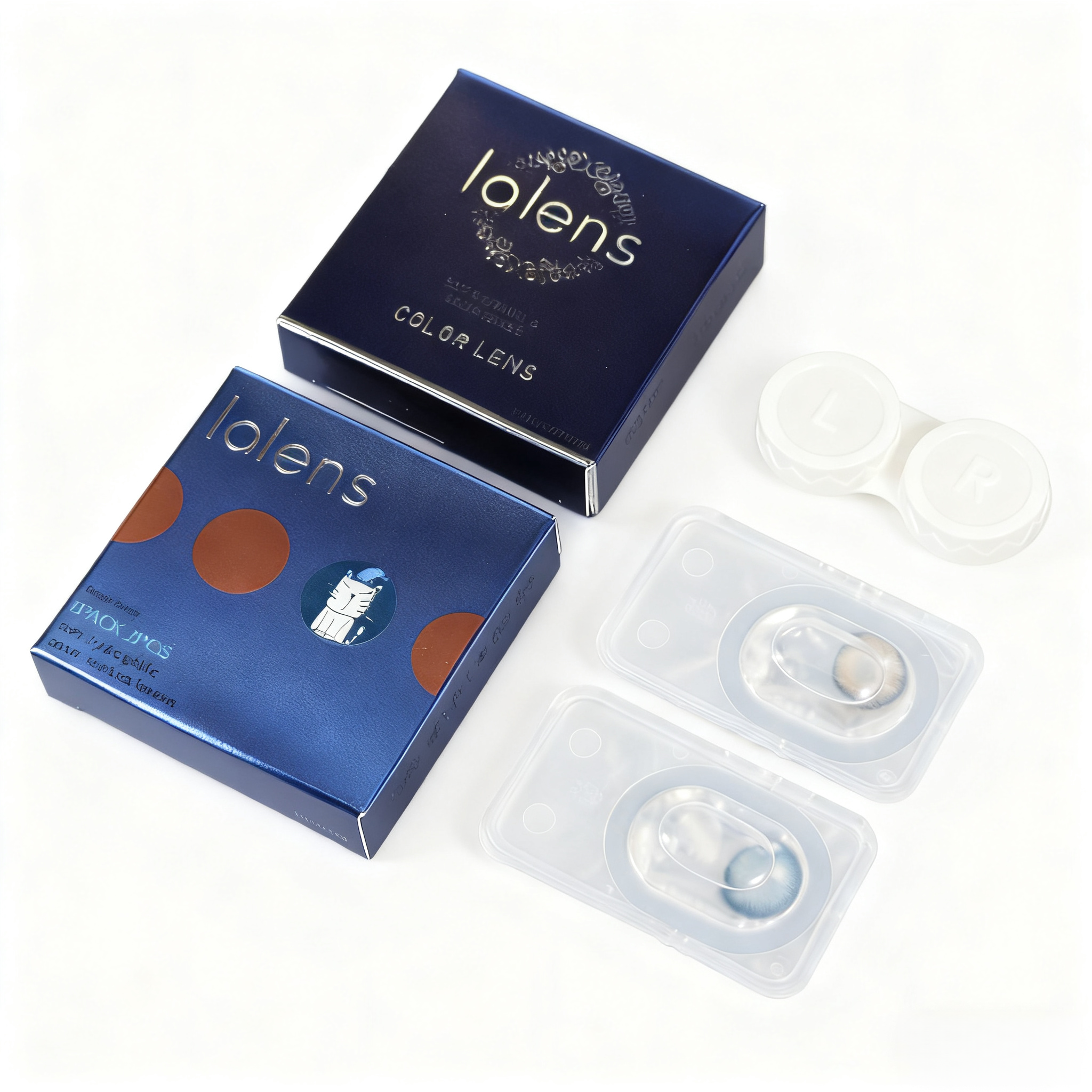
Direct-From-Cleanroom Catalog

Export-Ready Cosmetic & Circle Lenses Portfolio

Explore turnkey private label ocular aesthetics, integrated secondary presentation systems, and companion cosmetic lines.
Strategic White Paper & Market Intelligence

Next-Generation Ocular Aesthetics: The Shift Toward Medical-Grade Safety

Technical considerations for international distributors navigating changing biocompatibility protocols, high oxygen permeability, and automated iris micro-printing.

Triple-Layer Sandwich Encapsulation

Historical cosmetic lens production risked chemical dye leaching, triggering contact dermatitis and corneal micro-abrasions. Our ISO 13485 production uses cast-molding encapsulation: biomedical color pigments are isolated inside two neutral layers of poly-HEMA hydrogel, ensuring zero dye-to-cornea contact while maintaining optical clarity.

DK/t Flux & Silicone Hydrogel Matrix

As consumer preferences shift from cosmetic wear toward daily extended use, oxygen permeability (DK/t) determines client retention. Moving beyond standard 38% water content HEMA, we provide customized high-DK silicone hydrogel materials that prevent nocturnal hypoxia, limbal redness, and epithelial swelling.

Sub-Micron Iris Photolithography

Modern consumer demand has evolved past opaque, artificial limbal rings. Modern circle lens manufacturing requires sub-micron photolithography and dot-matrix digital gradient application. This mimics natural human iris trabecular networks, enhancing pupil depth while maintaining clean center pupillary clearance for night driving.

Enterprise Capabilities

Shenzhen Lalens Co., Ltd: 16 Years of Advanced Ocular Engineering

Operating out of Shenzhen, Guangdong, our manufacturing complex integrates full-cycle production lines from optical design and monomer synthesis to blister packing and continuous-tunnel autoclave sterilization. We eliminate intermediary markups, providing private-label distributors around the world with stable batch consistency, high reproducibility, and predictable delivery windows.

  • Cleanroom Classification Class 100,000 (ISO 8 Equivalent)
  • Base Curve (BC) Tolerance 8.5mm - 8.7mm (±0.02mm Optical Standard)
  • Diameter Calibration 14.0mm to 14.5mm Graphic DIA Precision
  • Diopter Corrective Range Plano (0.00) to -10.00D (in 0.25D Steps)
  • Hydration Content 38%, 42%, 55% HEMA / Si-Hydrogel Formulations
  • Quality Certifications ISO 13485:2016, Medical Device CE, US FDA Files
Forward-Looking Procurement

Macro Trends Shaping Circle Lens Sourcing Through 2026–2030

Data-driven procurement projections for enterprise buyers, cosmetics chains, and cross-border ecommerce networks.

1. Daily Disposable (1-Day) Dominance

While yearly replacement lenses historically dominated cost-conscious regions, global regulatory pressures and consumer safety awareness are shifting demand toward daily disposables. High-speed thermo-compression cast moulding reduces unit blister packaging costs, making daily disposables profitable for private-label brands.

2. Hybrid Cosmetic-Corrective Demands

Purchasers no longer separate fashion eyewear from corrective optometry. Over 62% of incoming procurement RFQs require balanced inventory mixes split between Plano (0.00) cosmetic lenses and functional corrective ranges (up to -10.00D) featuring astigmatic toric stabilization capabilities.

3. Eco-Packaging & Integrated Secondary Sets

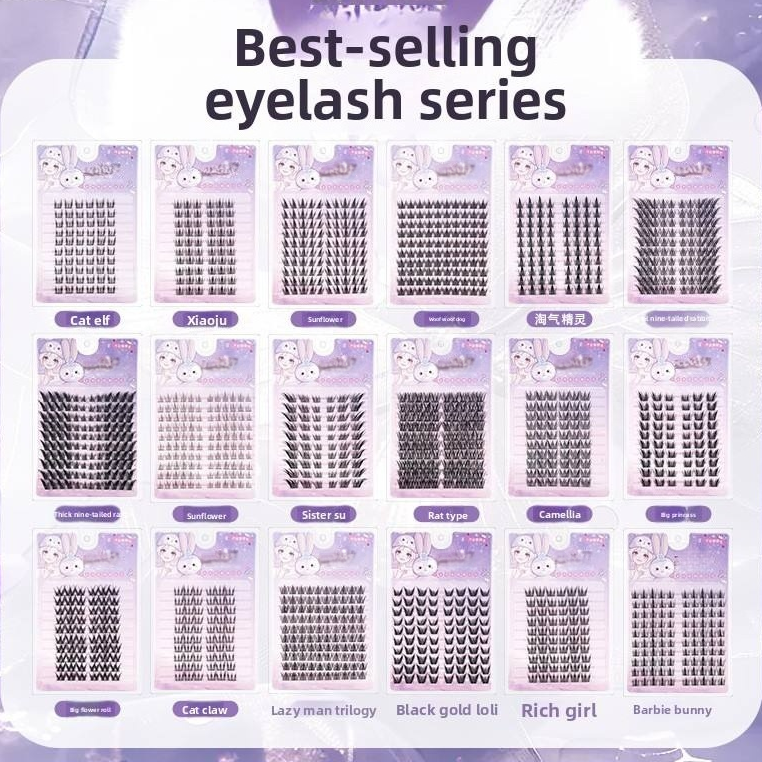
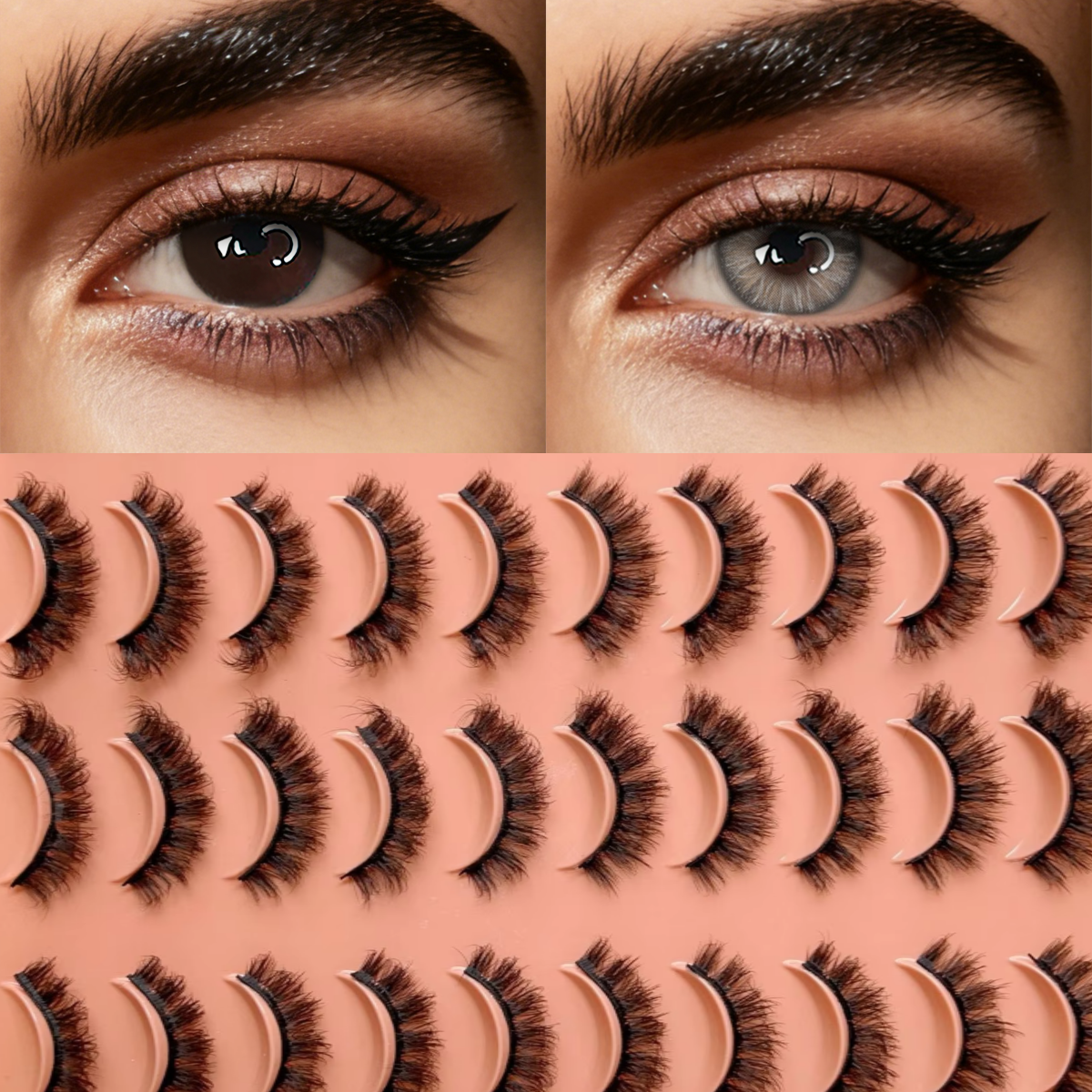
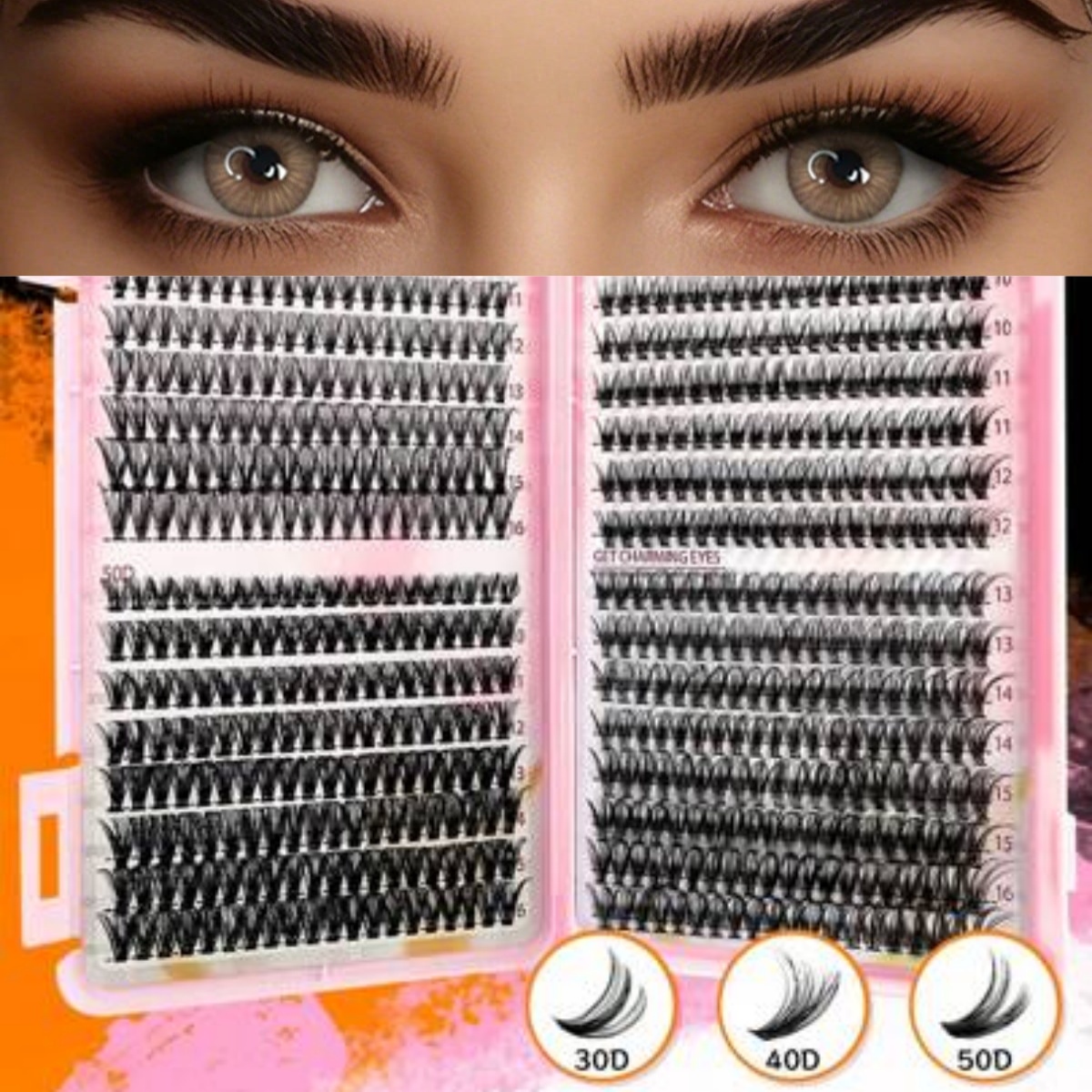
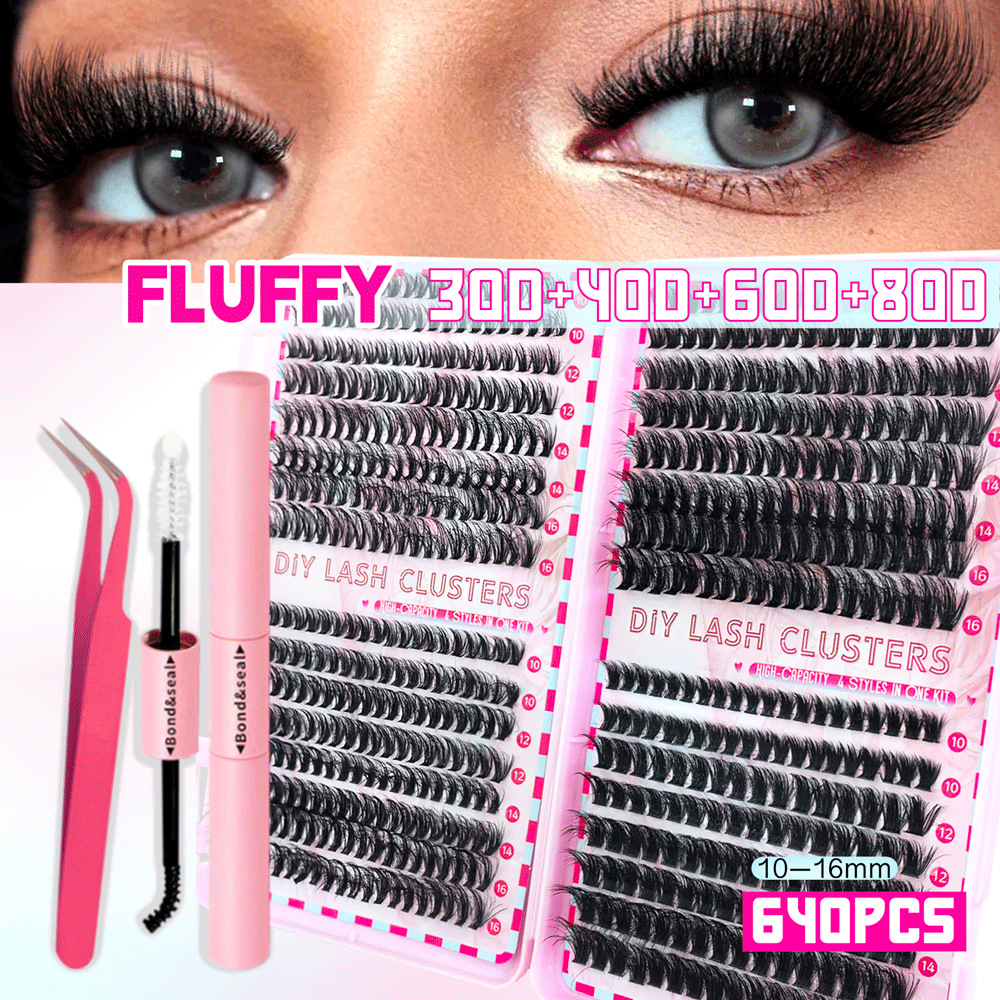
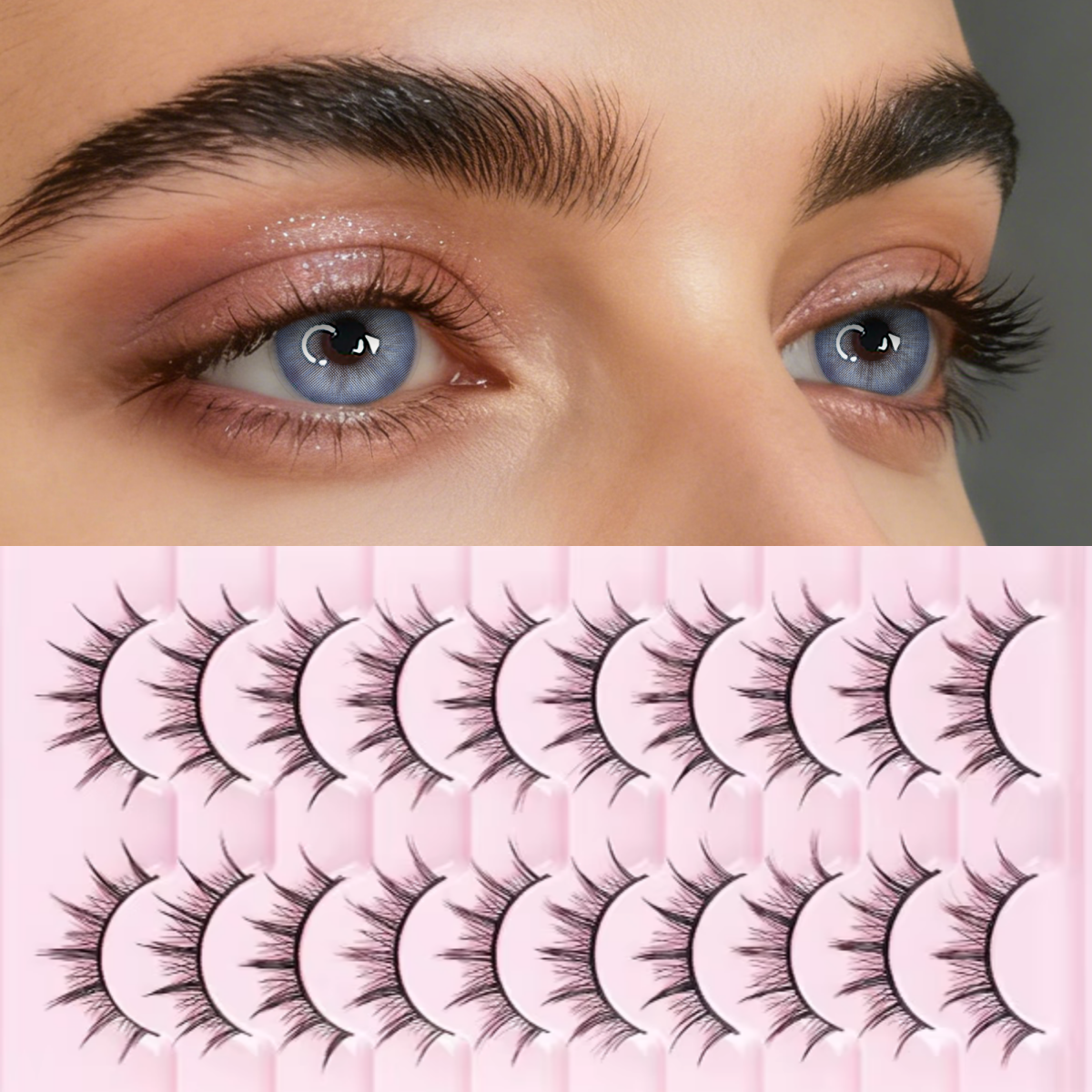
Regulatory adjustments across North America and the European Union penalize excess non-recyclable plastics. Importers are adopting rigid paperboard multi-packs, FSC-certified secondary paper packaging, and integrated beauty bundles pairing cosmetic lenses with companion faux lash systems to lift average basket values.

Buyer Knowledge Base

Frequently Asked Questions on Importing & Sourcing Circle Lenses

Direct technical answers addressing FDA classification, MOQ parameters, shelf-life integrity, and import protocols.

How does the US FDA classify colored and circle contact lenses?
Under US federal law (FD&C Act), all contact lenses—including zero-power (plano) cosmetic circle contacts—are classified as Class II or Class III medical devices. Importers must confirm that products are manufactured in ISO 13485-certified facilities, feature validated English medical device labeling, show lot-specific expiration indicators, and adhere to FTC Contact Lens Rule verification when distributed inside the US market. We provide comprehensive documentation for import filing.
What are the standard Minimum Order Quantities (MOQ) for custom OEM private labeling?
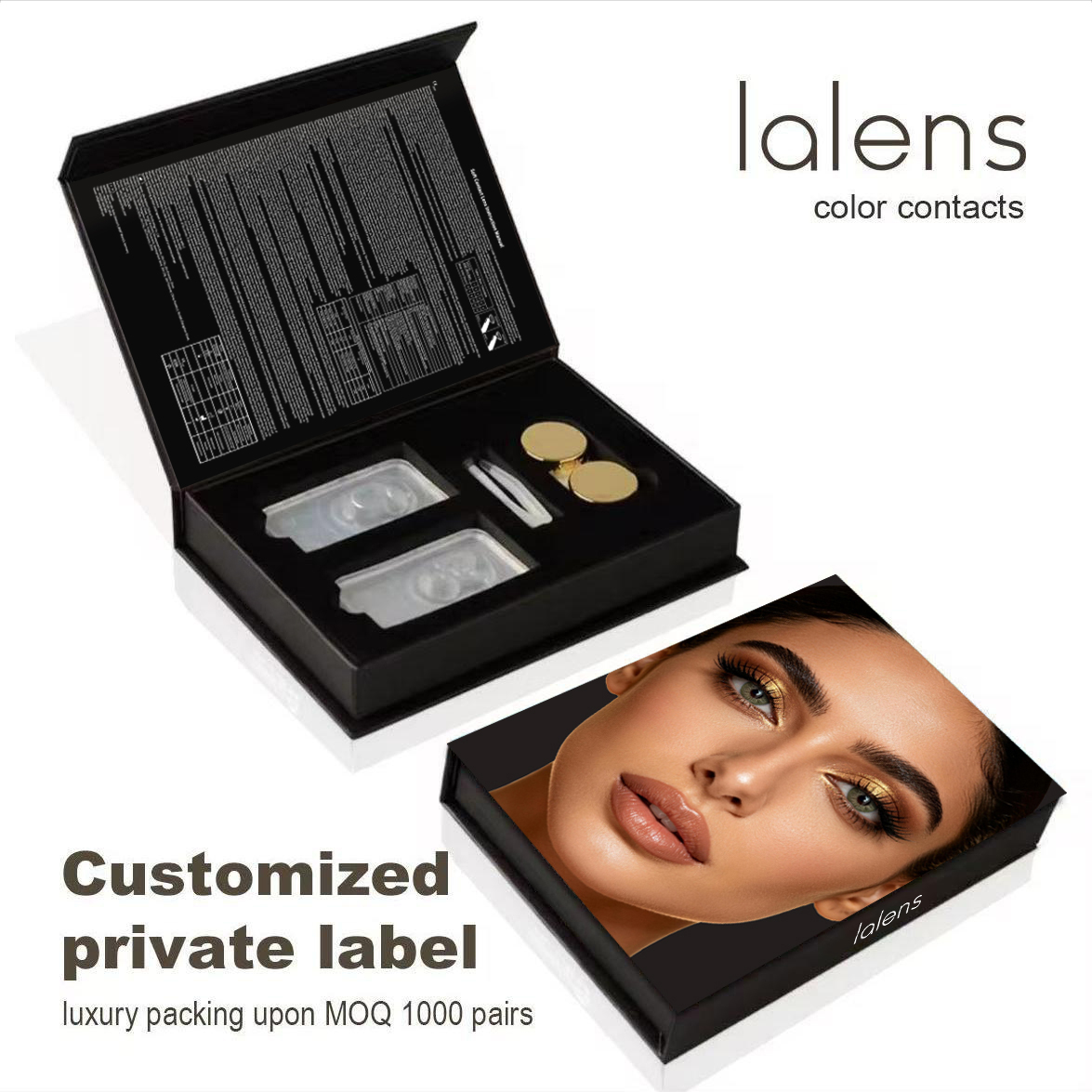
For factory-stocked iris patterns with standard blister packaging, our typical minimum order is 100 pairs per SKU. For fully bespoke OEM projects—including unique pattern photolithography, customized base curves, private blister foil designs, and custom rigid presentation boxes—MOQs generally start at 1,000 pairs per design tier to balance cast-molding efficiency.
How do you prevent pigment migration in cosmetic circle lenses?
We use an automated semi-cast sandwich embedding process. Unlike low-grade surface pad printing, our pigment inks are sealed within the inner cross-linked polymer matrix. Physical rubbing, lens care solutions, and human corneal tear-film liposomes cannot break through this barrier, passing rigorous cytotoxic, microbiological, and mechanical abrasion testing.
What is the guaranteed operational shelf life for sterile-packed lenses?
Every lens lot undergoes 121°C high-pressure moist-heat steam autoclave sterilization inside medical-grade buffered saline with isotonic buffering (pH 7.2–7.4). Our PP blisters with medical foil seals maintain sterility for 5 full calendar years from production date, supported by real-time and accelerated shelf-life aging validations.
What are typical sample turnarounds and export transit schedules?
Evaluation samples for wear testing and lab analysis are dispatched via DHL/FedEx Express within 48 hours, reaching US or EU headquarters in 5 to 8 business days. Commercial private-label orders typically require 20 to 30 production days post-artwork confirmation, followed by air express or consolidated DDP sea freight based on your distribution requirements.

Partner with an Established Lens Manufacturer

Request our wholesale export catalog, detailed test reports, and custom OEM packaging die lines to accelerate your brand's growth.

Get Catalog