24/7 Online for US Buyers [email protected]
English (US) USD $
ISO 13485 & GMP Certified Medical Facility

Top China Contact Lens Production Factory Suppliers & Exporters

Pioneering high-precision cast molding, pigment micro-encapsulation sandwich technology, and custom sterile packaging solutions for global ophthalmic distributors and cosmetic innovators.

Curated Export Portfolio

Precision Contact Lens Series & Integrated Packaging Systems

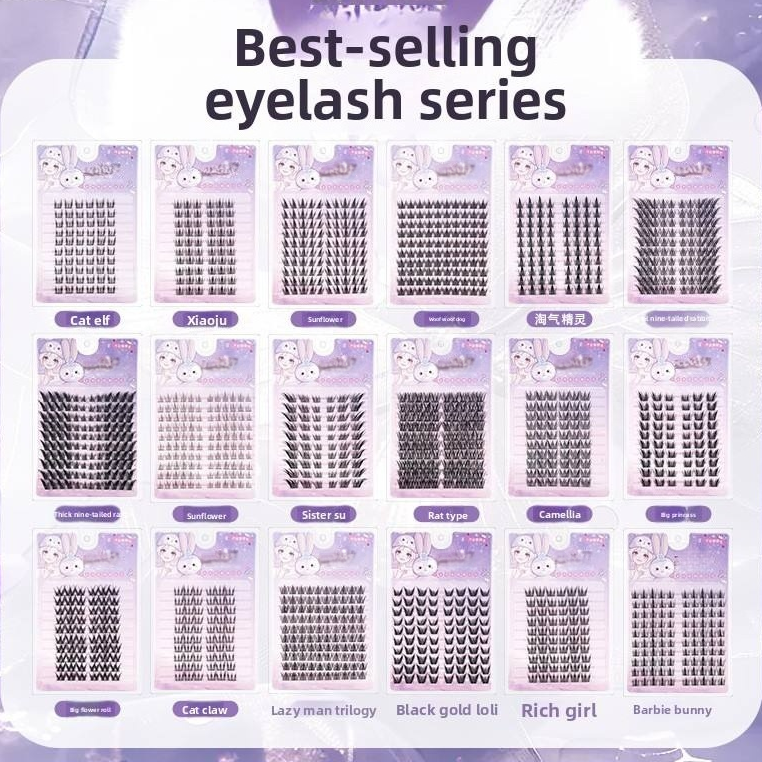
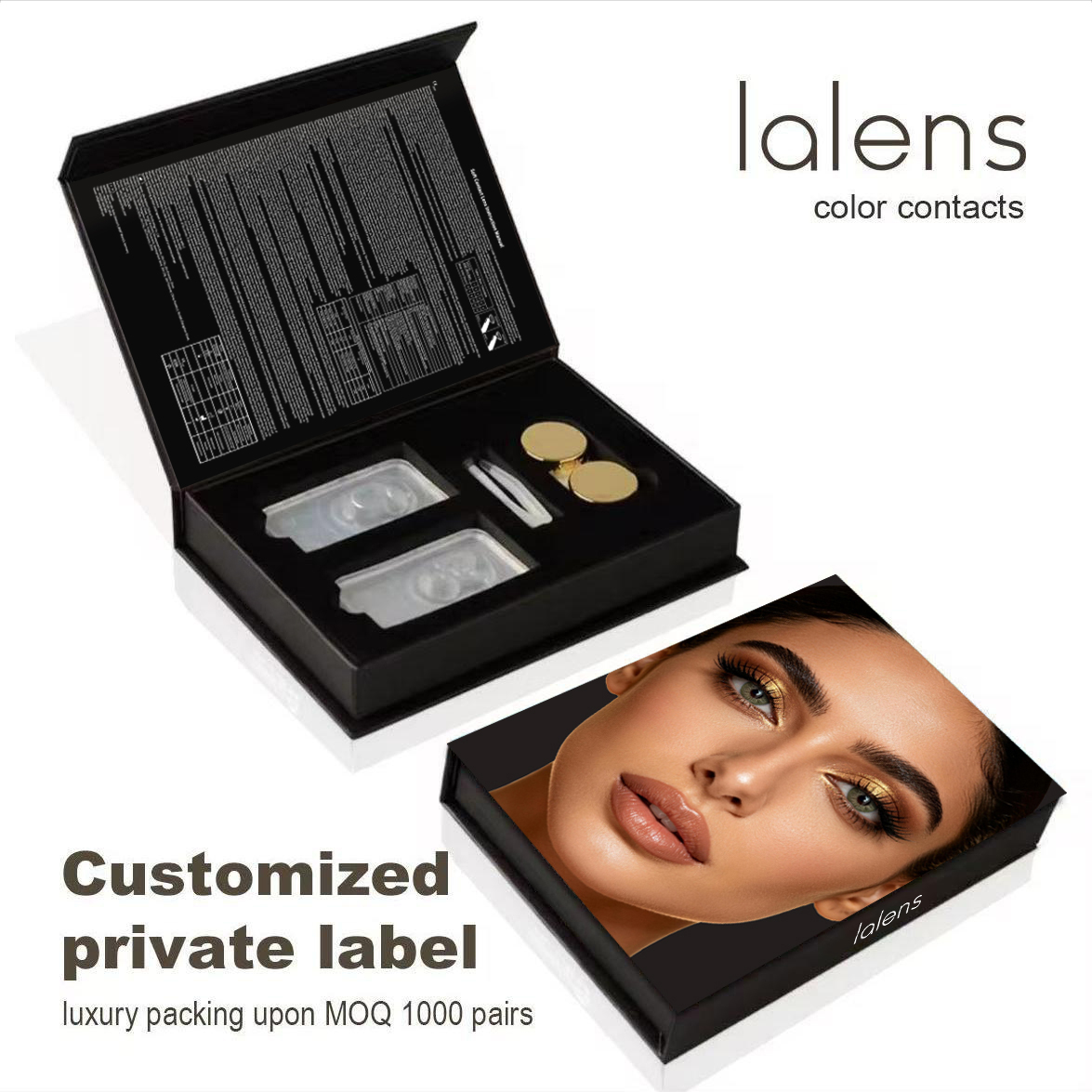
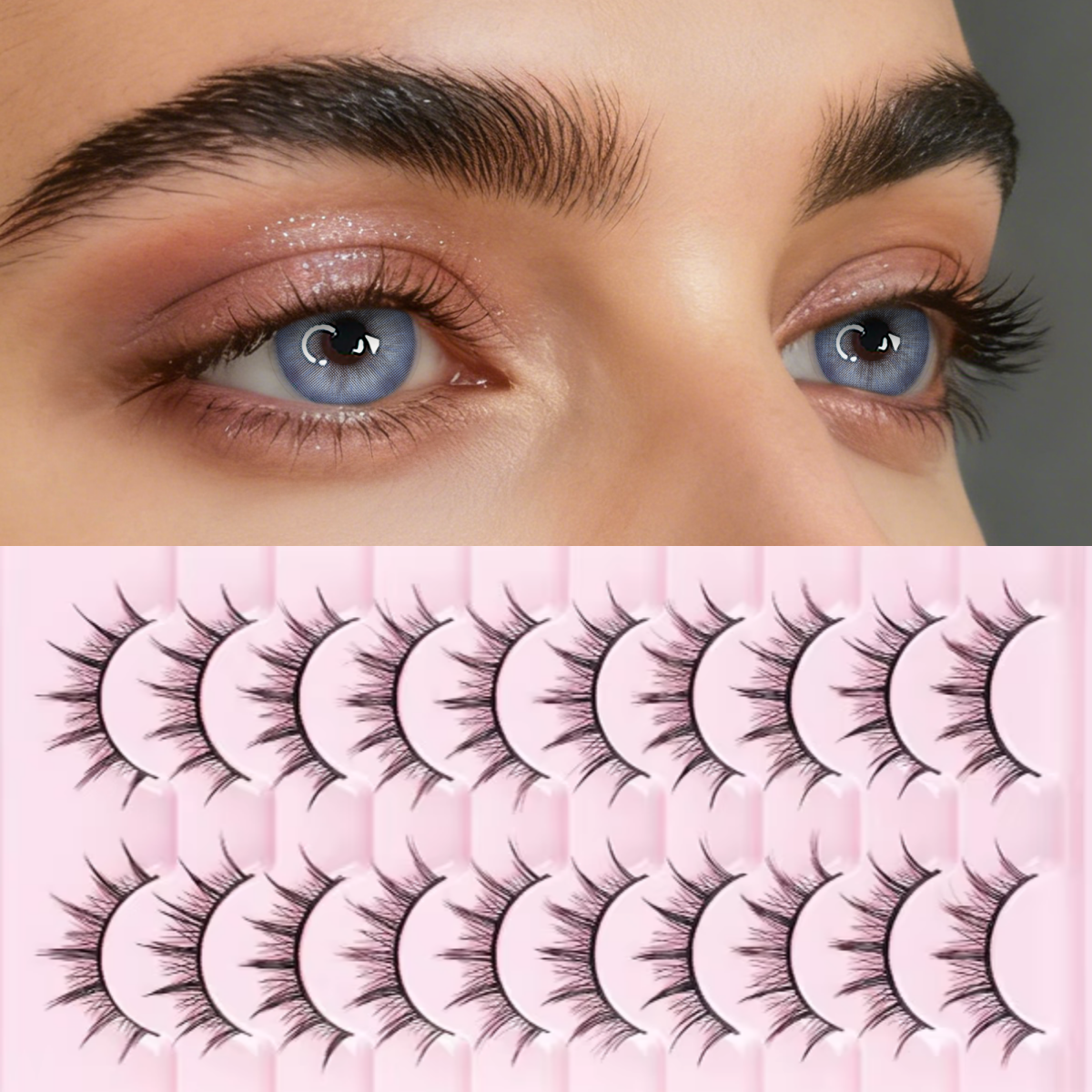
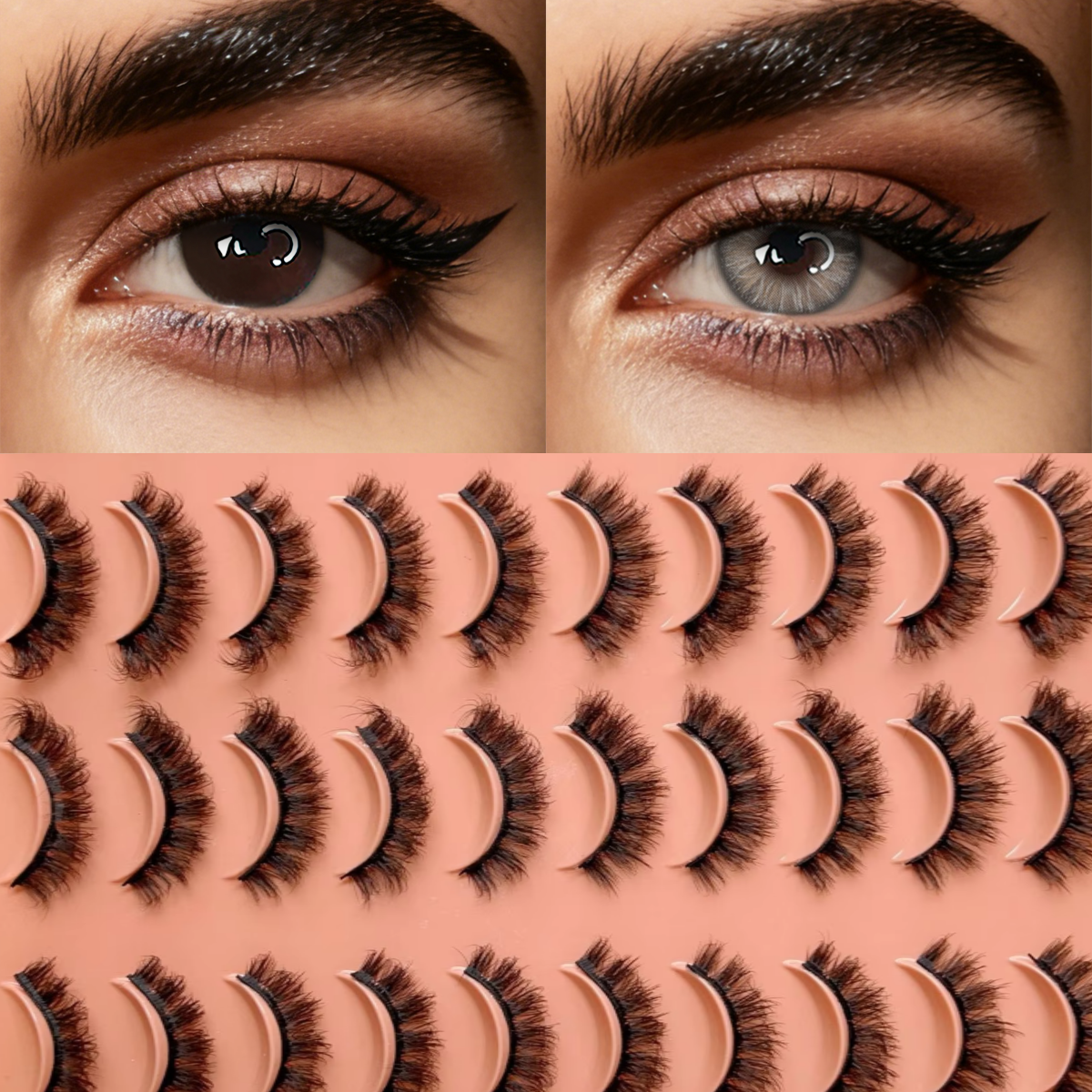
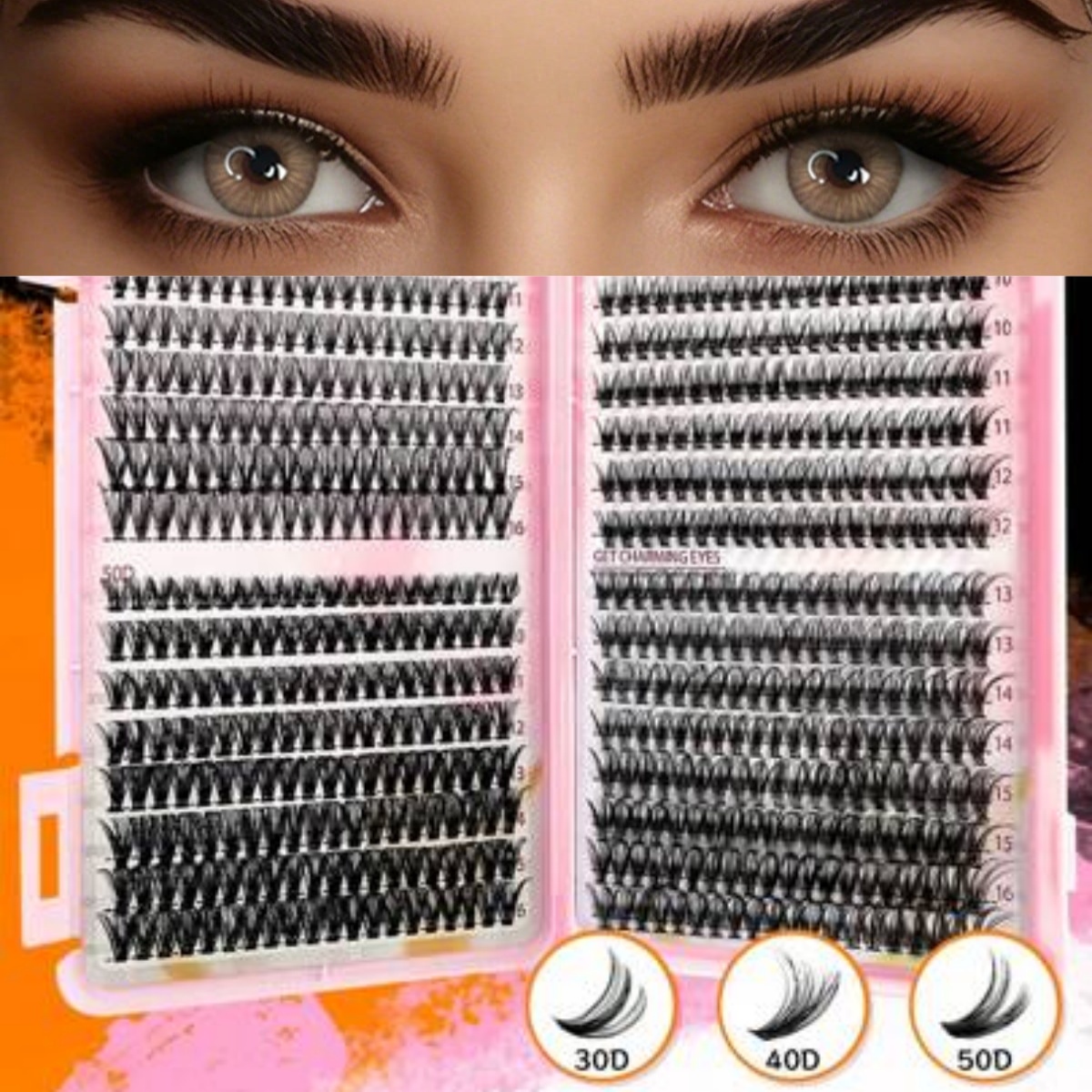
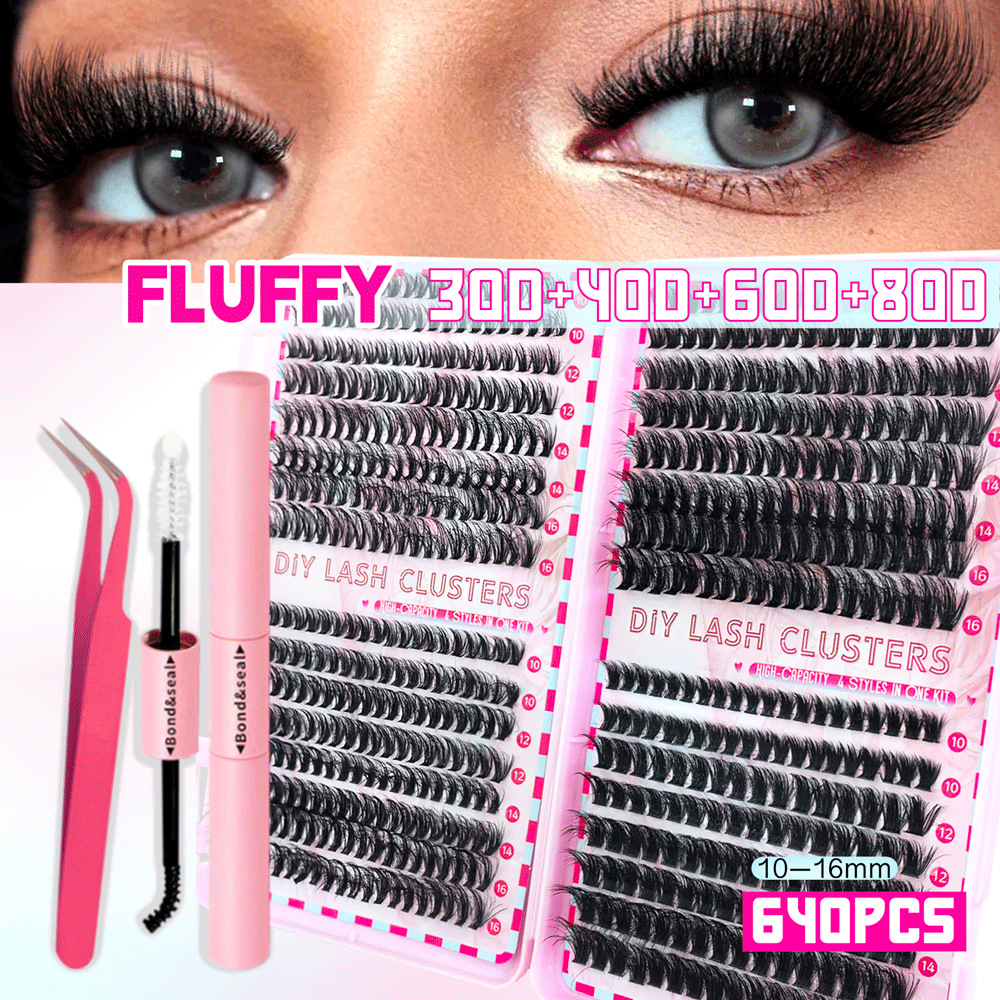
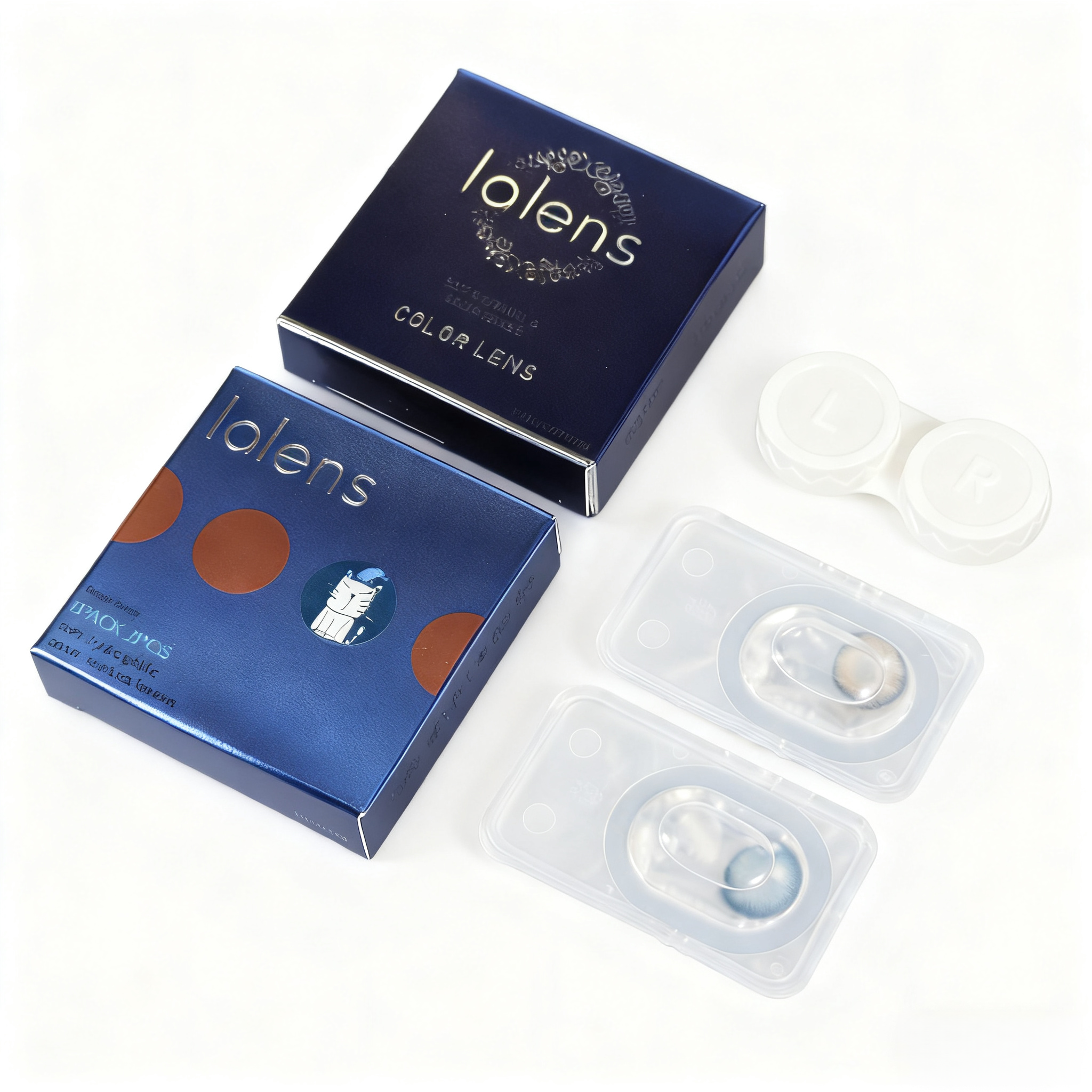
Direct from our Class 100,000 cleanrooms and packaging centers: Explore our export-grade cosmetic contact lens solutions, high-demand eye aesthetic extensions, and OEM secondary packaging configurations.
16+
Years Production Mastery
500+
Proprietary Iris Prints
100%
Automated Optoelectronic QC
40+
Destination Export Nations

The Global Contact Lens Supply Chain: Strategic Trends & Next-Gen Procurement (2025–2030)

The global soft contact lens landscape is undergoing a structural paradigm shift driven by evolving consumer ocular health awareness, the mainstream proliferation of daily disposable modalities, and skyrocketing demand for cosmetic natural-enhancement irises. Sourcing directors, brand owners, and medical importers are transitioning beyond pure unit-cost economics toward comprehensive supply chain resilience, biological safety standards, and rigorous regulatory audit-readiness.

Strategic Industry Observation: Importers operating under stringent regulatory scrutiny (US FDA 510(k), EU MDR 2017/745, and UKCA) are consolidating their vendor portfolios. Procurement models are favoring vertically integrated Chinese manufacturers capable of simultaneously executing optical tool machining, polymer synthesis, cleanroom cast molding, and in-house high-barrier sterile blister packaging.

Historically, supply networks relied on segregated suppliers for lens hydrogel manufacturing and secondary aesthetic cardboard packaging. This fragmentation created substantial risks: moisture transmission variability, compromised batch lot traceability, friction in labeling compliance, and compounding shipping costs. Today's tier-1 Chinese production hubs offer unified full-stack incubation—from pure monomer formulating to turn-key, shelf-ready custom rigid and folding retail packaging with pre-assigned GS1-compliant UDI (Unique Device Identification) barcoding.

Technological Roadmap

Future Manufacturing & Product Innovations

Emerging scientific advancements transforming soft contact lens manufacturing efficiency, wearer comfort, and commercial scalability.

High-Dk Silicone Hydrogel Transition

Transitioning from traditional HEMA monomers to advanced Fluoro-Silicone Hydrogel composites, drastically increasing oxygen transmissibility (Dk/t > 100) to mitigate corneal hypoxia and prolong daily comfort.

Micro-Encapsulated Sandwich Printing

Patented multi-layer casting seals organic medical-grade pigments safely within hydrogel matrices. Zero exposed dyes touch the cornea or conjunctiva, passing rigorous ISO 10993 cytotoxicity parameters.

Biomimetic Wetting Agents

Infusion of Hyaluronic Acid (HA) and Polyvinylpyrrolidone (PVP) directly into storage blister buffer salines, sustaining an artificial tear-film barrier that reduces end-of-day dryness in digital screen users.

Eco-Conscious Medical Packaging

Deployment of ultra-compact polypropylene blisters requiring 35% less plastic resin, combined with FSC-certified recycled cardboard secondary cartons and solvent-free vegetable inks.

Enterprise Advantages

Why Global Brands Partner with Lalens Factory

Direct manufacturing transparency backed by 16 years of technical expertise, fully automated cleanrooms, and comprehensive regulatory documentation.

Medical-Grade Audited Quality

Cleanroom workshops operate strictly under GMP guidelines, certified with ISO 13485 quality systems. We maintain end-to-end sterilization traceability across 100% of manufactured batch lots.

Exquisite Color Reproducibility

Our proprietary cast molding matrices and automated digital pad printers safeguard against batch-to-batch chromatic divergence. Your selected iris designs maintain exact color saturation across annual reorders.

Regulatory & Customs Readiness

Complete technical documentation dossiers: cytotoxicity biocompatibility tests, accelerated 5-year shelf-life stability data, sterile barrier assessments, and FDA-compliant English label positioning.

Rapid Turnaround & Low MOQs

Stock catalog patterns ship within 7–15 days. Tailored OEM/ODM private label programs commence from flexible minimum order volumes, supported by 24/7 dedicated bilingual engineering and account managers.

Buyer Knowledge Base

Frequently Asked Questions for Sourcing Directors

Technical, regulatory, and logistics answers derived from real-world optical import operations.

What is the difference between cast molding and lathe cutting for cosmetic contact lenses?
Cast molding involves injecting liquid monomer into optical-grade precision-machined female and male molds, which are then photopolymerized under UV/thermal conditions. This method delivers superior edge uniformity, smoother surface profiles, high oxygen diffusion consistency, and extraordinary scalability for bulk export. Lathe cutting mechanically shapes dry polymer buttons and is primarily reserved for custom prosthetic or high-toric bespoke RX parameters due to slower throughput and higher unit costs.
How does the sandwich-printing process guarantee ocular safety in decorative lenses?
In sub-standard manufacturing, color patterns are printed on the outer surface of the lens, posing severe abrasion risks to the corneal epithelium. Our sandwich technology prints organic, bio-inert color pigments onto the initial monomer layer, followed by a hermetic secondary hydrogel capping layer. The color pigments are permanently encased inside the polymer matrix, guaranteeing zero direct ocular contact, preserving wetting angles, and maintaining standard friction coefficients during blinking.
What regulatory documentation is required for importing soft contact lenses into the US and EU?
All contact lenses—including zero-power plano decorative variants—are classified as Class II (US FDA) or Class IIa/IIb (EU MDR) medical devices. US importers require vendor FDA establishment registration, Device Listing verification, compliant 21 CFR 801 labeling, and adherence to the FTC Contact Lens Rule. For the European market, full CE certification under MDR 2017/745 through an accredited Notified Body along with a comprehensive Technical File and ISO 13485 audit certificate is mandatory. We provide exhaustive dossier support to streamline your authorization.
What are the lead times and minimum order quantities (MOQ) for custom private label collections?
Standard catalog iris designs with neutral labeling or low-run brand overprinting typically require an MOQ of 100 pairs per shade with delivery in 7–15 working days. Bespoke OEM/ODM formulations (custom iris pattern development, proprietary base curves, specialized water contents, and custom-embossed cardboard/rigid presentation boxes) generally initiate at 1,000 to 3,000 pairs per SKU. Custom mass production cycles span 25–35 days post design artwork proofing and chromatic master approval.
How do you handle shelf-life verification and sterile barrier integrity testing?
Our products undergo terminal steam autoclave sterilization (121°C for 20+ minutes) inside medical-grade aluminum-polypropylene peelable foil blisters. We execute real-time and accelerated aging protocols in accordance with ISO 11607 and ASTM F1980 standards, confirming seal integrity (bubble leak tests and tensile peel strength measurements) to validate a 3- to 5-year sterile shelf life under ambient warehousing conditions.

Initiate Your Next-Gen Contact Lens Production Run

Connect directly with our senior optical engineering and OEM project development group. Receive full product specifications, sample evaluation sets, and factory-direct wholesale matrices within 24 hours.

Contact Us