Featured OEM/ODM Cosmetic Lenses, Lashes & Packaging Solutions
Explore precision-manufactured soft contact lenses, high-yield retail packaging suites, and premium lash artistry engineered to boost brand margins and exceed strict medical and cosmetic compliance benchmarks.
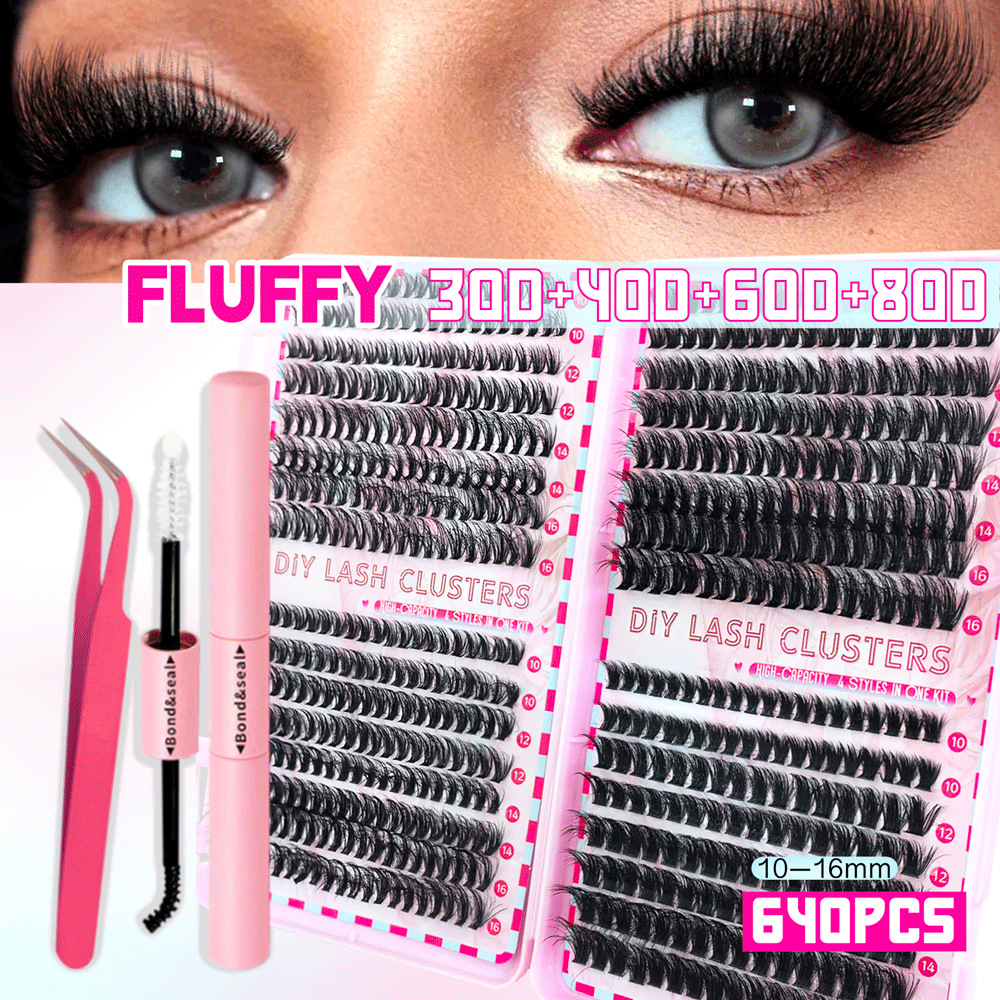
For 30P 40P 32 Row Plastic Black Stem Semi-Hand Made False Eyelash Glue Foreign Trade 60P 80P Blooms Hair European American
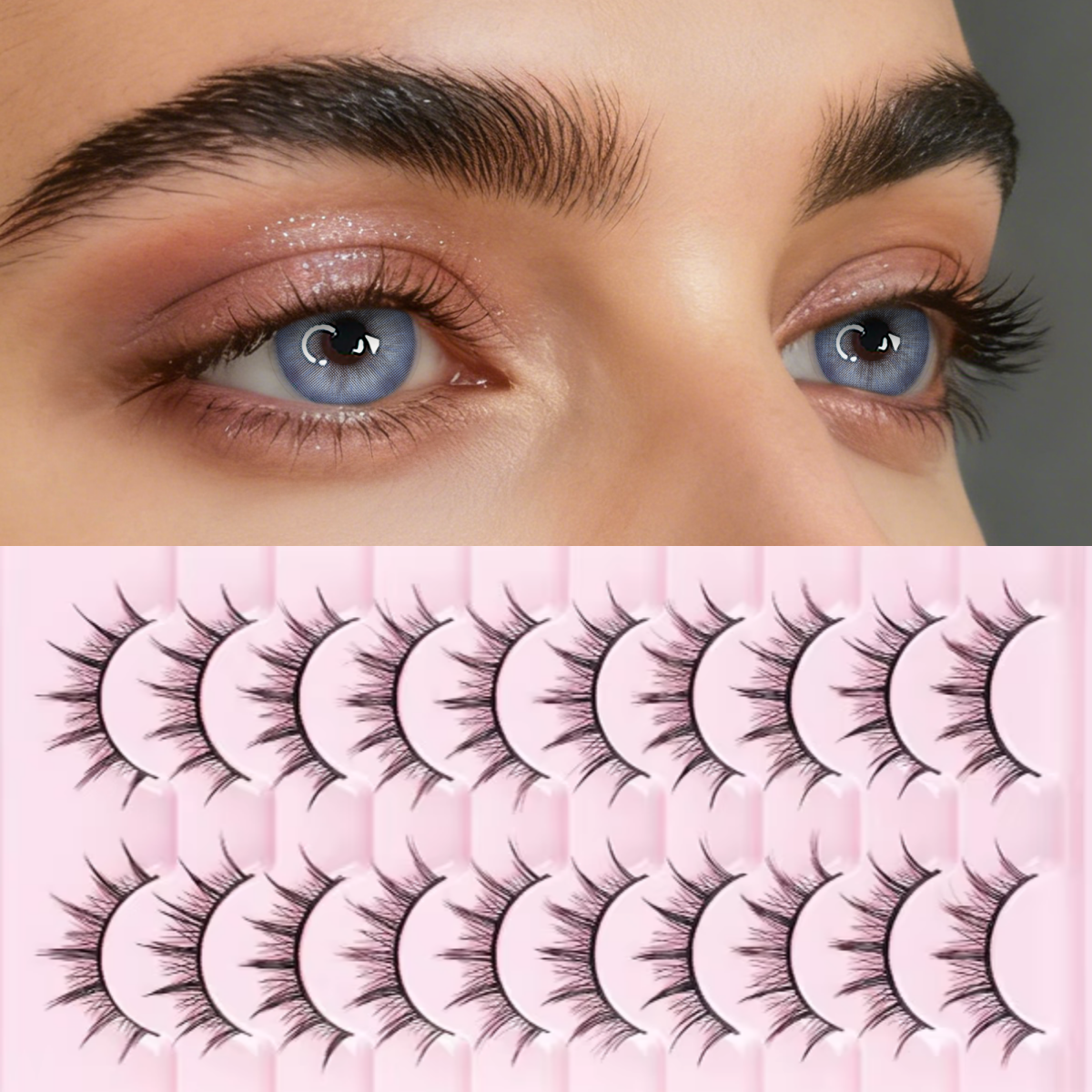
10 Pairs Hard-stem Synthetic Hair False Eyelashes Natural Look Cartoon Little Devil Design Can Hold False Eyelashes
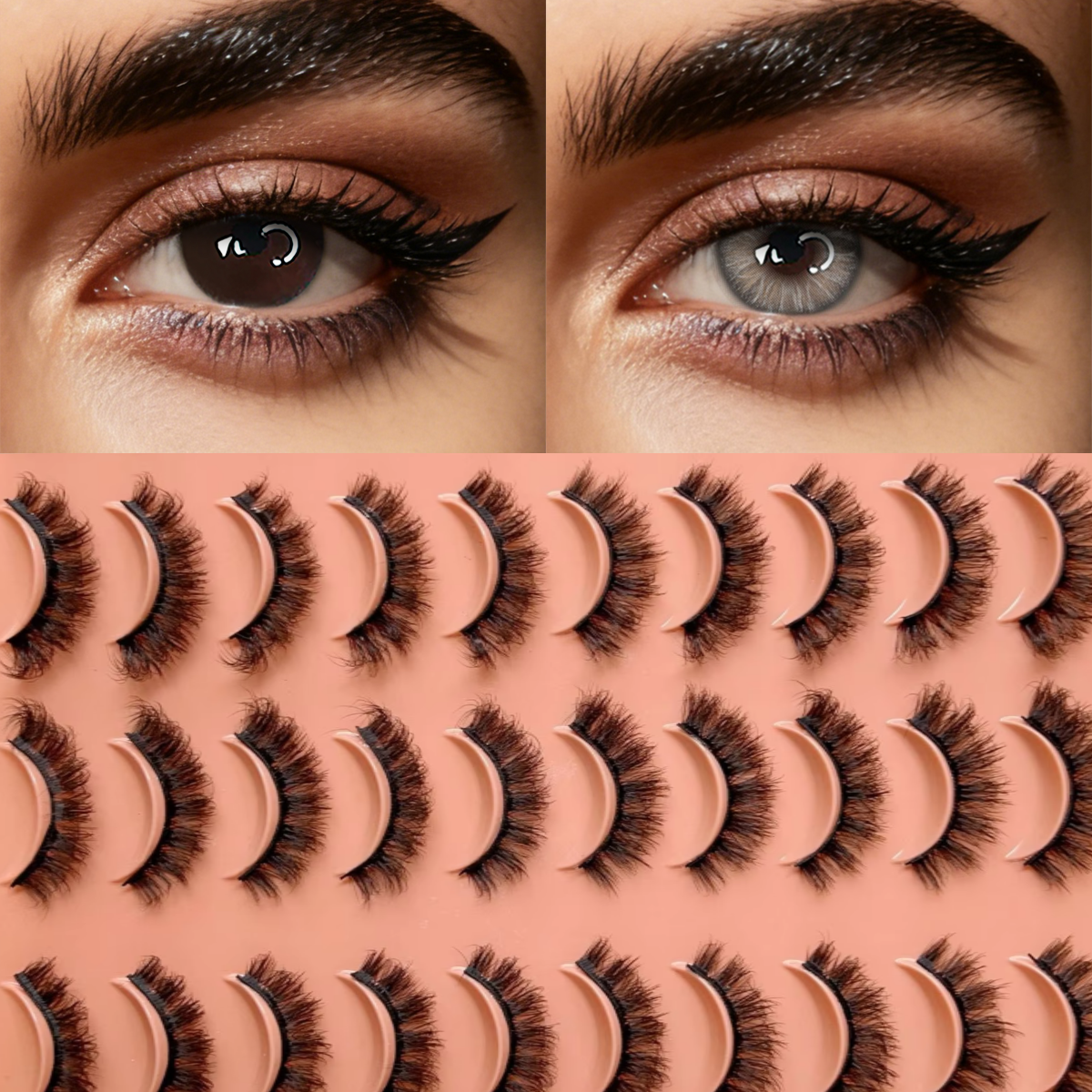
Cross-border Explosions 20 Pairs Mixed 6D Mink Hair False Eyelashes Natural Curling Thick Europe & US Wholesale
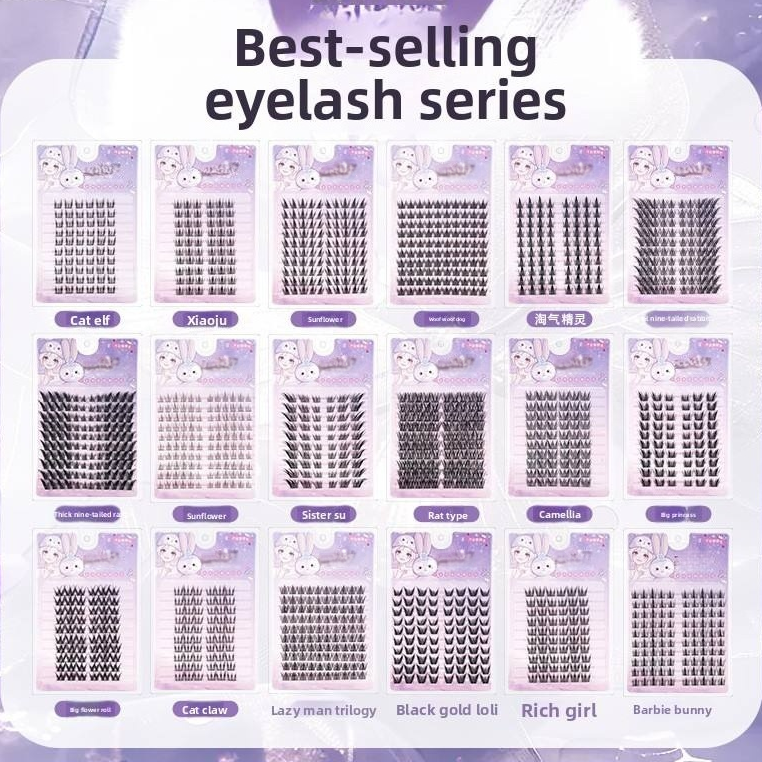
False Eyelashes Family Photo Inevitable Glue-Free Large Capacity Synthetic Hair Lower Upper Eyelashes Sunflower Fox Style Cat
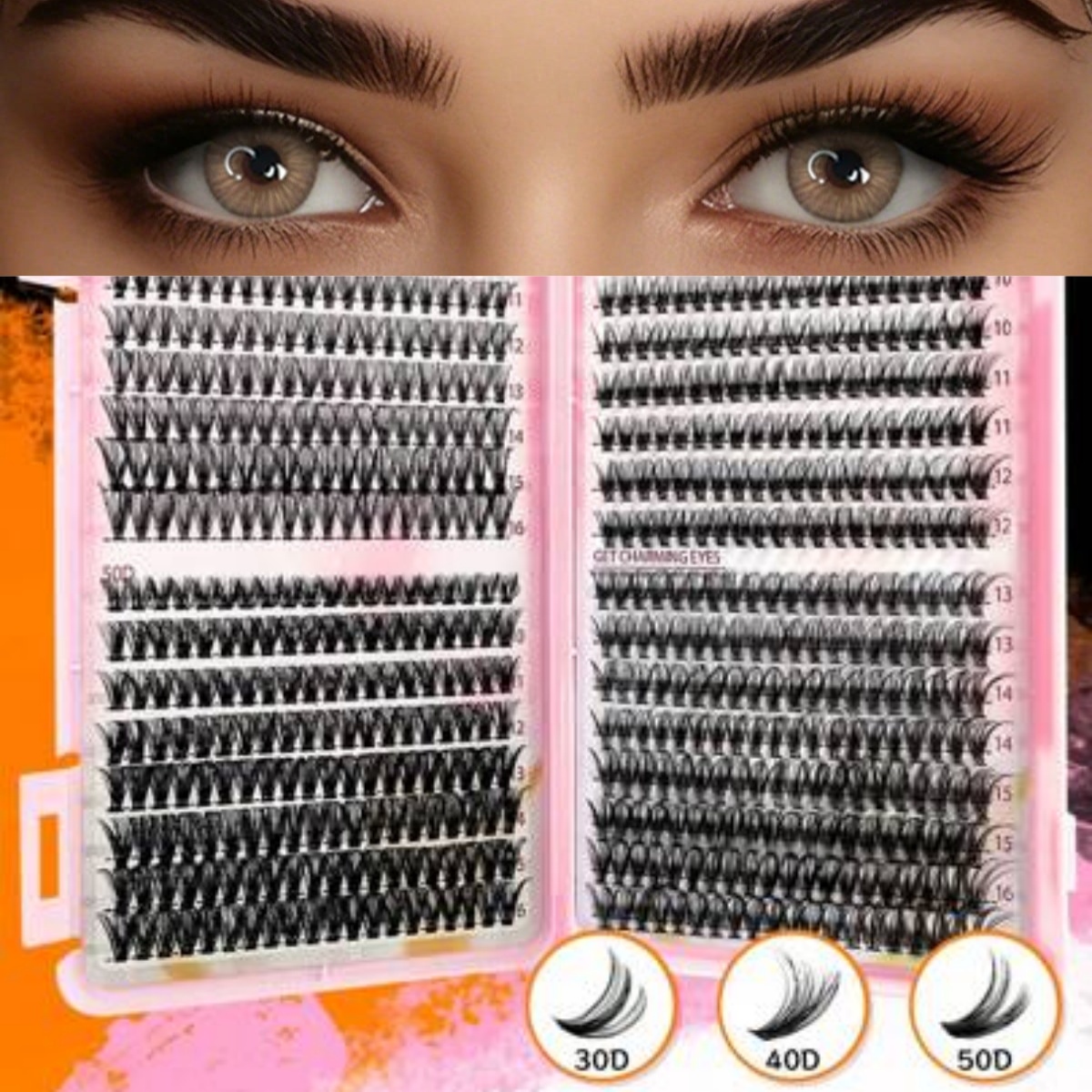
False Eyelashes Box Clear Band Natural Wispy Faux Mink Fluffy Soft Half Lashes for Daily Party Valentine's Day Makeup Wholesale
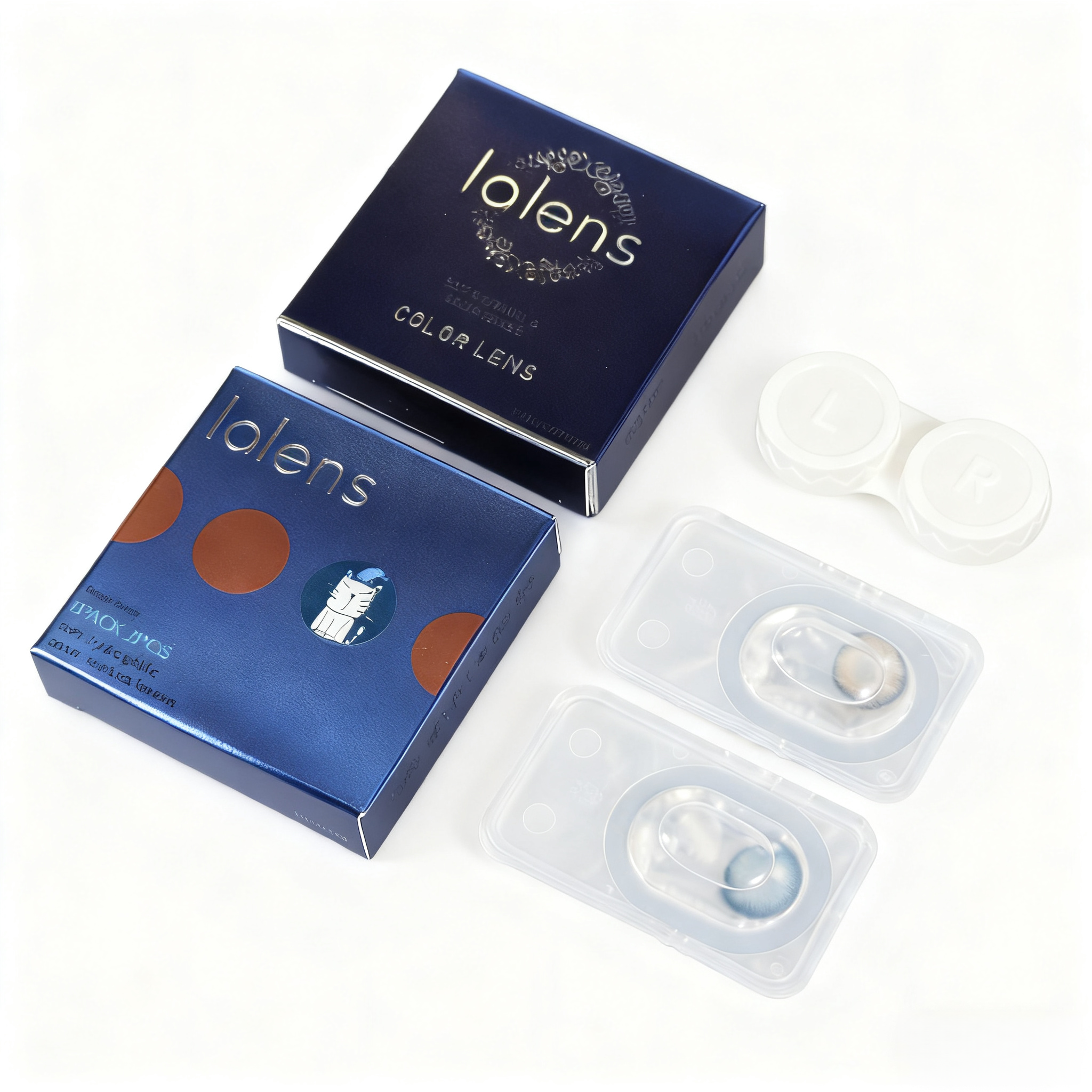
Custom Design Cardboard Soft Contact Lenses Private Label Contact Lenses Packaging Paper Box for Cosmetic Contact Lens
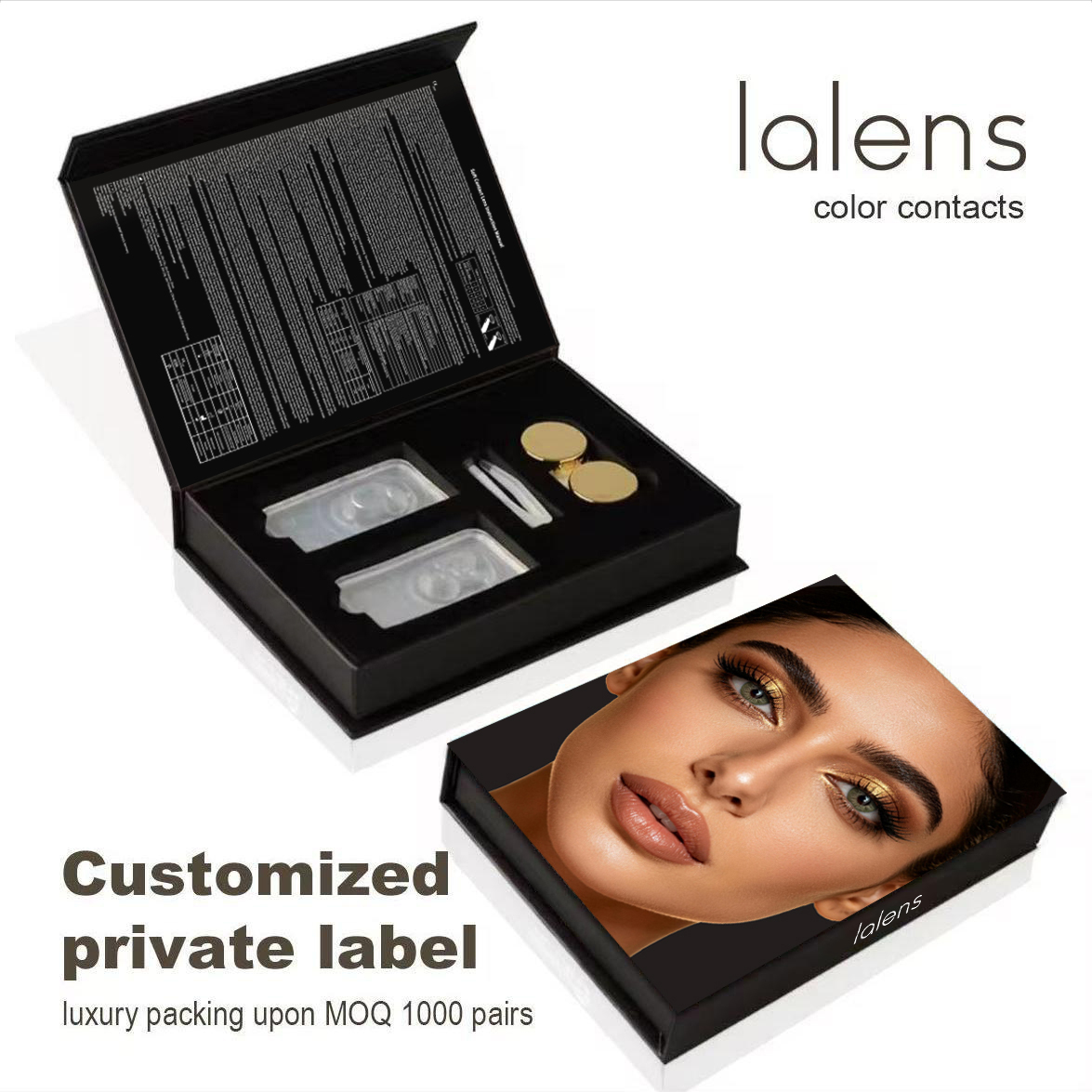
Custom Logo Contact Lens Packaging Rigid Paperboard Square Box Private Label Cosmetic Packing
Turnkey Private Label Contact Lens Full Formulation & Custom Sterile Blister Pack Kit
State of the Global Contact Lens Industry: Sourcing Intelligence for B2B Importers
The global ocular cosmetics and corrective lens sectors are undergoing a foundational transformation driven by polymer science advances, heightened international healthcare enforcement, and evolving consumer buying behaviors. As high-volume brand buyers, optical chain purchasing managers, and e-commerce importers look to scale their operations, navigating the supply ecosystem requires a comprehensive evaluation of material biophysics, color encapsulation integrity, sterile packaging compliance, and regulatory traceability.
Shenzhen Lalens Co., Ltd operates at the intersection of medical engineering precision and high-fashion cosmetic design. For over 16 years, our vertically integrated manufacturing facility in Shenzhen has addressed the most acute failure points in offshore ocular procurement: chromatic variance across replenishment batches, pigment leaching hazards, inadequate oxygen permeability, and defective regulatory submission files that stall at Western ports of entry. This comprehensive whitepaper provides international procurement teams with the technical, operational, and market data necessary to structure resilient, high-margin private label programs.
1. Biophysics of Hydrogel & Silicone-Hydrogel Polymers in Modern Manufacturing
Modern soft contact lens production relies primarily on hydrogel and silicone-hydrogel biomaterials. Hydrogel formulations utilize cross-linked hydrophilic polymers such as poly-2-hydroxyethyl methacrylate (pHEMA) combined with functional monomers like methacrylic acid (MAA) or glycerol methacrylate (GMA). In standard HEMA systems, oxygen permeability (Dk) is intrinsically correlated with equilibrium water content (EWC); water acts as the primary transport vehicle for molecular oxygen dissolution across the cornea. Our medical-grade HEMA lenses (ranging from 38% to 55% EWC) achieve optimal mechanical equilibrium, delivering tensile modulus profiles (0.35 to 0.50 MPa) that resist tearing while preserving high tear-film exchange rates.
For extended-wear daily disposable and therapeutic series, our cleanrooms have implemented second- and third-generation silicone-hydrogel (SiHy) polymerization lines. By utilizing fluorosilicone macromers blended with internal wetting agents (such as polyvinylpyrrolidone, or PVP), our SiHy formulations achieve oxygen transmissibility ratings ($Dk/t$) exceeding $100 \times 10^{-9}\ \mathrm{(cm/s)[ml\ O_2/(ml \cdot mmHg)]}$, virtually eliminating nocturnal corneal edema, hyperaemia, and neovascularization. For cosmetic brand owners, this material architecture ensures that end-users experience true day-long ocular comfort without the xerophthalmic sensation commonly observed in low-grade decorative lenses.
| Material Classification | Polymer Formulation Base | Water Content (EWC) | Oxygen Permeability (Dk) | Modulus (MPa) | Recommended Replacement Cycle |
|---|---|---|---|---|---|
| Type I: Low Water, Non-Ionic | pHEMA Polymer Matrix | 38% ± 2% | 8.5 – 11 × 10⁻¹¹ | 0.48 – 0.55 | Monthly / 6-Month / Yearly |
| Type II: High Water, Non-Ionic | pHEMA + GMA Hydrophilic | 55% ± 2% | 18.0 – 22 × 10⁻¹¹ | 0.32 – 0.38 | Daily Disposable / Monthly |
| Type IV: High Water, Ionic | pHEMA + MAA Copolymers | 42% – 45% ± 2% | 13.5 – 16 × 10⁻¹¹ | 0.40 – 0.45 | Monthly / Quarterly |
| Type V: Silicone-Hydrogel (SiHy) | Fluoro-siloxane + PVP Matrix | 45% – 48% ± 2% | 90 – 130 × 10⁻¹¹ | 0.65 – 0.75 | Daily Disposable / Monthly |
2. Color Encapsulation: The Sandwich Printing Architecture
A primary risk factor evaluated by ophthalmic health authorities (including the US FDA, European Health Authorities, and Health Canada) is surface pigment leaching. Budget lens suppliers frequently utilize pad printing on the convex or concave exterior surfaces of hydrated lenses without adequate protective matrices, resulting in abrasive friction against the palpebral conjunctiva and corneal epithelium.
Our manufacturing operations enforce a proprietary Triple-Layer Sandwich Micro-Encapsulation Technology. In this automated workflow, a foundational micro-layer of unpigmented medical hydrogel polymer is spin-cast into the precision quartz mold. Multi-color iris patterns are then applied utilizing biocompatible, heavy-metal-free cosmetic pigments (iron oxides, titanium dioxide, phthalocyanines). Finally, an encapsulation monomer layer is applied over the color matrix before thermal polymerization. The pigment is permanently locked within the core matrix of the lens, ensuring zero physical contact with the cornea or eyelid tissue. This structural integrity is validated using accelerated solvent extraction assays (USP ⟨87⟩ / ISO 10993 cytotoxicity protocols) to guarantee complete chemical inertness.
Zero Pigment Elution
Sandwich-layer polymer locking ensures color pigments never leach into saline storage or touch delicate conjunctival membranes.
Sub-Micron Iris Printing
High-resolution micro-dot matrix printing reproduces depth, limbal ring definition, and realistic pupillary transitions for authentic looks.
Precision Cast Molding
Automated optical tool steel and quartz molds eliminate surface aberrations, delivering exact 8.5 to 8.7mm base curve repeatability.
3. Global Procurement Trends in Contact Lenses & Eye Beauty (2025–2030)
Strategic purchasing managers must adjust supply timelines based on structural consumer behavior shifts across key markets:
Shift to Daily Disposables
Hygiene awareness and travel trends are driving double-digit annual growth in 1-Day cosmetic lenses over traditional annual-wear vials.
Natural Iris Enhancement
Buyers are shifting from bold, opaque block tints to subtle bi-tone and tri-tone gradients that enhance natural eye tones seamlessly.
Cosmetic & Lash Cross-Merchandising
Leading D2C beauty brands source unified product bundles: matching colored contact lenses with high-performance lash sets in matching retail boxes.
Sustainable Sterile Packaging
Importers prioritize down-gauged aluminum foil blisters, recyclable polypropylenes, and Forest Stewardship Council (FSC) certified rigid packaging.
4. Navigating US & International Regulatory Compliance (E-E-A-T Framework)
Under Title 21 of the US Code of Federal Regulations (21 CFR Part 886), all contact lenses are classified as Class II or Class III medical devices, regardless of whether they correct refractive error or serve solely decorative, costume, or cosmetic functions. Selling plano (0.00 diopter) lenses in the United States without verifying valid prescriptions constitutes a violation of the Federal Trade Commission (FTC) Contact Lens Rule and FDA enforcement guidelines.
Shenzhen Lalens Co., Ltd operates under an ISO 13485:2016 audited quality management system. Our manufacturing workflows include 100% optical power mapping, edge profile verification via high-resolution shadowgraph projection, and bioburden testing prior to terminal moist-heat sterilization (autoclave at $121^\circ\mathrm{C}$ for minimum 20 minutes with $F_0 \ge 15$). Our regulatory documentation packages include:
• Device Master Files (DMF): Material characterization reports, biocompatibility datasets (cytotoxicity, ocular irritation, sensitization according to ISO 10993).
• Sterilization Validation Dossiers: ISO 11137 / ISO 17665 compliant biological indicator challenge data guaranteeing a Sterility Assurance Level ($SAL$) of $10^{-6}$.
• Compliant Labeling Architecture: Standardized English outer-packaging artwork templates incorporating UDI (Unique Device Identifier) barcodes, GS1 DataMatrix identifiers, lot traceability, expiry dates, and mandatory Rx-only statements.
5. Integrated Ocular & Eyelash Product Synergies for Global Retailers
Modern cosmetic brands achieve significantly higher customer lifetime values (LTV) and average order values (AOV) by providing unified eye-beauty collections. As shown in our direct product catalog above, our manufacturing facilities produce both premium sterile contact lenses and handcrafted synthetic eyelashes (ranging from ultra-thin clear-band wispy segments to high-density 32-row salon bloom extensions).
By synchronizing contact lens packaging boxes (such as our custom rigid paperboard suites and cardboard soft lens packaging) with matching false eyelash display packaging, private label brand owners eliminate multiple tier-2 supplier markups, streamline ocean freight consolidation, and maintain strict chromatic consistency across all branded packaging touchpoints.
Enterprise Advantages: Why Leading Brands Partner with Lalens Factory
Direct factory accountability, automated cleanroom infrastructure, and localized trade coordination designed to de-risk your international supply chain.
500+ Stock Patterns & Low MOQs
Launch quickly with low initial capital outlays. Our ready-to-ship stock iris library allows test-market orders starting from 100 pairs per color variant.
End-to-End Packaging Customization
In-house printing, foil stamping, structural box design, blister foil sealing, and multilingual package insert production managed under one roof.
Rapid Global Logistics & DDP Terms
Express courier door-to-door sampling within 5 to 8 business days. Consolidated ocean container and air cargo shipments available with DDP customs clearance.
Frequently Asked Questions from Wholesale Importers
Direct, technical answers addressing the real legal, operational, and financial inquiries encountered when importing contact lenses and cosmetic eye products.