Beauty Cross-Merchandising
Discover clinical-grade decorative lenses, customized sterile containment, and high-volume complementary ocular cosmetic assemblies manufactured to global standards.
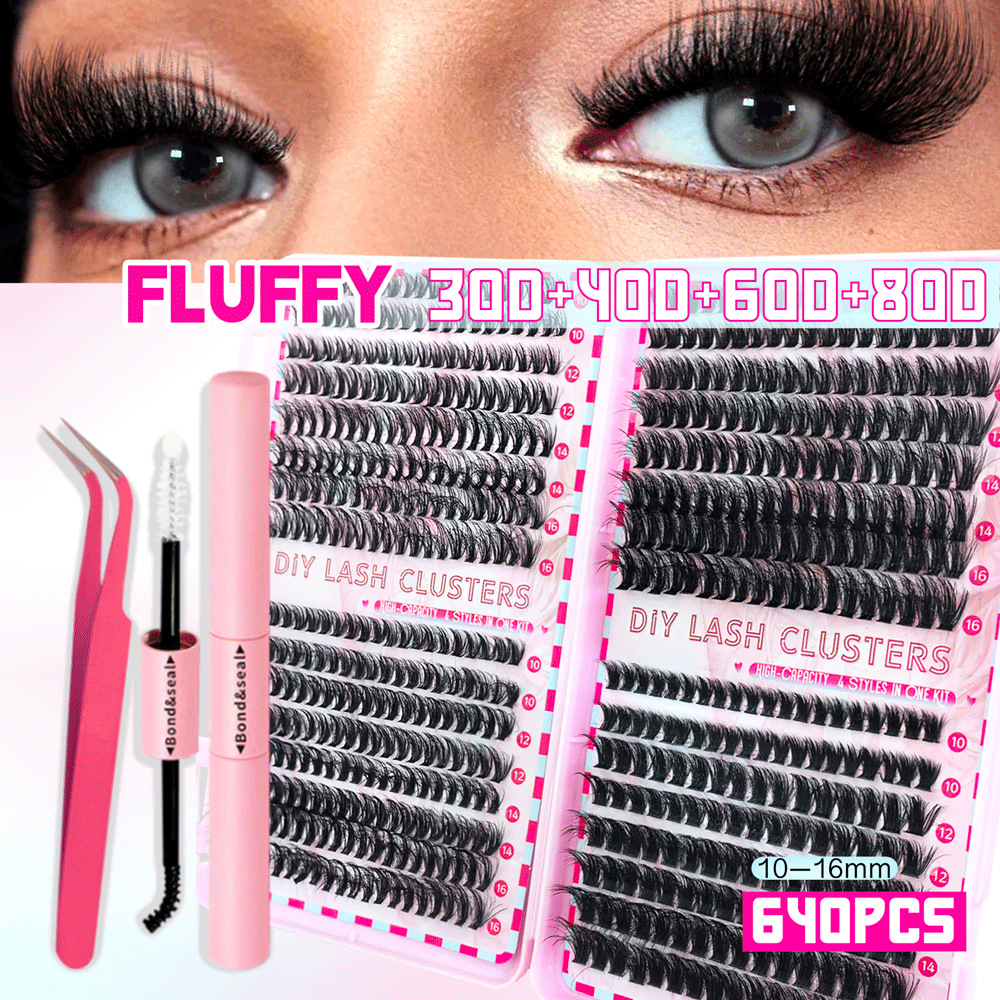
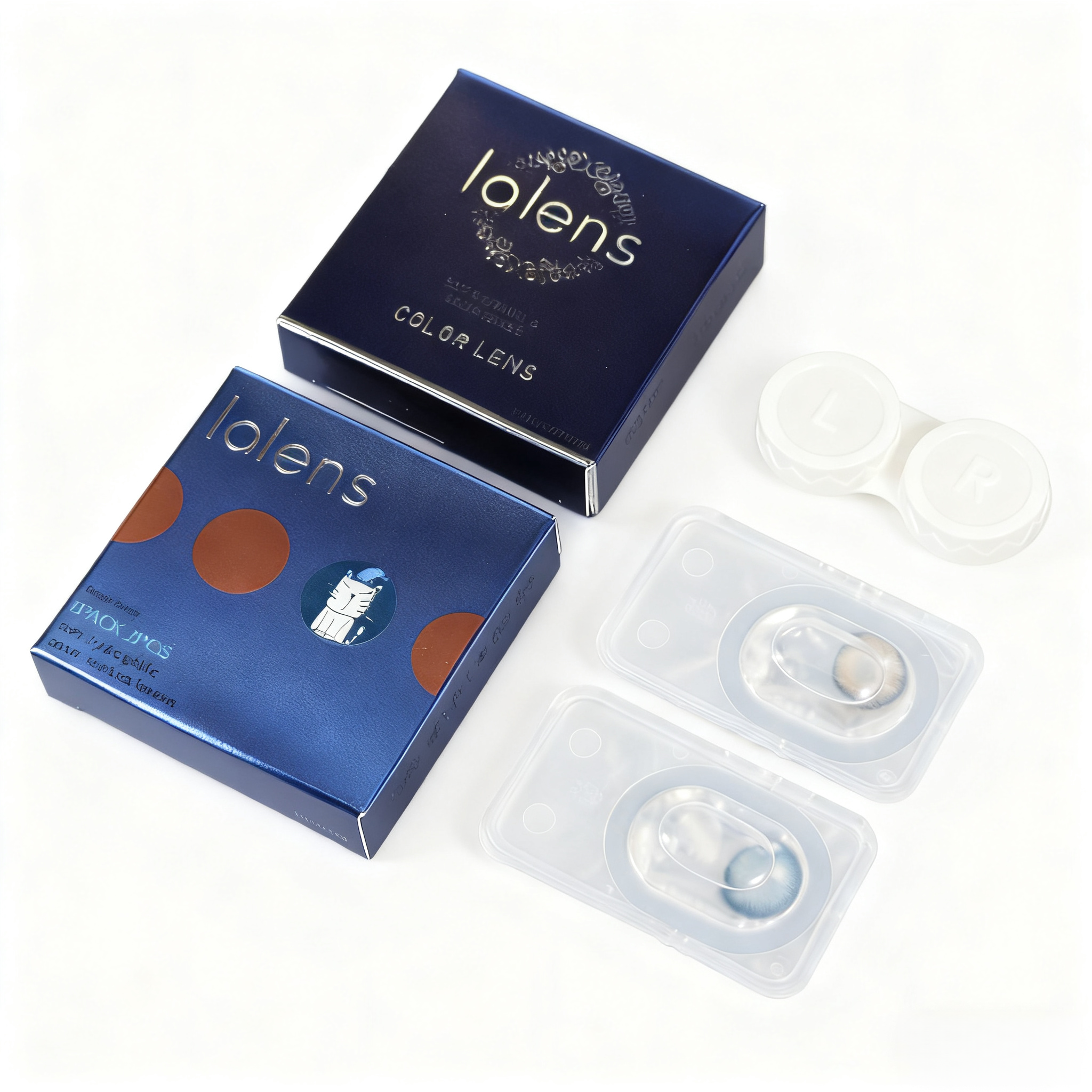
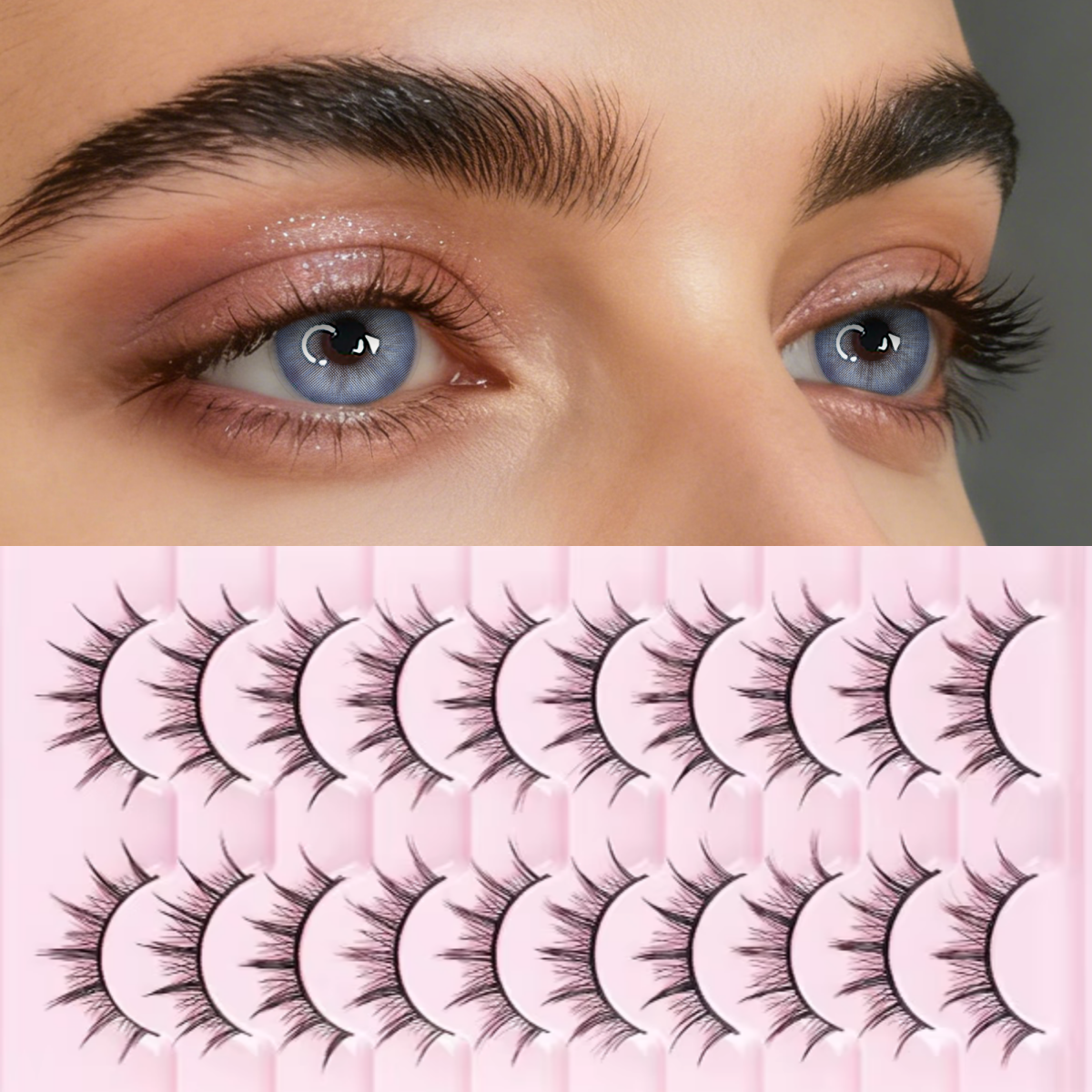
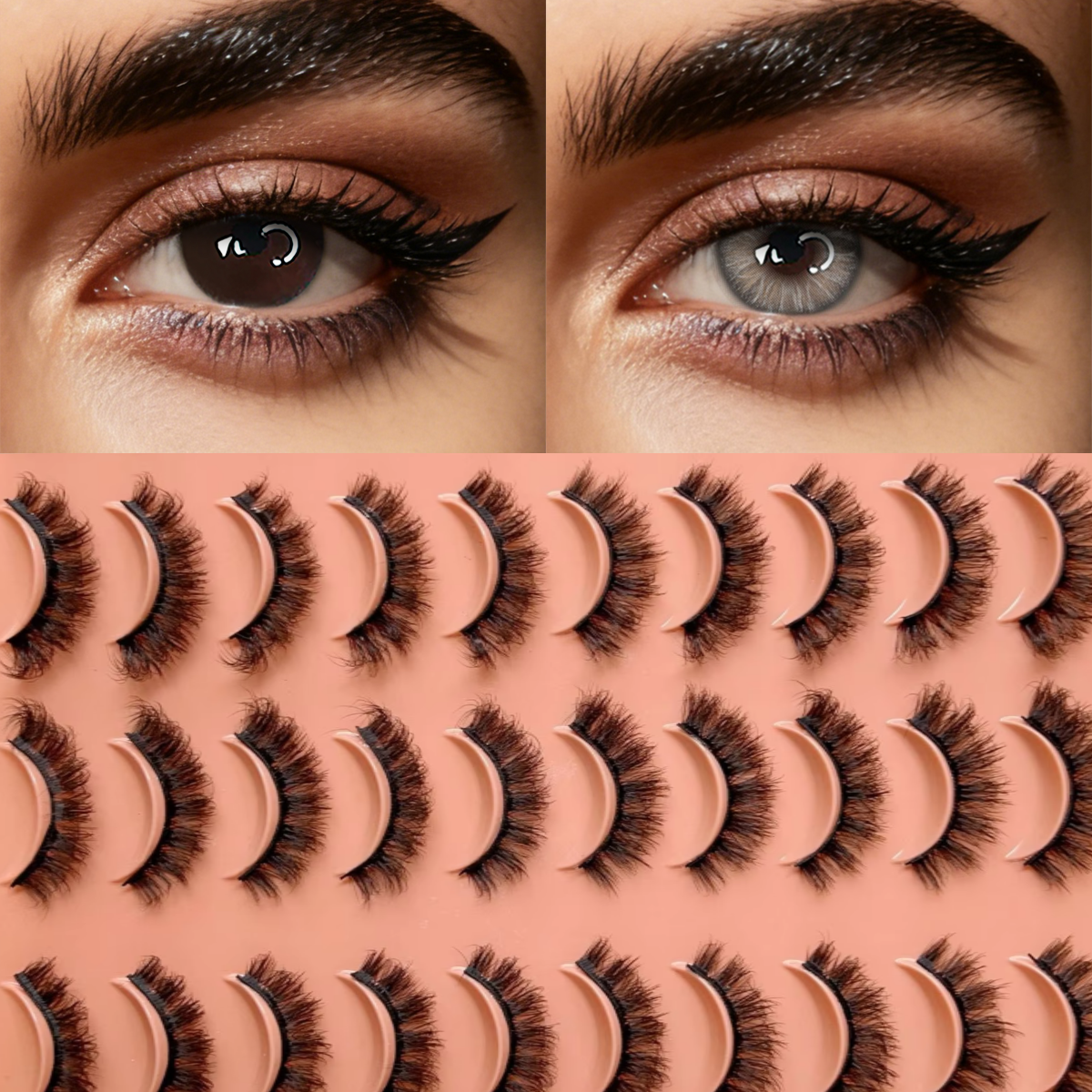
Why leading global optical brands, distributors, and licensed importers partner directly with our medical-grade cleanroom facility.
Our automated pad-printing technology completely embeds organic, non-toxic pigment layers between hydrophilic HEMA polymer matrices. Zero pigment touches corneal tissues, eliminating abrasion risks and cytotoxicity.
Formulated with water content options from 38% to 55%, our optimized base curves (8.5mm - 8.6mm) and ultra-thin edge profiles support continuous tear exchange, ocular hydration, and day-long wearer compliance.
Every batch is subjected to computer-controlled power mapping, edge integrity inspection, and biological challenge testing under ISO 13485 standards. Device Master Files (DMF) facilitate seamless regulatory submissions.
The cosmetic contact lens sector has undergone a profound structural shift over the past decade. Once regarded strictly as a seasonal theatrical accessory or niche novelty item, color contact lenses have integrated seamlessly into daily aesthetic routines, modern dermatological cosmeceuticals, and luxury personal care. According to clinical trade indicators, decorative contact lenses represent one of the fastest-growing subcategories within the global ophthalmic devices sector.
Historically, early iterations of colored lenses faced technical bottlenecks, including dye leeching, rough edge profiles created by unrefined lathe-cutting, and compromised oxygen transmissibility (Dk/t). Today, our Shenzhen-based manufacturing infrastructure utilizes high-speed automated cast molding. In this process, optical liquid monomers and reactive hydrogels are polymerised inside precision optical molds under computer-controlled thermal cycles. This ensures that every finished lens delivers consistent edge geometries, reproducible diopter corrections (ranging from plano 0.00 up to -10.00D), and uncompromised ocular safety.
For international buyers, optical retail groups, and direct-to-consumer (D2C) brands, sourcing decorative soft contact lenses demands a predictive approach to supply chain velocity, material chemistry, and inventory optimization. The following technological trajectories define upcoming procurement cycles:
Consumer preferences are rapidly pivoting from traditional yearly replacement vials to sterile daily blister packs (1-Day Disposables). Single-use packaging minimizes cleaning non-compliance and drives recurring replenishment orders.
Next-generation collections are combining vibrant limbal ring graphics with high-Dk silicone hydrogel polymers. This allows superior atmospheric oxygen transmission to the cornea, supporting healthy extended wear.
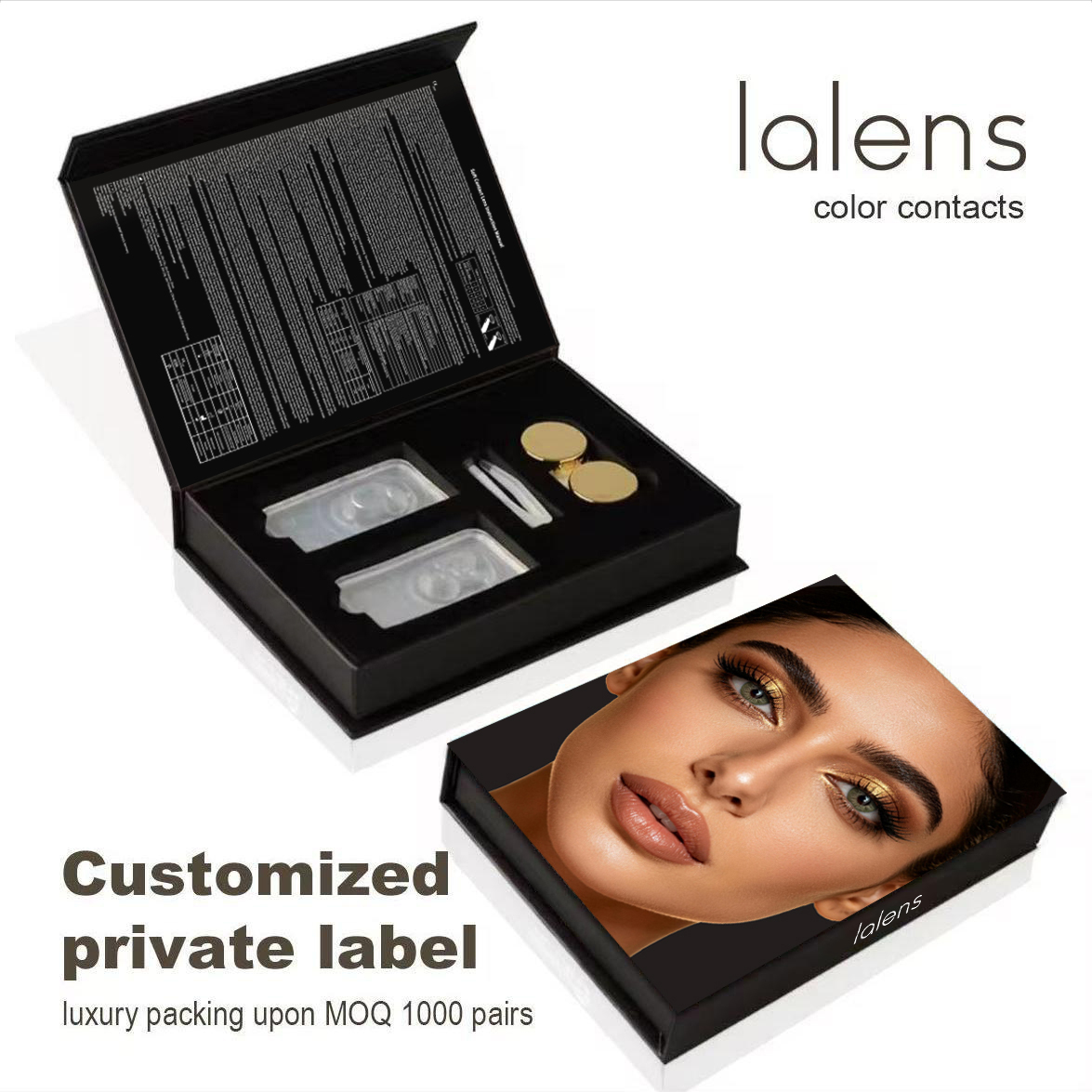
B2B importers are increasingly consolidating lens manufacturing with rigid secondary paperboard packaging and customized unboxing kits, eliminating multiple intermediary packaging vendors.
Furthermore, geopolitical supply chain realignment requires manufacturers to possess complete control over their mold tooling, automated production lines, blister sealing, and autoclave sterilization. As an integrated producer, Shenzhen Lalens Co., Ltd maintains the agility to scale production dynamically while insulating overseas partners from batch-to-batch shade variances.
Operating from advanced cleanroom facilities in Shenzhen, we eliminate unnecessary distribution markups by uniting precision optical engineering, mold fabrication, private label graphic formulation, and international export compliance directly under one roof.
From subtle tri-tone natural blends (hazel, ice gray, honey brown) to vivid cosplay and Halloween FX lenses, our design catalog enables rapid market entry.
Comprehensive design and production of custom rigid cardboard display boxes, multi-language instruction leaflets, and tamper-evident blister seals.
Cross-functional support teams aligned with US Eastern, Central, and Pacific time zones ensure quote generation and regulatory paperwork turnaround within 2 hours.
Essential regulatory, logistical, and technical insights designed to guide professional procurement officers and optical brand owners.
Yes. Both the US FDA and the European Commission classify all contact lenses—including decorative zero-power (plano) styles—as regulated medical devices (Class II in the US; Class IIa under EU MDR). They cannot be legally distributed as unrestricted cosmetics. Importers must comply with pre-market notification guidelines, verify practitioner prescriptions under the FTC Contact Lens Rule, and ensure compliant UDI (Unique Device Identifier) labeling.
Our production facilities maintain Class 100,000 cleanroom environments adhering strictly to GMP and ISO 13485:2016 quality management frameworks. We utilize proprietary sandwich technology, wherein colorants are thermally bonded between interior and exterior hydrogel layers. Each lot undergoes 121°C autoclave steam sterilization followed by rigorous cytotoxicity, ocular irritation, and microbial bioburden testing.
For stocked, catalog-standard lens models, our minimum order quantity starts as low as 100 pairs per SKU to support market validation. For comprehensive OEM private label programs—including custom branded blister foils, tailored outer folding cartons or rigid presentation boxes, and individualized multi-language package inserts—the baseline MOQ is typically 1,000 pairs per graphic design.
Evaluation wear samples and pre-production proofs are dispatched via express courier (DHL, FedEx, UPS) and typically arrive at European and North American destinations within 5 to 8 business days. Full-scale OEM manufacturing runs average 25 to 35 calendar days following proof approval. We offer flexible Incoterms including EXW, FOB, CIF, and full DDP (Delivered Duty Paid) consignments with complete commercial customs documentation.