Export-Grade Cosmetic Eye-Enhancement Collections
Explore our premium medical hydrogel formulations, specialized multi-tone micro-encapsulation lenses, and companion cosmetic eyelashes manufactured under stringent cGMP standards.
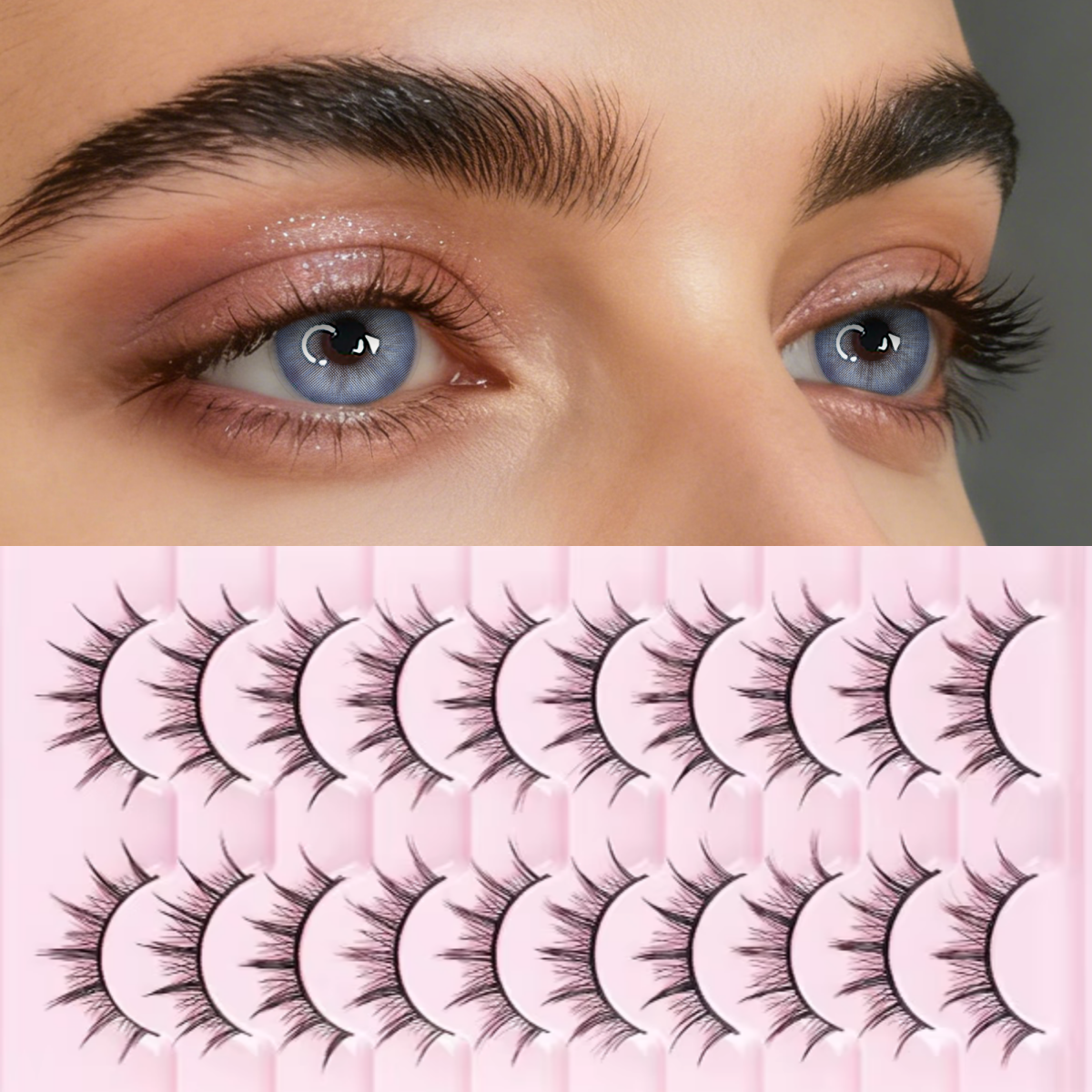
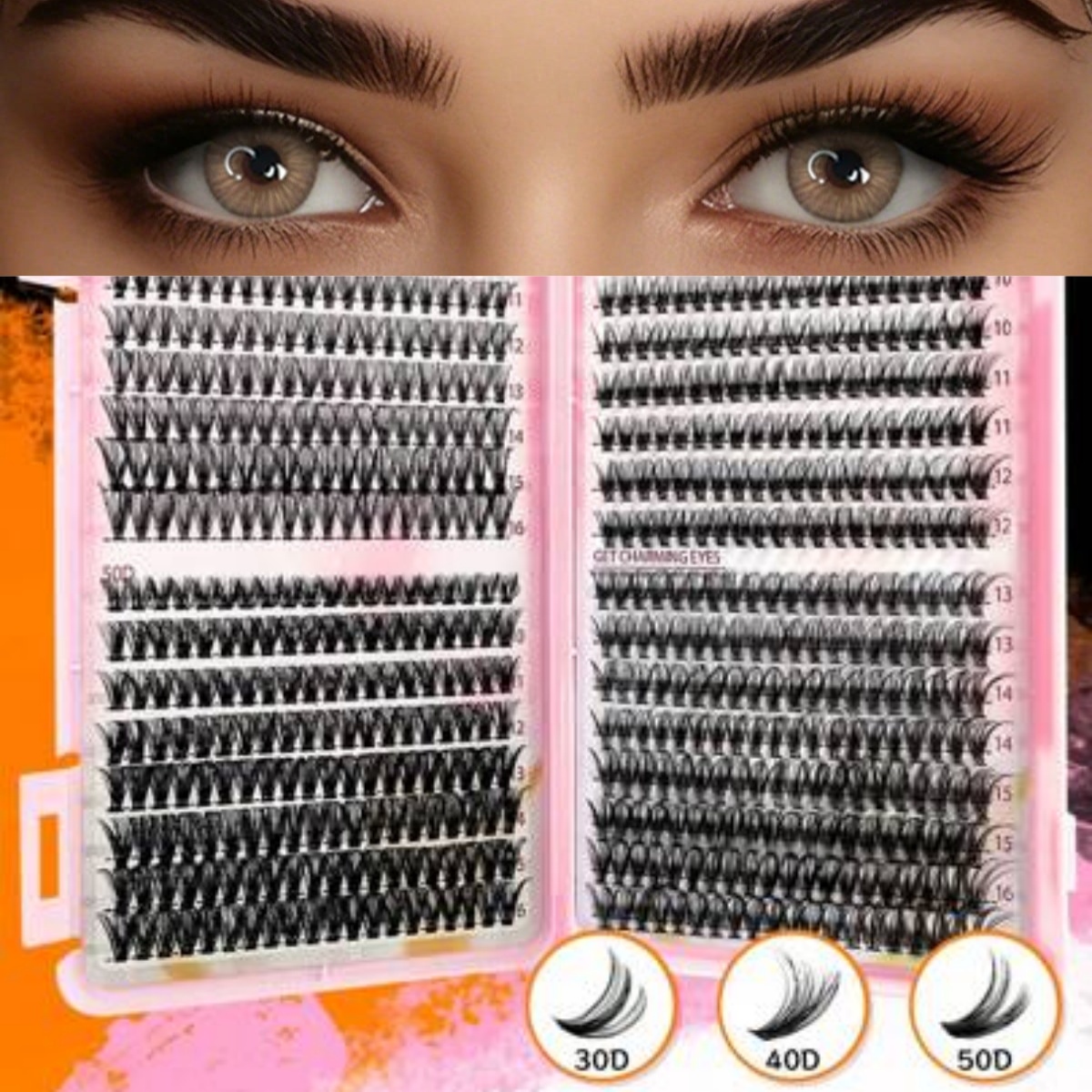
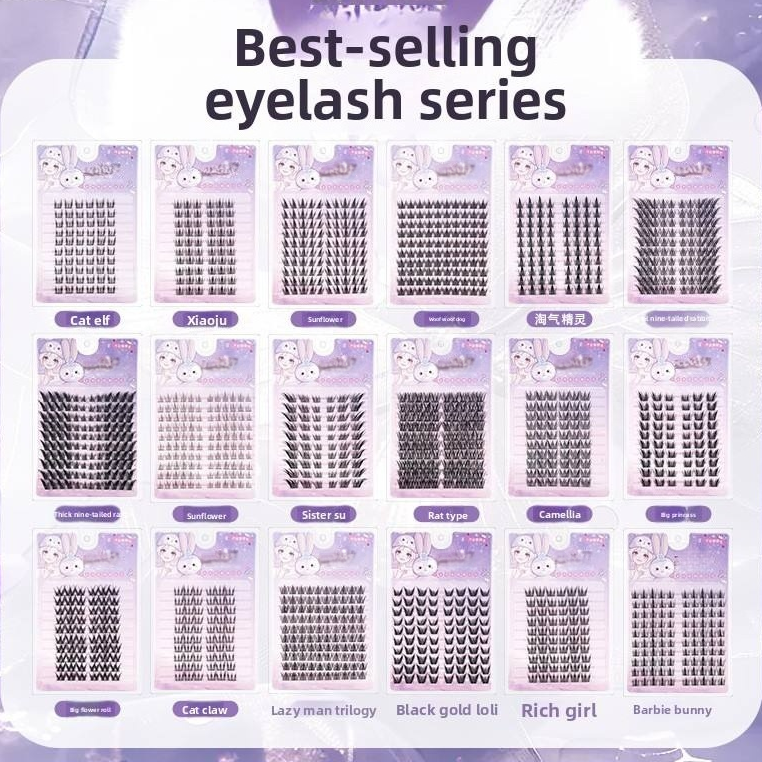
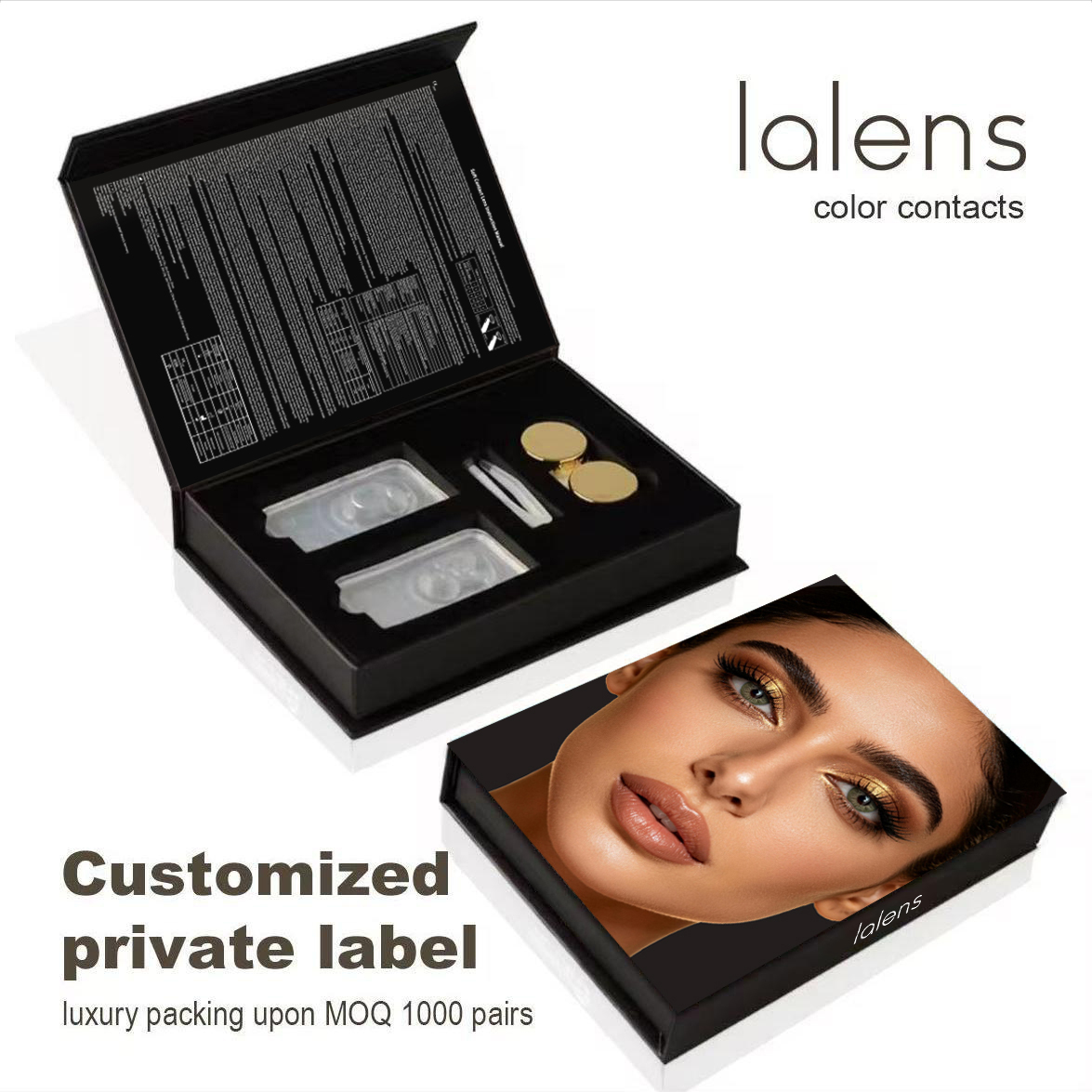
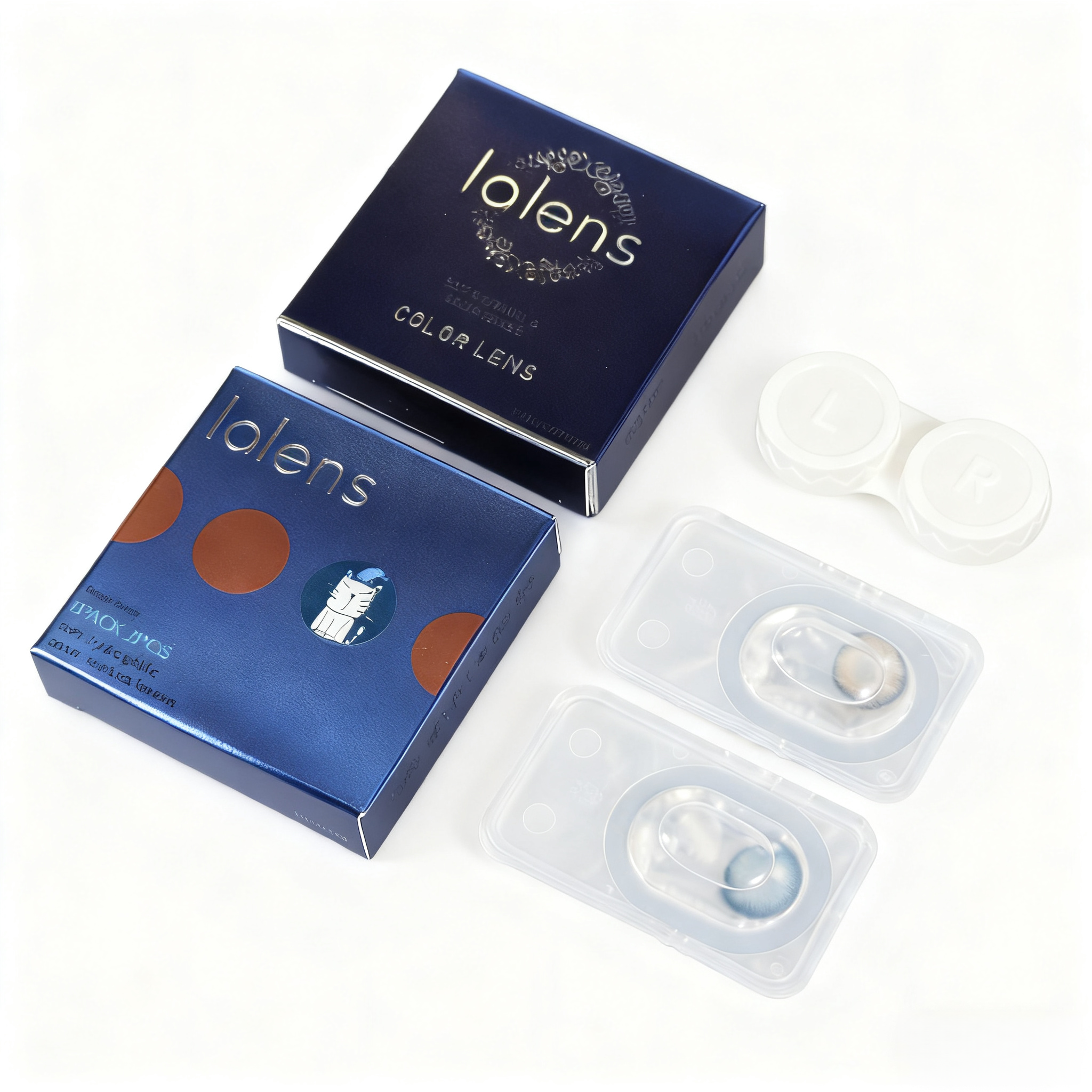
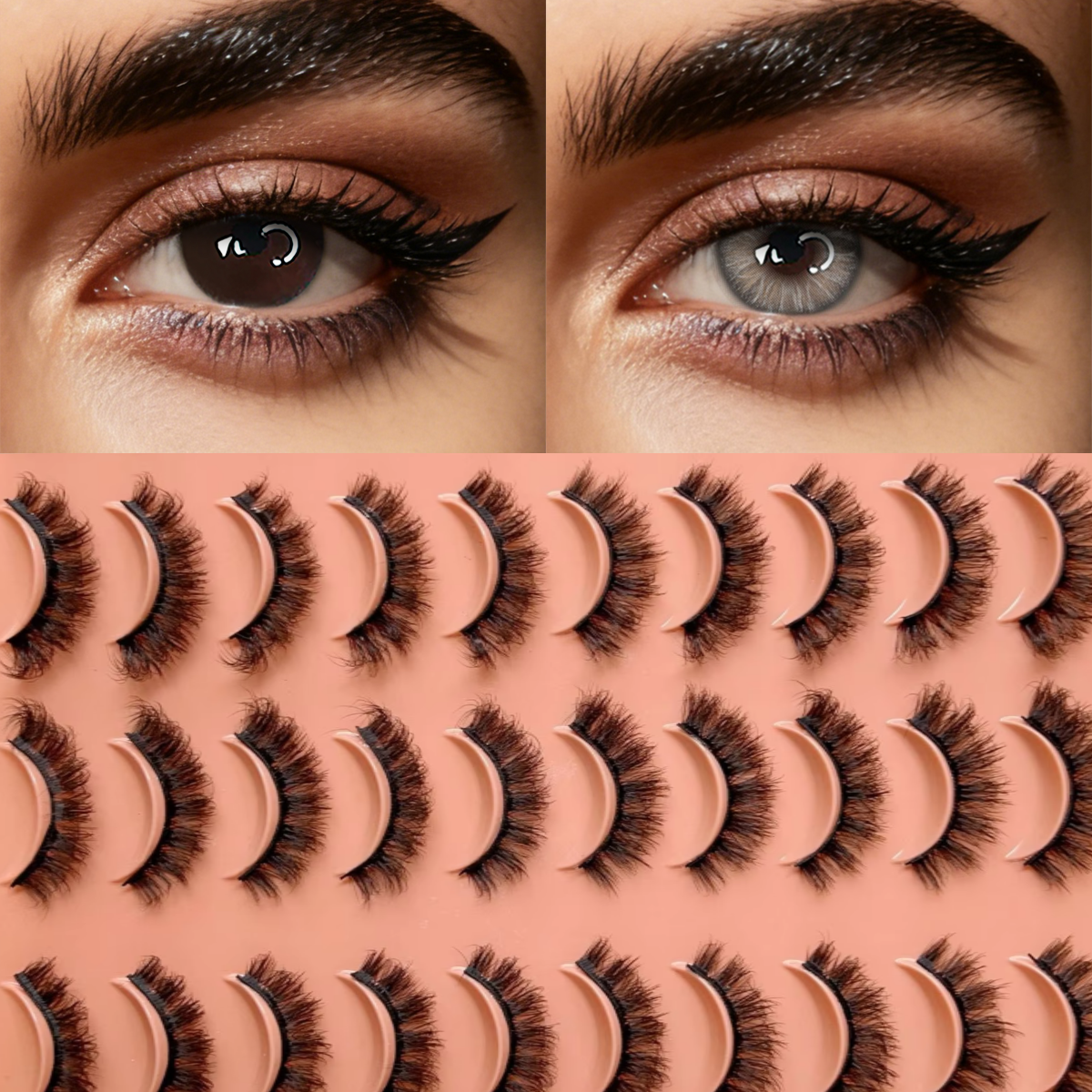
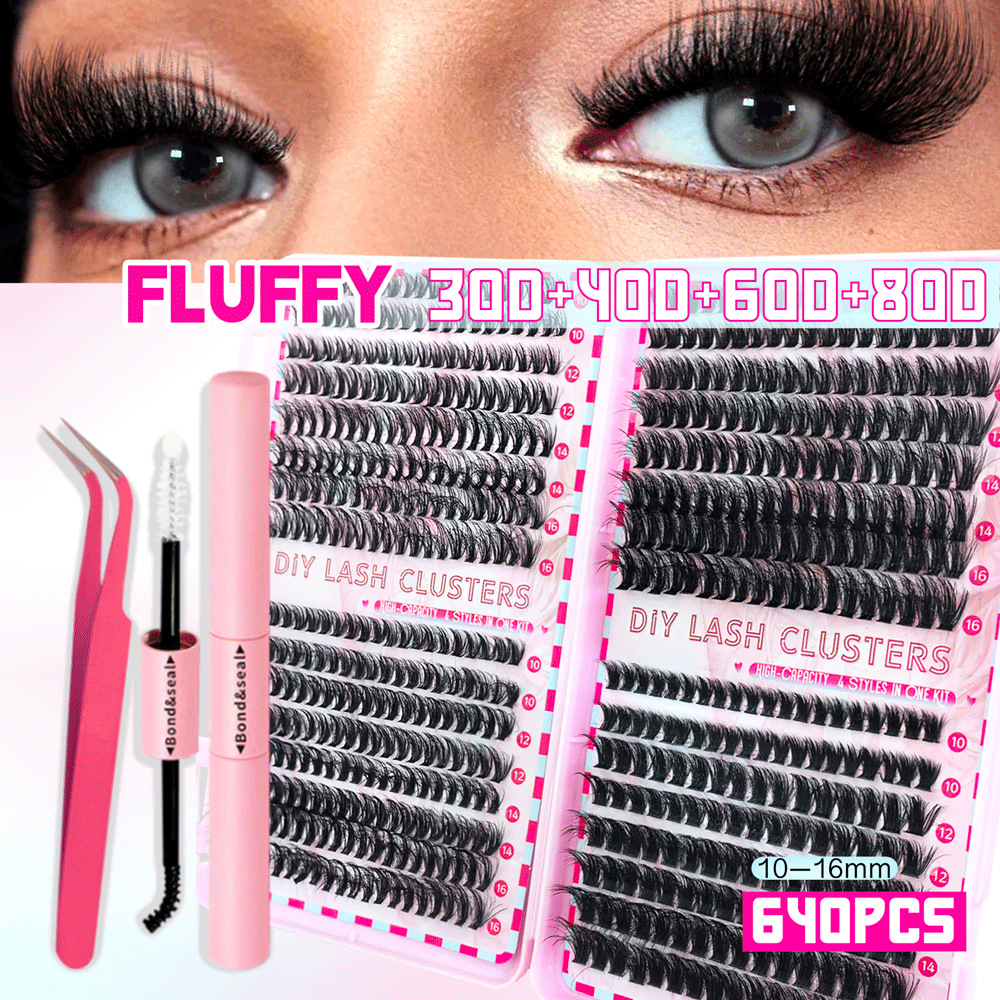
OEM/ODM Complete Contact Lens Line (Plano & Powers 0.00 to -10.00)
Why Tier-1 Cosmetic & Optical Brands Choose Lalens Factory
Shenzhen Lalens Co., Ltd integrates full-stack medical cast molding, specialized biophilic hydrogels, and automated optics testing under one verified ISO 13485 cleanroom ecosystem.
Proprietary Micro-Sandwich Embedding
Color bleeding and mechanical surface friction are the two primary causes of corneal de-epithelialization in low-grade decorative lenses. Our 3-layer latent sandwich technology locks non-ionic cosmetic pigment matrices entirely within the interior hydrogel polymer layer, ensuring zero contact with corneal epithelium and zero leaching under saline autoclave conditions.
Class 100,000 Cleanroom & Cast Molding
Utilizing high-precision CNC tool steel molds with optical surface roughness (Ra) under 8 nanometers, our dual-molding injection cycles produce lenses with perfectly edge-feathered contour profiles. Each lot undergoes comprehensive wavefront aberrometry and computerized power-mapping, guaranteeing exact corrective precision across 0.00 to -10.00 Diopters.
Comprehensive FDA & MDR Ready Labeling
Shenzhen Lalens Co., Ltd maintains ready-to-file technical dossiers comprising cytotoxicity assay reports (ISO 10993-5), systemic toxicity evaluations, accelerated aging shelf-life test records, and FTC-compliant bilingual packaging files. We provide total support for 510(k) establishment registration and CE MDR 2017/745 medical clearance.
Full-Chain OEM/ODM Customization
From custom iris matrix dotting (tri-tone, translucent gradient, cosplay FX opaque prints) to tailored rigid paperboard gift packaging and blister cavity configurations, our design studios transform creative concepts into shelf-ready retail SKUs within 25–35 days total lead turnaround.
24/7 Global Direct Supply & DDP Logistics
Operating dedicated shifts aligned with US Eastern, Central, and Pacific time zones, our technical sales engineers guarantee response times under 2 hours. We handle door-to-door DDP consignments, express air-cargo shipments, and bonded-warehouse staging for high-volume seasonality.
Macro Trends Reshaping Global Contact Lens Procurement
An in-depth analysis of polymer science, market demand, and regulatory tightening for procurement directors preparing their 2025–2030 supply chains.
The global cosmetic contact lens market is undergoing an unprecedented shift toward medicalized daily disposables (1-Day modalities). While multi-month and yearly lenses once dominated the international distribution channels due to affordable per-wear economics, mature consumer demographics in North America and Western Europe are demanding enhanced hygiene profiles that eliminate the risk of Acanthamoeba keratitis and non-compliance with multi-purpose disinfectant regimens.
1. Silicon Hydrogel (SiHy) Infiltration into Color Cosmesis
Traditionally, colored contact lens manufacturing was constrained to conventional poly-HEMA hydrogel formulations due to the chemical complexities of binding organometallic color pigments to silicone macromolecules without inducing surface lipid deposition. Next-generation production facilities are now adopting macromer wetting-agent grafting, allowing colored lenses to deliver an oxygen transmissibility (Dk/t) exceeding 85, compared to the conventional range of 18–28. This transition enables brands to market "all-day comfortable wear" without inducing limbal redness or hypoxic stromal edema.
2. Biomimetic & Hyper-Real Iris Micro-Dot Printing
Modern consumers have moved away from coarse, pixelated, circular limbal rings toward hyper-realistic, multi-layered iris architecture. High-definition computerized pad printers and laser photochemical micro-dot systems allow the deposition of 3 to 5 translucent chromatic layers. These micro-dots are dynamically feathered toward the optical pupil zone (3.8 mm to 4.5 mm clear aperture), allowing the wearer's native eye color to blend seamlessly while preserving central photopic vision in low-light environments.
3. Supply Chain Comparison: Material & Manufacturing Modalities
| Parameter | Standard HEMA Color Hydrogel | Advanced High-Water HEMA (55%) | Next-Gen Silicone Hydrogel (SiHy) |
|---|---|---|---|
| Oxygen Transmissibility (Dk/t) | 18 – 24 Barrer/cm | 28 – 35 Barrer/cm | 85 – 110 Barrer/cm |
| Modulus of Elasticity | 0.30 – 0.45 MPa (Ultra-Soft) | 0.35 – 0.40 MPa | 0.65 – 0.85 MPa (Structural Firmness) |
| Target Replacement Cycle | Monthly / Yearly | Daily (1-Day) / Monthly | Daily / Two-Week / Monthly |
| Primary Market Position | Costume / High-Opaque / Volume Retail | Everyday Natural Glamour / Fast Beauty | Premium Clinical / Optical Chain Prescribed |
| OEM Minimum Batch Run | 1,000 Pairs / Design | 5,000 Packs / Custom Run | 10,000 Packs / Dedicated Line |
Frequently Asked Questions for Wholesale Importers
Critical commercial and regulatory guidance distilled from decades of exporting cosmetic medical devices to US, European, and Latin American distributors.
What is the regulatory classification for zero-power (plano) colored lenses in the United States?
Under US Federal Food, Drug, and Cosmetic Act regulations, all contact lenses are classified as Class II or Class III medical devices, regardless of corrective dioptric power. There is no legal exception for plano cosmetic or novelty costume lenses. Importers must operate under an established 510(k) clearance or distribute under an active OEM private label registration, and US retailers are mandated by FTC rules to verify prescriptions prior to dispatch.
How do you guarantee pigment stability and ocular safety during sterilization?
Our manufacturing line executes an automated sandwich cast-molding sequence where cosmetic inks formulated from high-purity iron oxides, titanium dioxides, and copper phthalocyanine dyes are pad-printed onto the base curve monomer before polymer cross-linking. A subsequent layer of monomer covers the pigment entirely. The entire lens is then exposed to terminal moist heat autoclaving at 121°C for 20 minutes; our ISO 10993 cytotoxicity and rub tests prove 0% surface pigment exposure.
What is the standard Minimum Order Quantity (MOQ) for custom private label packaging?
For pre-formulated stock color patterns packed into our standardized sterile PP blister packaging or medical glass vials, the MOQ is 100 pairs per color. For comprehensive private label programs with bespoke rigid paperboard packaging, foil blister lidding, and printed multilingual instructions for use (IFU), the initial program MOQ begins at 1,000 to 3,000 pairs depending on carton finishing complexities.
What lead times are required for peak seasonal orders (e.g., Halloween FX lines)?
Due to the concentrated demand for opaque and theatrical contact lenses prior to October, global supply lines saturate rapidly. Production slots for Halloween lines must be finalized between May and July to accommodate 25-day production cycles, sterility quarantine incubation tests (14 days), and 20–30 days of maritime container transit or 5–7 days of air freight.