24/7 Online for US Buyers [email protected]
English (US) USD $

Top Trusted Colored Lenses Wholesale Manufacturer & Exporter

Engineering Medical-Grade Contact Lenses, Precision False Eyelashes, and Fully Integrated Turnkey OEM/ODM Packaging Solutions for Premier Global Brands and Distributors

16+
Years of Manufacturing
500+
Stock Iris Patterns
40+
Export Destinations
100%
Optical Lot Verification
Curated Catalog

Precision Cosmetic Lenses & Complementary Beauty Lines

Direct factory-manufactured eye enhancement products engineered for optical safety, high user comfort, and distinctive aesthetic performance. Complete OEM private labeling available across all configurations.

Operational Excellence

Enterprise Advantages: Why Global Importers Source With Us

Operating directly out of our advanced Shenzhen clean-room facility, Shenzhen Lalens Co., Ltd eliminates intermediate brokers to ensure strict optical repeatability, regulatory accountability, and competitive factory-gate pricing.

ISO 13485 & GMP Clean-Room Infrastructure

Our class-100,000 clean-room workshops regulate airborne particulate matter, ambient humidity, and temperature. Production lines undergo strict micro-biological monitoring under ISO 13485 quality frameworks to meet rigorous medical device standards across Western markets.

Patented Color-Lock Sandwich Printing

Safety is paramount in cosmetic lenses. Our advanced cast-molding encapsulation places color pigments securely between two micro-thin layers of hydrogel material. At no point do colored oxides contact the cornea, ensuring total biocompatibility and ZERO pigment leach.

Comprehensive US FDA & CE Dossier Support

We supply verified material biocompatibility reports, cytotoxicity assessments, accelerated aging stability evaluations, and factory master files. Our dedicated documentation department helps domestic brand partners expedite US 510(k) and international registrations.

500+ Proprietary Patterns with Fast Prototyping

From hyper-realistic 3-tone iris prints and limbal ring enhancers to vivid cosplay and theatrical lenses, our CAD pattern department releases new trending iris profiles monthly, keeping your brand ahead of TikTok and Instagram aesthetic movements.

24-Hour Active US Time-Zone Support

Our multinational OEM project coordinators operate across overlapping shifts catering to Eastern, Central, and Pacific working hours. Inquiries receive comprehensive technical feedback, spec sheets, and landed-cost quotations within 2 business hours.

Integrated Packaging & Supply Chain Logistics

Eliminate split-supplier headaches. We provide blister sealing, sterile vial bottling, customized folding paperboard packaging, and barcode integration directly at source, shipping DDP or through premier air courier pipelines to ports worldwide.

Strategic Industry Analysis

Whitepaper: Strategic Procurement & Technological Trends in the Colored Lens Industry

The global cosmetic contact lens market is undergoing an unprecedented structural transition. Formerly considered a novelty niche within the broader ophthalmic sector, color contact lenses have now converged with the high-velocity prestige beauty ecosystem. Driven by hyper-visual social platforms, digital zoom culture, and the rapid normalization of daily gaze enhancement, procurement teams must navigate a substantially evolving landscape where clinical biocompatibility and aesthetic runway cadence intersect.

Key Procurement Insight: Wholesale buyers must abandon single-metric price comparison. The true landed cost of cosmetic contact lenses depends on batch-to-batch chromatic stability, blister hermetic sealing integrity, and supplier regulatory agility in providing verified batch test records.

1. Future Procurement Trends: Where Institutional Buyers are Allocating Capital

Over the next 3 to 5 fiscal cycles, wholesale distributors and brand aggregators must align their sourcing strategies with three structural market imperatives:

  • Aggressive Migration Toward Daily Disposable (1-Day) Modalities: While traditional markets in developing economies continue to rely on monthly and annual lenses due to unit-economics, high-value markets (notably the United States, United Kingdom, and the EU) are pivoting dynamically toward daily disposables. Daily contact lenses minimize microbial keratitis risks, eliminate cleaning regimen non-compliance, and increase overall customer lifetime replenishment frequency by over 300%. Sourcing facilities with automated daily blister sealing capacity is now a defensive requirement.
  • Material Advancements: The Shift to High-Dk Silicone Hydrogels: First-generation cosmetic lenses manufactured exclusively from HEMA (2-hydroxyethyl methacrylate) feature modest oxygen transmissibility (typically 8.5 to 24 Dk/t). As consumers extend daily wear times beyond 12 hours, institutional procurement directors are actively prioritizing next-generation hydrogel and silicone-hydrogel composites that allow continuous oxygen flux (50+ Dk/t), drastically mitigating corneal hypoxia and limbal vascularization.
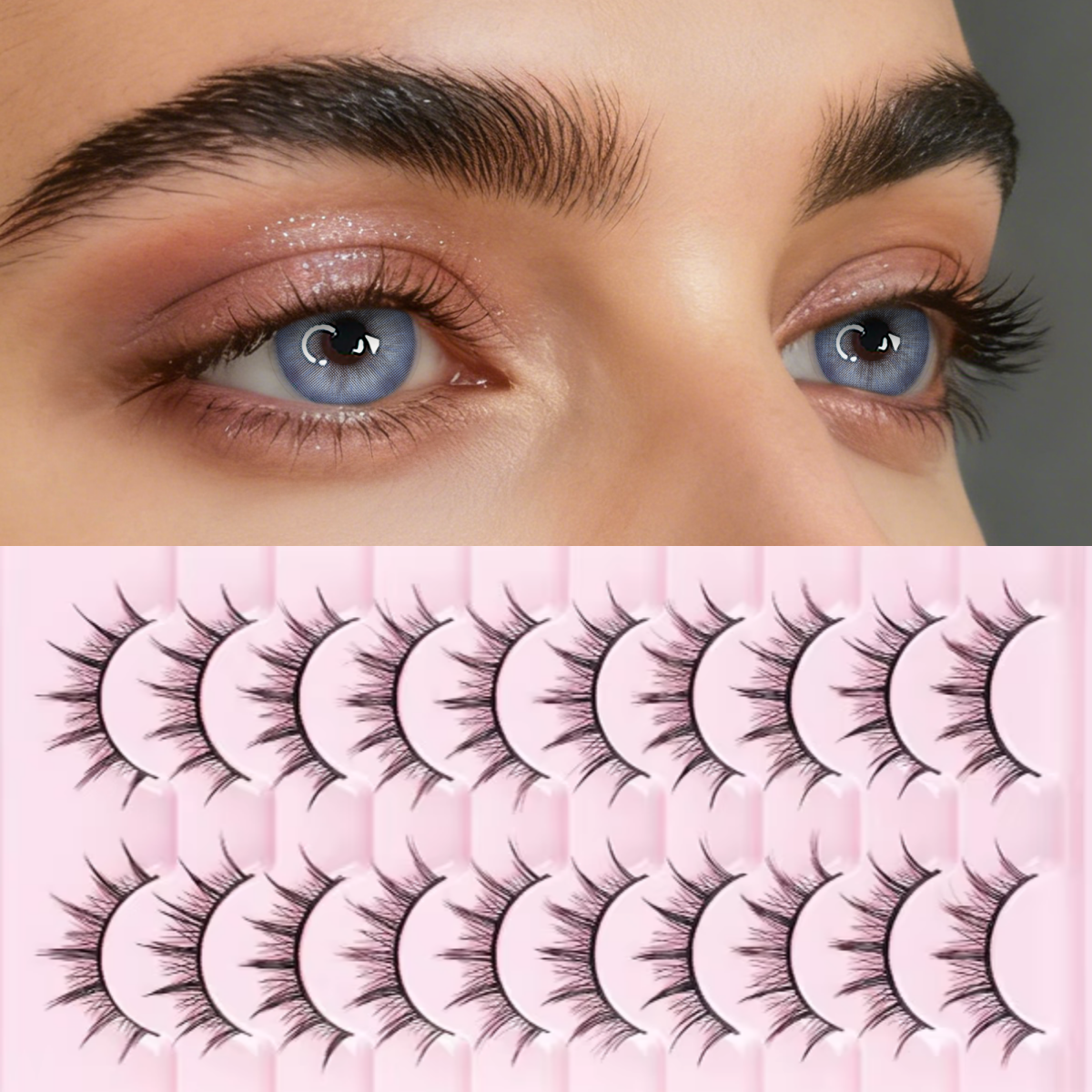
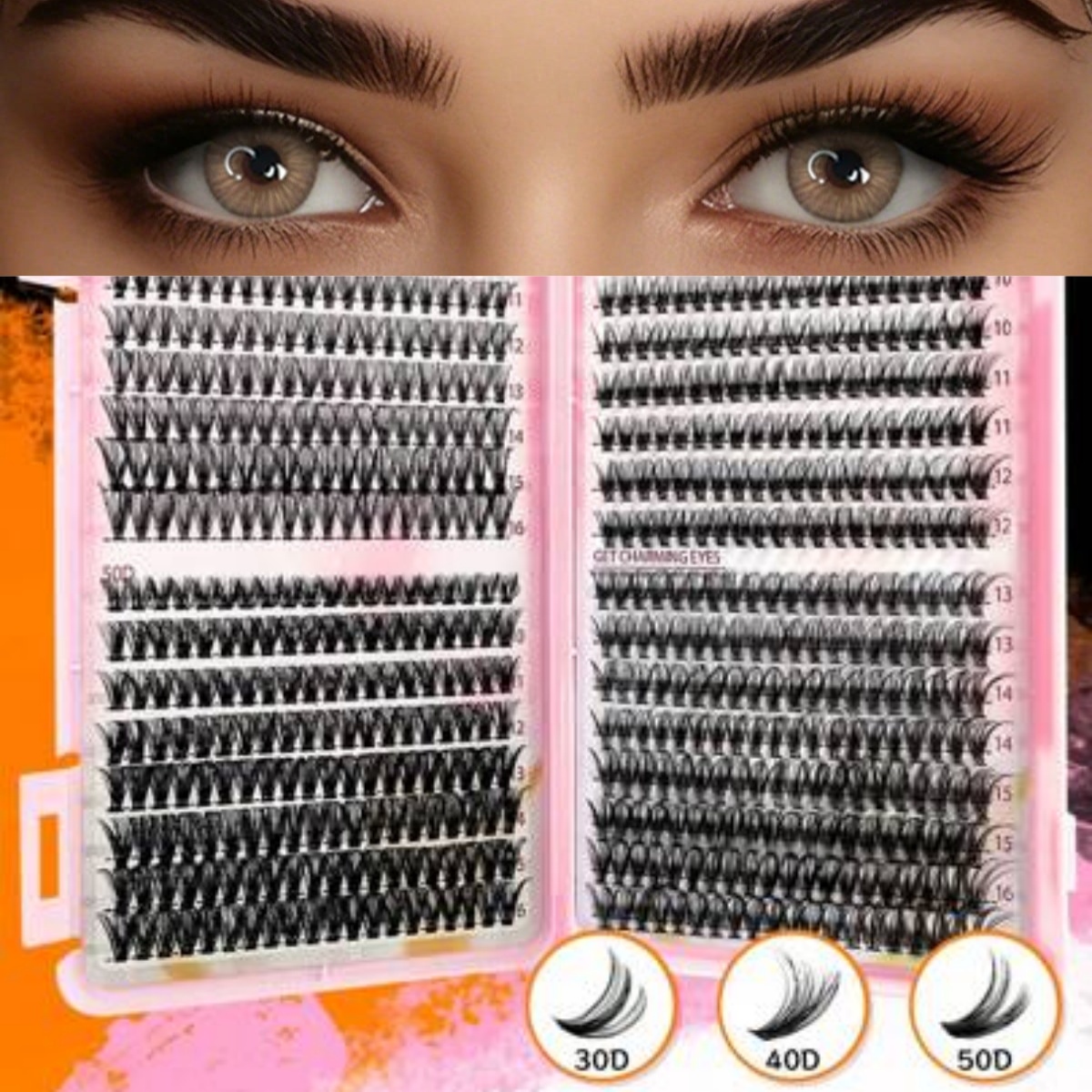
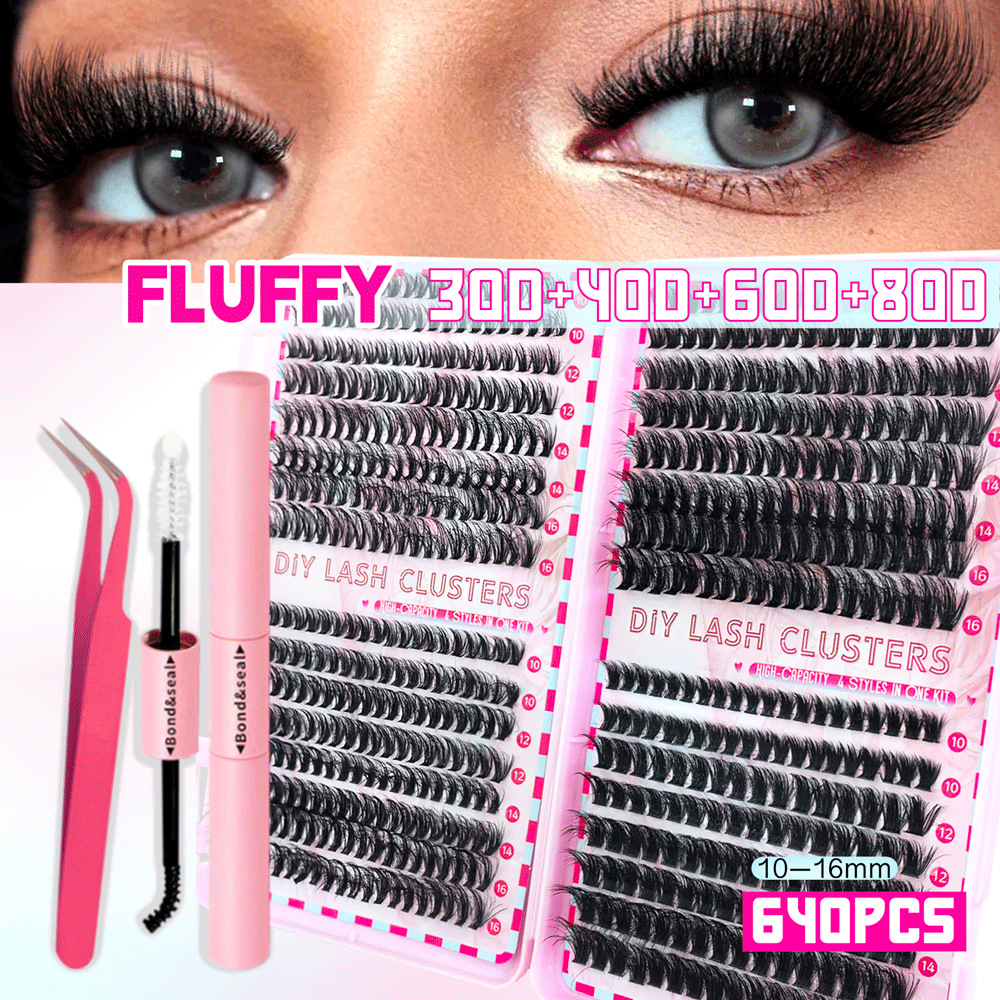
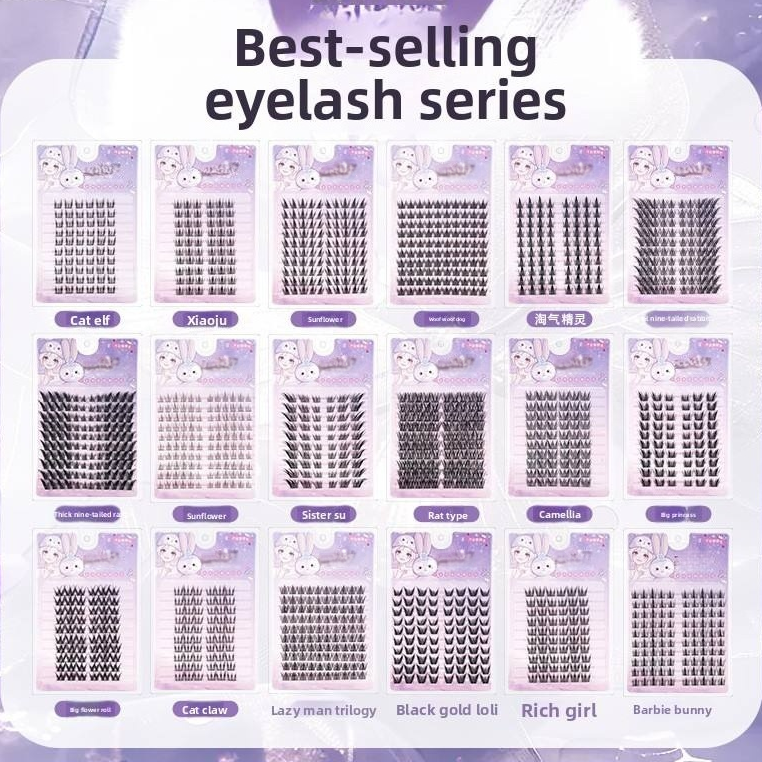
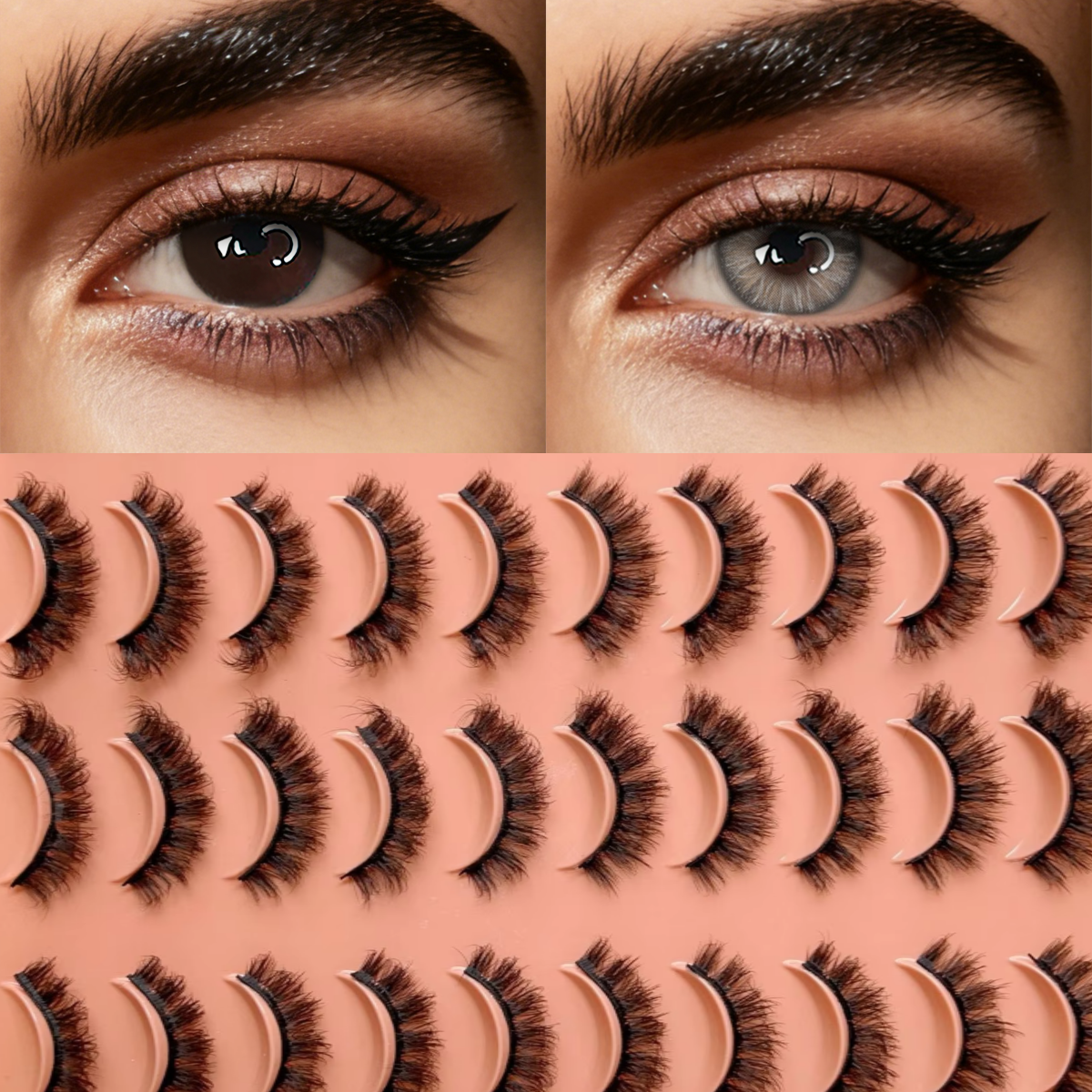
  • Integrated Multi-Category Beauty Bundling: As evidenced by current retail purchasing baskets, end-consumers increasingly purchase cosmetic lenses alongside matching volume false eyelashes, cluster lash kits, and contouring cosmetic accessories. Forward-thinking distributors are consolidating vendor rosters by sourcing their color lenses, specialized faux mink eyelashes, and branded rigid gift-box sets from unified, single-source manufacturing partners to reduce freight overhead and harmonize box aesthetics.

2. Material Specifications & Engineering Matrix

To assist technical sourcing teams during factory audit and bill-of-materials analysis, the following standard parametric framework summarizes the primary performance tiers manufactured within our facilities:

Product Modality Standard Diameter / BC Water Content Raw Material System Optical Power Availability Intended Regulatory Classification
1-Day Daily Disposable 14.0 mm – 14.2 mm / 8.6 mm 55% – 58% High Moisture HEMA / GMA Bio-Moist Matrix Plano (0.00) to -8.00 D US FDA Class II / CE 0123 Medical
Monthly Cosmetic Enhancer 14.2 mm – 14.5 mm / 8.6 mm 38% – 42% Low Evaporation HEMA Co-Polymer Non-Ionic Plano (0.00) to -10.00 D Medical Device Class IIb
Theatrical & FX Cosplay 14.5 mm – 14.8 mm / 8.6 mm 38% Hydrogel Core Multi-Layer Encapsulated Polymer Mainly Plano (0.00) Select Powers Medical Device Regulation (MDR)
Annual Replacement Series 14.0 mm – 14.5 mm / 8.6 mm 38% Resilient Hydrogel Ultra-Durable Poly-HEMA Formulation Plano (0.00) to -10.00 D ISO 13485 Compliant Export Line

3. Production Evolution: The End of Surface-Coated Lenses

A decade ago, inferior colored lenses were manufactured by screen printing or pad printing pigments directly onto the back or front surface of an existing clear lens. Clinical trials rapidly confirmed that surface pigments compromise lens wettability, induce mechanical corneal irritation, and harbor elevated risks of bacterial bio-burden adhering to irregular surface textures.

Our manufacturing philosophy relies exclusively on automated cast-molding sandwich technology. In this closed automation environment, medical-grade colorants are injected into the liquid monomer layer before polymerizing in ultraviolet and thermal curing tunnels. The color matrix becomes an integral, encapsulated internal component of the finished lens structure. The anterior and posterior optical surfaces remain mirror-smooth, biologically inert, and perfectly shaped for optimal tear-film exchange.
Procurement FAQ

Frequently Asked Questions for Wholesale & OEM Sourcing

Clear answers to technical, regulatory, and logistics inquiries from licensed distributors, optical store groups, and private label cosmetic entrepreneurs.

Are colored contact lenses considered cosmetics or regulated medical devices in international trade?
In virtually all established regulatory jurisdictions—including the United States (US FDA), the European Union (MDR 2017/745), the United Kingdom (MHRA), and Australia (TGA)—all contact lenses, whether containing corrective diopters or zero-power (plano) cosmetic colorants, are classified as Class II or Class IIb Medical Devices. They must never be imported as standard cosmetics. Importers must comply with local medical device clearance procedures, labeling obligations, and prescription verification requirements (such as the FTC Contact Lens Rule in the USA). We provide comprehensive technical dossiers to ensure smooth customs and legal entry.
What is the standard Minimum Order Quantity (MOQ) for stock designs vs. custom OEM branding?
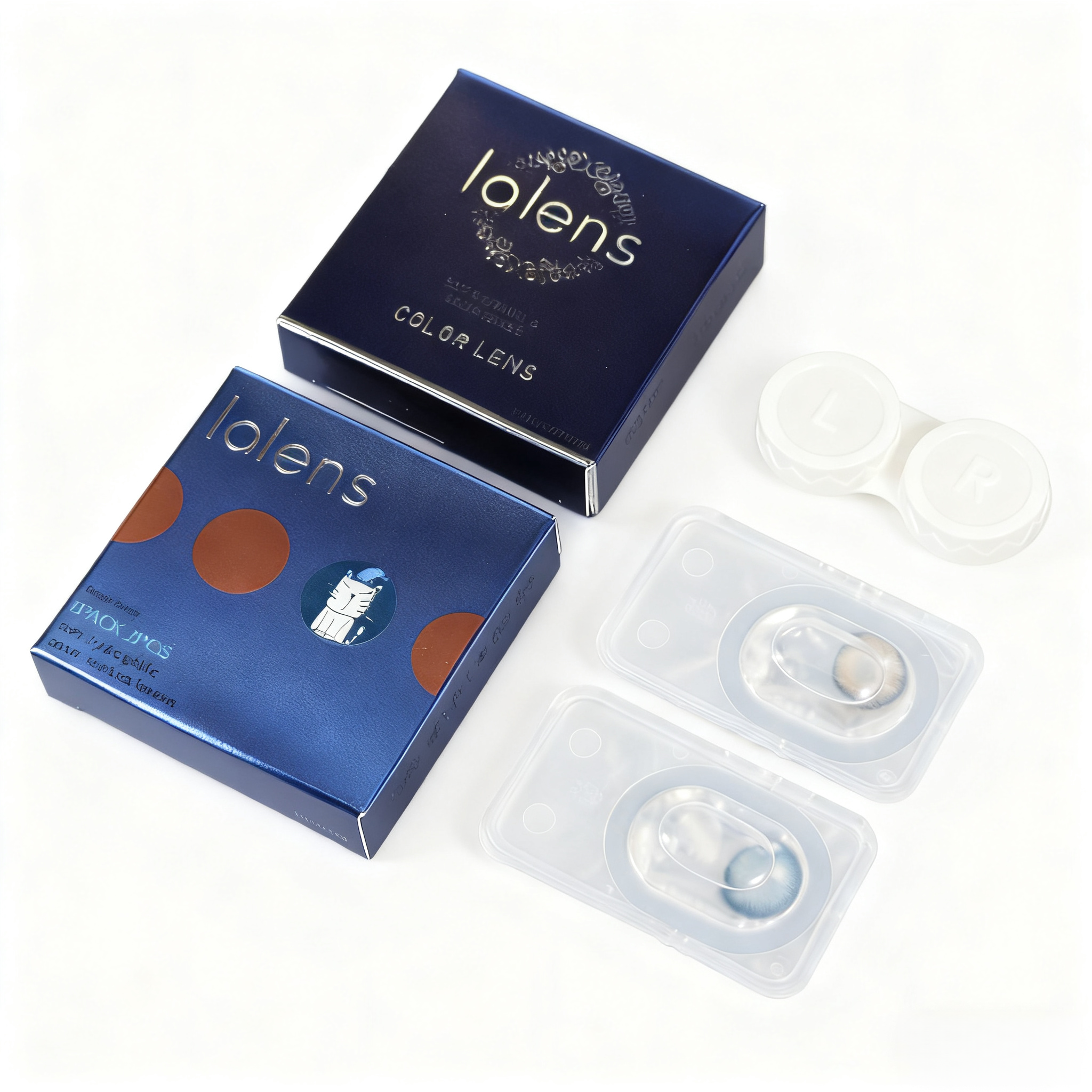
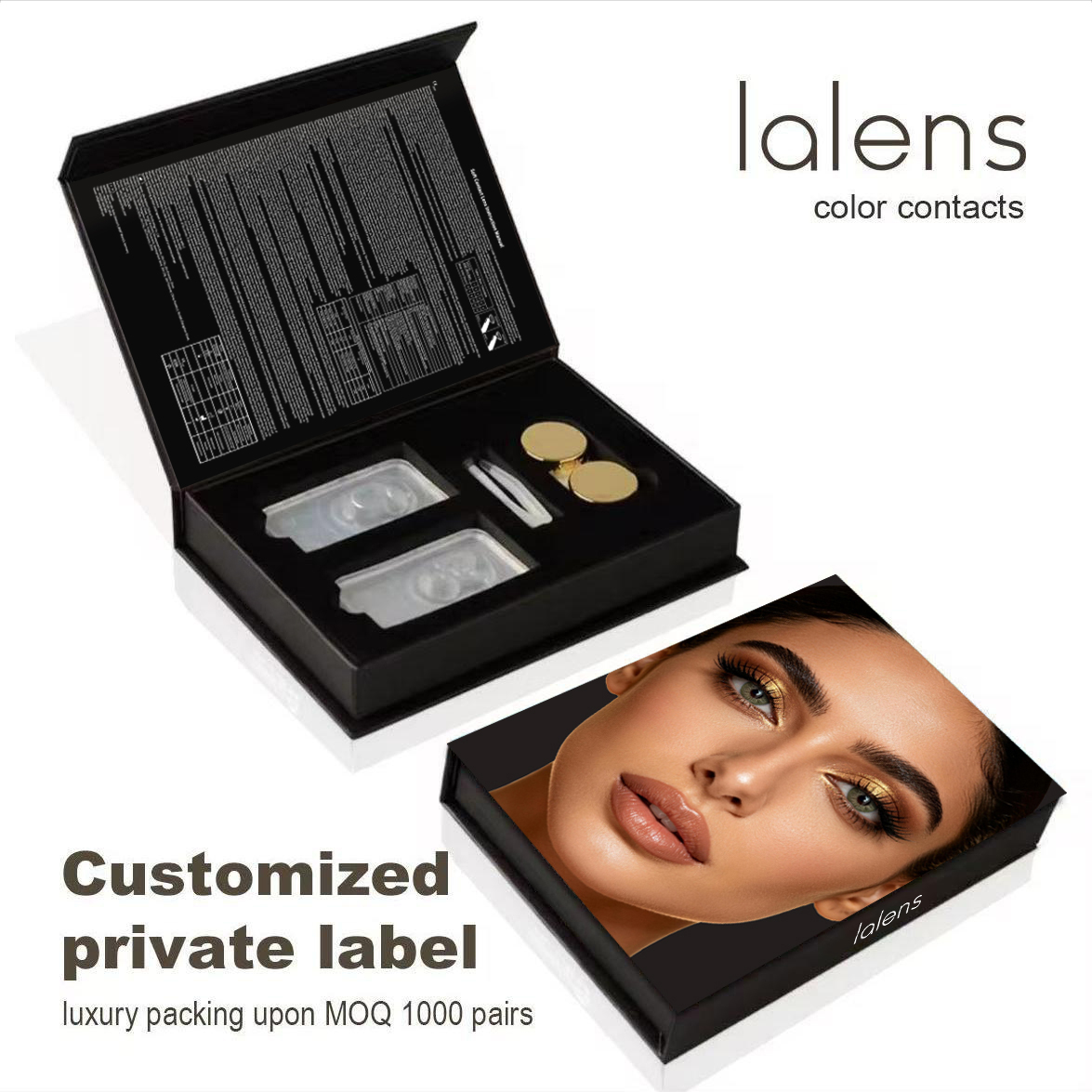
For in-stock catalog iris patterns bottled in neutral factory packaging, our minimum order quantity starts as low as 50 to 100 pairs per SKU, facilitating low-friction market testing. For customized private label OEM orders involving tailor-made foil blister backings, customized folding cardboard packaging with your brand trademarks, English barcode printing, and custom prescription power ranges, our typical entry MOQ is 1,000 pairs total, with accessible per-shade distribution tiers.
How do you guarantee color repeatability and prevent batch chromatic variations?
Chromatic stability is a common challenge for low-tier suppliers. At Shenzhen Lalens, we utilize automated computerized pigment blending systems alongside spectrophotometer validation for every ink batch. During production runs, lenses undergo microscopic optical overlay checks against physical Master Standard reference swatches under normalized D65 daylight viewing cabinets. This rigorous protocol prevents customer dissatisfaction caused by uncoordinated color tone shifts across repeat orders.
Can we co-pack contact lenses with false eyelashes and custom beauty boxes?
Yes. Our secondary packaging division specializes in turnkey kit assembly. We coordinate the production of blister-sealed lenses, matching faux mink eyelashes (such as our 6D synthetic or clear-band natural wispy series), eyelash applicators, contact lens cases, and protective rigid paperboard gift boxes. The entire beauty suite is inspected, serialized, shrink-wrapped, and prepared for retail display under one roof, substantially simplifying your procurement pipeline.
What are the standard sample dispatch and bulk production turnaround schedules?
Standard sample sets for in-stock patterns are prepared and dispatched via DHL, FedEx, or UPS express courier within 48 hours, typically arriving at US, European, or Australian corporate addresses within 5 to 8 business days. For customized OEM manufacturing campaigns, production lead time averages 25 to 35 calendar days following artwork confirmation and regulatory approval, followed by expedited air freight or cost-effective ocean cargo delivery.

Ready to Scale Your Contact Lens & Beauty Brand?

Connect directly with our senior OEM engineering and regulatory compliance team. Request physical testing samples, detailed technical compliance dossiers, and wholesale quotation tiers.

Send an Inquiry