Featured Optical & Cosmetic Procurement Solutions
Precision-engineered eye enhancement arrays and bespoke rigid presentation units direct from medical-grade cleanroom lines.
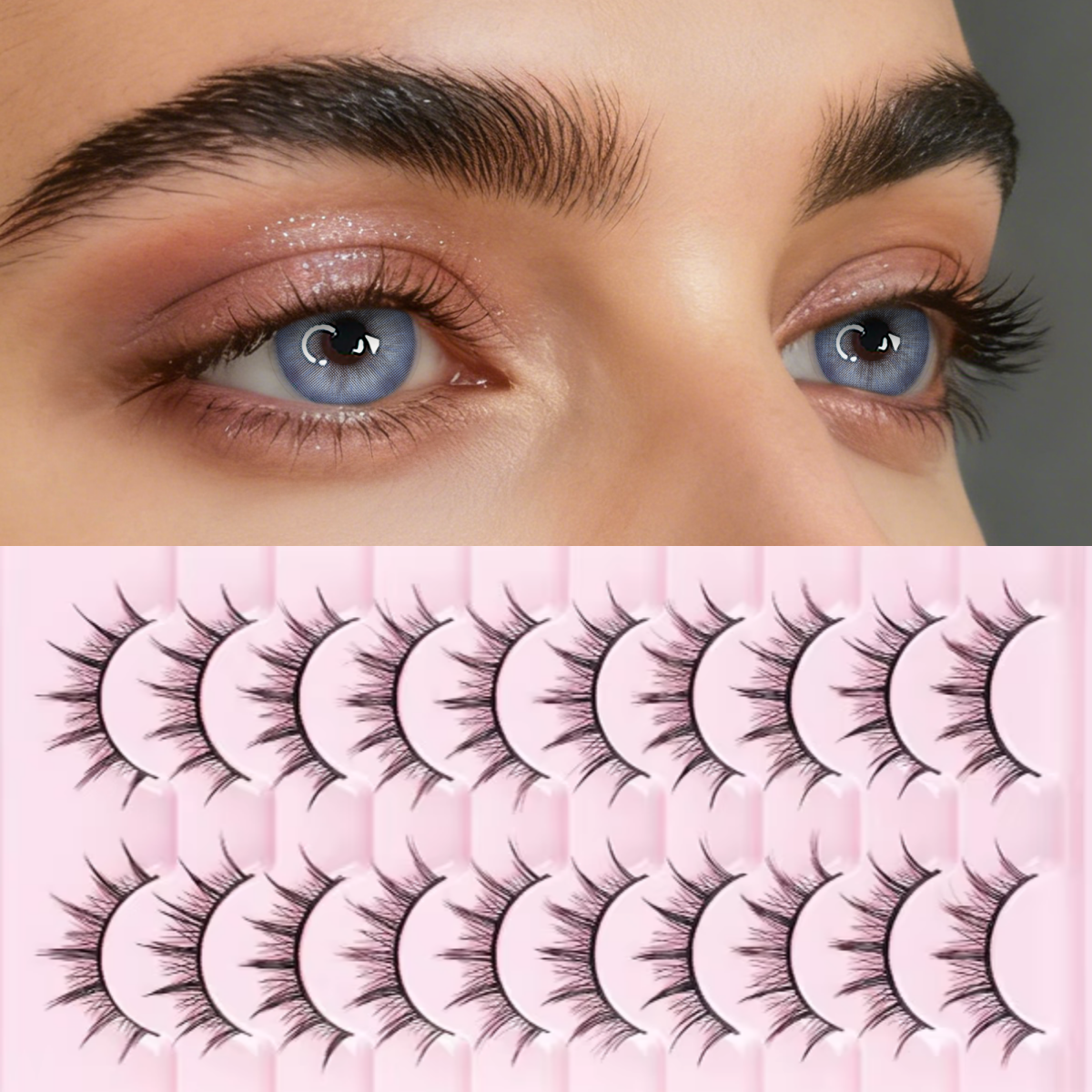
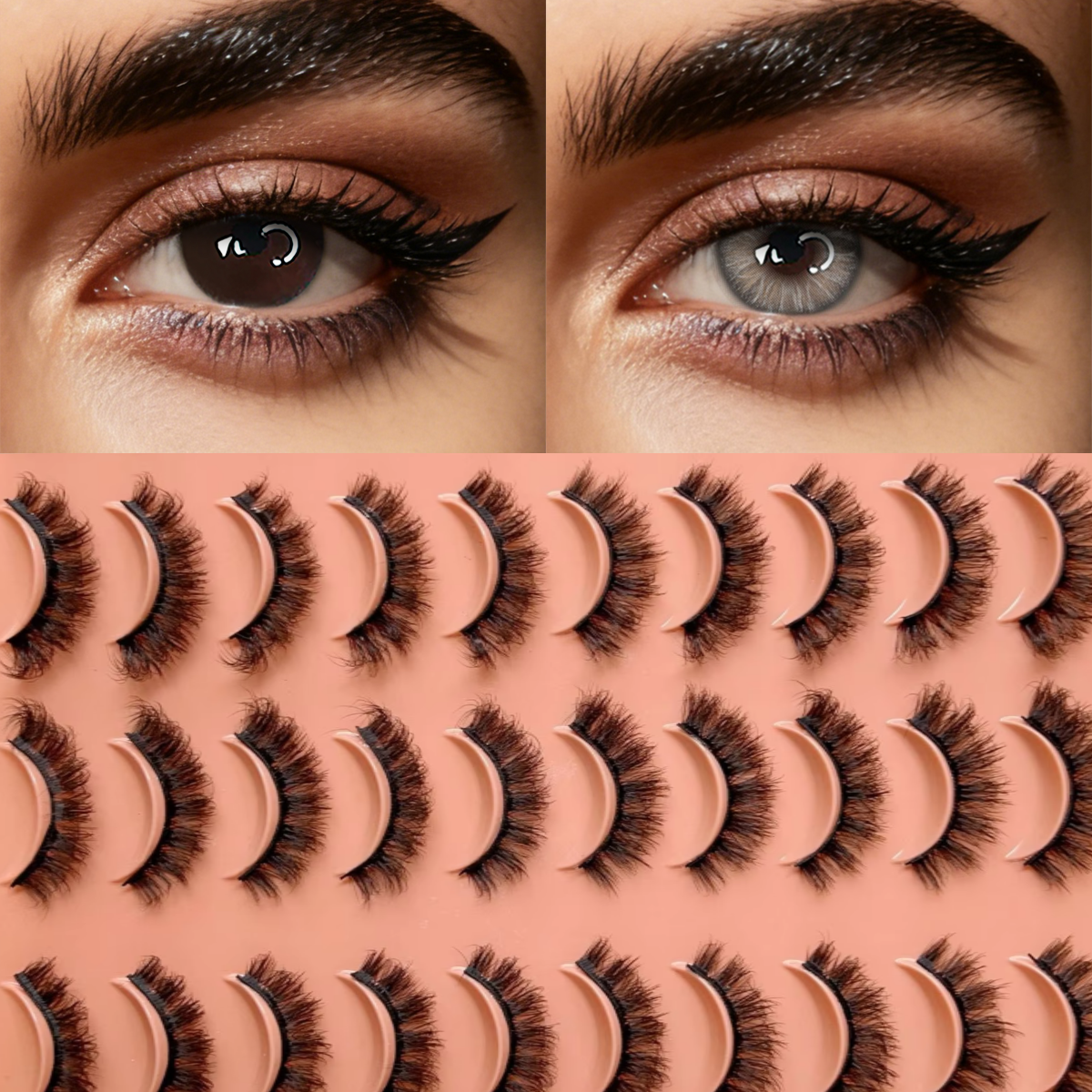
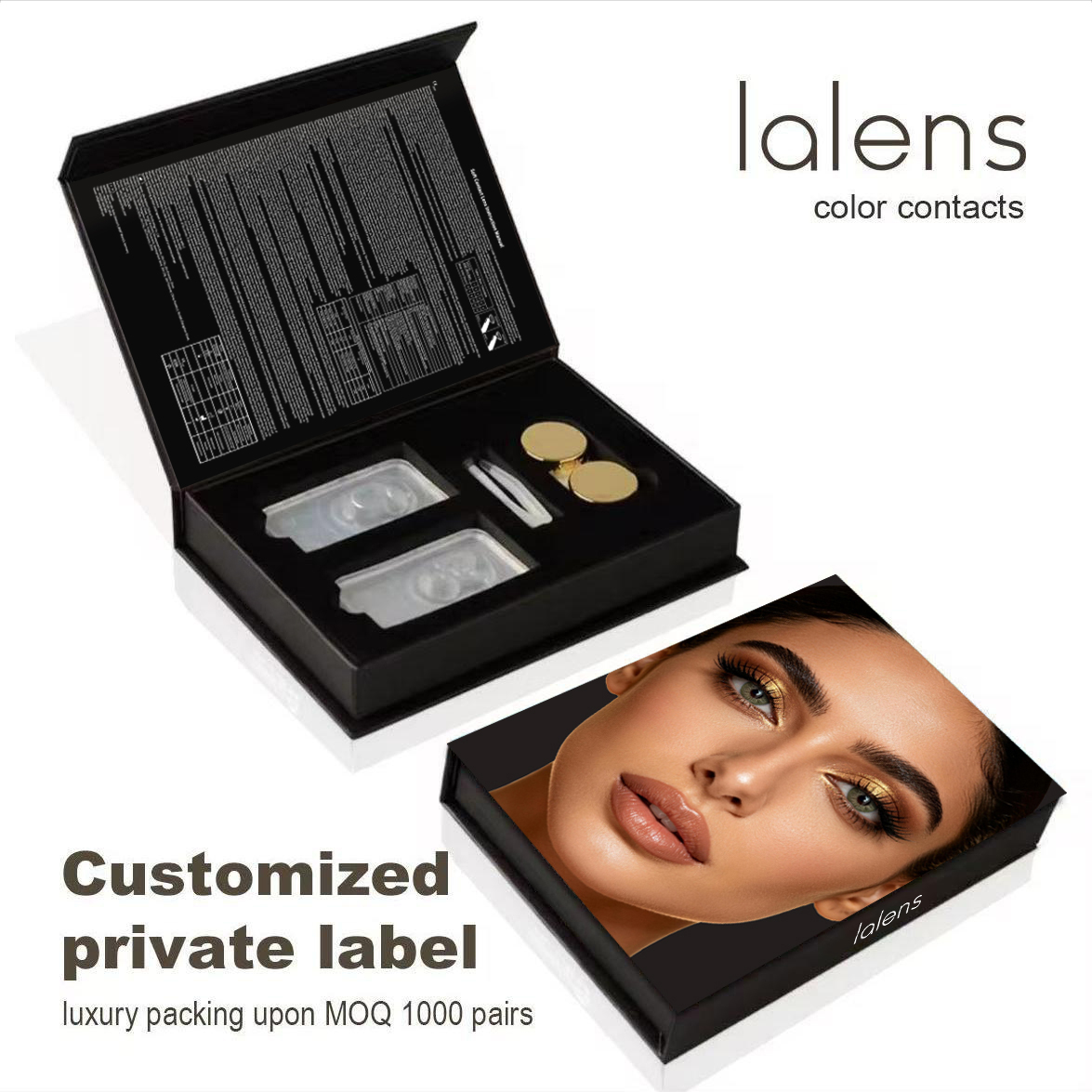
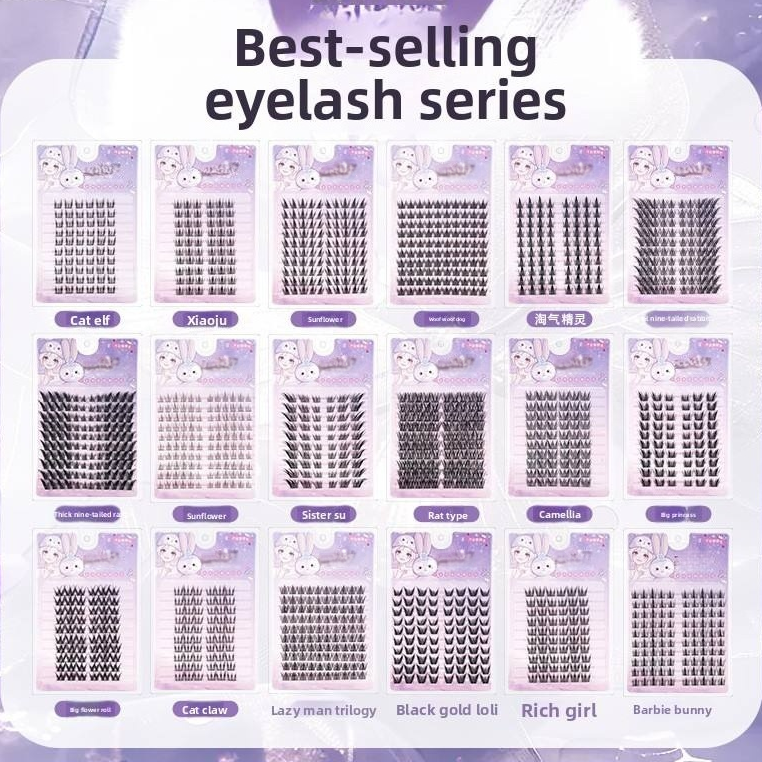
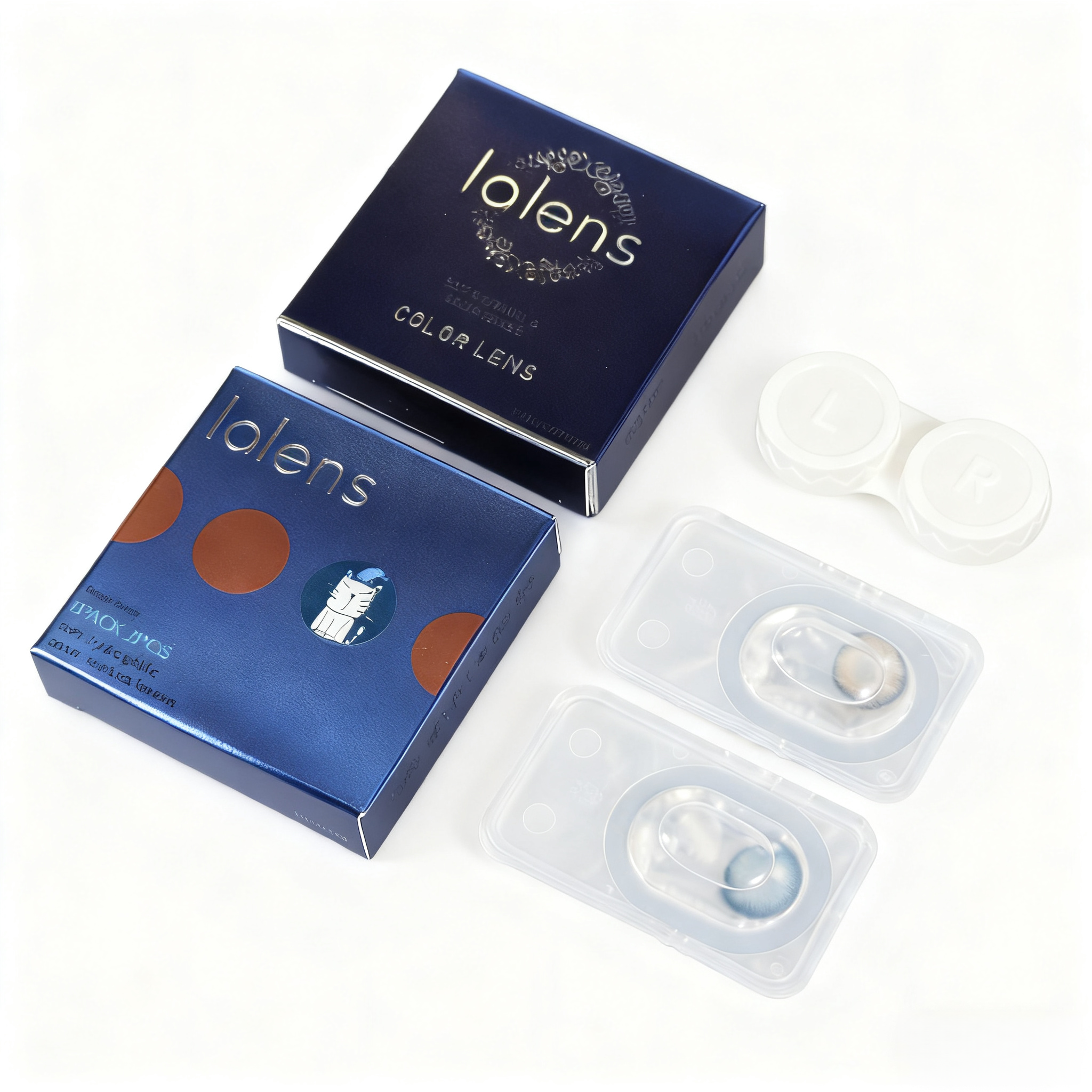
Turnkey Soft Contact Lens & Secondary Medical Packaging Ecosystem (ISO 13485 Verified)
Contact UsComprehensive Strategic Procurement Whitepaper: Sourcing Top Trusted Contact Lens Manufacturers
The international ophthalmic landscape is experiencing a paradigm shift driven by ocular health awareness, aesthetic consumerism, and strict regulatory enforcement. Operating as a premier contact lens brand supplier and manufacturer requires mastering biopolymer science, optical engineering, and global medical device regulations. Sourcing ocular contact devices is fundamentally distinct from procuring conventional consumer goods: every contact lens, whether vision-correcting or cosmetic plano, is classified as a regulated medical device by authorities such as the US Food and Drug Administration (FDA) and the European Medicines Agency (EMA).
Navigating this industry demands verified engineering credibility, manufacturing resilience, and complete lot traceability. With over 16 years of OEM/ODM leadership, Shenzhen Lalens Co., Ltd (Lalens Factory) provides an integrated supply model combining precision polymer chemistry, micro-encapsulation printing, cleanroom thermo-molding, and secondary rigid presentation packaging under one cohesive quality framework.
Industrial Structural Advantages: The Lalens Integrated Ecosystem
Sandwich Pigment Micro-Encapsulation
Patented double-coating layers completely seal organic pigments between biocompatible hydrogel strata, ensuring colorants never touch the corneal epithelium.
Class 100,000 Cleanroom Molding
Fully automated cast-molding lines operating under ISO 13485 standards, featuring automated optical power-mapping and sub-micron edge profiling.
Integrated Secondary Packaging
In-house manufacturing of rigid paperboard boxes, medical blister heat-sealing, and tamper-evident solutions matching strict UDI and FDA labeling mandates.
Technical Anatomy: Biocompatibility, Geometry, and Edge Design
A contact lens must balance aesthetic depth with corneal physiology. The human cornea is avascular, drawing oxygen directly from atmospheric exposure through the tear film. Premium contact lens manufacturing requires optimizing oxygen transmissibility (Dk/t), equilibrium water content (EWC), modulus of elasticity, and surface wettability.
Lalens formulations use high-grade 2-hydroxyethyl methacrylate (HEMA) and advanced hydrophilic silicone-hydrogel co-polymers. Our formulations feature calibrated water contents ranging from 38% to 55%, preventing tear film dehydration during extended wear. Advanced multi-aspheric edge designs promote tear exchange beneath the lens matrix during natural blinking cycles. This micro-fluidic circulation flushes cellular debris and supplies metabolic oxygen, minimizing corneal hypoxia and mechanical friction against the palpebral conjunctiva.
Forward-Looking Procurement Trends: 2026–2030 Roadmap
Global optical procurement heads, institutional distributor buyers, and direct-to-consumer ophthalmic brand managers must align their supply chains with upcoming material and compliance milestones:
🌐 1. High-Dk Silicone Hydrogel Migration
Procurement volumes are shifting decisively from conventional poly-HEMA hydrogels toward third-generation silicone-hydrogel matrices. These deliver Dk/t values exceeding 100 Fatt units, enabling extended daily wear without vascularization risks.
👁️ 2. Biomimetic Nano-Structured Iris Printing
Modern consumers demand natural color blending over flat dot matrices. Advanced three-tone dot dispersion, micro-perforated limbal rings, and variable light-reactive spectral refraction simulate real human iris stroma with micron-level accuracy.
📦 3. Sustainable & Regulatory-Integrated Packaging
Global regulations enforce Unique Device Identification (UDI) barcodes, 2D data-matrices, and tamper-evident blister seals. Simultaneously, secondary luxury rigid packaging is moving toward FSC-certified, biodegradable paperboard with anti-counterfeit micro-etching.
Development Trajectories: Next-Generation Ophthalmic Devices
The cosmetic and corrective contact lens sector is converging with therapeutic and digital eye-care technologies. Research pipelines are expanding into photochromic dynamic light filtering, active blue-light and HEV radiation blocking, and cyclodextrin-functionalized sustained-release drug delivery systems. For brand owners, establishing a direct partnership with an engineering-focused OEM supplier like Lalens Factory ensures continuous access to these technological innovations, long before they become mainstream market commodities.