Executive Sourcing Summary: The Ophthalmic Contact Lens Supply Chain
In global medical device procurement, soft contact lenses—spanning cosmetic color enhancers, daily corrective optics, and prosthetic costume lenses—occupy a strictly regulated category. Far beyond routine fast-moving consumer goods (FMCG), contact lenses directly interface with the human cornea, requiring exceptional biocompatibility, high oxygen transmissibility ($Dk/t$), precision base curves ($BC$), and microscopic edge profile consistency.
For brand directors, clinical optical chains, cross-border e-commerce groups, and specialty costume distributors, choosing a vetted contact lens supplier and OEM/ODM manufacturing factory represents a foundational risk management decision. Sourcing low-tier products manufactured with antiquated open-vat lathe-cutting or single-layer surface printing exposes businesses to devastating liabilities: corneal abrasion, microbial keratitis caused by Pseudomonas aeruginosa, severe pigment elution, and border seizures by regulatory bodies such as the United States Food and Drug Administration (FDA) or European Union Notified Bodies under Regulation (EU) 2017/745 (MDR).
This technical whitepaper deconstructs the clinical engineering architectures, factory production technologies, material sciences, and future market roadmaps required to source commercial ocular products at institutional volume.
Sandwich Pigment Encapsulation
Our patented automated cast-molding seals cosmetic color pigments securely between two micro-thin layers of poly-HEMA hydrogel. No dye particle ever touches corneal epithelium or palpebral conjunctiva, completely preventing allergic dye leaching.
Micro-Precision Cast Molding
Utilizing high-speed CNC-tooled optical molds with automated polymer dosing. Achieves razor-thin edge geometries (sub-0.06mm edge thickness) and reproducible base curves (8.6mm standard) with uniform optical power distribution across the optical zone.
Full Regulatory Conformity
Manufactured inside Class 100,000 cleanrooms adhering strictly to ISO 13485:2016 quality management systems. Complete master batch documentation, sterility validation (EN 556-1), cytotoxicity testing (ISO 10993-5), and FDA UDI tracking compliance.
Material Science & Chemical Architecture: Hydrogel vs. Silicone Hydrogel
When selecting a contact lens production partner, procurement teams must evaluate the underlying polymer formulations. Soft contact lenses are broadly divided into conventional hydrogels and modern silicone hydrogels:
- 2-Hydroxyethyl Methacrylate (poly-HEMA) Systems: The gold standard for cosmetic and decorative lenses. HEMA polymers typically balance water contents between 38% and 42%. Water content in poly-HEMA dictates oxygen permeability via fluid phase diffusion. At 38% water content, the lens exhibits low dehydration rates, exceptional tensile strength during handling, and optimal structural stability for complex multi-tone iris printing.
- N-Vinylpyrrolidone (NVP) Copolymers: Incorporated to yield higher water content systems (55%–58%). These polymers bind free water molecules tightly, creating extended hydration envelopes suitable for sensitive wearers, though requiring precise edge stabilization to avoid lens curling.
- Fluoro-Silicone Hydrogels (SiHy): The pinnacle of modern optical transmissibility, integrating siloxane macromers to allow direct oxygen diffusion through polymer channels rather than fluid water alone. Dk ratings climb from 8.5–12 barrers (conventional hydrogel) up to 80–120+ barrers, eliminating hypoxia during long daily wear cycles.
| Polymer Matrix Category | Water Content (%) | Oxygen Permeability (Dk) | Tensile Modulus (MPa) | Primary B2B Application | Recommended Replacement |
|---|---|---|---|---|---|
| Standard HEMA 38% | 38% ± 2% | 9.5 × 10⁻¹¹ | 0.45 – 0.55 | Cosmetic Colors, Sclera, Halloween FX | Monthly / Yearly |
| Hydrophilic HEMA-NVP | 42% ± 2% | 12.0 × 10⁻¹¹ | 0.40 – 0.50 | Natural Tri-Tone Iris Enhancers | Monthly / Daily Disposable |
| High-Hydration Copolymer | 55% ± 2% | 20.0 × 10⁻¹¹ | 0.35 – 0.42 | Everyday Clear & Subtle Comfort Color | 1-Day Disposable |
| Medical Silicone Hydrogel | 45% – 48% | 90.0 × 10⁻¹¹+ | 0.60 – 0.75 | High-Performance Corrective & Premium Tone | Bi-Weekly / Monthly |
Enterprise Advantages: Lalens Factory (Shenzhen Lalens Co., Ltd)
With 16 continuous years of ophthalmic manufacturing, Shenzhen Lalens Co., Ltd has established an integrated industrial framework engineered to solve the friction points of international lens brands:
- Direct Production Accountability: We are a primary manufacturing facility, not an export broker or third-party packager. Monomer blending, micro-injection mold pressing, pad-printing, automated blister saline packaging, autoclave thermal sterilization (121°C for 20 minutes under saturated steam pressure), and secondary rigid box packaging occur in a single unified production line.
- Unrivaled Chromatic Stability: The primary failure point in decorative contact lens reorders is batch-to-batch color shifting. Our digital colorimetry and densitometry inspection systems ensure that a Hazel, Glacier Gray, or Emerald Green ordered in Q1 matches the exact Pantone and optical dot matrix coordinates in Q4.
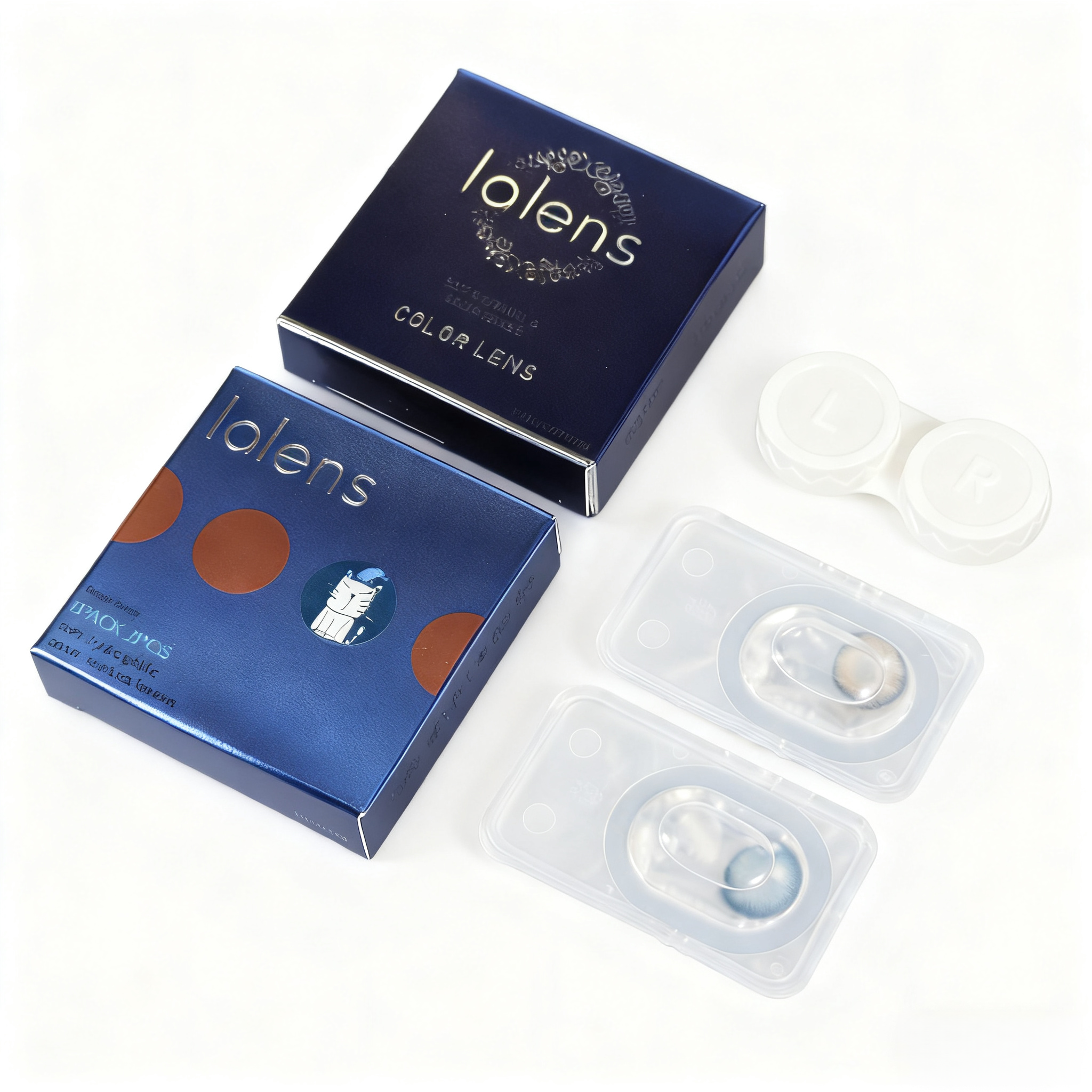
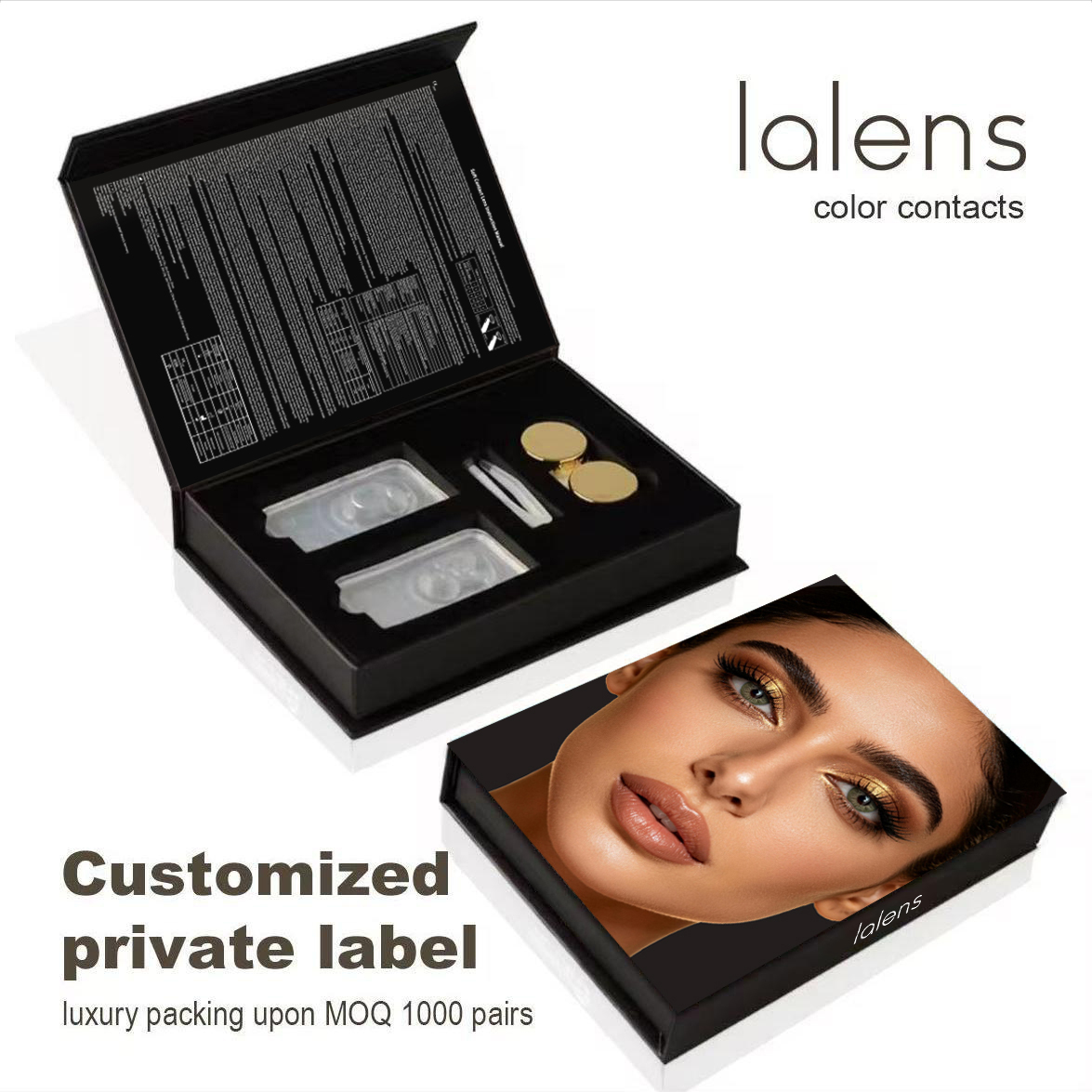
- Complete Private Label Tooling: We provide comprehensive OEM/ODM packaging engineering. As demonstrated by our custom rigid paperboard boxes and printed blister packs, we build custom dies, holographic anti-counterfeiting foils, multilingual instruction for use (IFU) leaflets, and unique device identification (UDI) barcoding tailored for direct retail distribution.
- Global Logistics & Regulatory Alignment: Our compliance team handles product technical dossiers, biocompatibility assays (ISO 10993), stability test data (accelerated and real-time aging under ambient conditions), and certified air/ocean DDP consignments directly clearing through major international logistics hubs.
Future Procurement Trends (2025–2030): Strategic Market Forecasting
The global contact lens market is projected to expand beyond USD 15.5 billion by 2030, driven by the convergence of refractive vision correction with expressive beauty aesthetics. Institutional buyers must align their catalog pipelines with four transformative purchasing shifts:
Daily Disposable Dominance
Sanitary awareness and convenience have triggered massive migration from yearly vials to single-use daily blisters. Daily disposables eliminate lens cases and cleaning solutions, dramatically lowering corneal infection risks.
Silicone Hydrogel Color Adoption
Advancements in surface-wetting and plasma-grafting technologies are finally allowing colored pigments to be embedded into silicone hydrogels without compromising oxygen permeability or lipid resistance.
Hybrid Pupil Apertures
Next-generation cosmetic lenses feature enlarged clear optical centers (5.5mm+) to prevent peripheral tunnel vision or haloing during low-light dilation, specifically targeting younger demographic screen users.
Eco-Blister Medical Packaging
Global brands are phasing out heavy PVC blisters in favor of recyclable polypropylene (PP) strips and sustainably sourced, FSC-certified unbleached folding boxboards with soy-based ink printing.
Technology Roadmap: Next-Gen Optical & Manufacturing Developments
The future of contact lens manufacturing leverages cutting-edge micro-optics and biotechnology:
1. Digital Iris Topography & Nano-Drop Jet Printing: Moving beyond mechanical pad printing, factories are integrating industrial high-definition piezoelectric printheads capable of 2400 DPI photorealistic iris replication. This enables true micro-gradient transitions that seamlessly blend with dark natural eye colors.
2. Ocular Biometric Moisture Binding: Interpenetrating polymer networks (IPN) that embed hyaluronic acid (HA) or polyquaternium polymers directly into the HEMA matrix. The wetting agent stays bound for up to 16 hours of continuous wear without stripping the eye's natural mucin layer.
3. Spectral Filtering & Photoprotective Optics: Class 1 UV blocking (blocking >90% UVA and >99% UVB) combined with selective blue-violet light attenuation (400–450nm) integrated directly into the polymer matrix without yellowing the aesthetic visual color tone.
Professional B2B Sourcing FAQ: Critical Regulatory & Factory Guidance
Are plano (zero-power) decorative contact lenses classified as medical devices?
Yes. Under the US Food and Drug Administration (FDA) regulations (21 CFR 886.5925), the European Union Medical Device Regulation (EU MDR 2017/745 Annex XVI), and China NMPA Class III classifications, all contact lenses are medical devices regardless of whether they correct refractive error or are purely cosmetic. In the United States, distributing plano lenses without prescription verification violates the FTC Contact Lens Rule. Lalens Factory provides all required Rx-only labeling and compliant packaging assets to ensure legal compliance.
What is the minimum order quantity (MOQ) for custom private label OEM contact lenses?
For stock catalog patterns with standard blister packaging, our wholesale MOQ begins at 100 pairs per design. For fully customized private label programs—including bespoke iris pad-printing plates, customized aluminum-sealed PP blister foils, branded rigid presentation boxes, and barcode localization—the production threshold typically begins at 1,000 pairs per SKU.
How do you guarantee that colored pigments do not leach into the eye?
We utilize an automated 3-layer sandwich casting technique. The decorative pigments (non-toxic medical-grade iron oxides, titanium dioxide, and phthalocyanine dyes) are printed onto an initial hydrogel base coat, and then locked under an ultra-thin polymer protective barrier before full ultraviolet/thermal curing. Swab friction testing and organic solvent extraction assays are executed on every production batch to verify complete pigment lock.
What lead times and shipping terms (Incoterms) can institutional buyers expect?
Standard catalog stock orders dispatch within 48 to 72 hours. Custom OEM private label manufacturing cycles typically require 25 to 35 business days from final digital dieline and packaging proof approval. Express sample delivery via DHL, FedEx, or UPS arrives in 5 to 8 business days. For volume bulk orders, we support EXW, FOB Shenzhen/Hong Kong, and complete DDP (Delivered Duty Paid) door-to-door delivery with customs pre-clearance.
Can your factory supply complementary cosmetic eye products such as eyelashes and packaging?
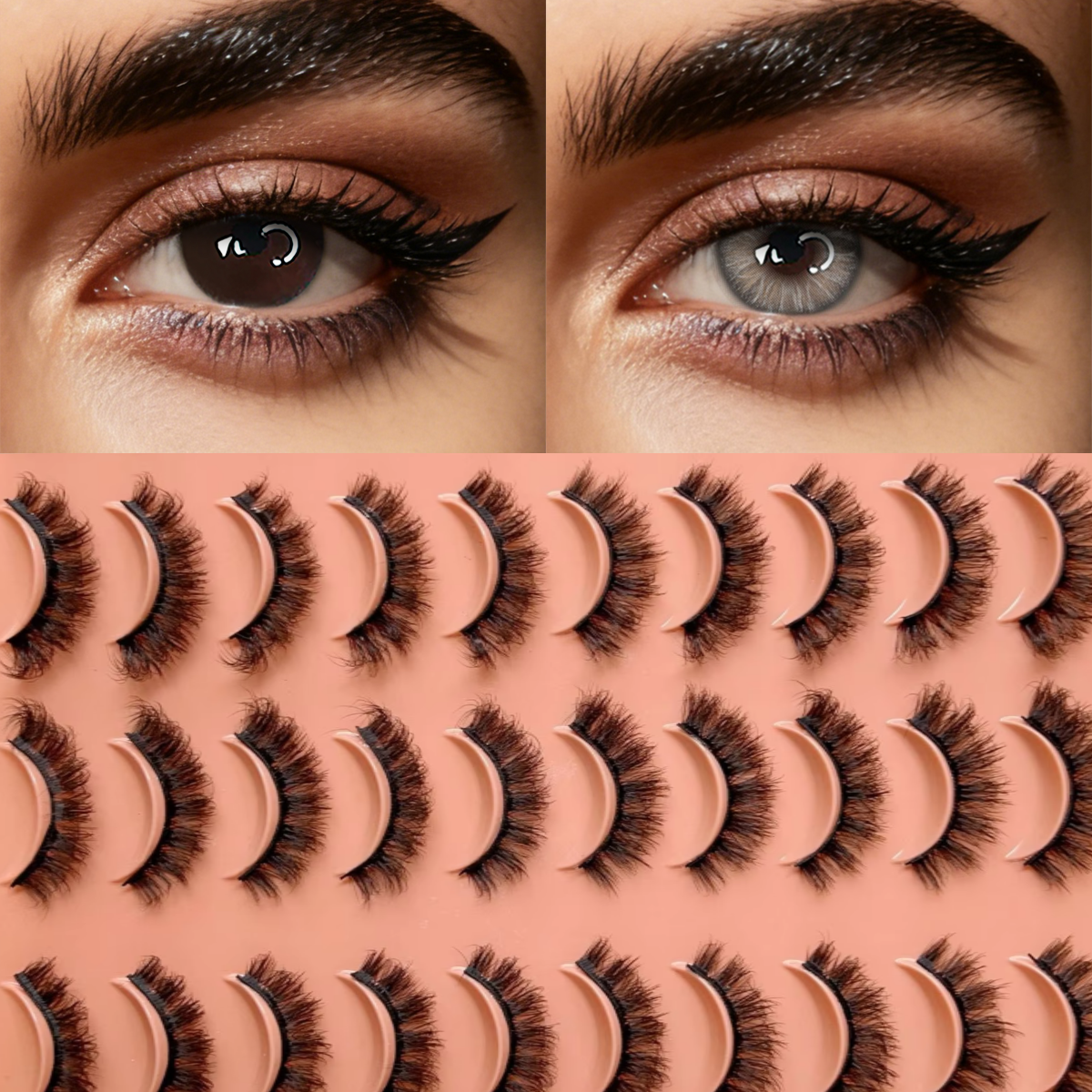
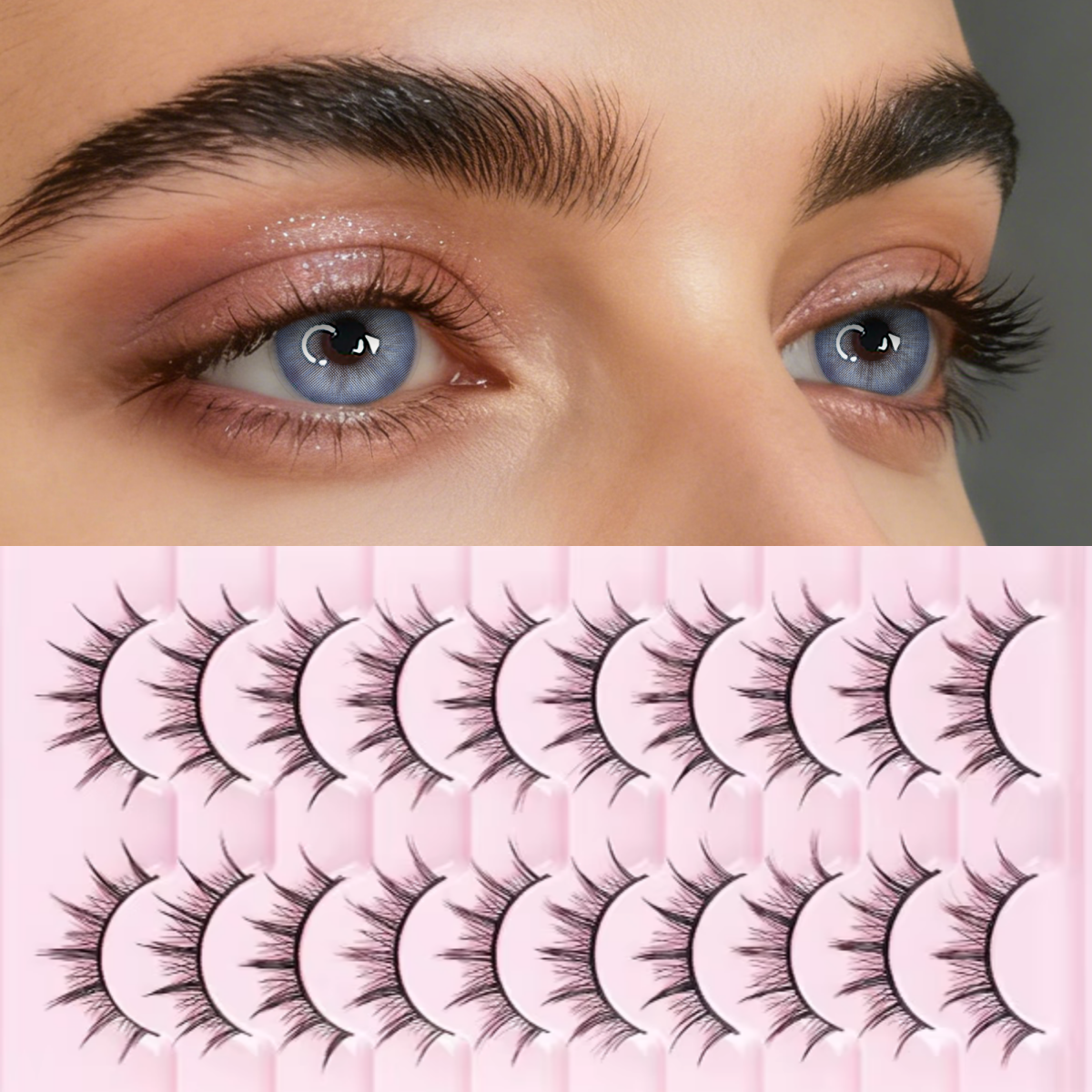
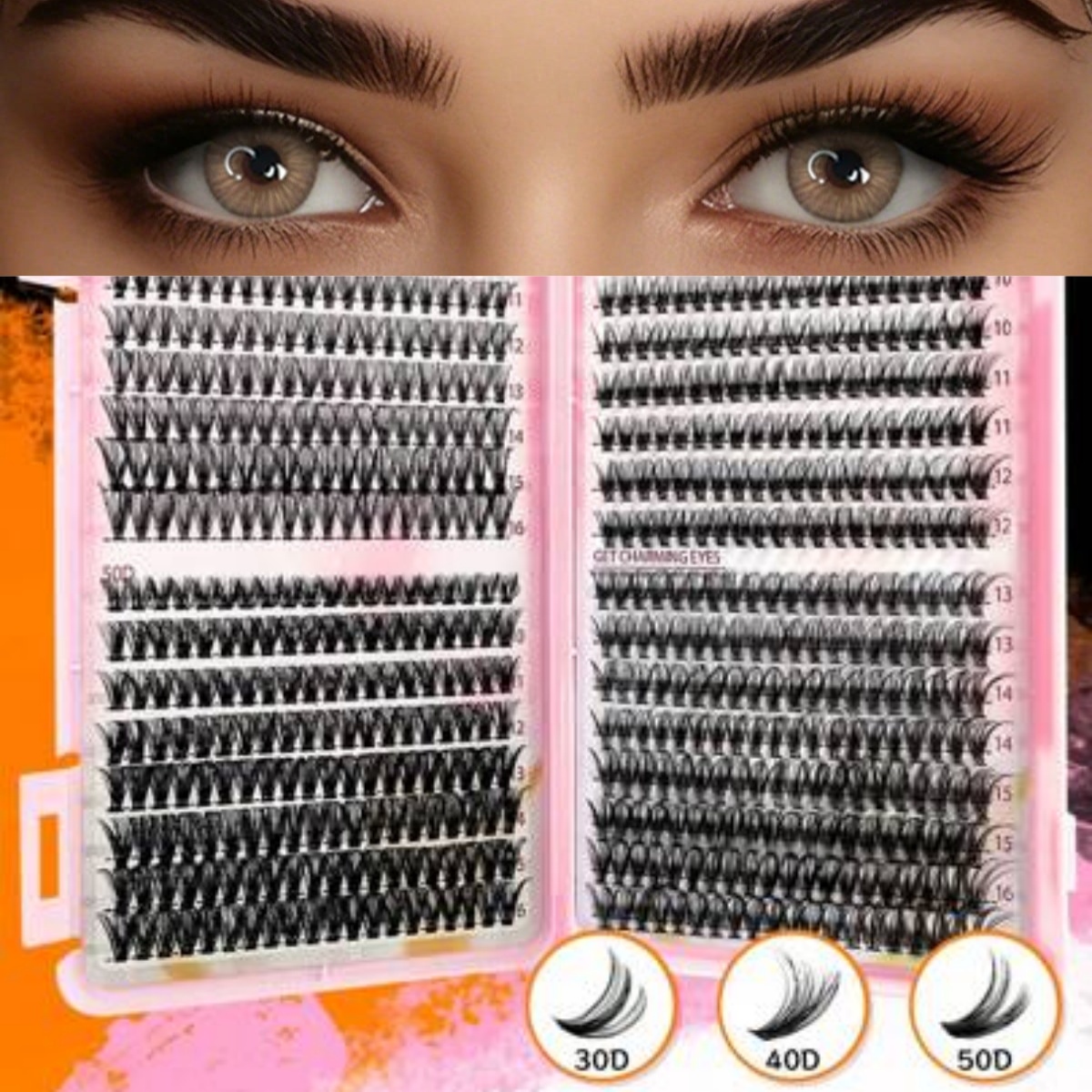
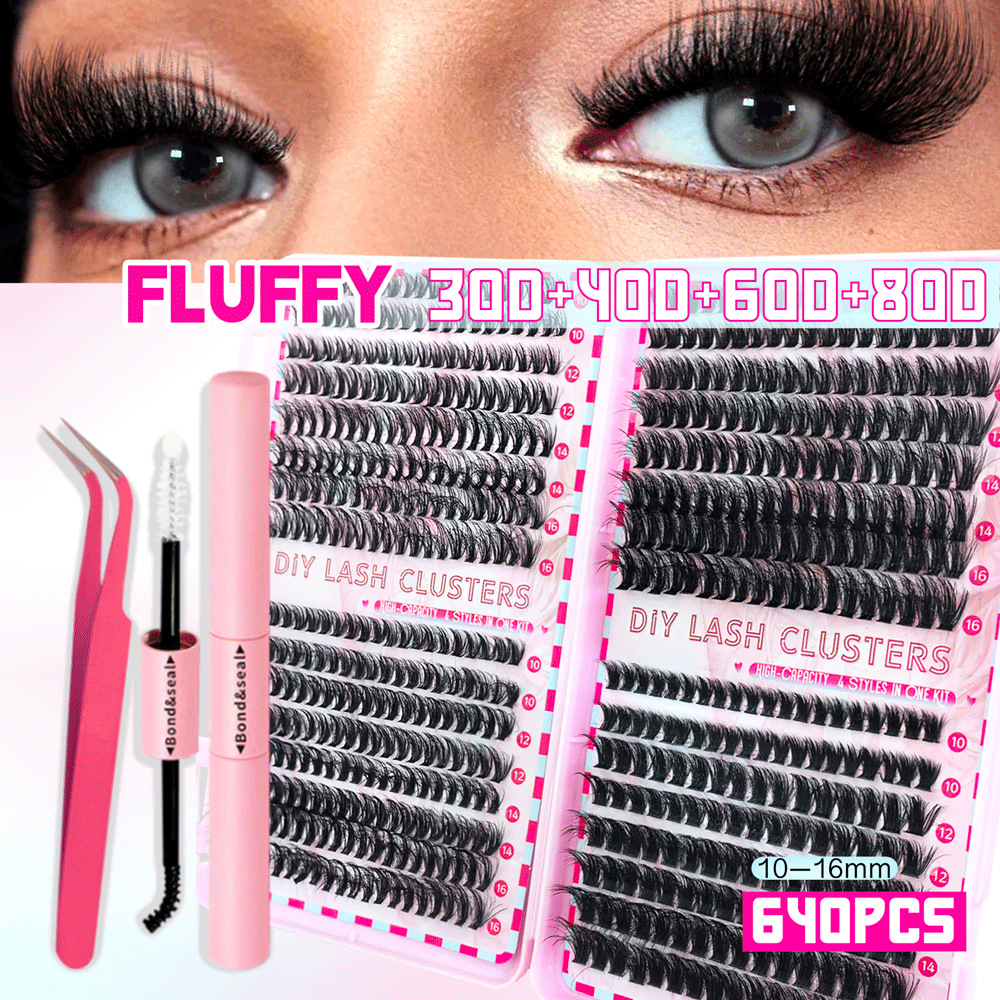
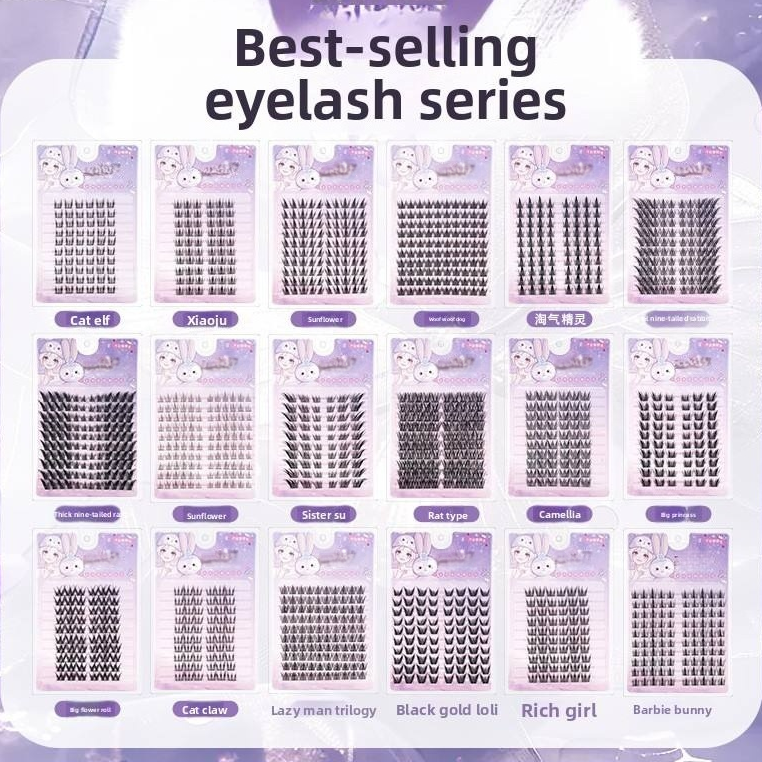
Yes. Many of our premier distributor partners operate complete eye beauty brands. In addition to primary contact lens production, we manufacture custom rigid paperboard packaging, specialized blister containers, and premium synthetic/mink eyelashes (including glue-free and clear band series), allowing buyers to consolidate vendor management, lower freight overhead, and launch unified collections.