1. Medical-Grade Engineering: The Tri-Layer Encapsulation Standard
In global cosmetic optics, the primary barrier between a low-cost, risky supplier and a sustainable medical device enterprise is the proprietary printing and encapsulation process. Low-tier manufacturers print chromatic pigments directly onto polymer surfaces, risking microscopic dye flaking, physical epithelial micro-abrasions, and severe ocular inflammatory responses. At Shenzhen Lalens Co., Ltd, each colored lens is produced via an advanced sandwich bio-molding methodology.
During this high-precision cast molding sequence, high-purity inorganic cosmetic pigments are embedded strictly within twin layers of 2-hydroxyethyl methacrylate (poly-HEMA) hydrogel. The micro-pigment matrix remains completely hermetic and isolated from the user's corneal surface and palpebral conjunctiva. The outer contact surfaces maintain unbroken wettability, homogeneous lubricity, and high oxygen permeability (Dk/t values), allowing our global distributors to pass FDA and CE toxicological assessments without dye migration warnings.
Corneal Safety Isolation
100% micro-encapsulated color matrix preventing chemical migration, dye leaching, or surface friction against delicate ocular tissues.
Stable Moisture Retention
Water content spectrums (38%–55%) engineered to match regional tear turnover dynamics, eliminating dry eye symptoms during all-day wear.
Optically Centered Clear Zones
Strict concentricity verification guaranteeing a minimum 5.5mm crystal clear pupillary aperture for uncompromised visual fields in low-light environments.
Market Intelligence
2. Product Development Trends: Next-Generation Cosmetic Optics
The cosmetic lens landscape is shifting from heavy, opaque limbal rings to photorealistic, multi-dimensional iris replicas and specialized hydrogel substrates. Procurement executives must align their supply lines with three critical developments:
A. Hyper-Natural Multi-Tone Micro-Dots
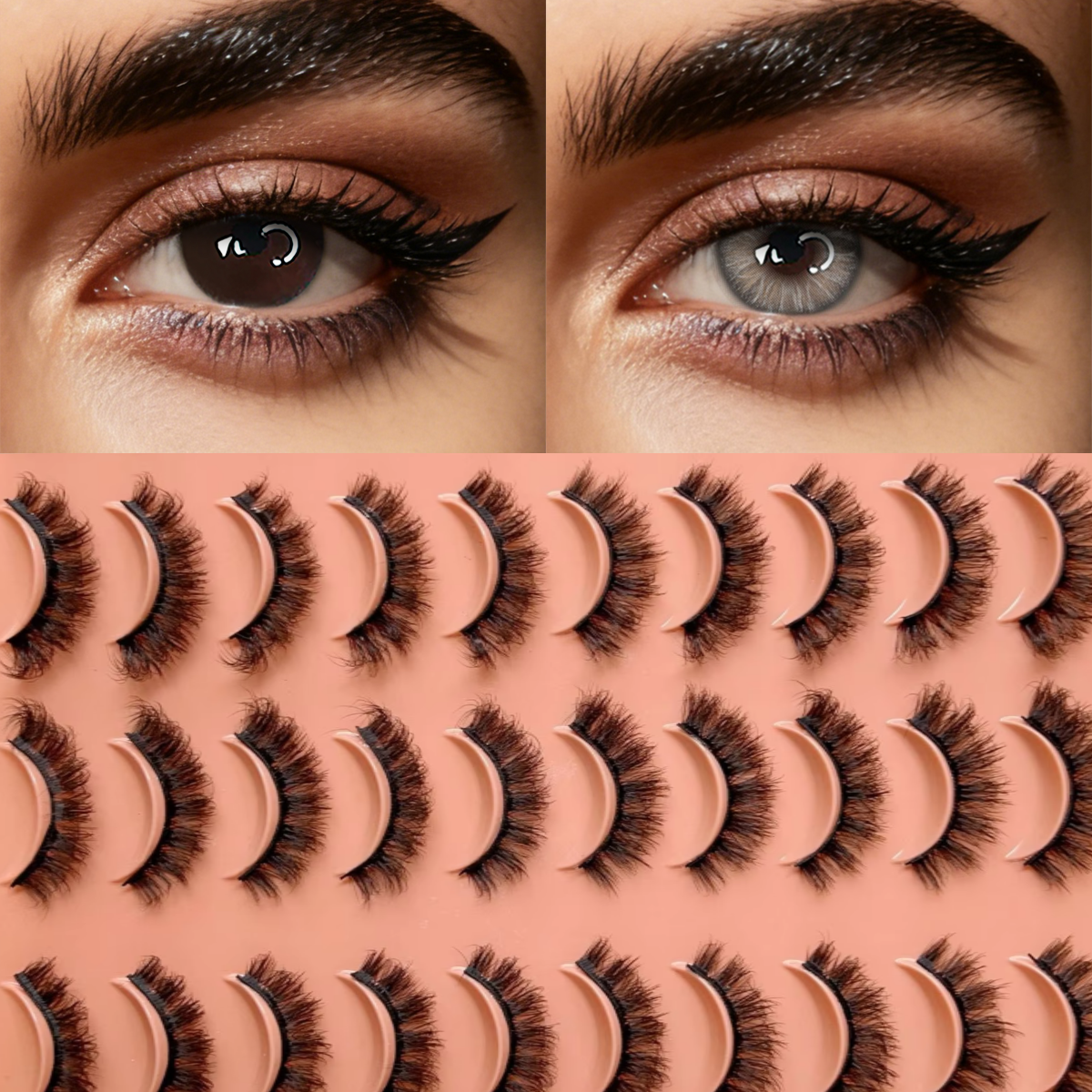
Consumer demographics across North America and Western Europe have largely moved away from high-contrast cosplay aesthetics for everyday cosmetic routines. Current demand is dominated by 3-tone and 4-tone gradient iris matrices featuring micro-stippling algorithms. These designs replicate natural stromal striations, radial furrows, and pupillary collarettes, creating natural enhancement even over deep brown irises.
B. Shift Toward Shorter Replacement Cycles
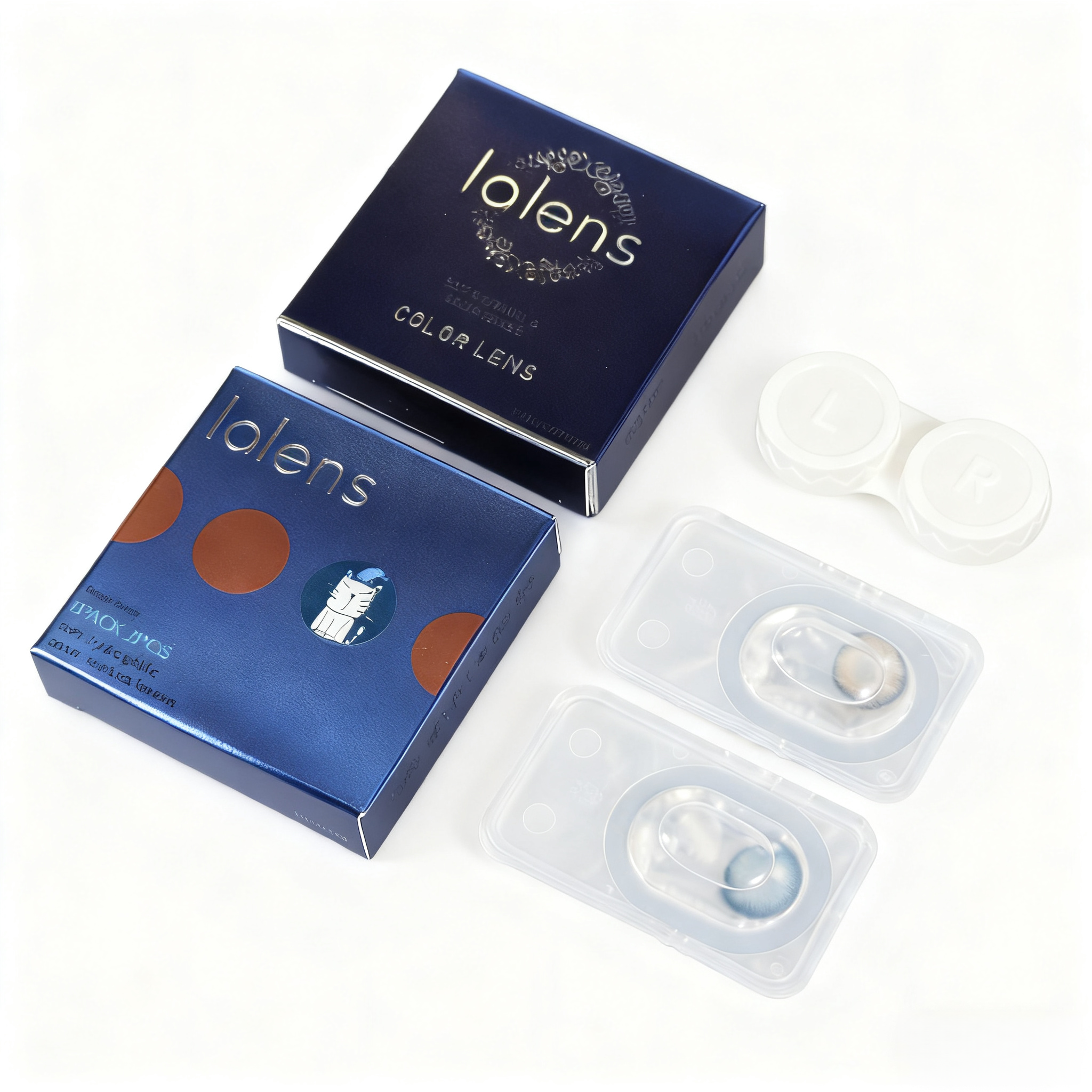
While annual replacement vials continue to command strong margins in emerging distribution corridors, mature retail channels are migrating toward Daily Disposable (1-Day) and Monthly (30-Day) blister configurations. Driven by health awareness and corneal oxygenation priorities, daily disposables eliminate the need for cleaning solutions and enzyme tablets, yielding significantly higher customer reorder lifetime values (LTV).
C. High-Transmissibility Silicone Hydrogel Integration
Next-gen colored lenses are incorporating silicone hydrogel monomers into their formulation suites. This technological shift achieves oxygen permeability (Dk) ratings beyond 80x10-11, drastically surpassing conventional HEMA polymers while maintaining stable wetting angles through internal hydrophilic polyvinylpyrrolidone (PVP) wetting reservoirs.
Global regulatory oversight regarding plano (non-prescription) and corrective colored contacts is tightening. In the United States, under the FTC Contact Lens Rule and 21 CFR Section 886.5925, decorative contacts are legally categorized as Class II prescription medical devices. Distributors importing from factories without audited Device Master Files (DMF), verified 510(k) clearances, and ISO 13485 certifications face heavy customs detentions and substantial administrative fines.
To insulate business operations from logistical bottlenecks, leading brands are adopting Hybrid Agility Sourcing: securing core inventory of high-volume SKUs (Gray, Blue, Hazel/Brown) in regional bonded warehouses, while running fast OEM batch turnarounds (20 to 30 days) for seasonal spikes like Halloween, anime conventions, and holiday gift releases.
Operating as an end-to-end direct production facility in Shenzhen, China, Shenzhen Lalens Co., Ltd bridges high-volume capacity with medical-grade consistency. We eliminate intermediary trader markup, ensuring complete traceability from raw monomer formulation to sterilized blister packaging.
Turnkey US/EU Documentation
Our regulatory team provides complete lot-specific Certificates of Analysis (COA), cytotoxicity test verifications, and English labeling kits ready for US customs clearance.
Automated Vision QC
Every lens undergoes automated high-speed camera power-mapping and dark-field peripheral inspections to detect edge micro-burrs, bubble entrapments, and optic decentration.
Agile Private Label Scalability
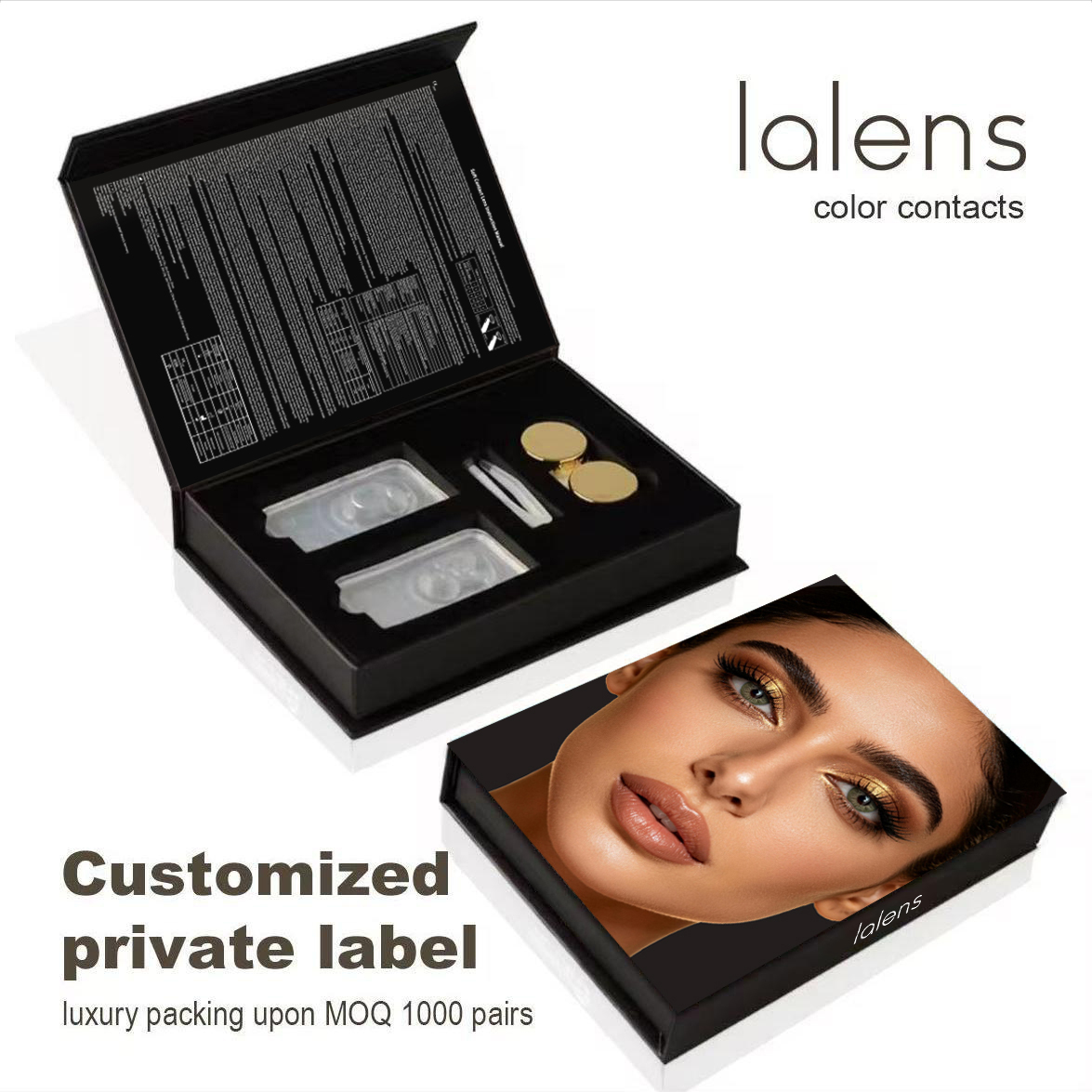
Flexible procurement starts at just 100 pairs per SKU for stock prints, moving up to full-scale customized rigid boxes, blister foils, and personalized diopter ranges at 1,000+ units.
Professional Procurement FAQ
Critical Guidance for Wholesale Contact Lens Importers
Can plano (0.00 power) colored contacts be legally marketed in the US without prescription checks?
No. The US FDA classifies all contact lenses as Class II medical devices, regardless of corrective diopter status. Under the Fairness to Contact Lens Consumers Act (FCLCA) and the FTC Contact Lens Rule, retailers dispensing lenses to US consumers must verify prescription validity with licensed eye care practitioners. Importers must ensure all packaging contains proper Rx-only indicators and device identification symbols.
What is the minimum order threshold (MOQ) for custom private label packaging?
Stock iris patterns packaged in our standard sterile glass vials or unbranded blister packs feature an entry-level MOQ of 100 pairs per SKU. For custom designed outer paperboard sleeves, customized foil seals, barcoded serial numbers, and English-language consumer instruction inserts, minimum production runs typically start from 1,000 pairs across selected colors.
How does sandwich printing prevent pigment migration during long storage periods?
Our sandwich printing technology applies FDA-approved reactive micro-dyes between polymerized layers of raw HEMA matrix before cross-linking curing. The polymer chains chemically crosslink around the pigment molecules, forming an unbroken, non-porous outer membrane. Our accelerated shelf-life tests (simulating 5 years at room temperature in saline solution) demonstrate 0% pigment extraction under HPLC inspection.
What is the standard production and shipping lead time for air and ocean freight?
Express sample dispatches (via DHL, FedEx, UPS) arrive at North American or European corporate locations within 5 to 8 business days. Bulk stock production orders take 10 to 15 business days, while bespoke OEM blister printing programs take approximately 25 to 35 business days following final digital proof sign-off. Bulk orders can ship via express air courier or door-to-door DDP ocean freight.
Direct Factory Partnership
Request Sample Packs, Factory Audit Data & Bulk Price Lists
Accelerate your private label launch. Speak directly with our clinical compliance directors, custom iris design artists, and export coordinators right now.